














































In the rolling foothills and sun-drenched valleys of California’s Central Coast, a quiet revolution is taking place. Winemakers here do not merely view themselves as stewards of the soil or agriculturalists; they are explorers and artisans, pushing the boundaries of what is possible in the bottle. Often referred to by those in the industry as "The Wild West" of American viticulture, Santa Barbara Wine Country offers a sense of creative latitude that stands in stark, refreshing contrast to the highly codified, traditional structures of Napa Valley or the historic estates of Bordeaux.
For the modern oenophile, this region represents a frontier where experimentation is not just encouraged—it is the local ethos. With a climate dictated by the dramatic interplay of the Pacific Ocean and the interior mountain ranges, Santa Barbara is one of the most geographically diverse winemaking territories on the planet.
The Geography of Flavor: Understanding the Terroir
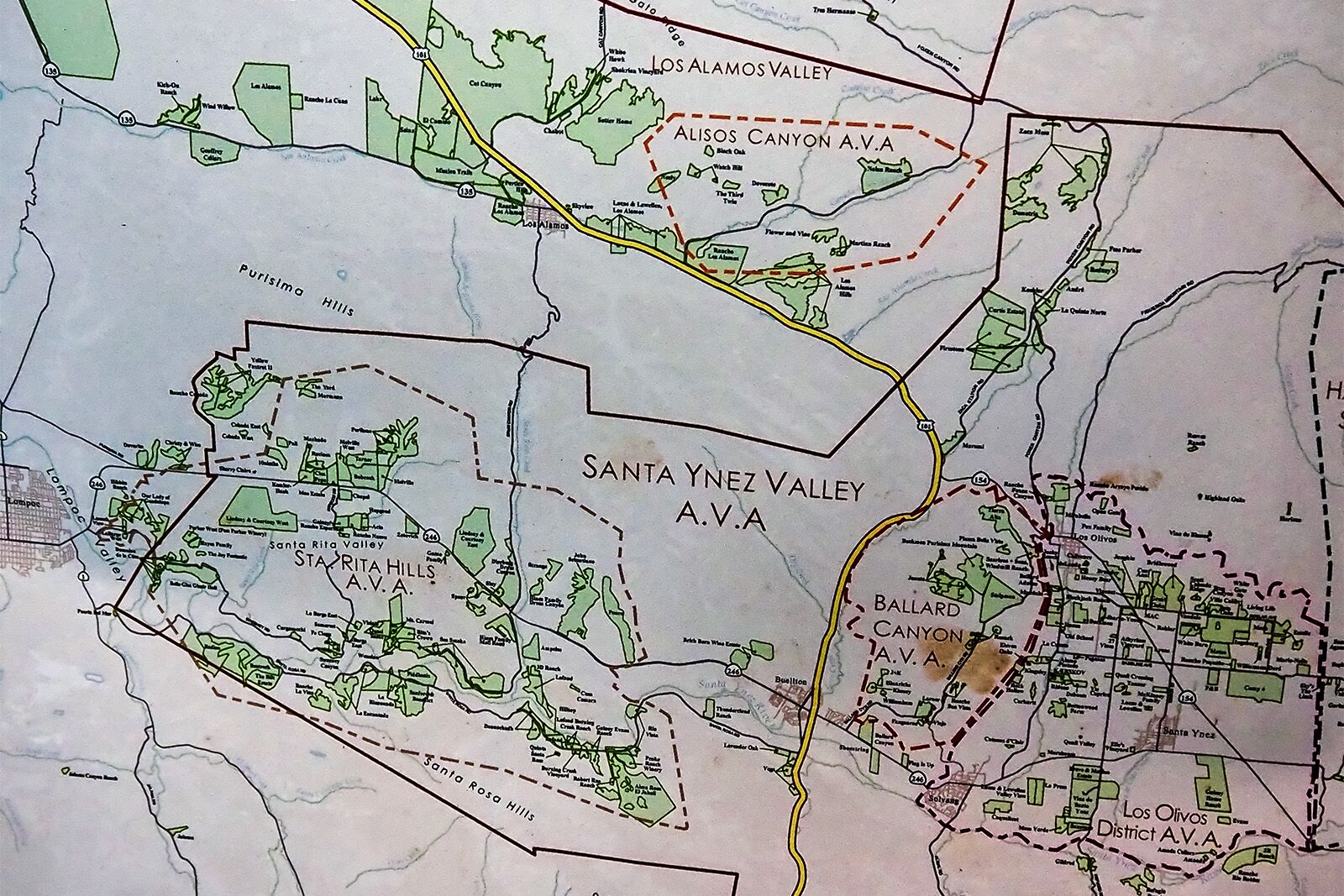
The secret to Santa Barbara’s success lies in its topography. Unlike many wine regions that run north to south, the seven official American Viticultural Areas (AVAs) of Santa Barbara run predominantly east to west. This unique orientation creates a natural funnel for the cold, marine-influenced air surging from the Gulf of Alaska.
As these currents penetrate the Santa Ynez and San Rafael mountain ranges, they create a cooling effect that is precise and predictable: temperatures typically rise by one degree for every mile traveled inland. This temperature gradient allows for an exceptionally long ripening season, preserving the natural acidity of the grapes while allowing for the development of complex sugars, refined tannins, and nuanced flavor profiles.
The region comprises seven distinct AVAs:
- Santa Maria Valley: California’s second-oldest AVA, renowned for its cool-climate elegance.
- Sta. Rita Hills: Famous for its world-class Pinot Noir and Chardonnay.
- Ballard Canyon: A haven for Syrah and other Rhône varieties.
- Happy Canyon: Known for its warmer climate, perfect for Bordeaux varietals.
- Los Olivos District: A central hub of viticultural diversity.
- Santa Ynez Valley: The broad, encompassing heart of the region.
- Alisos Canyon: An emerging area gaining acclaim for its rugged, expressive wines.
While Pinot Noir, Chardonnay, and Syrah remain the region’s crown jewels, the "Wild West" spirit has invited producers to successfully cultivate everything from Albariño and Grenache to robust Cabernet Sauvignon.
A Three-Day Odyssey: A Curated Itinerary
Day 1: The Funk Zone and Urban Elegance
Your journey begins in the city of Santa Barbara itself, specifically within the "Funk Zone." This former warehouse district, nestled between the Pacific coastline and Highway 101, has been transformed into a vibrant cultural corridor. It serves as an urban gateway to the wider county’s viticultural offerings, complemented by art galleries, street murals, and avant-garde dining.
A mandatory stop is the Margerum Santa Barbara Tasting Room. With its chic white marble aesthetics and airy terrace, it is the perfect introduction to the region’s range. Pair their seasonal flights with an expertly curated charcuterie board.
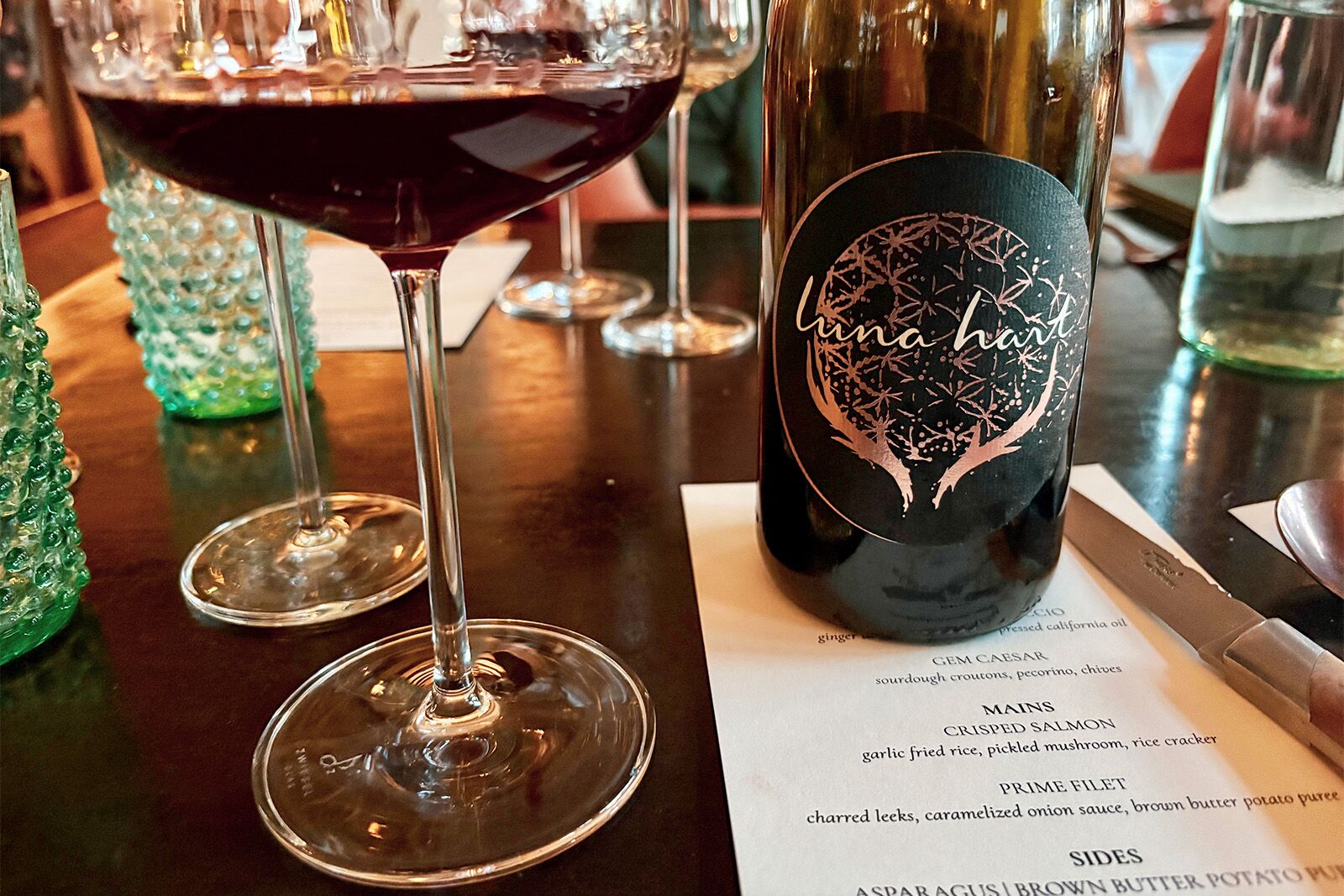
As evening falls, the Funk Zone comes alive with culinary innovation. Blackbird, located within the Hotel Californian, exemplifies the "hyper-local" movement. Their menu leans into the raw, bold flavors of the Central Coast—think bone marrow, steak tartare accented with pickled mustard seeds, and tomahawk steaks served with a rustic, functional flair. The cocktail program is equally impressive, utilizing citrus and botanicals sourced directly from regional farmers’ markets.
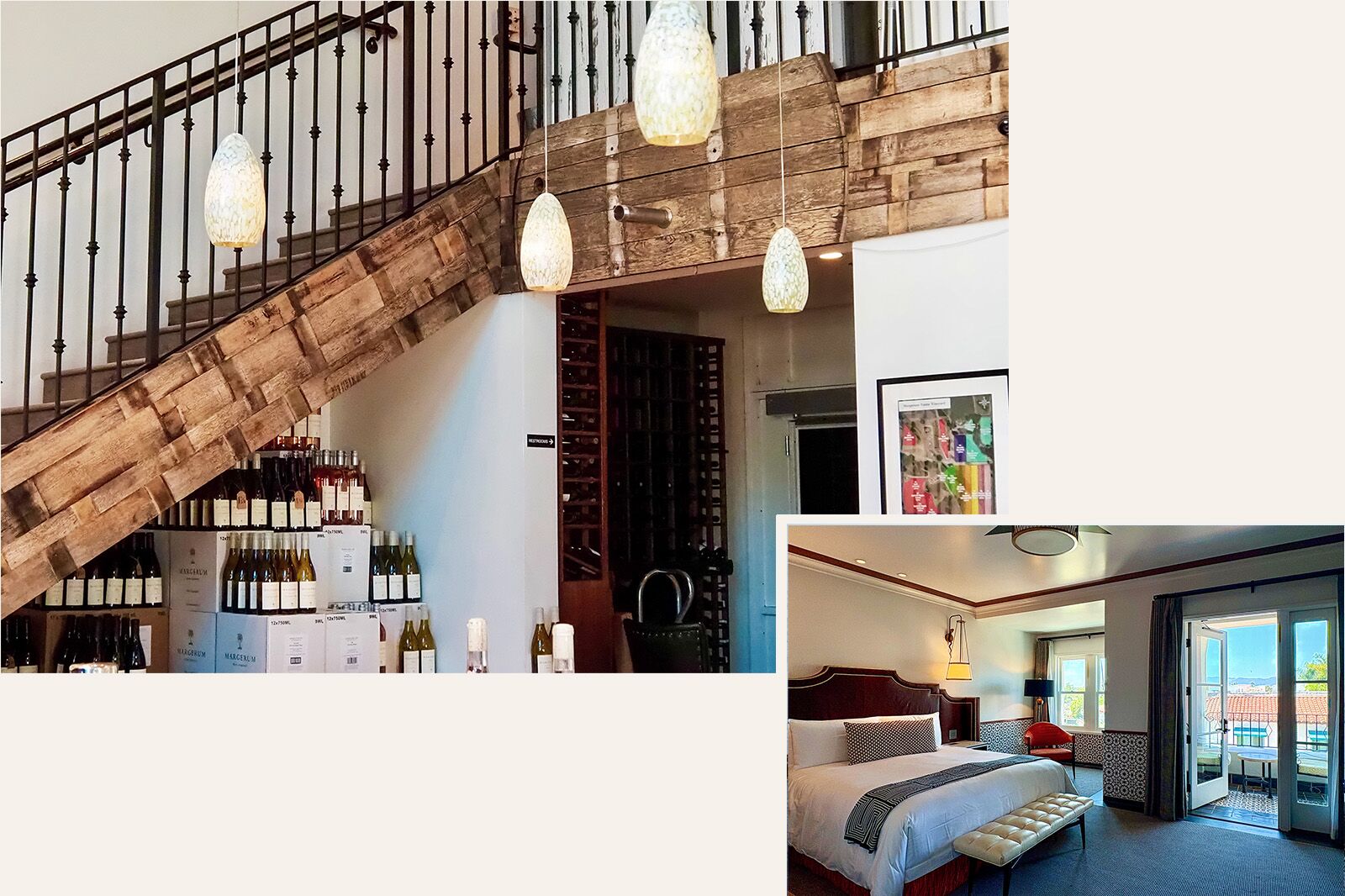
Stay: The Hotel Californian offers a masterclass in design. Created by Martyn Lawrence Bullard, its Moroccan-meets-contemporary aesthetic provides a luxurious base, complete with a rooftop pool offering panoramic views of the Pacific and the Santa Ynez mountains.
Day 2: The Heart of the Valley
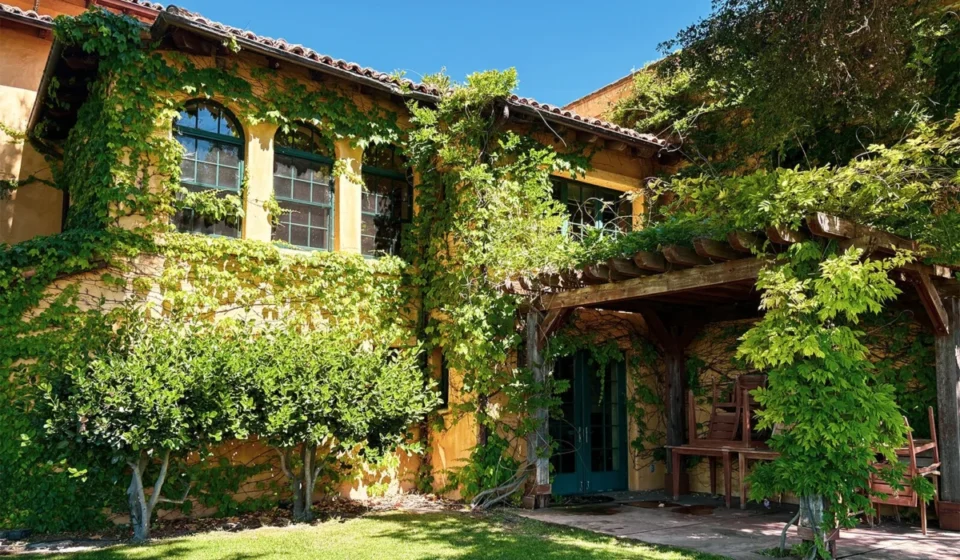
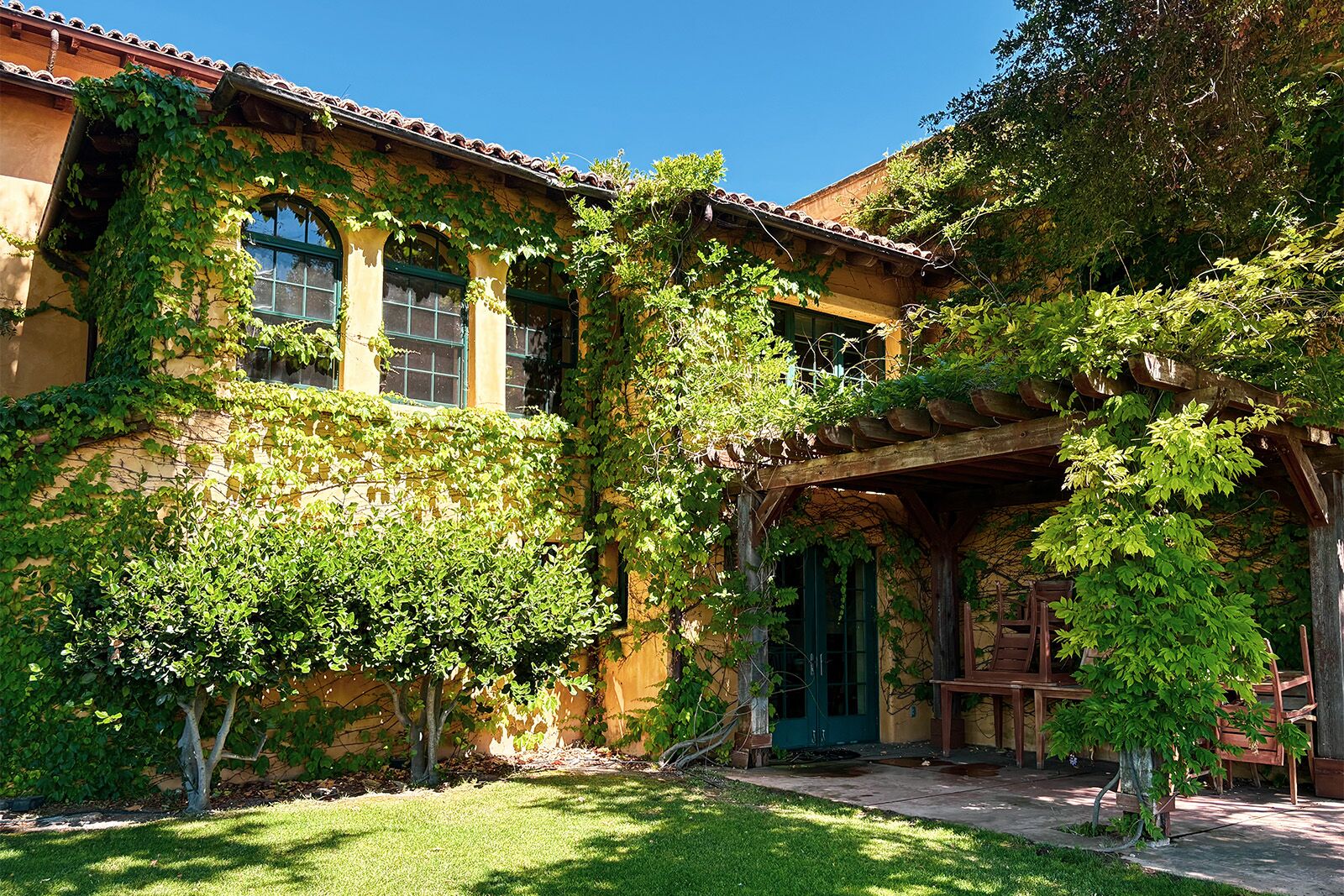
Heading 45 minutes northwest, the landscape shifts from coastal cityscapes to rolling vineyard vistas. The Sta. Rita Hills AVA is the first major stop. Here, the Melville Winery serves as an exemplar of the region’s commitment to organic, sustainable farming. The winery is structured like a classic European villa, though the contents of the bottles are quintessentially Californian—defined by ocean winds and early morning fog.
The complexity of the wines here is striking. A 2024 estate Pinot Noir might reveal notes of dried rose petals, sage, and white pepper, while the 2022 estate Syrah offers an earthy, savory profile reminiscent of lavender and smoked meats.
For lunch, traverse the Ballard Canyon AVA and stop in Buellton for the quintessential Central Coast experience: Santa Maria-style barbecue at The Hitching Post II. The air is thick with the scent of red oak smoke, a nod to the traditional open-fire grilling techniques that have defined the region for generations.
In the afternoon, the Los Olivos District calls. A visit to Carhartt Family Wines provides a more intimate, personal experience. This 100-percent direct-to-consumer operation operates out of a charming wooden cabin, where guests are treated to the history of the Carhartt family’s journey—a testament to the independence and grit found throughout the valley.
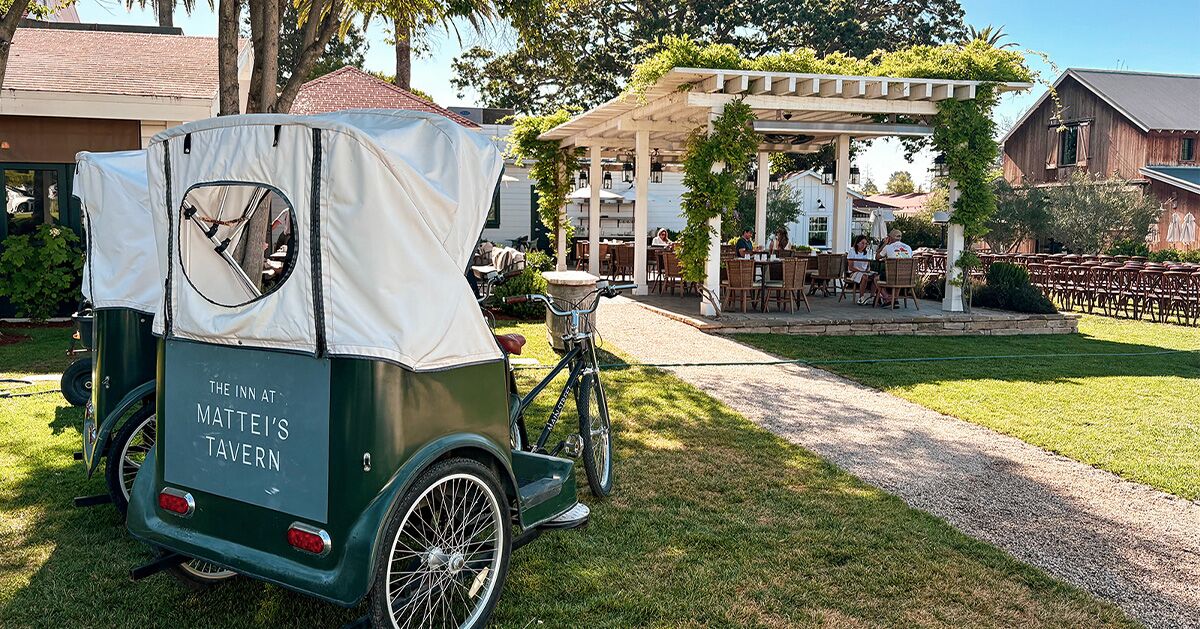
Stay: The Inn at Mattei’s Tavern is a historic landmark in the Santa Ynez Valley. Originally a 19th-century stagecoach stop and a clandestine Prohibition-era hideaway, it now functions as a luxurious retreat. Their Wednesday Winemaker takeovers offer a rare, intimate look at the local community.
Day 3: Heritage and Innovation
The northernmost point of your tour brings you to the Santa Maria Valley. This is a place where history runs deep. At Ranchos de Ontiveros, James Ontiveros represents the ninth generation of his family to farm these lands. Tasting wine here—straight from the back of a pickup truck amidst the vines—is a humbling experience. It is a stark reminder that beneath the glamour of the wine industry lies a centuries-old tradition of stewardship.
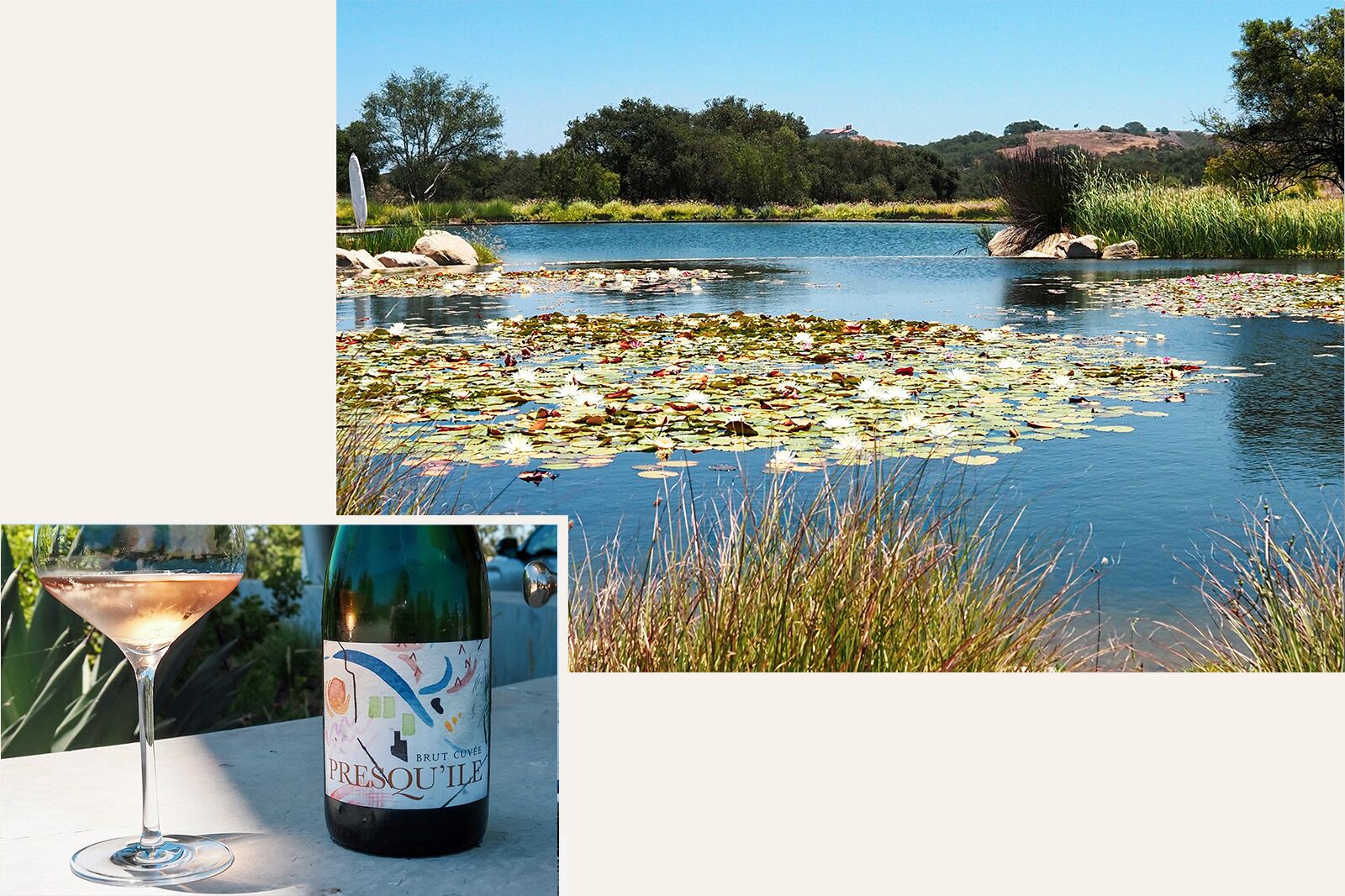
As you head further into the region, Presqu’ile Winery stands out for its commitment to "Sustainability in Practice" (SIP). Their vineyard practices, such as the use of nitrogen-fixing cover crops and the total avoidance of herbicides, showcase the region’s dedication to protecting the land for future generations. Their Wine + Food Experience is an essential lunch stop, featuring garden-driven mezze that perfectly complements their flight of five cool-climate wines.
Conclude your weekend in Los Alamos, a frontier-town-turned-culinary-destination. Visit Clementine Carter Wines to sample Rhône varietals, then unwind at Bodega Los Alamos, a charming outdoor beer and wine garden. For a final, grand meal, Bell’s Restaurant—a Michelin-starred bistro—serves a weekly prix fixe menu that balances French technique with the raw, seasonal bounty of the Central Coast.
Supporting Data and Viticultural Implications
The data regarding Santa Barbara’s growth is compelling. The region’s focus on long-term sustainability is not merely a marketing trend but a necessary response to the evolving climate. By utilizing maritime cooling, winemakers are successfully mitigating the heat-stress issues that plague other inland regions.
Furthermore, the "direct-to-consumer" model seen at wineries like Carhartt signifies a broader shift in the American wine market. By bypassing traditional distribution, smaller, family-owned estates are maintaining higher margins while fostering a deeper, more authentic connection with their customer base.
A Legacy of Stewardship
The vision expressed by winemakers like James Ontiveros—to see the Santa Maria Valley recognized as a UNESCO World Heritage site—speaks to the long-term ambitions of this region. This is no longer just about producing excellent Pinot Noir; it is about protecting a cultural and agricultural landscape that has been carefully cultivated through generations of environmental stewardship.
For the traveler, Santa Barbara Wine Country offers a rare opportunity: the chance to participate in a living, breathing history. Whether you are tasting a complex Syrah in a high-tech bunker or sharing a bottle of Pet-Nat under the shade of a century-old oak tree, you are witnessing the "Wild West" at its most refined. It is a region that rewards curiosity, demands sustainability, and promises, with every pour, an exploration of the unknown.