























































The Silicon Prairie of Power: How Minnesota Became a Global Epicenter for Microgrid Innovation

BLOOMINGTON, MN — Standing northeast of the I-494 and Highway 100 interchange, the headquarters of Open Access Technology International (OATI) is impossible to miss. The red-and-blue structure, which local observers liken to a futuristic sailboat or a robotic dog at attention, is more than an architectural curiosity. It is a living laboratory for the future of the North American energy grid.
Inside, a phalanx of electrical engineers and high-powered servers manage the complex choreography of electricity moving across the continent’s high-voltage transmission lines. However, the most revolutionary work occurring within these walls isn’t happening at the macro scale, but at the micro. OATI is currently spearheading a shift toward microgrids—localized energy systems that can operate independently of the traditional power grid—positioning Minnesota as an unlikely but dominant leader in a multibillion-dollar global industry.
Main Facts: A Concentrated Ecosystem of Energy Expertise
Minnesota’s emergence as a microgrid powerhouse is not accidental. It is the result of a dense concentration of academic research, legacy manufacturing, and aggressive startup activity. While Silicon Valley often captures headlines for software innovation, the "Silicon Prairie" of the Twin Cities is quietly mastering the hardware and specialized AI required to keep the lights on when the central grid fails.
The state’s microgrid ecosystem is anchored by several key entities:
- OATI (Open Access Technology International): A Bloomington-based giant whose software coordinates the majority of North American electricity sales and transmission. They are now pivoting to AI-powered microgrid optimization via their "GridMind" platform.
- Syncris: A Minneapolis startup revolutionizing the hardware side of the equation with modular, "stackable" inverters that lower the barrier to entry for microgrid adoption.
- The Center for Microgrid Research at the University of St. Thomas: Nationally recognized as the only institution in North America providing hands-on training for the next generation of microgrid professionals.
- Microgrid Initiatives: A consultancy led by industry veterans that manages large-scale tribal and municipal projects nationwide.
According to the Minnesota Department of Employment and Economic Development (DEED), the state exported approximately $2.3 billion in "IT-related electrical equipment" last year. This figure underscores a fundamental truth: Minnesota is no longer just a "flyover" state for energy; it is a primary exporter of the technology required for 21st-century grid resilience.
Chronology: From Industrial Giants to Decentralized Autonomy
The roots of Minnesota’s energy dominance stretch back decades, long before "microgrid" became a buzzword in energy policy circles.
The 1980s and 90s: The Era of the Titans
The foundation was laid by multinational corporations that established a massive footprint in the region. Giants like Honeywell, Siemens, IBM, Eaton, and Johnson Controls created a deep talent pool of electrical engineers and controls experts. During this period, Minnesota became a hub for "power electronics"—the sophisticated components used to manage high-voltage electricity.
The Mid-1990s: The Rise of OATI
Founded in 1995, OATI initially focused on the software side of energy markets. As the U.S. energy market deregulated, the need for millisecond-accurate software to manage electricity trades became paramount. OATI filled this vacuum, eventually growing to the point where most large-scale electricity transactions in the U.S. are now processed through their systems.
2010–2020: The Pivot to Resilience
As extreme weather events—from record heatwaves to hurricane-force "microbursts"—became more frequent, the limitations of a centralized grid became apparent. This decade saw the birth of the Center for Microgrid Research at the University of St. Thomas and the emergence of specialized firms like Microgrid Initiatives. The focus shifted from merely "moving" power to "securing" it locally.
2024 and Beyond: Modularization and AI
Today, the industry is entering a new phase defined by two trends: the use of AI to manage complex energy inputs (solar, wind, battery, and diesel) and the "modularization" of hardware. Companies like Syncris are moving away from the "one-off" custom engineering models of the past toward "Lego-like" systems that can be easily expanded.
Supporting Data: The Economic and Technical Case for Microgrids
The drive toward microgrids is fueled by a combination of federal investment and a pressing economic need for "power quality."
Federal Investment in Sovereignty
In the past year alone, the federal government has poured millions into Minnesota-led microgrid projects:

- $3.15 Million: Awarded to the Red Lake Nation for solar-and-battery microgrids.
- $1.75 Million: Awarded to the White Earth Nation for community resilience hubs.
- $8 Million: A Department of Energy (DOE) grant for 14 remote communities across the Midwest and West, many of which utilize Minnesota-developed technology.
The Cost of "Grid Edge" Instability
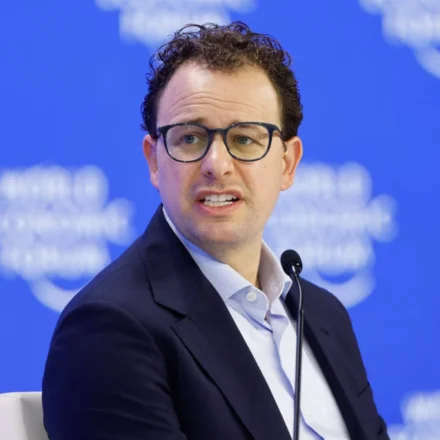
For industrial customers, the value of a microgrid isn’t just about avoiding total blackouts; it’s about "power quality." Syncris COO Zach Edmond notes that customers located at the "grid edge"—the far end of distribution lines—often suffer from voltage fluctuations.
"You have a machine that’s supposed to last 20 years and it’s breaking down after seven," Edmond explains. "You think it’s the quality of the machine, but it’s the quality of the power." One Syncris customer reported losing hundreds of thousands of dollars annually due to these subtle power quality issues, providing a clear ROI for microgrid investment.
Official Responses: Industry Leaders on the "Minnesota Advantage"
The consensus among local leaders is that Minnesota’s success is a byproduct of its self-reliant culture and historical industrial base.
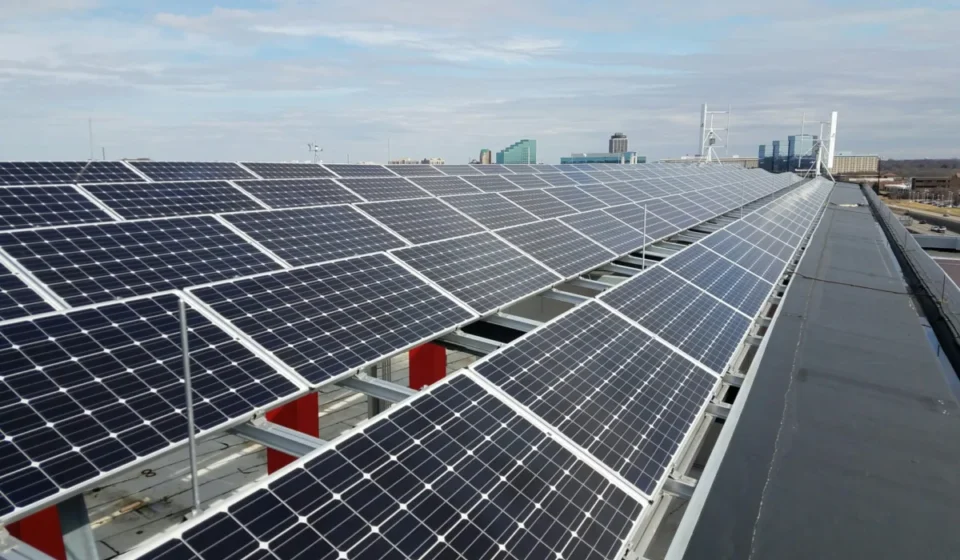
David Heim, OATI’s Vice President and Chief Strategy Officer, emphasizes the importance of local innovation. "It’s cool that we are a [Twin Cities] company doing all this right here in our backyard, not out in Silicon Valley," Heim says. He notes that OATI’s own headquarters serves as a proof-of-concept, utilizing solar panels, batteries, and a cogeneration plant to remain operational even if the surrounding city loses power.
Michael Burr, Founder of Microgrid Initiatives, points to the legacy of the region’s workforce. "The most obvious reason that Minnesota has established an outsized footprint… is the longstanding presence of major multinational companies that manufacture power electronics," Burr says. He also highlights a "self-reliant streak" in Minnesota’s history that drives the desire for energy independence.
Mary Brown, OATI’s Senior Executive Vice President, notes that the shift is also being driven by changing federal policies and tariffs. As traditional electricity prices are set to rise, Brown argues that Distributed Energy Resource Management Systems (DERMS) will become essential. "Technology has advanced to the point that [these systems] can effortlessly orchestrate entire neighborhoods’ worth of cars, home batteries, and solar arrays," she says.
Implications: Energy Sovereignty and the Future of the Grid
The rise of the Minnesota microgrid industry has profound implications for three distinct sectors of society:
1. Tribal Sovereignty and Rural Resilience
For tribal nations like Red Lake and White Earth, microgrids are about more than just electricity; they are about political leverage. By generating their own power, tribes can negotiate from a position of strength with traditional utilities. Furthermore, in rural areas where "hurricane-force" storms can leave thousands without power for days, microgrids offer a lifeline for critical communications and medical equipment.
2. Urban Equity and the "Resilient Minneapolis Project"
The technology isn’t just for rural areas. OATI is currently involved in the "Resilient Minneapolis Project," which aims to install microgrids at public schools in disadvantaged neighborhoods. These sites will serve as community hubs where residents can charge phones, access medical equipment, and find climate-controlled shelter during prolonged outages.
3. The End of the "Custom Engineering" Bottleneck
Perhaps the most significant implication is the democratization of energy technology. If Syncris and OATI succeed in making microgrids modular and AI-driven, the technology will move from being a "highly custom, one-off solution" to a standard commercial product.
As Zach Edmond of Syncris puts it, the core of the technology is becoming more like a "Lego block." This shift reduces the cost of engineering, shortens deployment times, and allows schools, warehouses, and small towns to take control of their energy destiny.
In the face of an aging national infrastructure and an increasingly volatile climate, Minnesota’s microgrid corridor is providing a blueprint for a more resilient, decentralized, and self-sufficient future. The red-and-blue building in Bloomington isn’t just a landmark; it’s the command center for a new era of American energy.