




















































The New Normal: Minnesota Faces Escalating Wildfire Crisis and Persistent Smoke Challenges

It is likely just the beginning.
For much of the early summer, Minnesota enjoyed a respite from the choking, particulate-heavy air that has defined the state’s recent warm seasons. Residents enjoyed clear blue skies and relatively mild humidity, a welcome departure from the "Great American Smokeout" that characterized the summer of 2025. However, that stability fractured this week as a combination of intense heat and a volatile storm system ignited a series of wildfires in the Superior National Forest, marking a concerning shift in the state’s environmental trajectory.
As of Thursday, officials with the Minnesota Incident Command System (MICS) reported more than a dozen active wildfires burning across the northern border region. Among these are three significant blazes contained within the Boundary Waters Canoe Area Wilderness (BWCAW), a pristine sanctuary that has now become the front line of an increasingly precarious fire season.
The Spark: A Chronology of the Recent Outbreak
The current crisis was not born of long-term drought alone, but of a specific meteorological event. According to MICS, the fires were ignited on July 6, when a fast-moving storm system tracked across the northern reaches of the state. The storm brought little relief in the form of soaking rain, but delivered a barrage of lightning strikes to the dry, densely forested terrain of the Superior National Forest.
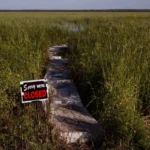
The impact was near-instantaneous. Within days, the smoldering ignitions grew into active, uncontrolled fires. By Tuesday, the severity of the situation necessitated an emergency closure of the BWCAW. At the time of the closure, authorities estimated that between 6,000 and 10,000 recreationists were deep within the wilderness area.
Karen Harrison, a spokesperson for state and federal emergency management agencies, noted that the evacuation effort was a massive logistical challenge. By Wednesday, officials had successfully reached approximately 90% of the individuals in the wilderness. However, the mission remains fraught with difficulty. Thick, acrid smoke has grounded aviation support, complicating firefighting efforts and making it dangerous for ground crews to monitor the spread of the flames. "There will be fire on the landscape until fall," Harrison warned on Thursday. "Some of these fires will be burning until the first deep snow cover of the season."
Air Quality in Peril: A Statewide Concern
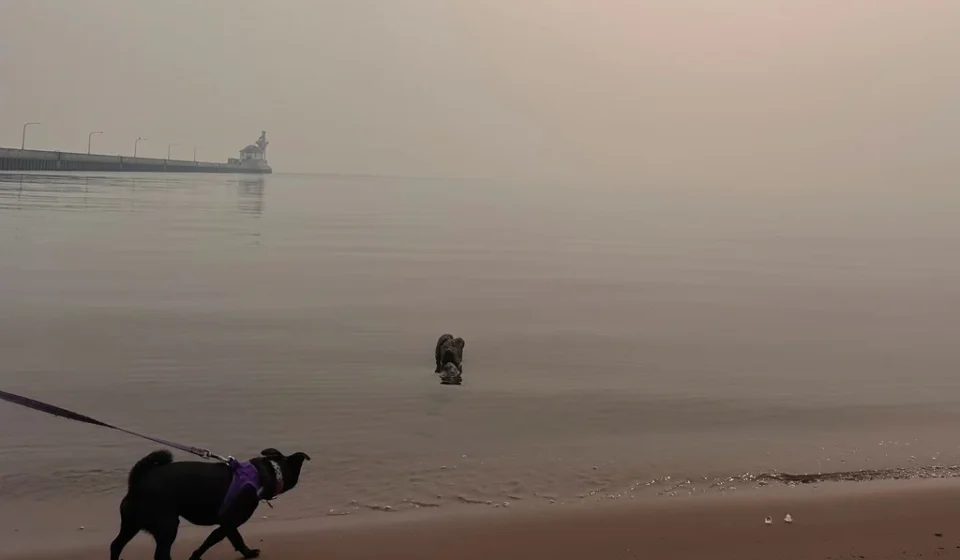
The impact of these fires extends far beyond the northern forests. On Tuesday, the Minnesota Pollution Control Agency (MPCA) issued a statewide air quality alert, which remains in effect through 11 a.m. Friday. The alert encompasses the metro area, central Minnesota, and the Arrowhead region, warning residents that the combination of wildfire smoke and existing pollutants could lead to significant health complications for vulnerable populations.
The MPCA, in coordination with the National Weather Service (NWS), has been closely monitoring the situation. Meteorologist Matt Taraldsen noted that the agency had been tracking fire activity in Canada for weeks, concerned that the persistent El Niño patterns and long-term drought conditions would create a "tinderbox" scenario.
Brennan Dettmann, a meteorologist at the NWS office in Chanhassen, highlighted the irony of the season’s start. "We were spoiled," Dettmann observed, referring to the slightly below-normal temperatures and lower humidity levels that characterized June. "We had a stretch of very pleasant weather, but the atmosphere is dynamic. Once we hit that hot, humid stretch in July, the fire risk spiked immediately."
Supporting Data: A Growing Regional Crisis
Minnesota’s wildfire issues are inextricably linked to the broader climate shifts occurring across North America. For the past five years, the Minnesota Department of Health has recorded an unprecedented number of air quality alerts, a trend directly attributable to the increasing frequency and intensity of wildfires in both the United States and Canada.
The 2023 season, in particular, served as a "turning point," according to the National Institutes of Health. During that year, approximately 46 million acres burned across North America. The smoke was so pervasive that it reached European shores, and nearly 98% of Canada’s population was exposed to at least one day of hazardous air quality.
This year, the threat remains twofold: local ignitions fueled by summer heat and the massive, ongoing fires in Canada. The Canadian Interagency Forest Fire Centre (CIFFC) reports hundreds of active fires. Forecasters predict that Minnesota will experience between 12 and 16 days of smoke-heavy air between late July and early August, as prevailing winds sweep particulate matter south from the northern forests.
The geographic diversity of these fire sources is notable. While recent issues in Minnesota were driven by local storms and Canadian smoke, the 2020 wildfire season was dominated by smoke originating from California. This shifting landscape means that Minnesota’s air quality is increasingly susceptible to fires burning thousands of miles away, turning the state into a passive recipient of continental environmental instability.
Official Responses and Cross-Border Collaboration
Managing this crisis requires a sophisticated, transnational infrastructure. Taraldsen explains that the MPCA maintains constant communication with the NWS, the U.S. Forest Service, and counterparts in Ontario, Canada. Hourly data uploads ensure that smoke models are updated at least daily, allowing authorities to issue timely warnings to the public.
However, the reality on the ground is often more complex than the models suggest. In Flin Flon, a Canadian mining town on the border of Manitoba and Saskatchewan, the situation remains a delicate balance of survival. Local reporter Ron Dobson described a summer that feels "normal" compared to last year, yet he emphasized the extreme vulnerability of remote communities.
"We have one little road that stretches for 100 kilometers," Dobson noted. "If that road is cut off by fire, we are in serious trouble." The town of Lynn Lake, once the "sport fishing capital of Manitoba," was recently forced to evacuate due to encroaching flames. The destruction of homes in nearby Denari Beach last year serves as a stark reminder of the long-term trauma these events inflict on remote, forest-dependent communities.
To combat these threats, meteorologists utilize advanced technology, including twice-daily weather balloon launches from Chanhassen. These balloons, which ascend nearly 20 miles into the atmosphere, gather critical data on temperature, humidity, and wind direction. While the equipment is often destroyed upon landing—what Dettmann calls "getting beat up"—the data is vital for predicting how smoke plumes will move and where they will settle.
Implications for the Future
The implications of this environmental shift are profound. The "new normal" for Minnesota suggests that the era of relying on stable, predictable summers is likely over.
- Public Health: The increase in air quality alerts necessitates a change in how Minnesotans approach outdoor activity. Health officials are increasingly emphasizing the use of high-efficiency particulate air (HEPA) filters and the importance of N95 masks during high-smoke events.
- Economic Impact: The closure of the BWCAW, even for a short period, ripples through the northern economy. Outfitters, hospitality workers, and local businesses that rely on the short summer tourism window are facing increased volatility.
- Infrastructure Resilience: As seen in Canada, the reliance on single-access roads in wilderness areas is a major point of failure. Strengthening evacuation routes and emergency communication in remote areas will become a budgetary priority for state and provincial governments.
- Policy and Funding: Despite some federal budget concerns, meteorologists like Dettmann insist that staffing levels are currently adequate. However, the escalating frequency of these events will inevitably place a higher demand on resources, from firefighting personnel to health surveillance systems.
As the smoke hangs over the Arrowhead region and the fires continue to burn in the Boundary Waters, the message from officials is clear: vigilance is the new standard. Minnesota is no longer a peripheral player in the continental fire story; it is an active participant in a climate-driven cycle that demands adaptation, resilience, and a fundamental rethinking of how we interact with the wilderness.
For those planning to visit the northern reaches of the state, the guidance is unequivocal: check the latest updates from the Minnesota Incident Command System and the MPCA, stay informed, and prepare for the possibility that the fire-free summer of the past is a memory, replaced by an era where the scent of smoke is as much a part of the season as the heat of July.