

























































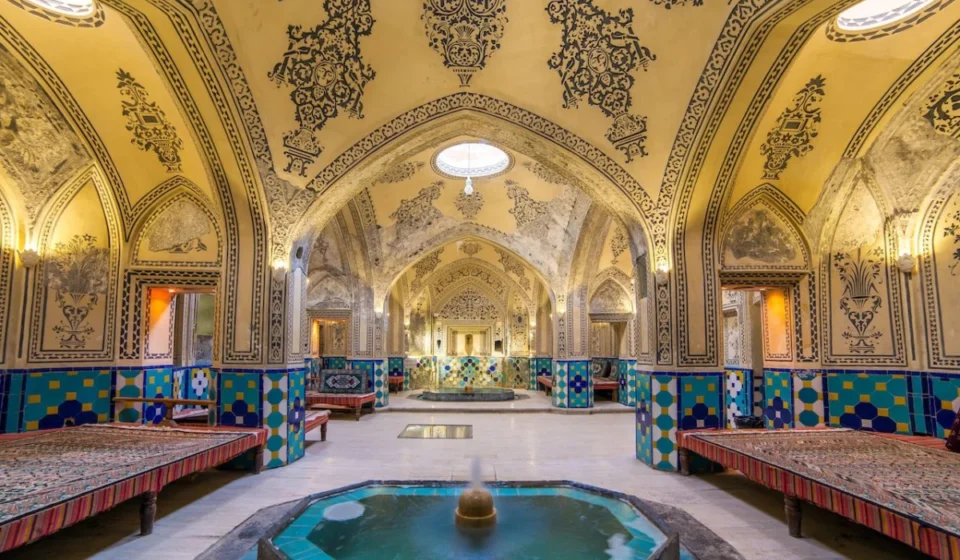

The Turkish bath, or hamam, is far more than a mere facility for hygiene; it is a profound cultural institution that has anchored the social and spiritual life of the Middle East and the Balkans for over half a millennium. As one of the most enduring legacies of the Ottoman Empire, the hamam represents a convergence of architectural grandeur, communal solidarity, and the ancient art of self-purification. For the modern traveler, stepping into a traditional hamam is akin to entering a living monument—a space where the frenetic pace of contemporary life dissolves into the rhythmic flow of water and steam.
The Origins and Evolution of the Hamam
Historical Roots and Societal Impact
The genesis of the Turkish bath is inextricably linked to the zenith of the Ottoman Empire during the 14th century. While the architectural blueprint drew heavy inspiration from the Roman thermae—the elaborate public bathing complexes of the Roman Empire—the Ottoman iteration was refined through the lens of Islamic tradition.
In Islamic culture, cleanliness is considered a prerequisite for prayer. The hamam, therefore, evolved not just as a place for physical washing, but as a site for ritual purification. Because indoor plumbing was an impossibility for the vast majority of the population until the dawn of the 20th century, the hamam served as the beating heart of the urban center. Positioned strategically near mosques and bazaars, these structures were designed to be accessible to everyone, regardless of socioeconomic status. They functioned as the primary town square—a neutral ground where news was exchanged, marriages were arranged, and the community found respite from the dust of the streets.
Chronology of the Hamam’s Development
- 14th Century: The early Ottoman period sees the formalization of the hamam structure, blending Byzantine architectural remnants with Islamic bathing customs.
- 15th–17th Century: The "Golden Age" of the hamam. Architects like the legendary Mimar Sinan designed iconic structures that pushed the limits of dome engineering and marble craftsmanship, turning baths into opulent works of art.
- 18th–19th Century: The construction of the Cağaloğlu Hamamı (1741) marks a late-stage masterpiece, signaling a transition toward Baroque and Rococo influences in interior design.
- 20th Century to Present: The transition from a domestic necessity to a cultural tourism staple. While many neighborhood hamams have vanished, the historic ones remain protected as vital heritage sites.
The Anatomy of the Experience: What to Expect
Preparation and Etiquette
The first-time visitor should approach the hamam with a sense of respectful curiosity. Upon entry, you will find that most traditional establishments maintain strict gender separation, often through separate entrances or scheduled hours.
Regarding attire, the hamam is a place of modesty. While you will be provided with a peştemal (a thin, traditional cotton towel), you are encouraged to keep a bathing suit on if you feel exposed. Bringing your own flip-flops is a practical necessity for navigating the wet, marble-tiled corridors. Most importantly, treat the visit as a "day at the bath"—bring a change of clean clothes and your preferred toiletries to complete the ritualistic feeling of a fresh start.
The Ritual of Cleansing
The experience is typically divided into three stages: the warming phase, the scrubbing phase, and the cooling phase. After shedding your street clothes, you will be directed to the hararet (the hot room). Here, you should spend 15 to 20 minutes allowing the dry heat to soften your skin and open your pores.
Once your skin is primed, you will undergo the hallmark of the experience: the kese scrub. This is not a gentle massage; it is an vigorous exfoliation performed by an attendant using a kese (a coarse mitt). You will likely be startled to see gray "noodles" of dead skin rolling off your body—evidence of the layers of accumulation that the hamam successfully removes. This is followed by a soap massage, involving a large cloth bag filled with sudsy, aromatic soap, which is applied in a rhythmic, full-body lather.
Comparative Analysis: Turkish Hamam vs. Global Variations
While the term "steam bath" is often used interchangeably, the Turkish hamam stands apart from its Russian and Moroccan counterparts.
- Turkish Hamam: Defined by its central "belly stone" (göbek taşı), an elevated, heated marble slab. The experience focuses on dry heat followed by an intensive manual scrub and soap massage in a grand, vaulted marble room.
- Russian Banya: Characterized by extremely high humidity and temperatures, often featuring the use of venik (bundles of leafy birch or oak twigs) used to whip the skin to increase circulation.
- Moroccan Hammam: Similar in philosophy to the Turkish version, but often relies more heavily on ghassoul (clay) masks and the application of savon beldi (olive oil-based soap). The architecture tends to be more intimate and enclosed compared to the sprawling, high-domed Turkish structures.
Supporting Data: The Science of the Scrub
The health benefits of a traditional hamam are not merely anecdotal; they are grounded in physiological responses to heat and friction.
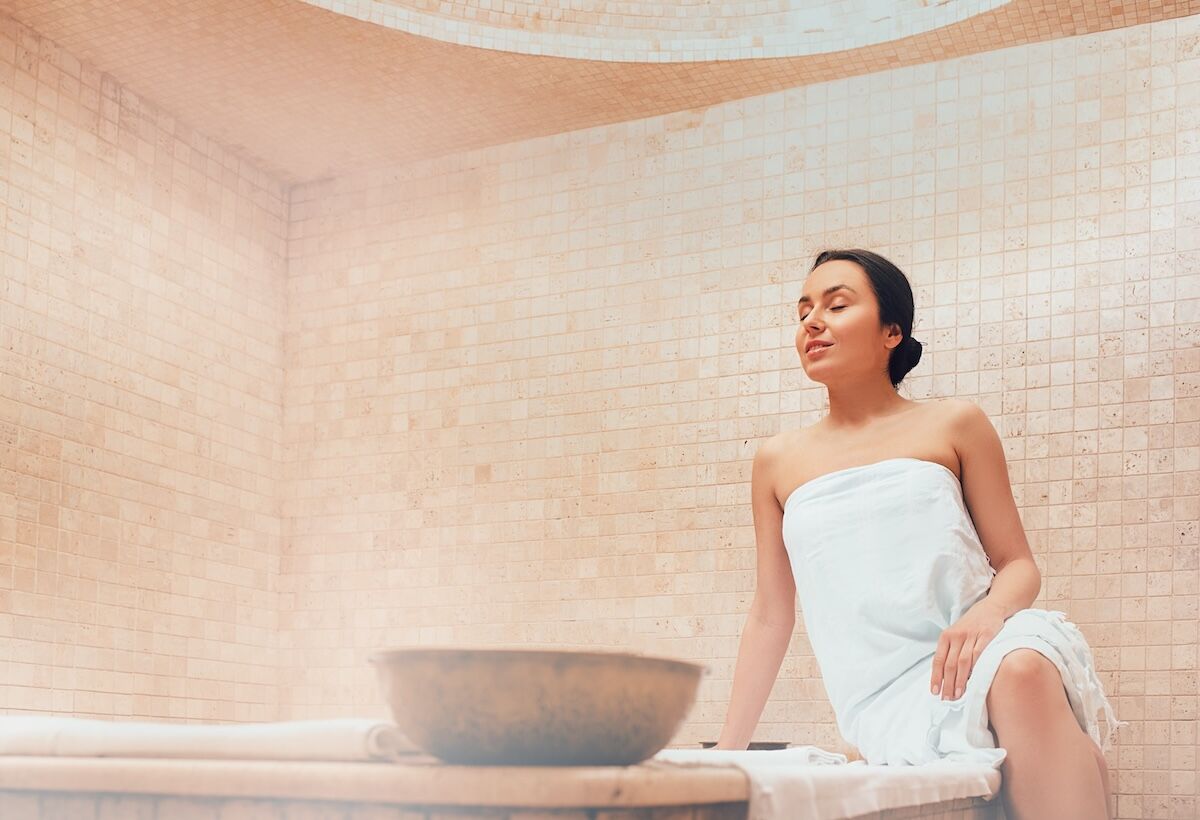
- Circulatory Stimulation: The intense heat of the hararet causes vasodilation, increasing blood flow to the skin and muscles, which accelerates the removal of metabolic waste.
- Dermatological Renewal: Regular exfoliation with a kese mitt promotes cell turnover, resulting in improved skin elasticity and a reduction in clogged pores.
- Therapeutic Recovery: The deep pressure applied during the post-scrub massage helps release myofascial tension. For travelers suffering from "travel fatigue"—jetlag, cramped airplane seats, and the physical strain of sightseeing—the hamam acts as a systemic reset button.
The Professional Standard: Tipping and Financial Implications
In the ecosystem of the hamam, the attendant is the architect of your comfort. A standard industry practice is to tip the attendant approximately 15 percent of the total service cost. It is advisable to carry cash in the local currency for this purpose, as credit card systems may not always facilitate gratuities for individual staff members.
The entry fee generally grants you unlimited access to the facility. You are encouraged to lounge in the common areas, enjoy the natural light filtering through the skylights, and take your time. There is no rush; the hamam is a space where time is intended to be suspended.
Notable Establishments in Türkiye
If you find yourself in Istanbul, the following three establishments represent the pinnacle of the craft:
1. Cağaloğlu Hamamı
Constructed in 1741, this is the last major bathhouse built during the Ottoman Empire. Its stunning Baroque architecture and bright, white stucco interior provide an atmosphere of regal tranquility. It is one of the few places that offers a truly high-end, seamless reservation system, making it ideal for those who prefer to plan their itinerary.
2. Ağa Hamamı
Founded in 1454, this is the oldest bath in the city. Located in the bustling district of Beyoğlu, it offers a more authentic, "lived-in" feel. It is a fantastic choice for those looking to immerse themselves in history after a day of navigating the modern shops and galleries of Istanbul.
3. Çukurcuma Hamamı
Dating back to the 1830s and recently renovated, this hamam strikes the perfect balance between historic preservation and modern luxury. It is particularly popular for couples who wish to share the experience in a refined, semi-private setting.
Implications for the Modern Traveler
The modern, digitized world leaves little room for silence or tactile experiences. The Turkish hamam offers a rare, necessary resistance to this trend. By choosing to visit a hamam, you are not merely checking a box on a travel itinerary; you are participating in a tradition that has survived the rise and fall of empires, the invention of modern plumbing, and the globalization of the spa industry.
The implications of such a visit are twofold: physically, you emerge with improved circulation and rejuvenated skin; mentally, you undergo a "digital detox" that only a steam-filled, echo-rich, marble sanctuary can provide. As you step out of the hamam and back into the vibrant, noisy streets of a city like Istanbul, you will find that the world feels a little softer, a little clearer, and much more connected to the ancient history beneath your feet.