





































Tucked away in the heart of the Swiss Alps, Andermatt was once a quiet military outpost and a forgotten waypoint for travelers traversing the rugged route between Zurich and Milan. Today, however, this village is undergoing a profound metamorphosis. Surrounded by the imposing, jagged peaks of the Urseren Valley, Andermatt has repositioned itself as a premium destination for the global cycling elite.
It is a place where high-octane luxury meets the raw, unforgiving challenge of the Oberalp, Saint-Gothard, and the legendary Furka Pass. For the cycling enthusiast, Andermatt is no longer just a village; it is a high-performance playground where the gear is top-tier, the scenery is cinematic, and the recovery is nothing short of world-class.
The Transformation: From Garrison to Glamour
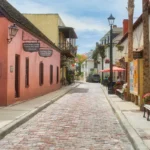
The modern face of the village, known as Andermatt Reuss, represents a decade-long evolution. Since the late 2000s, this area has blossomed from a sleepy mountain town into a master-planned, pedestrian-friendly sanctuary. The landscape is now dotted with sophisticated architecture—luxury hotels, meticulously outfitted apartments for long-term stays, and upscale retail spaces that cater to a discerning, international clientele.
Stepping into the lobby of the Radisson Blu Hotel, the contrast is immediate. Outside, the sheer presence of luxury vehicles parked in the driveway serves as a reminder of the village’s new economic status. Inside, the atmosphere shifts from the ostentatious to the cozy; a massive central fireplace anchors the space, flanked by the inviting Bär Bar. It is here that the intersection of "sporting grit" and "alpine luxury" becomes the defining characteristic of the visitor experience.
The BMC Test Center: A New Paradigm for Cyclists
Perhaps the most significant addition to the Andermatt landscape for the cycling community is the high-end BMC showroom. Just a short walk from the central resort area, this facility challenges the traditional definition of a bike shop.
“Don’t think of this as a bike shop,” explains Lee Hewett, who manages the space alongside his business partner, Matt Frichot. “Think of it as a showroom and a test station.”
Hewett and Frichot, the founders of Swiss Cycology Tours, have been guiding cyclists through the complex terrain of the Swiss Alps for years. When the development group Andermatt Swiss Alps sought a partner to elevate the local cycling infrastructure, the collaboration with BMC was a natural evolution. The showroom serves as a "test center," allowing riders to rent high-performance machines—the "Ferraris of the cycling world"—to conquer the legendary mountain passes.
The flexibility of the center is its primary draw. Whether a casual tourist decides on a whim to hire a bike for a scenic afternoon spin, or a seasoned enthusiast arrives with a multi-day itinerary requiring professional mechanical support and route planning, the BMC facility acts as the operational heartbeat of the local cycling culture.
Chronology of a Climb: The Furka Pass Experience
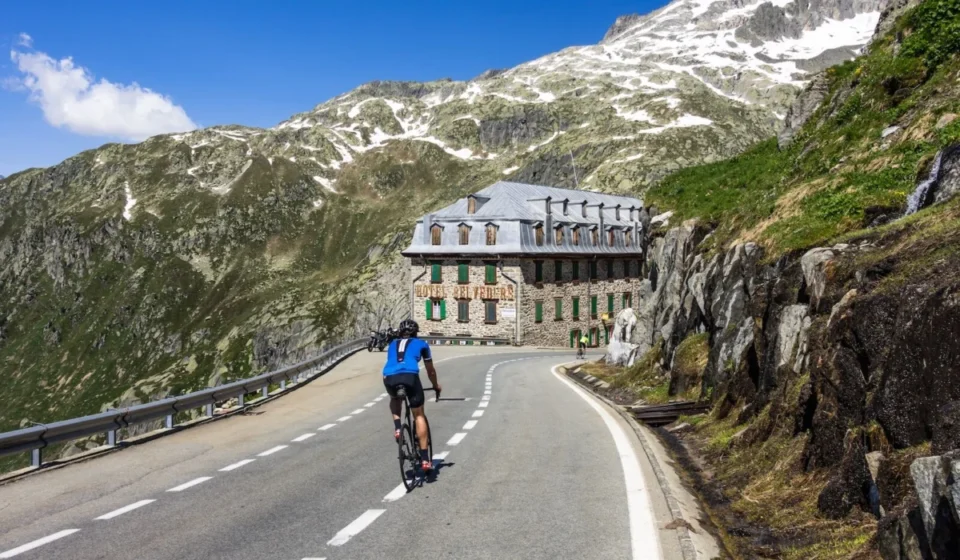
The Furka Pass is more than just a road; it is a cultural icon. Immortalized in the 1964 James Bond classic Goldfinger, the winding route toward the Rhone Glacier remains one of the most recognizable stretches of asphalt in the world.
The Preparation
The evening before the ascent, the atmosphere in the village is electric. At Spün, the Romansch-inspired restaurant within the Radisson, the pre-ride ritual is taken seriously. Carbohydrates are the order of the day, accompanied by local beers and the shared nervous energy of cyclists readying themselves for the next morning’s climb.
The Ascent
The following morning begins with a curated breakfast—an essential component of the luxury cycling experience. Upon arriving at the BMC showroom, the sound of clicking cleats and the hiss of the espresso machine sets the tone.
The ride begins with a deceptive 20-minute flat stretch across the valley floor toward Realp, the gateway to the pass. As the road transitions from the valley floor to the incline, the gradient immediately settles into an average of seven percent. The climb is relentless. There is no traditional warm-up; one is simply moving upward, surrounded by a quintessential alpine postcard: wildflower-strewn meadows, the rhythmic clanging of distant cowbells, and the occasional artisanal cheese shop.
The Descent
The Furka Pass is an out-and-back endeavor, offering a unique opportunity for "cycling revenge." As the road narrows and traffic inevitably clogs behind the heavy influx of touring motorcycles and luxury cars, the cyclist finds an advantage. With the agility of a road bike, riders can navigate the bottlenecked traffic, weaving through the static metal of the cars and bikes, turning a grueling climb into a triumphant, wind-whipping descent back to the valley.
Supporting Data and Professional Insight
Professional cycling legend Fabian Cancellara, who accompanied the group, frames the experience with a wink: “This is absolutely a race.” While the competitive spirit is encouraged, the reality of the mountain dictates the pace.
For the average fit cyclist, the climb to the top of the Furka typically demands between 50 and 90 minutes of sustained effort. Including the transit from Andermatt, the total moving time generally falls between 75 and 120 minutes. The weather, even in the height of summer, serves as a reminder of the altitude; while most snow has retreated to the higher crags, deep, cold snowdrifts often linger in the shadows of the pass, providing a stark visual contrast to the heat of the effort.
The Aftermath: Luxury as a Necessary Recovery
The philosophy in modern Andermatt is clear: the reward must equal the effort. After the exertion of the pass, the transition to the culinary scene at The Chedi Hotel is the ultimate indulgence.
The Restaurant at The Chedi is widely considered the epicenter of the village’s social life. The interior design mirrors the mountain environment—dark, moody, and illuminated by tableside firepits that bring the "dusk" inside. The menu is an eclectic, global fusion. From pike perch sourced from Lake Maggiore to traditional murgh makhani (butter chicken) and precise renditions of Pad Thai, the dining experience is designed to replenish the body with vigor.
The dessert service—a technical masterpiece of Sakura cherry and almond, encased in delicate chocolate—serves as the final punctuation mark on a day of physical achievement. It is a moment of "soft luxury" that highlights the shift in Andermatt’s identity.
Implications: A New Alpine Model
The success of Andermatt suggests a fundamental shift in how alpine villages are marketed to high-net-worth travelers. By integrating professional-grade athletic infrastructure (the BMC test center) with high-end hospitality (The Chedi and Radisson Blu), Andermatt has successfully captured a niche market of "performance tourists."
These are individuals who are not content with merely viewing the scenery from a balcony. They want to engage with the landscape through the lens of extreme athleticism, knowing that they can return to a standard of comfort that was previously unavailable in such remote alpine locations.
For the cycling industry, the implications are significant. The model of the "Alpine Test Center" provides a blueprint for other mountain regions looking to revitalize their economies. By lowering the barrier to entry for high-performance equipment and providing a curated, end-to-end luxury experience, Andermatt has proven that it is possible to transform a historic mountain village into a year-round destination for the world’s most active travelers.
As the air clears and the legs begin to recover, the takeaway is simple: the mountain provides the challenge, but Andermatt provides the grace. Whether you are chasing the ghosts of James Bond on the Furka or simply seeking a sophisticated escape, this village has cemented its status as an essential destination for those who believe that the best views are earned through the sweat of a climb.