























































WASHINGTON — In the high-stakes arena of state governance, the pursuit of fiscal integrity is often framed as a moral imperative. But in Minnesota, an aggressive, state-led campaign to purge the Medicaid system of "bad actors" has created a secondary crisis—one that is currently leaving thousands of the state’s most vulnerable citizens without the care they depend on for survival.
As the Minnesota Department of Human Services (DHS) scrambles to satisfy federal mandates, the state’s Medicaid providers—and the low-income seniors, autistic children, and disabled adults they serve—find themselves caught in a bureaucratic firestorm. Caught between federal threats to withhold funding and a state-mandated audit process that critics describe as both chaotic and heartless, thousands of Minnesotans are facing service delays, provider closures, and a profound sense of abandonment.
The Human Cost of Administrative Overhaul
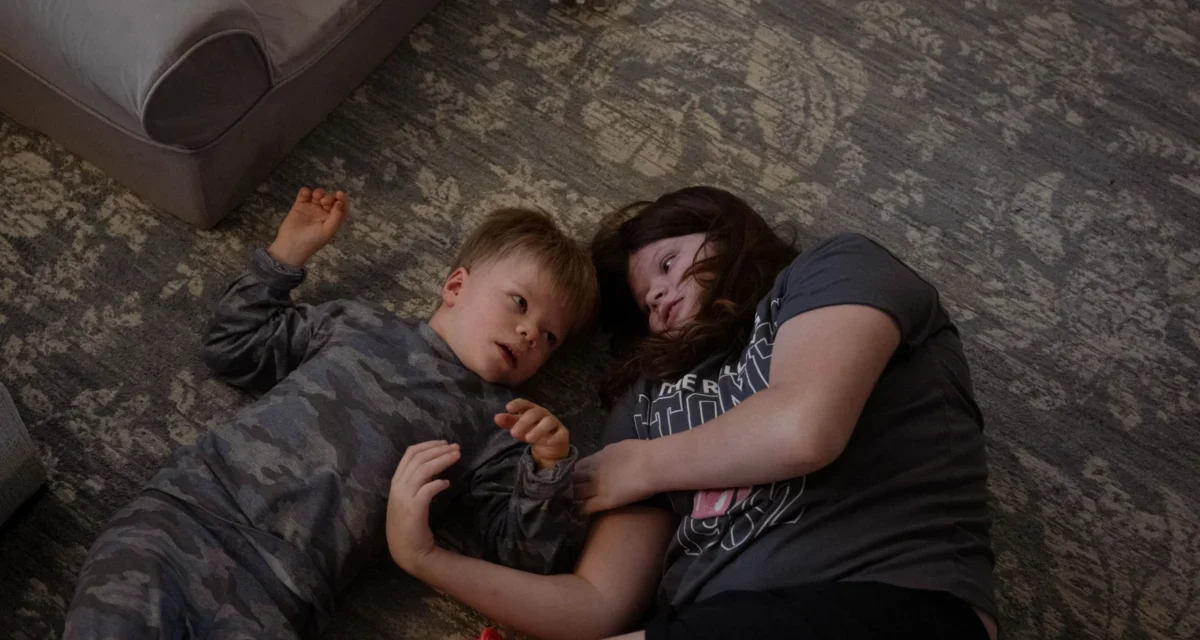
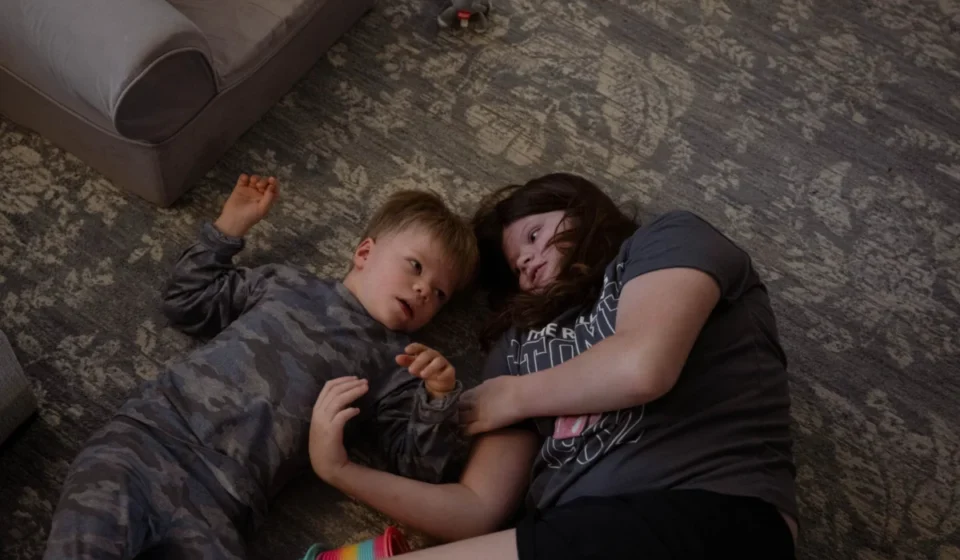
For families like the McGuires in Bloomington, the state’s "Revalidate 2026" initiative has turned a challenging life into an unsustainable one. Caroline and Luke McGuire care for their 6-year-old son, Colin, who has cerebral palsy, and their 12-year-old daughter, Madeline, who deals with complex chromosomal issues.
"It’s always been a far from perfect system, but now they have made it so much worse," Caroline McGuire said. "People with disabilities are paying the price, and it’s so much worse when it’s children."
Colin recently endured a four-month gap in essential physical therapy, a delay his mother attributes directly to the new, cumbersome digital portal managed by Acentra Health, the state’s third-party authorization agent. The requirement to re-prove medical necessity on a monthly basis has transformed a clinical support system into a gauntlet of administrative red tape.

The anxiety is pervasive. Parents report that clinics are quietly closing their doors, unable to bridge the gap between providing services and receiving state reimbursement. As the system groans under the weight of these new integrity controls, the most vulnerable are left in a state of perpetual instability.
A Chronology of the Crisis
The origins of the current turbulence trace back to the implementation of the Affordable Care Act (ACA), which mandated that Medicaid providers undergo revalidation every five years to ensure compliance. However, the situation in Minnesota escalated dramatically under pressure from the federal government.
- Pre-2026: The Trump administration identified Minnesota’s high-risk Medicaid programs as susceptible to fraud, threatening to withhold federal matching funds.
- January 2026: In a reactive maneuver, the Minnesota DHS launched an "off-cycle" revalidation effort targeting 5,600 providers across 13 high-risk service categories. The timeline was grueling: providers were given until the end of May to complete a battery of site visits, fingerprint-based background checks, and extensive data submissions.
- Spring 2026: As the May deadline passed, the scale of the backlog became apparent. Agencies, including behavioral health centers, reported that their revalidations were tied up in errors or administrative bottlenecks.
- Summer 2026: By July, data began to emerge showing that despite the massive disruption, only a negligible fraction of providers—1%—had been referred to the Office of Inspector General for suspected fraud.
- September 2026: State Senate hearings provided a platform for frustrated providers to testify that the "cure" was effectively killing the patient. Agencies reported losing dozens of staff members as they waited for revalidation approvals that were taking months instead of weeks.
Supporting Data and Systemic Failures
The scale of the disruption is evidenced by the sheer numbers currently stuck in the system. As of early September, the DHS confirmed that nearly 1,200 providers remained in the appeals process, while 695 had simply failed to revalidate, effectively dropping out of the system.
The consequences for those providers remaining are equally dire. Paige Berland, co-owner of Minnesota Behavioralist Specialists, described a nightmare scenario where authorization times jumped from one week to two months. Her firm, which serves 55 families, was forced to take out private loans just to keep the lights on while waiting for payment.
"You do what you need to do," Berland said, echoing the sentiment of dozens of business owners who are effectively financing the state’s healthcare obligations out of their own pockets.

Helen Mader of the Coon Rapids-based Behavior Frontiers reported that her company lost 34 employees since May due to the uncertainty. This attrition meant that 24 children were immediately cut off from their autism treatment programs. The DHS, meanwhile, has acknowledged the backlog but has remained notably vague regarding the total number of patients displaced, stating only that they lack an assessment of how many clients have been dropped from service rolls.
The Fraud Paradox: Searching for "Bad Actors"
The irony of the current situation is not lost on experts. A July study from Georgetown University concluded that the massive, state-wide disruption was fundamentally misaligned with the actual prevalence of fraud detected through the process.
While the state has had to navigate genuine cases—such as the recent report of an assisted living director managing Minnesota facilities from a home in Liberia—advocates argue that the "Revalidate 2026" program is a blunt instrument that harms legitimate, small-scale providers while failing to act as a precision tool against sophisticated criminals.
Maren Christensen, executive director of the Multicultural Autism Action Network, offered a scathing critique of the state’s approach. "There is no concern for the people who use the services," she said. "There will be people who do not survive this. And there are many states that have a lot more fraud than Minnesota."
Implications for the Future of Disability Services
The implications of this crisis extend beyond the immediate financial losses of clinics. The state’s decision to freeze the authorization of any new providers until January 2027 acts as a massive bottleneck, preventing new patients from entering the system and leaving gaps in care that may never be filled.

For individuals like Addyson Carpenter, the chair of the Minnesota Council on Disability, the struggle is personal. After surviving a bout of septic shock that left her with organ failure, she found herself in a position where she could not secure the nursing care she desperately needed. Even for an advocate deeply embedded in the system, the hurdles are nearly insurmountable.
"The federal government is doing everything to hurt those with disabilities," Carpenter argued, noting that the pressure on the state to cut costs often results in the erosion of the very services that keep people out of more expensive, taxpayer-funded institutions like emergency rooms and hospitals.
Official Response: Acknowledging the "Difficult Moment"
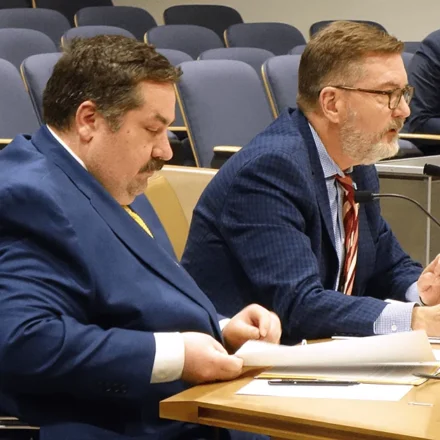
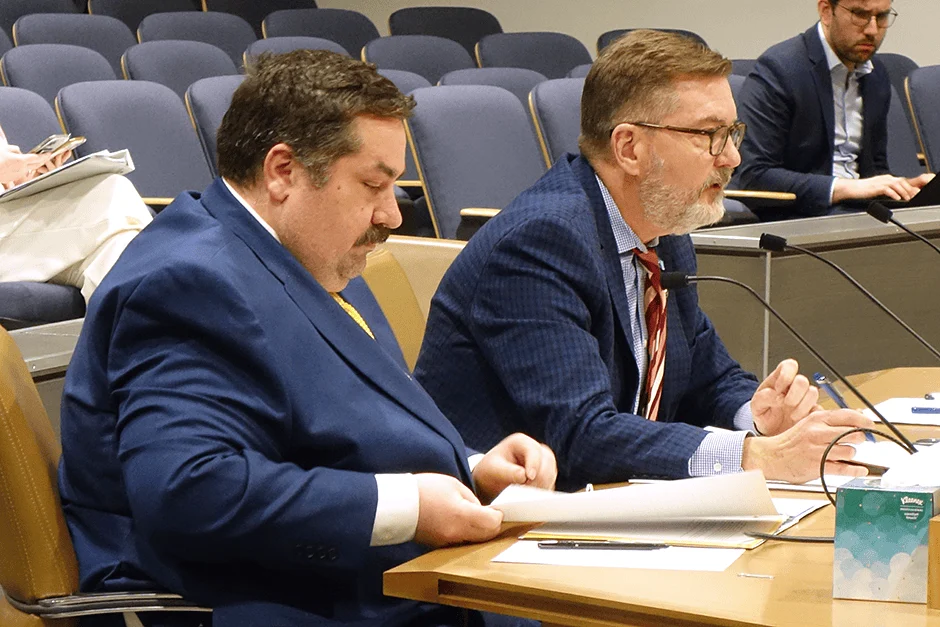
During a heated state Senate Human Services Committee hearing, Minnesota Medicaid director John Connolly offered a formal apology to the providers and patients impacted by the transition.
"DHS is in a very difficult moment, as I know you are," Connolly stated.
However, for the families currently navigating a world without physical therapy, behavioral support, or in-home care, an apology provides little solace. The "difficult moment" for the Department of Human Services has become a multi-year crisis for families who lack the luxury of time.

As the state moves toward 2027, the central question remains: At what point does the cost of "integrity" exceed the value of the care it is meant to protect? For thousands of Minnesotans, the answer is that the tipping point has already been passed. The state’s war on fraud has been won on paper, but the collateral damage—in the form of regressing children, struggling seniors, and shuttered clinics—continues to mount, leaving a state once praised for its social services grappling with a reputation for systemic failure.