






















































From the Squared Circle to Corporate Boardrooms: The Multi-Million-Dollar Wealth Landscape of WWE Talent in 2026

Main Facts: The Multi-Million-Dollar Wealth Landscape of WWE Talent in 2026
Professional wrestling has evolved from a regional touring attraction into a multi-billion-dollar global entertainment industry. In 2026, the financial metrics surrounding top-tier performers reflect an unprecedented convergence of television rights fees, digital media monetization, global merchandising, and mainstream Hollywood crossover.
While taking physical risks inside the ring remains the baseline of a professional wrestler’s career, the most lucrative fortunes in the industry are now generated beyond the mat. Former and active WWE superstars have leveraged global name recognition to build vast personal wealth through spirits brands, production companies, digital platforms, and corporate executive positions.
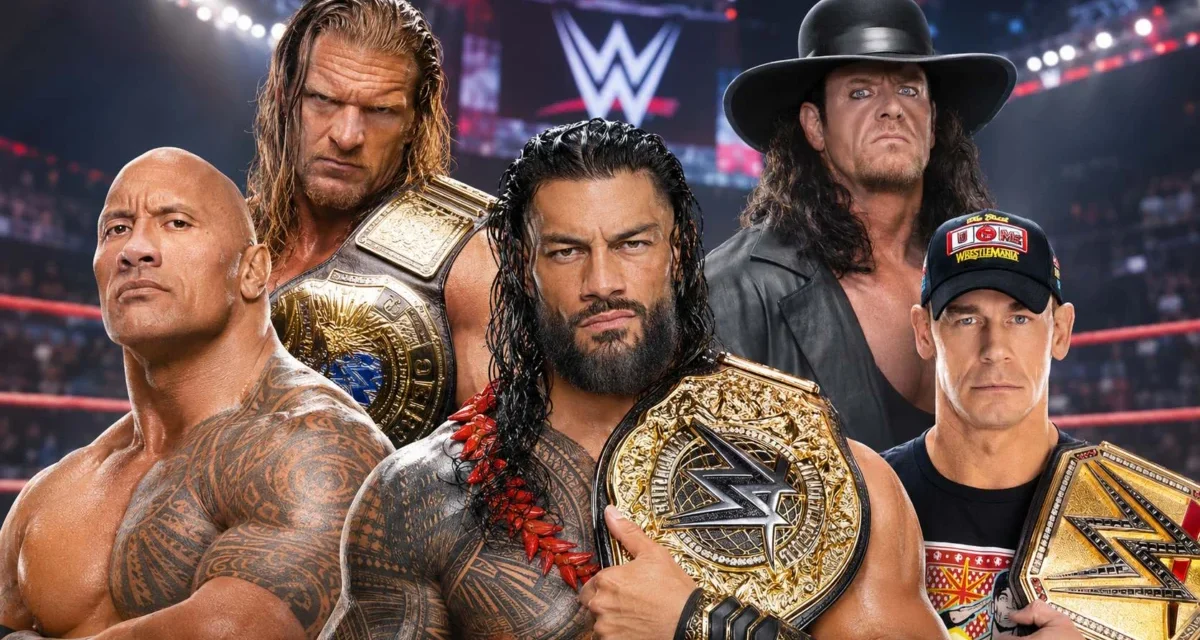
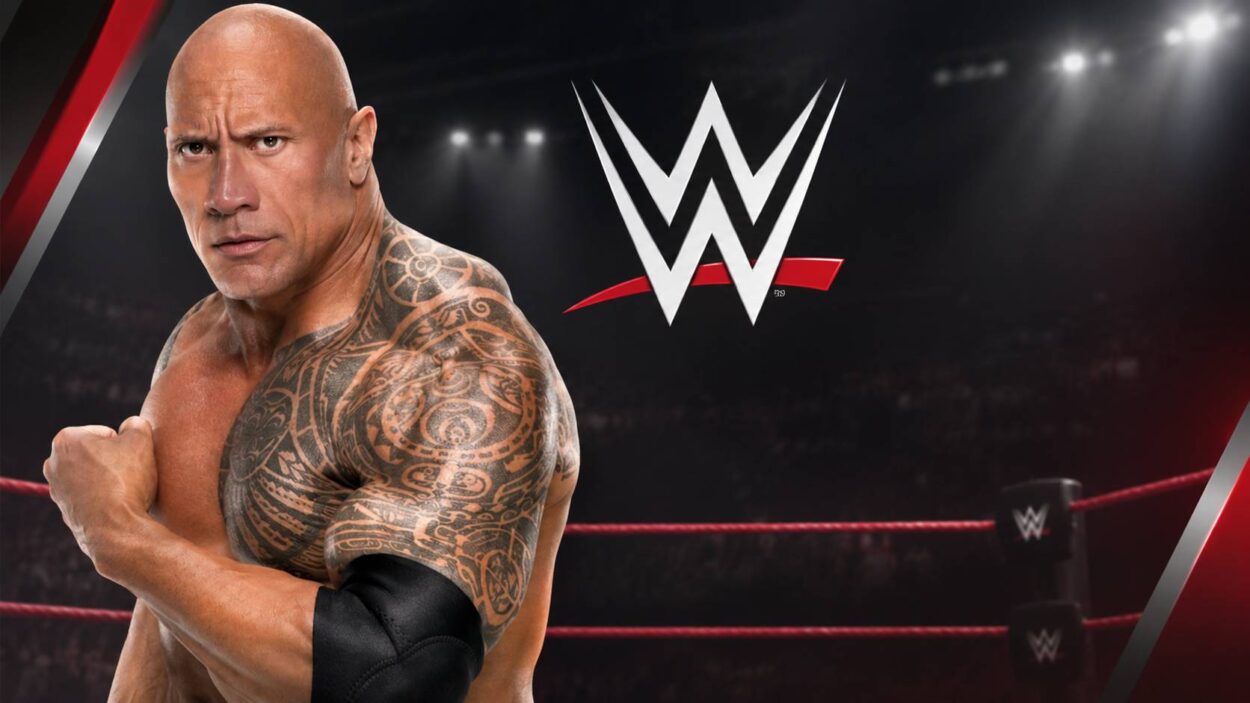
At the summit of this financial landscape sits Dwayne “The Rock” Johnson, whose estimated net worth of $800 million makes him the wealthiest performer in professional wrestling history. Johnson’s financial profile is supported not only by his decades as a top-earning Hollywood actor, but significantly by his equity stake in Teremana Tequila and his media venture, Seven Bucks Productions.

Following Johnson are figures who demonstrate the diverse pathways to modern wrestling wealth:
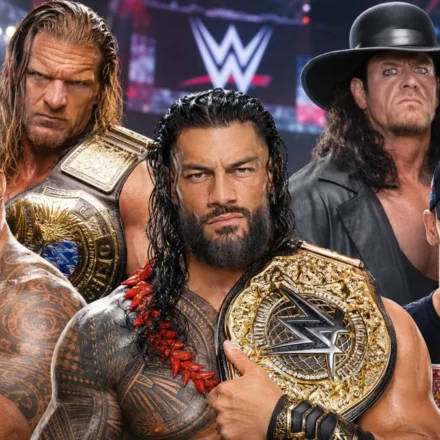
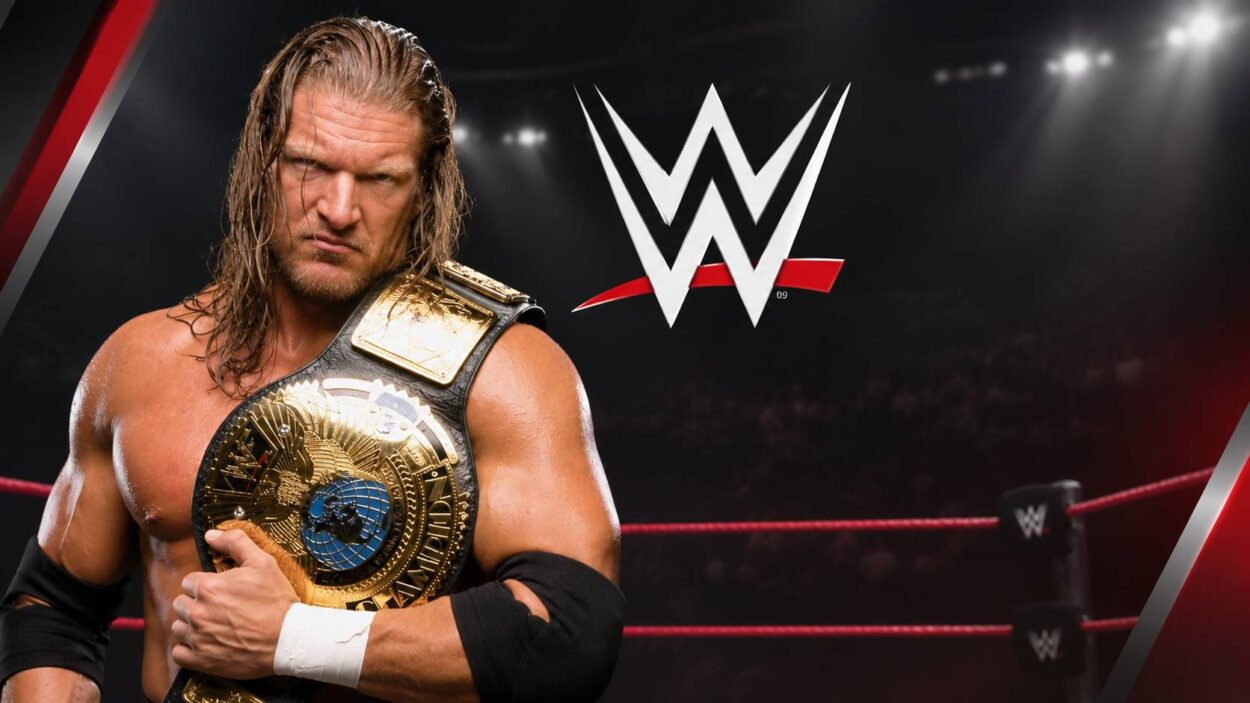
- Paul "Triple H" Levesque, whose combined household wealth with Stephanie McMahon is estimated at $400 million, largely driven by corporate governance, executive equity, and legacy wrestling revenues.
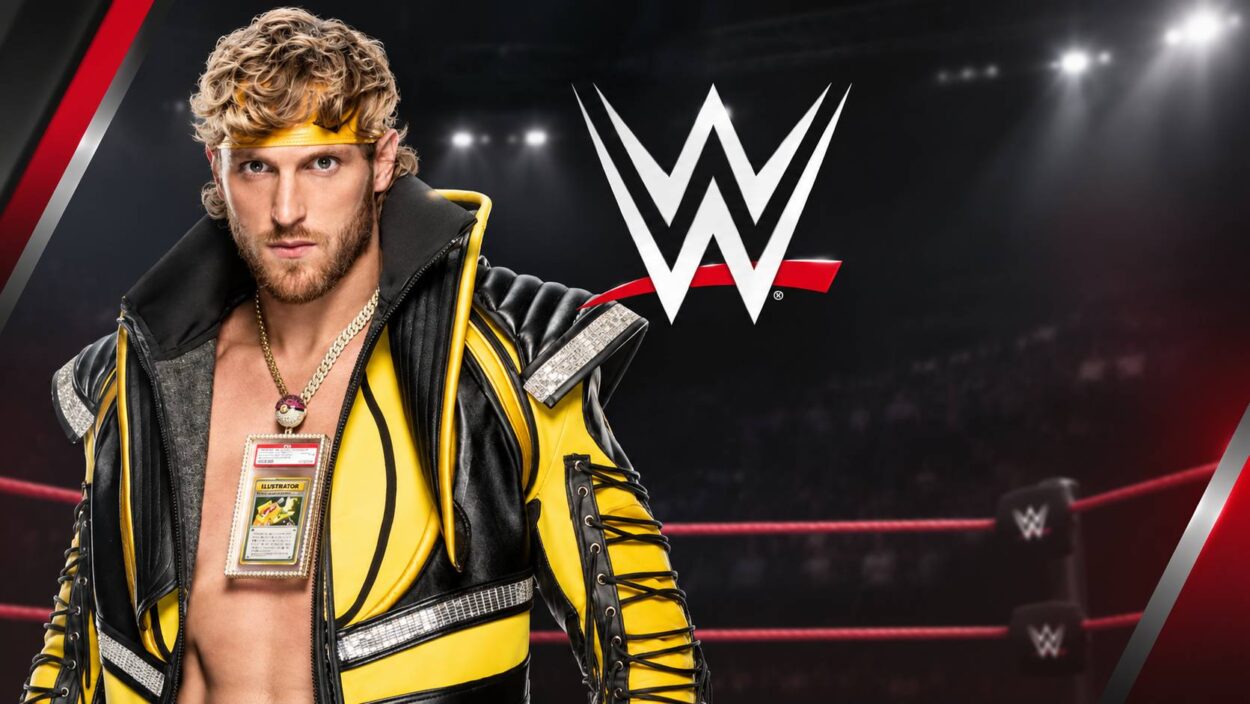
- Logan Paul, with an estimated net worth of $150 million, who entered WWE already commanding a digital empire anchored by Prime Hydration.
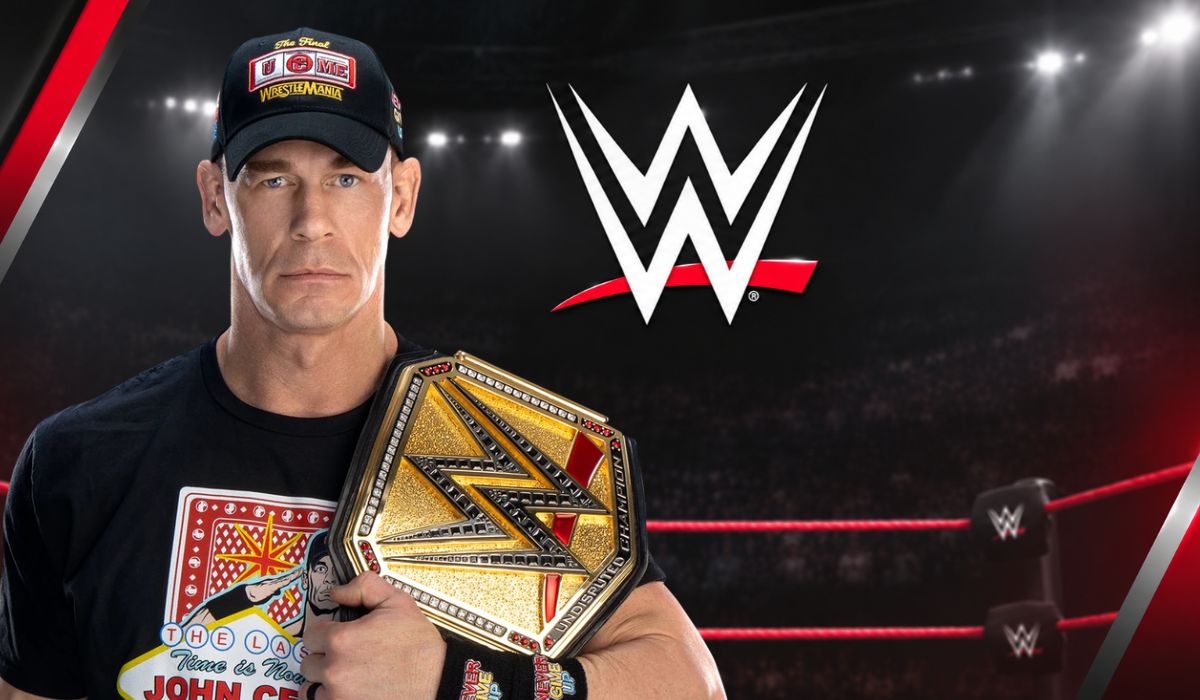
- John Cena, standing at $80 million, following a decorated in-ring career that transitioned into a steady film and television portfolio.
The baseline earnings for active full-time WWE performers have risen sharply in recent years, but the top tier of net worth rankings remains dominated by those who successfully converted professional wrestling fame into broader business enterprise.
Historical Chronology: From Mat Paychecks to Global Corporate Empires
WRESTLING WEALTH EVOLUTION CHRONOLOGY
========================================================================================
1970s–1980s: Territorial Era
└── Cash pay-envelope system; income tied strictly to local gate receipts.

Late 1980s–1990s: National Expansion & Licensing
└── Vince McMahon’s national expansion introducing national TV contracts and toys.

Late 1990s–2000s: The Attitude Era & Cable TV Boom
└── PPV cut incentives, explosive video game and merchandise royalties (Austin, Rock).

2010s–Present: Hollywood Crossover & Digital Equity
└── Streaming rights, executive equity, global spirits, and digital startups (TKO Era).
========================================================================================
The Territorial and Early National Expansion Era
Prior to the late 1980s, professional wrestlers operated almost exclusively as independent contractors within a fragmented territory system. Earnings were closely tied to weekly gate receipts, paid in cash pay-envelopes, with minimal long-term financial security or secondary revenue streams. Talent rarely built fortunes that outlasted their physical ability to compete.
The national expansion of the World Wrestling Federation (WWF) under Vince McMahon Jr. in the 1980s restructured this economic model. National television syndication, pay-per-view (PPV) events, and mass merchandise licensing created the first generation of wrestling millionaires, anchored by stars like Hulk Hogan and Randy Savage. However, wrestler income remained overwhelmingly dependent on active ring work, downside guarantees, and live-event attendance.
The Attitude Era and the Pay-Per-View Boom
The late 1990s marked a major financial shift during the "Attitude Era." A ratings war between WWE and World Championship Wrestling (WCW) drove wrestler compensation to historic heights. Performers began negotiating guaranteed contracts alongside lucrative cuts of video game royalties, action figure sales, and PPV buy rates.
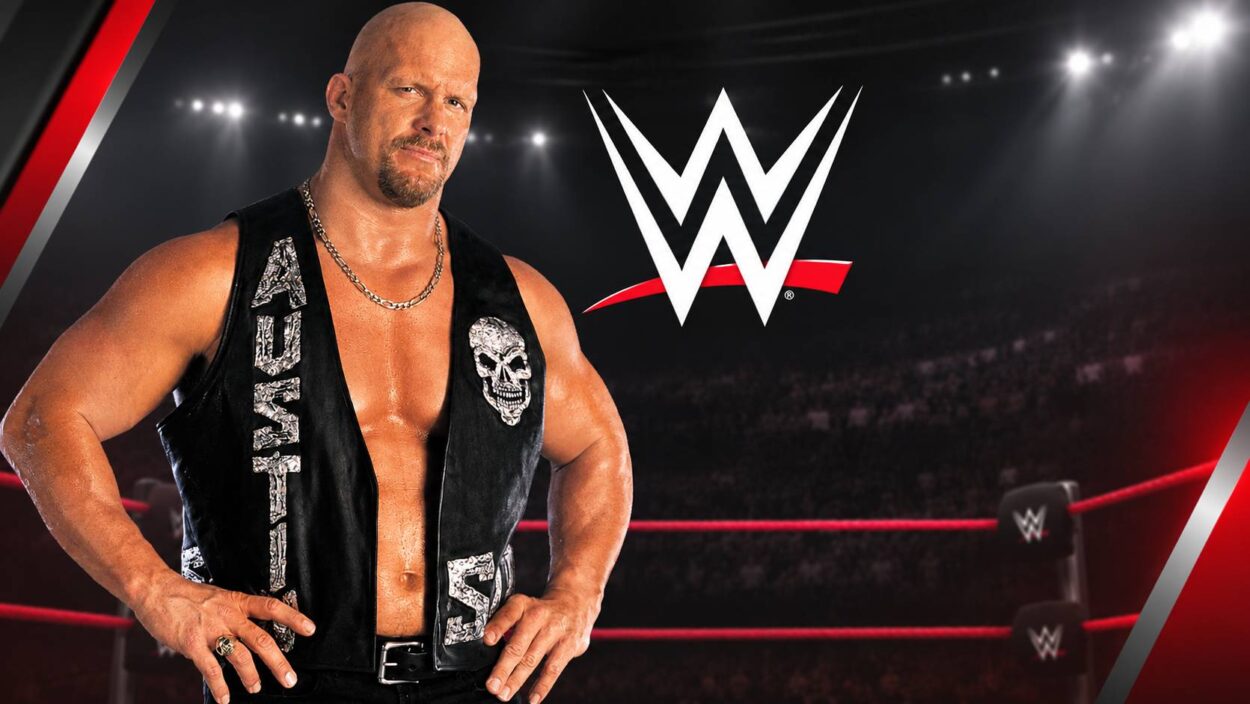
During this period, "Stone Cold" Steve Austin and Dwayne Johnson broke industry merchandise records. Austin’s iconic apparel generated tens of millions of dollars in retail revenue, demonstrating that a wrestler’s personal brand could generate revenue independent of match performance.
The Modern Crossover and Private Equity Horizon
By the mid-2000s, top talent began using WWE as a spring-board into mainstream media. The Rock’s transition to Hollywood established a blue-print for multi-industry brand monetization. Over the subsequent two decades, performers such as Dave Bautista and John Cena followed suit, securing lead roles in major film franchises that eclipsed traditional wrestling compensation packages.
Concurrently, the modern digital economy allowed figures like Logan Paul to enter WWE with pre-existing, vertically integrated business ventures. The integration of WWE into TKO Group Holdings alongside the UFC introduced advanced corporate governance and equity-based compensation for key talent and executives, establishing professional wrestling as a modern asset-class ecosystem.
Supporting Data and Financial Breakdown: 2026 Net Worth Rankings
The following financial figures are compiled from publicly reported valuations, corporate regulatory filings, financial industry tracking, and public asset valuations as of 2026. These metrics measure combined individual earnings, equity holdings, real estate portfolios, and secondary corporate ventures.
Detailed Financial Rankings Table
| Rank | Wrestler / Executive | Estimated Net Worth | Primary Income Sources & Business Assets | Career Status |
|---|---|---|---|---|
| 1 | Dwayne "The Rock" Johnson | $800 Million | Teremana Tequila equity, Seven Bucks Productions, Hollywood box-office back-end, TKO Board of Directors | Semi-retired / Executive |
| 2 | Paul "Triple H" Levesque | $400 Million (Household) | WWE/TKO Executive equity, corporate salary, legacy PPV/merchandise, combined household assets with Stephanie McMahon | Retired / Chief Content Officer |
| 3 | Logan Paul | $150 Million | Prime Hydration equity (reported ~20%), YouTube monetization, combat sports, WWE contract | Active WWE Competitor |
| 4 | John Cena | $80 Million | Hollywood film/TV revenue, corporate endorsements, legacy WWE merchandise | Retired (Dec 2025 in-ring retirement) |
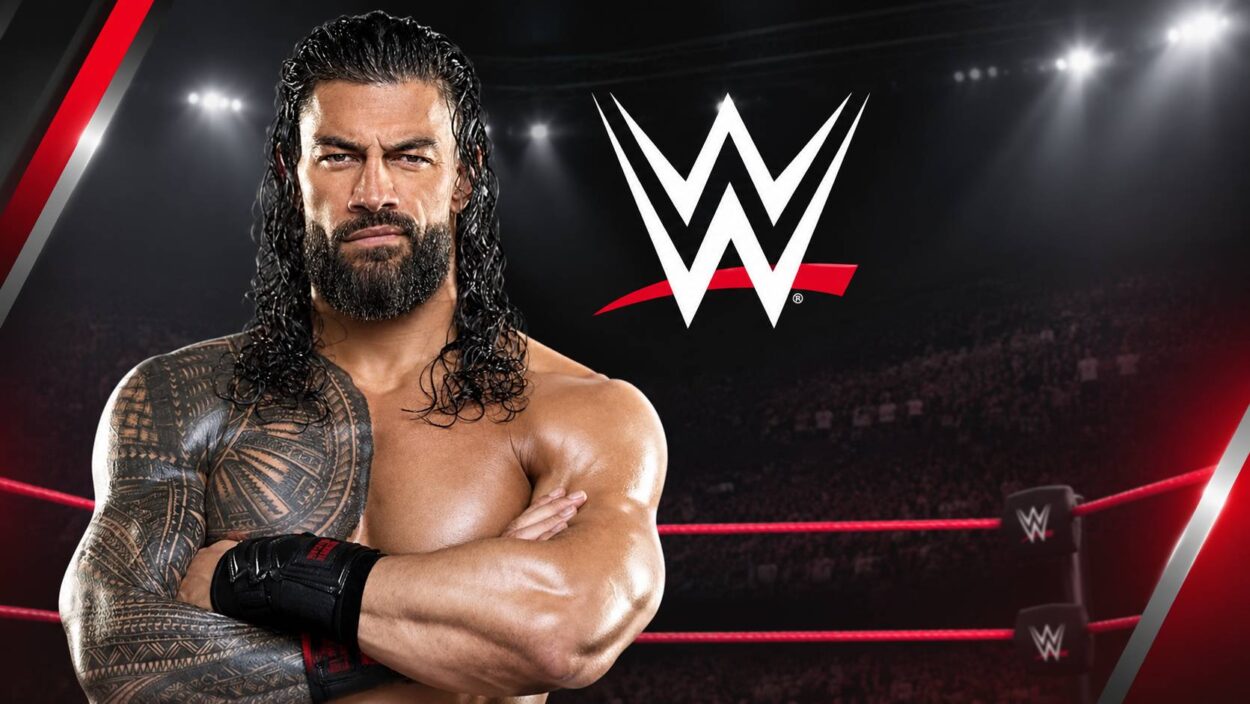
| 5 | Roman Reigns | $35 Million | Multi-year WWE base contract, top-tier merchandise revenue, premium live event bonuses | Active WWE Competitor |
| 6 | "Stone Cold" Steve Austin | $30 Million | Broken Skull brand, podcasting/TV hosting, legacy WWE licensing rights | Retired |
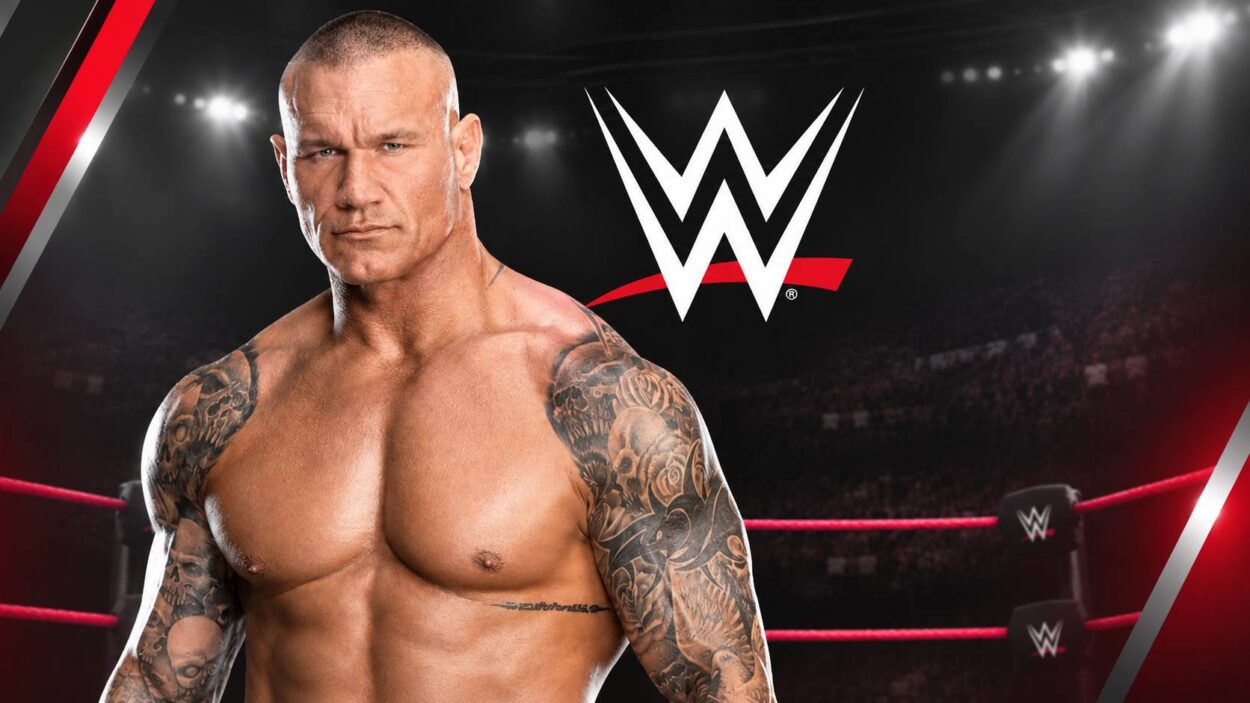
| 7 | Randy Orton | $25 Million | Senior WWE contract, legacy royalties, 20+ years of continuous roster bonuses | Active WWE Competitor |
| 8 | Stacy Keibler | $25 Million | Modeling, mainstream TV appearances (Dancing with the Stars), real estate, commercial endorsements | Retired / WWE Hall of Fame |
| 9 | Cody Rhodes | $20 Million | Senior WWE main-event contract, top-selling merchandise, historical AEW executive equity/payouts | Active WWE Competitor |
| 10 | Chris Jericho | $18 Million | AEW talent contract, Fozzy touring/catalog rights, literary publications, podcast revenue | Active Competitor (AEW) |
| 11 | The Undertaker (Mark Calaway) | $17 Million | WWE Legends contract, media/speaking tours, licensing rights, podcasting | Retired / WWE Hall of Fame |
| 12 | Dave Bautista | $16 Million | Hollywood feature films (Guardians of the Galaxy, Dune), voice acting, real estate holdings | Retired |
Note: Former WWE Chairman Vince McMahon maintains an estimated net worth of $3.2 billion. He is excluded from wrestler rankings due to his primary status as promoter, majority shareholder, and corporate executive.
NET WORTH COMPARISON (IN MILLIONS USD)
========================================================================================
Dwayne Johnson   | ############################################################ $800M
Triple H (HH*)   | ############################## $400M
Logan Paul       | ########### $150M
John Cena        | ###### $80M
Roman Reigns     | ## $35M
Steve Austin     | ## $30M
Randy Orton      | # $25M
Stacy Keibler    | # $25M
Cody Rhodes      | # $20M
Chris Jericho    | # $18M
The Undertaker   | # $17M
Dave Bautista    | # $16M
========================================================================================
*Triple H figure represents combined household wealth with Stephanie McMahon.
Analysis of Top Revenue Vectors
1. Spirits and Media Production (Dwayne Johnson)
Dwayne Johnson’s valuation of $800 million illustrates the power of high-margin consumer packaged goods. While his acting roles command upfront fees exceeding $20 million per project plus box-office back-end participation, his stake in Teremana Tequila remains his largest financial asset. The brand’s rapid growth since its launch catapulted Johnson into a category of business owners rarely achieved by former professional athletes.
2. Corporate Governance and Executive Equity (Triple H)
Paul Levesque’s $400 million household valuation reflects his transition from in-ring performer to corporate executive. Serving as WWE’s Chief Content Officer, Levesque receives executive base compensation, performance bonuses, and equity compensation tied to TKO Group Holdings performance. His financial position is closely integrated with spouse Stephanie McMahon, benefiting from decades of McMahon family equity holdings in WWE.
3. Digital Brand Equity and Modern Beverage Distribution (Logan Paul)
Logan Paul’s $150 million net worth represents a modern wealth generation model. Rather than relying on WWE as his primary revenue engine, Paul leveraged his digital audience to co-found Prime Hydration with digital creator KSI. The beverage company secured high-profile global sponsorships—including official partnership status with WWE—creating a synergistic loop where Paul’s wrestling appearances serve as marketing campaigns for his private business interests.
Industry Perspectives and Official Financial Disclosures
Disclosure Mechanics and TKO Governance
Following the merger of WWE and UFC under TKO Group Holdings (NYSE: TKO), executive compensation and corporate structure have become subject to public reporting standards managed by the U.S. Securities and Exchange Commission (SEC).
While individual wrestler contracts remain undisclosed due to private independent contractor agreements, executive filings provide window transparency into senior leadership earnings. SEC filings confirm that top creative leadership, including Paul Levesque, receives stock options and performance-based equity alongside standard contract salaries.
According to public industry metrics published by financial tracking outlets like Celebrity Net Worth, valuations for performers rely on verified public real estate transactions, business equity valuations, court filings, and historical royalty schedules.
                  REVENUE STREAM FLOW ARCHITECTURE

     +-------------------------------------------------------+
     |                WWE / TKO CONTRACT BIND                |
     +-------------------------------------------------------+
                                 |
        +------------------------+------------------------+
        |                                                 |
        v                                                 v
+-------------------------------+             +-------------------------------+
|     IN-RING BASE SALARY       |             |     MERCHANDISE & ROYALTIES   |
|  - Guaranteed Downside        |             |  - Licensing Agreements       |
|  - PLE Performance Bonuses    |             |  - Video Game/Action Figures  |
+-------------------------------+             +-------------------------------+
                                 |
                                 v
     +-------------------------------------------------------+
     |              EXTERNAL CAPITAL APPRECIATION            |
     +-------------------------------------------------------+
        |                        |                        |
        v                        v                        v
+---------------+        +---------------+        +---------------+
|  HOLLYWOOD    |        | ENTERPRISE    |        | DIGITAL MEDIA |
|  PRODUCTIONS  |        | EQUITY STAKES |        | PLATFORMS     |
| (Cena, Rock)  |        | (Teremana,    |        | (Logan Paul)  |
|               |        |  Prime)       |        |               |
+---------------+        +---------------+        +---------------+
Talent Statements on Wealth Generation
Public commentary from top industry figures emphasizes the shift toward long-term brand equity:
-
Dwayne Johnson addressed his evolving business strategy during corporate appearances following his appointment to the TKO Board of Directors in 2024:
"My business model has always been about building legacy and brand equity. Wrestling gave me the platform, but business ownership and direct connection with the audience create long-term stability."
-
Paul "Triple H" Levesque highlighted the structural shift in corporate talent development during media conferences:
"The goal for today’s talent isn’t just surviving a career in the ring. It’s about building a multi-platform brand that operates across digital media, global entertainment, and long-term corporate partnerships."
Broader Implications for the Sports Entertainment Industry
The Paradigm Shift in Wrestler Career Trajectories
The financial data of 2026 demonstrates a fundamental change in how professional wrestlers manage their careers. Historically, athletes viewed wrestling as a long-term trade that often ended when their physical health declined. Today, top performers treat WWE as a springboard for multi-industry brand expansion.
This structural shift has altered talent contract negotiations. Current main-event performers routinely negotiate for non-wrestling project clearances, digital rights ownership, personal sponsorship integration, and reduced touring schedules to preserve physical longevity while developing secondary revenue streams.
HISTORICAL VS. MODERN TALENT FINANCIAL PROFILE
----------------------------------------------------------------------------------------
FACTOR                HISTORICAL MODEL (1980s-1990s)     MODERN MODEL (2026)
----------------------------------------------------------------------------------------
Primary Income        Live Event Gate / Downside         Multi-Platform / Base + Merch
Revenue Control       Controlled exclusively by WWE      Diversified (Spirits, Media, Tech)
Career Endpoint       Physical Retirement                Corporate Governance / Media
Equity Participation  Rare / Non-Existent                Common (Stock, Private Equity)
Digital Monetization  None                               Direct Consumer Platform Ownership
----------------------------------------------------------------------------------------
Corporate Ownership and Long-Term Asset Retention
The merger of WWE into TKO Group Holdings has permanently altered the business landscape. As media rights fees scale and global distribution deals mature, wrestler compensation models increasingly mirror those of major professional sports leagues.

Furthermore, the success of figures like Dwayne Johnson, Triple H, and Logan Paul proves that the highest tier of wealth in professional wrestling belongs to those who control equity. Whether through private spirit brands, beverage manufacturing, production rights, or executive stock options, the modern wrestling enterprise rewards strategic asset accumulation over in-ring longevity alone.
As the industry advances further into the digital and private equity space, the gap between traditional wrestling salaries and broader enterprise wealth will continue to widen. For the elite tier of performers, the squared circle remains the beginning of the financial journey—not the destination.