























































Minneapolis Schools at a Crossroads: The High-Stakes Debate Over Massive District Restructuring

The future of public education in Minneapolis stands at a precarious juncture. This week, Minneapolis Public Schools (MPS) Superintendent Lisa Sayles-Adams unveiled a sweeping, aggressive strategy to stabilize the district’s finances and operational footprint—a plan that could result in the closure of up to 16 schools and fundamentally alter the academic landscape for thousands of children.
The proposal, which comes after years of grappling with declining enrollment and a persistent $40 million budget deficit, has ignited a firestorm of controversy. As the school board prepares for a pivotal vote on November 10, parents, educators, and union leaders are pushing back, arguing that the district is prioritizing administrative efficiency over the emotional and social fabric of neighborhood communities.
The Core of the Proposal: A New K-12 Landscape
The three distinct plans introduced by Superintendent Sayles-Adams on Tuesday night are designed to address a stark reality: the district currently serves approximately 30,000 students while maintaining infrastructure capacity for 43,000. Under the current funding model, where schools receive resources based on per-pupil enrollment, this "excess" space has led to a proliferation of under-enrolled buildings. These facilities struggle to maintain the staffing levels necessary to offer robust electives, extracurriculars, and specialized support services.
The proposed "transformation" aims to consolidate these resources. By redrawing attendance boundaries and shifting K-12 pathways, the district hopes to ensure that at least 70% of MPS students attend schools that are fully staffed and equipped with complete academic programming.
However, the human cost of this mathematical exercise is high. The proposals would impact up to 14% of the district’s enrolled student population. If approved, the implementation would take effect in the fall of 2027, leaving families in a state of high-stakes limbo for the next two years.
Chronology: A Multi-Year Descent into Crisis
The current crisis did not emerge overnight; it is the culmination of long-term demographic shifts and strategic pivots that have defined the district for the better part of a decade.
- 2020: The Comprehensive District Design (CDD): The district’s last major attempt at systemic reform, the CDD, sought to reorganize boundary lines and magnet school access. While intended to create equity, the years following its implementation saw a significant exodus of students from the district—a trend that critics argue serves as a cautionary tale for the current administration.
- 2023: Initial Discussions: As budget deficits began to loom larger and enrollment continued its downward trajectory, the board began formalizing discussions regarding "restructuring"—the term increasingly used to describe the painful process of school closures.
- Fall 2025: The board passed a formal resolution tasking Superintendent Sayles-Adams with gathering data and formulating potential paths forward.
- Spring/Summer 2026: The Superintendent and her team spent the summer months drafting the three options presented to the board this week, navigating the tension between administrative necessity and public sentiment.
- September 30 – October 9, 2026: The district has scheduled a series of community engagement meetings, a window of time that critics describe as insufficient for the magnitude of the decisions at hand.
- November 10, 2026: The scheduled date for the school board vote that will decide the fate of these proposals.
Supporting Data: The Math Behind the Closures
The district’s argument for consolidation rests on the relationship between physical space and educational quality. According to data provided by the superintendent’s office, more than half of the district’s 56 schools are operating at levels that prevent the delivery of consistent programming.
When a school is under-enrolled, the fixed costs of maintaining the building remain, but the per-pupil funding allocated to that school shrinks. This creates a "funding desert" where schools cannot afford to hire the diverse staff needed to provide a well-rounded education. By closing up to 16 schools, the district argues it can concentrate its limited funds on fewer buildings, thereby creating "full" schools with stable staffing, healthy class sizes, and, ostensibly, better academic outcomes.
However, the presentation was notably silent on the precise financial impact. While the district maintains that the move is essential for long-term sustainability, it has yet to release a concrete figure on the projected savings. Furthermore, officials have admitted that potential layoffs will be contingent upon the spring budget process and the enrollment choices families make once the dust settles.
Official Responses: A Growing Divide
The reaction from the community has been swift and largely critical. The Minneapolis Federation of Teachers (MFT) has characterized the district’s timeline as "unacceptable," demanding an immediate pause on all transformation efforts.
MFT President Marsha Howard has been particularly vocal, pointing out the irony of closing schools like Kenny Elementary, which recently received an award of excellence, and Bethune Arts Elementary, which currently maintains a waiting list. "If you are operating under a premise that is outdated by the time you present it to the public," Howard noted, "what that shows is that you’re not reading the room."
Inside the board chambers, the skepticism is shared by some leadership. Board member Greta Callahan highlighted the historical precedent of student flight, noting that when a neighborhood school is closed, families rarely transfer to another school within the district. "History tells us otherwise," Callahan warned. "Families who lose their neighborhood school do not reliably stay."
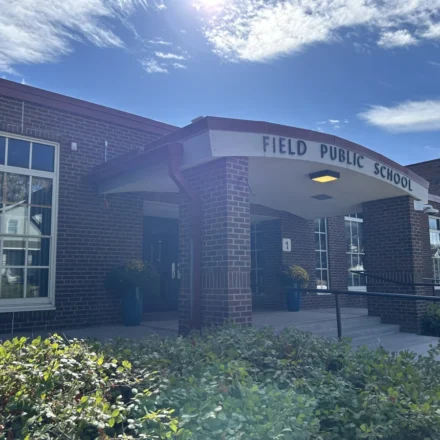
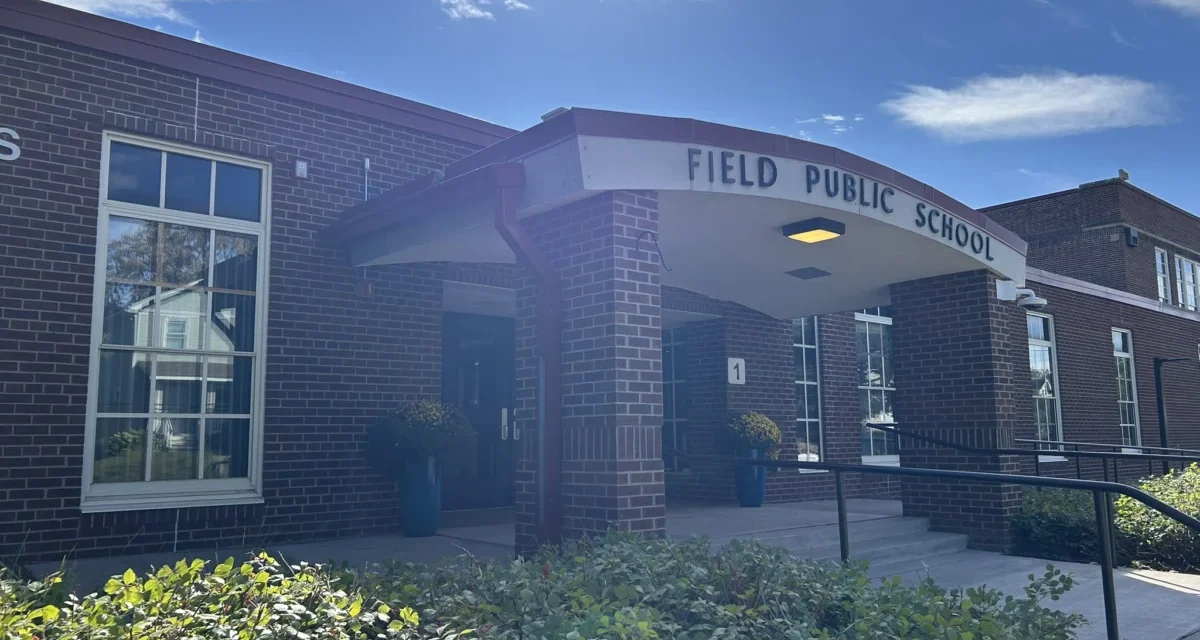
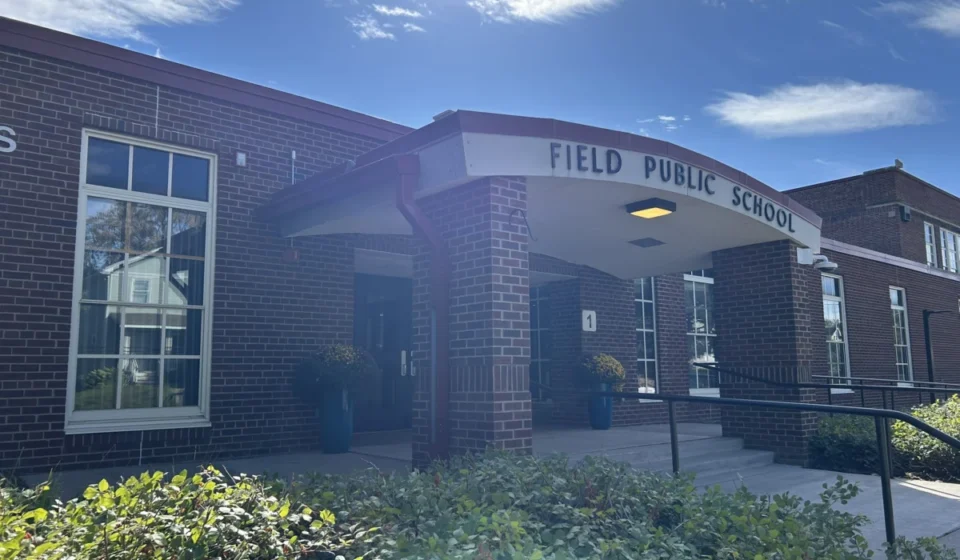
Parents, meanwhile, are expressing a mix of exhaustion and heartbreak. Susan Dreiling, a parent at Field Elementary—a school slated for closure under all three plans—captured the sentiment of many at Tuesday’s meeting. She emphasized that while "hard plans can be the right plans," the district has failed to build the necessary trust with families to carry them out.
The Human Element: Beyond the Spreadsheet
The debate highlights a fundamental clash between two visions of public education: one that views the district as an operational system that must be optimized, and one that views the school as the beating heart of a community.
For parents like Dreiling, the school is more than a building; it is a nexus of relationships. "It’s parents that know each other by name," she said, reflecting on the community bonds strengthened during the recent Operation Metro Surge. "It’s the little conversations. It’s sipping on our coffees as we walk there, waving to those at drop-off. It’s beautiful to show my child and her peers what the power of a strong school is."
There is a deep-seated fear that by dismantling these local hubs, the district will further accelerate the loss of the very families it needs to retain. The uncertainty alone is already taking a toll on staff. Teachers are left to balance the high-pressure, daily demands of the classroom with the existential anxiety of wondering if their school will exist in two years.
Implications: A Future in Flux
The implications of the November 10 vote extend far beyond the walls of the schools slated for closure. If the board moves forward, it will set in motion a profound demographic shift within the city. If the district experiences a repeat of the post-2020 exodus, the financial crisis may not be solved, but rather compounded by a further decline in enrollment-based revenue.
Conversely, if the board opts to delay, it faces the risk of continuing to dilute its resources across an unsustainable number of buildings, potentially leading to a slow, painful degradation of services across the entire district.
As the district enters its series of community meetings, the Superintendent and the school board find themselves in a precarious position. They must balance the cold, hard reality of a $40 million deficit against the passionate, human-centric pleas of parents who believe that the district’s path to growth lies in investment and engagement, not in the shuttering of doors.
Whether this "transformation" will prove to be a necessary surgery to save the district or an irreversible error that permanently severs the ties between Minneapolis families and their public schools remains the defining question of the academic year. For now, the city waits, watching to see if leadership will listen to the voices of those who know these schools best, or if the spreadsheets will have the final say.