













Resilience in the North: How the Timberwolves are Redefining Identity Without Anthony Edwards

The Minnesota Timberwolves find themselves at a critical crossroads. Just four games into the 2026-27 NBA season, the franchise was dealt a significant blow: star guard Anthony Edwards, the engine of the team’s offensive output, was sidelined for up to two months following knee surgery. For most teams, losing a foundational superstar would signal a period of stagnation. Instead, Minnesota has responded with a collective recalibration, leaning on a deep, versatile roster to maintain their competitive edge.
At the heart of this transition is an emerging, electrifying phenomenon dubbed “The Dosunmu Dash.” As the Timberwolves look to weather the storm of Edwards’ absence, the team has not only survived—they have thrived, evidenced by a gritty, impressive upset victory over the first-place Houston Rockets this past Wednesday.
The “Dosunmu Dash”: A Symphony of Pace and Precision
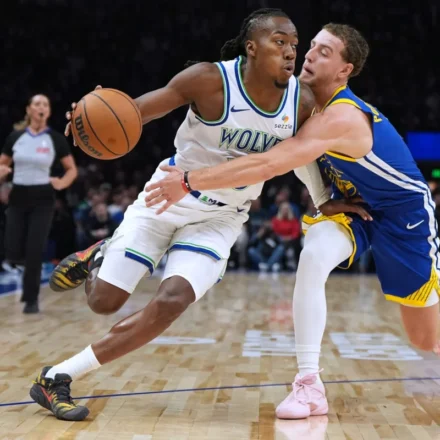
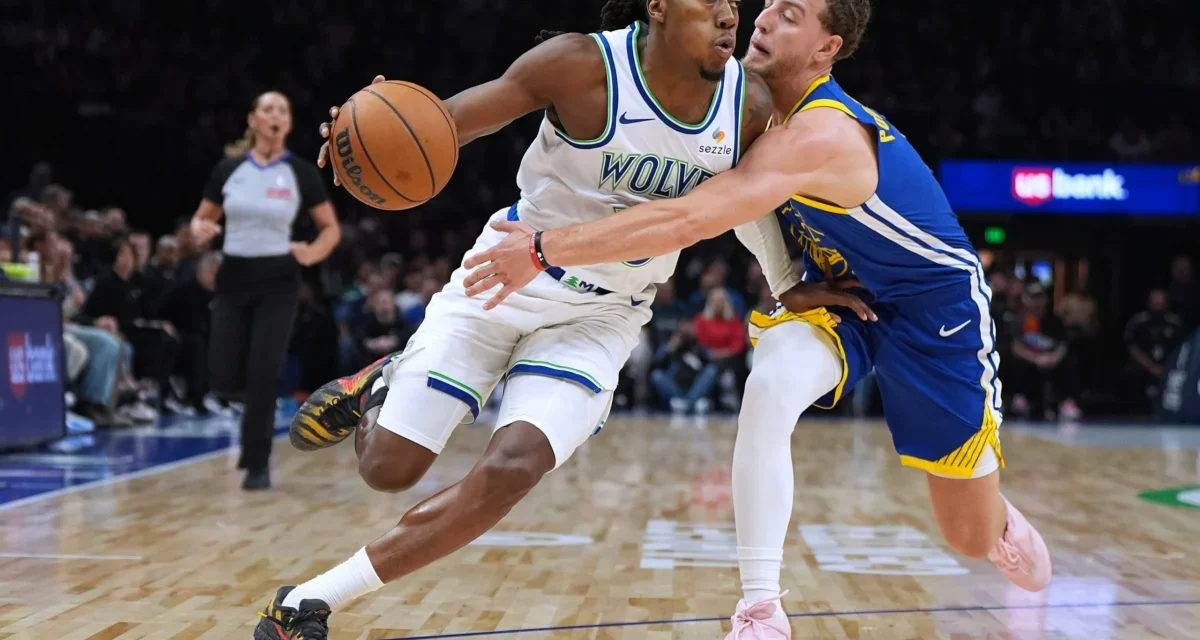
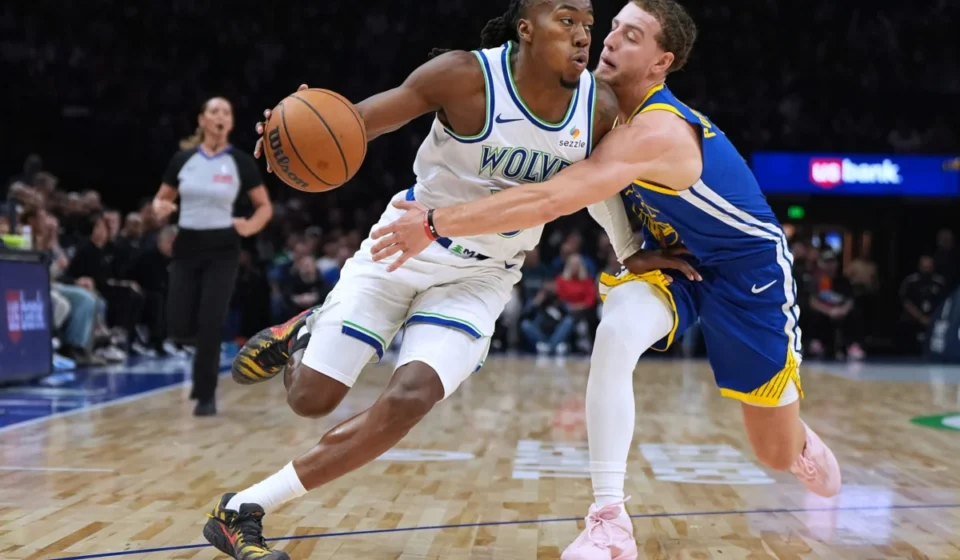
The most visible manifestation of the Timberwolves’ new identity is Ayo Dosunmu. His transition play has become a masterclass in controlled chaos. The “Dosunmu Dash” typically ignites when Dosunmu forces a turnover or snatches a loose ball, transforming into a one-man fast break that functions with the clinical lethality of a crossbow bolt.
When asked about his uncanny ability to pair breakneck speed with the delicate finesse required for high-pressure layups, Dosunmu remains humble, attributing his natural finishing ability to divine providence. However, beneath that grace lies the reality of repetitive, grueling work. His performance against Houston showcased a player who has evolved far beyond raw speed. He operated with the improvisational rhythm of a jazz musician, utilizing a disciplined bag of tricks—stutter-step pivots, ambidextrous crossovers, and creative body contortions—to dismantle a top-10 defensive unit.
Dosunmu’s impact is statistically profound. In his last three games, he has led the Wolves in both fast-break points and points in the paint. Against the Rockets, he accounted for 12 of the team’s 24 points in the paint, finishing the night with 20 points and a level of consistency that has made him the team’s most indispensable player during this five-game stretch.

Chronology of a Resurgent Stretch
Since the announcement of Anthony Edwards’ surgery, the Timberwolves have faced a rigorous test of their depth. Coach Chris Finch, who had previously challenged Dosunmu to find an “extra gear,” saw his faith rewarded immediately. With LaMelo Ball managing minutes due to coaching constraints and TJ Shannon nursing a sore hip, the stage was set for a new primary contributor.
The Houston Crucible (Wednesday Night):
The game against the Rockets served as the ultimate litmus test for this new-look roster. The contest was a tug-of-war, with the Rockets utilizing small-ball lineups to target LaMelo Ball on the defensive end.
The game’s momentum shifted in waves. In the middle quarters, as Ball struggled with turnovers and scoreless stretches, Dosunmu seized the baton, shooting 7-for-12 and facilitating the offense with poise. By the fourth quarter, however, the workload began to tax Dosunmu, who missed his final five shots. This allowed the "Unicorn"—LaMelo Ball—to re-emerge in the closing minutes.
Trailing 92-91 with under nine minutes remaining, the Timberwolves were in the penalty. Ball ignited a 12-point, one-assist flurry in just four minutes, hitting back-to-back 26-footers and threading the needle to teammates. A late-game surge from Jonathan Kuminga—who scored eight points in the final 2:37—sealed the victory, underscoring the team’s "next-man-up" mentality.
Supporting Data: By the Numbers
The metrics suggest that this success is not merely a fluke but a result of a sustainable, versatile system.

- Paint Dominance: Over the past five games, Ayo Dosunmu ranks 10th in the NBA for points in the paint and third among all non-big men.
- Transition Efficiency: The Timberwolves currently rank third in the league in points scored off turnovers, a direct result of the high-tempo play pushed by Dosunmu and Jaden McDaniels.
- Defensive Synergy: The partnership between veteran Trey Lyles and rookie Joan Beringer has been a revelation. In the 82 minutes they have shared the court, the Wolves have allowed a stifling 100 points per 100 possessions, compared to 111 when Beringer plays without Lyles.
- The Kuminga Factor: Jonathan Kuminga has been the season’s surprise. Beyond his defensive grit, he has become a reliable corner-three shooter, hitting at a clip that forces defenses to respect his space, further opening the floor for Ball and Dosunmu.
Official Perspectives: The Philosophy of Adaptability
Coach Chris Finch has been transparent about the challenge of playing without his franchise cornerstone. His philosophy centers on creating a "plug-and-play" environment where no single player bears the entire weight of the team’s success.
"We would be lost without him," Finch remarked regarding Kuminga’s contributions, emphasizing the importance of role players who understand the fundamental requirements of their positions. The organization’s goal is to foster a culture of cohesion that will seamlessly reintegrate Edwards upon his return. By building these habits now, the team ensures that when their star returns, they will be playing a more refined, team-oriented brand of basketball rather than relying solely on individual heroics.
The coaching staff is currently utilizing a massive seven-game homestand to refine these rotations. This stretch allows for high-intensity practice sessions, enabling the team to tinker with defensive schemes and offensive flow without the fatigue-inducing travel schedule that defined the opening weeks of the season.
Implications for the Season Ahead
The Timberwolves are playing for the long game. The 2026-27 season is viewed as a marathon, with sights set firmly on the deep postseason stages of May and June. The roster moves made this summer—prioritizing a higher ceiling even at the risk of a lower floor—are beginning to pay dividends.
The primary risk, however, remains the "turbulence" of relying on high-usage players like LaMelo Ball. While Ball possesses undeniable star power, his volatile, intuitive style of play can sometimes disrupt the rhythm of the role players who are currently keeping the team afloat. The challenge for Finch will be to balance Ball’s unicorn-like playmaking with the disciplined structure that has allowed players like Dosunmu, Kuminga, and Clark to shine.

As it stands, the Timberwolves are a team in transition that has refused to fold. By forcing 22 turnovers against a high-caliber opponent like Houston and capitalizing on those opportunities, the Wolves have proven that they are not merely waiting for Edwards to return—they are building a foundation that makes them a dangerous contender in his absence.
The coming weeks will reveal if this depth can withstand the rigors of a full NBA schedule. But for now, the "Dosunmu Dash" has provided more than just highlight-reel plays; it has provided a blueprint for how a championship-aspiring team survives, evolves, and eventually thrives when its brightest star is forced to watch from the sidelines. The road to the playoffs is long, but the Timberwolves have successfully navigated the first, and perhaps most treacherous, turn.