

















































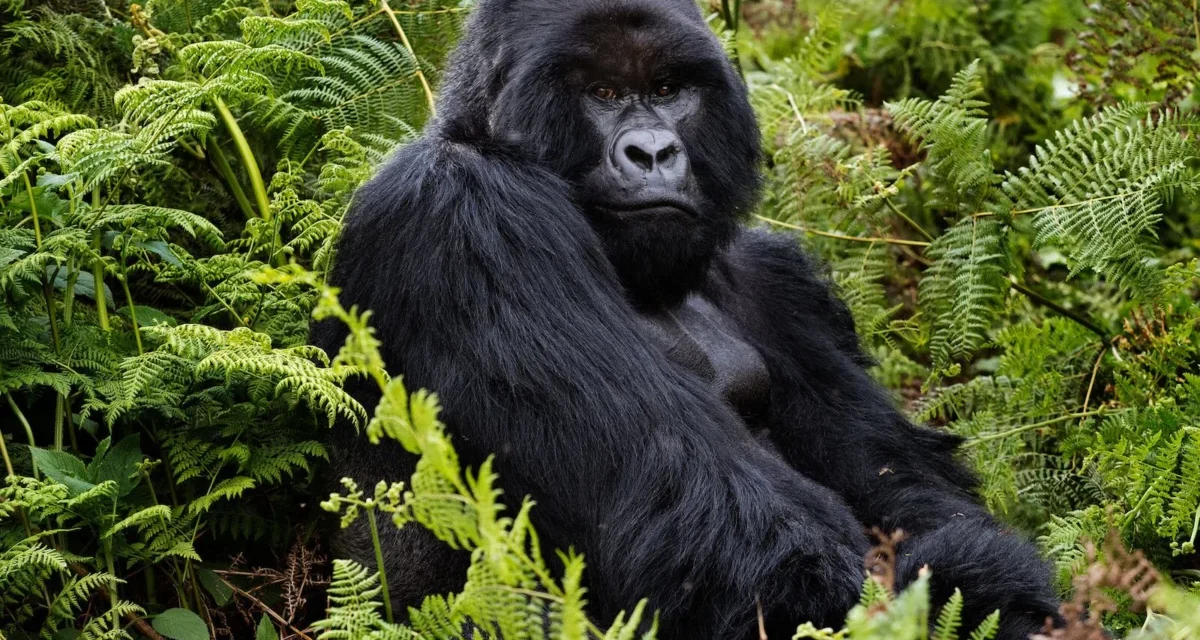






In an era of hyper-connected travel, the "safari" is no longer synonymous with month-long expeditions requiring extensive preparation. For the modern traveler, the "weekend safari"—a high-intensity, short-duration immersion into the wild—has become the gold standard for adventure. Whether you are seeking the contemplative gaze of a mountain gorilla in Rwanda or the thundering herds of the Maasai Mara, the logistics of modern travel have made the extraordinary accessible within a 72-hour window.
This guide examines six premier weekend safari destinations, offering a deep dive into the logistical realities, ecological contexts, and the profound impact of these abbreviated wildlife encounters.
The Rwandan Highlands: A 72-Hour Gorilla Odyssey
Main Facts
Rwanda has emerged as a beacon of high-end, conservation-focused tourism. The three-day gorilla trek to Volcanoes National Park is not merely a vacation; it is a meticulously orchestrated encounter with one of Earth’s most endangered primates.
Chronology of the Experience
- Day 1: The Kigali Introduction: Upon arrival in Rwanda’s capital, travelers check into the Flame Tree Village. This evening serves as a vital cultural primer. Kigali, once defined by the tragedy of the 1994 genocide, now stands as a testament to reconciliation and rapid modernization. A visit to the Kigali Genocide Memorial provides the necessary historical gravity to understand the resilience of the Rwandan people.
- Day 2: The Ascent: A 6:30 AM departure transitions the traveler from the urban pulse of Kigali to the mist-covered slopes of the Virunga Mountains. Park rangers assess physical fitness before leading small groups into the thick bamboo forests.
- Day 3: The Encounter and Return: The trek concludes with a precious hour in the presence of a gorilla family. By evening, travelers are back at the Kigali airport, marking a seamless transition from the prehistoric wilderness to the modern world.
Implications for Conservation
The revenue generated by these high-cost permits directly funds the protection of the mountain gorillas, proving that tourism, when regulated, is a powerful tool for habitat preservation.
Peruvian Biodiversity: The Amazon’s Monkey Island
Main Facts
The Amazon jungle offers a different flavor of safari: one defined by dense, humid biodiversity rather than vast savannah plains. A three-day trek through the Madre de Dios region is a sensory overload of tropical flora and fauna.
Chronology
The adventure begins in Cusco, followed by a short flight to Puerto Maldonado. The journey involves a three-hour river transit to a remote wilderness lodge. Afternoon expeditions focus on "Monkey Island," a sanctuary for capuchin, spider, and squirrel monkeys. Day two is dedicated to the "Lost Lagoon," a four-hour trek that brings guests face-to-face with giant river otters and alligators.
Supporting Data
The Amazon basin contains roughly 10% of the world’s known biodiversity. Short-stay eco-tours in this region provide crucial economic alternatives to logging and mining for local communities, incentivizing them to act as stewards of the rainforest.
Tanzania’s Mikumi National Park: The Safari "Tour de Force"
Main Facts
For those who prioritize raw volume of animal sightings over luxury, the Mikumi "safari tour de force" is the ultimate test of endurance. Located just a few hours from the port city of Dar Es Salaam, it is an accessible, high-velocity wildlife experience.
Chronology
The trip begins at 5:00 AM. After a drive to the town of Morogoro for a late breakfast, the safari moves into the park for back-to-back game drives. Visitors spend the night at the Mikumi Tourist Cottage before returning to the field at dawn for a second round of sightings, targeting the "Big Five" of the Tanzanian plains.
Official Perspectives
Tour operators note that Mikumi is gaining popularity among business travelers stationed in East Africa who have limited windows for leisure. The efficiency of the transit—moving from urban hub to wilderness in under four hours—is the primary selling point for this itinerary.
Nairobi National Park: The Urban Wildlife Paradox
Main Facts
Nairobi National Park presents a unique phenomenon: a wildlife reserve within the boundaries of a bustling metropolis. It is, perhaps, the most convenient safari on the planet.
The Urban-Wild Interface
The park sits just thirty minutes from the airport. Visitors can enjoy a morning coffee in a skyscraper and spend the afternoon tracking lions or rhinos against a backdrop of a city skyline. This juxtaposition of the wild and the urban provides an important lesson in land-use management and the ability of wildlife to adapt to encroaching human development.
Supporting Data
The park includes an elephant orphanage and an educational center, which serve as essential components of Kenya’s wildlife conservation efforts, particularly regarding the rehabilitation of orphaned animals.
The Canadian Wild: Grizzly Treks in the Chilcotin
Main Facts
Safari culture is often associated with Africa, but the Canadian wilderness offers a rugged alternative. The Chilcotin Mountains of British Columbia provide a unique opportunity to witness grizzly bears and moose in their natural alpine habitat.
The Experience
Unlike the structured vehicle-based safaris of the tropics, the Chilcotin experience is rooted in horseback riding and independent exploration via 4x4s or snowmobiles. Staying on a working mountain ranch offers a "homestead" feel, allowing guests to witness the realities of life in the Canadian backcountry.
The Maasai Mara: A Balloonist’s Perspective
Main Facts
The Maasai Mara is perhaps the most iconic safari destination in the world. A weekend here is defined by the sheer scale of the landscape and the density of megafauna.
Chronology
- Arrival: A stop at the Great Rift Valley Escarpment offers a geological overview before reaching the Miti Mingi Eco Camp.
- The Migration: During the Great Migration, the plains transform into a living, moving map of wildebeest and zebras.
- The Aerial View: The hallmark of this trip is the optional hot air balloon safari. Observing the migration from a thousand feet provides a macro-perspective that is impossible to achieve from a vehicle.
Implications for Ecosystems
The Maasai Mara relies on the seasonal movement of herds. The influx of weekend tourists during peak migration months provides the financial backbone for the rangers and anti-poaching units that protect the ecosystem throughout the year.
Comparative Analysis: The Modern Safari Landscape
The Logistical Shift
The common denominator across these six destinations is the shift toward "time-compressed" adventure. In the past, a safari required weeks of logistical planning and travel. Today, the integration of regional flights and well-established eco-lodge networks has democratized the experience, allowing professionals with limited time to participate in high-level conservation tourism.
The Ethical Consideration
While these "whirlwind" trips are convenient, they carry a responsibility. Critics argue that short-stay tourism can have a higher carbon footprint per day of exploration. However, proponents emphasize that the economic infusion from these trips is vital. When a traveler pays for a permit to enter a park like Volcanoes National Park or the Maasai Mara, they are casting a vote for the continued protection of that land.
Future Implications
As the demand for short-haul, high-impact travel continues to grow, the industry is seeing a shift toward "carbon-neutral" safari options. From electric game-drive vehicles in Kenya to solar-powered lodges in Rwanda, the future of the weekend safari is increasingly focused on minimizing the footprint of the traveler while maximizing their contribution to the environment.
Final Thoughts
Whether it is the haunting stare of a silverback in the mist or the silhouette of a lion against the Nairobi skyline, the weekend safari offers a necessary recalibration for the human spirit. These trips serve as a reminder that the wild is not a distant, unreachable concept, but a living, breathing entity that remains within our reach—if only for a few days at a time. The challenge for the modern traveler is to ensure that these fleeting visits contribute to the longevity of the landscapes they seek to admire.