






















































Pine Island, MN – A planned hyperscale data center for tech giant Google, once envisioned to transform a vast agricultural landscape into a digital nexus, now finds itself mired in legal quicksand. What city leaders and developers anticipated would be a bustling construction site in Pine Island by July has been brought to a grinding halt by a Goodhue County judge, granting a temporary reprieve to a fiercely opposing citizen group. This local battle reflects a burgeoning, nationwide movement challenging the rapid proliferation of data centers, turning these infrastructural behemoths into a defining issue for communities and political candidates alike.
While the public discourse often centers on the court of public opinion, the unfolding drama in southeastern Minnesota underscores the critical, and often decisive, role actual courtrooms play in shaping the trajectory of large-scale developments. Across the state, from Faribault to Hermantown, similar legal challenges are emerging, demonstrating that even against the formidable resources of global tech corporations, local resistance, when channeled through the judiciary, can force a pause, and sometimes a complete reevaluation.
A Green Field, A Digital Dream Deferred: The Pine Island Saga
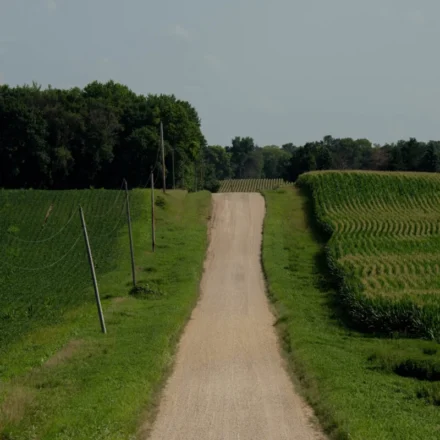
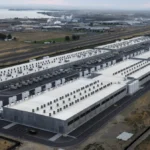
The quiet town of Pine Island, nestled in southeastern Minnesota, was poised for a significant transformation. A sprawling farm field, ripe with agricultural potential, was slated to become the site of Google’s next hyperscale data center, a project local officials had eagerly endorsed despite strong public objections. July 2026 was the target month for shovels to break ground, initiating a construction phase that promised economic development and a digital future.
The Promise and the Protest
For city leaders, the Google project, often dubbed "Project Skyway," represented a beacon of progress. Such developments typically bring substantial tax revenue, create construction jobs, and can signal a town’s readiness to embrace the digital economy. The initial agreements likely included incentives and streamlined processes, reflecting a common eagerness among municipalities to attract high-profile investments. However, this enthusiasm was not universal. A dedicated citizen group, concerned about the project’s environmental footprint, resource demands, and potential impact on their rural way of life, voiced vehement opposition from the outset. Their concerns, often dismissed or downplayed in early planning stages, centered on the sheer scale of the operation and its long-term implications for a community of fewer than 4,000 people.
Judicial Intervention Halts Progress
The local government, seemingly prepared to push ahead despite the outcry, found its plans thwarted not by a lack of local will, but by an external authority: a Goodhue County judge. The judicial order paused construction indefinitely, providing the citizen group a crucial window to advance their legal arguments against the development. This injunction was a significant victory for the opponents, signifying that their pleas, often unheard in city halls, resonated within the legal framework designed to protect public interest and ensure due process. It transformed a local administrative dispute into a precedent-setting legal challenge, echoing similar battles in communities across the state.

A Rising Tide of Resistance: Data Centers Under Scrutiny
The controversies in Minnesota are not isolated incidents. This summer, a "full-blown movement" has emerged across the United States, galvanizing public opinion and capturing media attention. The rapid expansion of data centers, driven largely by the insatiable demands of emerging Artificial Intelligence (AI) technologies, is prompting alarm and becoming a critical "litmus test for political candidates."
The National Landscape
The explosion of AI, cloud computing, and digital services has propelled data centers from obscure industrial facilities into critical, yet controversial, infrastructure. These "hyperscale" centers, often occupying hundreds of acres, require colossal amounts of electricity, frequently drawing power equivalent to small cities. Their cooling systems consume millions of gallons of water daily, raising significant environmental concerns in an era of climate change and increasing resource scarcity. Furthermore, their sheer physical presence, the noise from cooling fans, and the vast network of transmission lines needed to power them, disrupt rural landscapes and impact local ecosystems. Communities nationwide are grappling with the trade-offs: the promise of economic development versus the preservation of environmental quality and community character.
Minnesota’s Unlikely Battlegrounds
Minnesota, with its relatively cooler climate (beneficial for cooling data center servers), available land, and evolving energy infrastructure, has become an attractive target for tech companies seeking to expand their digital footprints. However, this appeal has been met with growing resistance. The fight in Pine Island is just one node in a larger network of opposition that spans the state:
- Faribault: A planned data center by Archer Datacenters faced similar legal hurdles.
- Hermantown: A community meeting in July 2026 highlighted organized opposition, with residents questioning local leadership.
- Monticello: Another site where legal challenges against regulatory processes are underway.
- North Mankato: A proposed project here saw its lawsuit dropped by the Minnesota Center for Environmental Advocacy (MCEA) after the project failed to materialize, and the city is now considering a moratorium on future data center developments.
- Farmington: A lawsuit filed by the Coalition for Responsible Data Center Development is actively challenging a proposed project.
These scattered battles illustrate a cohesive pattern: local communities feel bypassed and unheard as massive projects, often shrouded in secrecy, advance at what opponents describe as "lightning speed."
The Legal Lever: Courts as a Last Resort
When elected officials appear unresponsive and legislative avenues prove ineffective, the judiciary often becomes the final recourse for citizens. Sam Temple, a candidate for Rice County Board from Faribault, noted, "People place hope in the judiciary when they lose it in elected officials. (The court is) not the ideal tool, but it certainly is a tool, and it’s a tool that is a result of local organizing."

Allegations Fueling the Lawsuits
The legal arguments against data center projects are diverse but rooted in common frustrations. Lawsuits frequently allege:
- Lax or Insufficient Environmental Reviews: Opponents argue that cities often fast-track environmental assessments, failing to adequately evaluate the long-term ecological impact of these energy and water-intensive facilities.
- Withholding Public Information: Concerns are raised about a lack of transparency, with allegations that crucial documents and data are not readily accessible to the public.
- Violations of Open Meeting Laws: Some lawsuits claim that local leaders engaged in discussions and decision-making regarding these projects in secret, circumventing laws designed to ensure public participation and oversight.
Luke Norquist of the Minnesota Center for Environmental Advocacy (MCEA), an organization at the forefront of several of these legal battles, summarizes the underlying sentiment: "People are feeling like they don’t have information or a say in these massive projects that seem like they’re moving ahead at lightning speed. As Meta fights Google fights Microsoft to try and become the next AI overlords, that sort of local resistance is happening across the nation."
The Role of Advocacy Organizations
Non-profit organizations like the MCEA play a pivotal role in these legal challenges. With their expertise in environmental law and advocacy, they provide the legal firepower that individual citizen groups often lack. MCEA has filed lawsuits challenging regulatory processes in Pine Island, Faribault, Hermantown, and Monticello, securing significant initial victories in Pine Island and Faribault. Beyond MCEA, dedicated citizen groups such as "Stop the Hermantown Data Center" and the "Coalition for Responsible Data Center Development" in Farmington are also pursuing their own legal cases, demonstrating a grassroots commitment to environmental and community protection.
Silence and Secrecy: NDAs and Public Transparency
A recurring theme in these disputes is the role of Non-Disclosure Agreements (NDAs). Paul Fish, a Hermantown resident living near a proposed data center site, expressed his frustration: "This was planned way before we knew anything about it. By the time the city of Hermantown stuff came forward that people knew about, we were already a year behind." NDAs, often signed by local officials early in the negotiation process, can keep development plans under wraps for extended periods, effectively preventing public scrutiny and organized opposition until projects are well advanced. This lack of early transparency fuels mistrust and reinforces the perception that powerful developers and local governments are making decisions behind closed doors, sidelining community input.
Judicial Victories: Shifting the Momentum
Recent court rulings in Minnesota offer a glimmer of hope for data center opponents, demonstrating that judicial intervention can indeed alter the course of development. These victories, though sometimes temporary, are crucial in validating citizen concerns and forcing municipalities to adhere more rigorously to environmental and public process laws.

Pine Island’s Injunction: A Small Town’s Big Win
In Pine Island, the MCEA’s lawsuit specifically alleged that the city’s environmental review was "insufficient and illegal." The Goodhue County judge agreed, issuing an injunction that halted construction. While not a definitive end to the project, the ruling asserted that allowing construction to proceed without resolving the lawsuit would inflict "irreparable harm." For local activist Aubree Derksen, this was a momentous occasion: "Getting the injunction, finally, getting that victory, it’s like f— yeah. We’re the smallest town in the state fighting this and it’s a small nonprofit that’s putting you in your place." The city administrator, Elizabeth Howard, declined to comment on pending litigation, a common stance in such legal battles.
Faribault’s Environmental Imperative
Another significant win for MCEA came in Faribault. A lawsuit against the city and Archer Datacenters reached the Minnesota Court of Appeals, which ruled in June 2026 that the city must conduct a more rigorous environmental review. This decision effectively sent the project back to the drawing board, with the City Council extending the deadline for Archer to submit additional information until 2027. In response, Faribault has pledged to develop and consider "new data center standards" for critical factors like water usage, electric usage, and air emissions. This outcome highlights the courts’ power to compel municipalities to adopt more robust regulatory frameworks, setting a precedent for environmental due diligence.
North Mankato’s Moratorium Consideration
While not a direct judicial victory, the situation in North Mankato underscores the ripple effect of these legal battles and growing public awareness. MCEA dropped its lawsuit there after the proposed data center project failed to materialize. Now, the city is responding to resident concerns by setting a public hearing to consider a moratorium on data center developments. This move indicates a shift towards more proactive and cautious governance, suggesting that cities are beginning to internalize the lessons from legal challenges elsewhere and anticipate future public demand for stricter oversight.
Beyond the Bench: The Broader Implications
These court rulings are more than just legal victories; they are powerful statements about local governance, community empowerment, and the evolving relationship between technological advancement and environmental stewardship. They suggest a growing demand for transparency and accountability from both elected officials and powerful corporations.
The Call for Proactive Governance
Sam Temple argues that cities and counties should have been more proactive in anticipating and regulating data centers. He views the court rulings not as evidence of corruption or malicious intent, but of "passivity" on the part of local governments. "I think people want a more proactive local government," he stated. This sentiment reflects a desire for elected officials to take a leadership role in establishing clear guidelines for such developments, addressing potential environmental and social impacts before projects reach the point of public outcry and litigation. This includes comprehensive planning for resource allocation, particularly water and energy, and considering the long-term character of the community.

Economic Allure vs. Community Concerns
The core tension in these disputes lies in the conflict between the economic benefits promised by data centers and the environmental and social costs borne by local communities. Data centers often come with attractive incentives, including job creation (though many are highly automated once built), increased tax revenue, and a boost to the local economy. However, these benefits must be weighed against concerns about increased utility strain, noise pollution, land conversion, and the ecological footprint. The judicial interventions force a re-evaluation of this balance, pushing cities to consider whether the economic gains justify the potential long-term impacts on the environment and the quality of life for residents.
The Imperfect Arena: Challenges for Citizen Activism
Despite the recent successes, courts remain an "imperfect venue for recourse." While they offer a powerful mechanism for accountability, the path to judicial victory is fraught with significant challenges, particularly for citizen groups battling well-funded tech giants.
The Financial Burden of Litigation
Lawsuits are expensive. They demand substantial financial resources for legal fees, expert testimonies, and administrative costs. Data center opponents, often grassroots organizations relying on donations, find themselves at a severe disadvantage against multinational corporations with virtually limitless legal budgets. Cathy Johnson of the Coalition for Responsible Data Center Development in Farmington starkly highlighted this reality, stating her group "desperately needs funding" to continue its lawsuit. This financial disparity creates a significant barrier to justice, potentially allowing projects to proceed simply because opponents cannot sustain a prolonged legal fight.
The Power Imbalance
Beyond finances, there is a fundamental power imbalance. Tech companies like Google can afford to "walk away from this whole thing and write it off," as Paul Fish noted, if a project becomes too litigious or costly. For local activists, however, the fight is deeply personal, impacting their homes, their environment, and their community’s future. This asymmetry in stakes means that even minor legal setbacks can be devastating for citizen groups, while developers can absorb them as part of the cost of doing business. The legal process, often slow and arduous, further favors those with deep pockets and extensive legal teams, testing the endurance and resolve of community advocates.
Looking Ahead: The Future of Data Center Development in Minnesota
The ongoing legal battles and the growing public awareness indicate a significant turning point in how data center developments are perceived and regulated in Minnesota. While state-level efforts to rein in data centers through legislation have so far failed, the judicial victories and the increasing focus on these issues in local elections suggest that change is inevitable.

The precedent set by courts in Pine Island and Faribault will likely embolden other communities and advocacy groups to pursue similar legal avenues. It also sends a clear message to local governments: environmental reviews and public processes must be robust and transparent, or face judicial challenge. The move towards developing new, more comprehensive data center standards, as seen in Faribault, could become a model for other municipalities.
Ultimately, the future of data center development in Minnesota will depend on a delicate balance between technological progress, economic opportunity, and the preservation of environmental integrity and community voice. The current wave of judicial intervention signals a reassertion of local control and a demand for a more thoughtful, transparent, and sustainable approach to the digital infrastructure that underpins our modern world. The struggle is far from over, but for now, communities like Pine Island have found a powerful, albeit imperfect, tool to ensure their voices are heard.