



















































The Evolution of the Timberwolves: Chris Finch on LaMelo Ball, Cultural Shifts, and Championship Aspirations

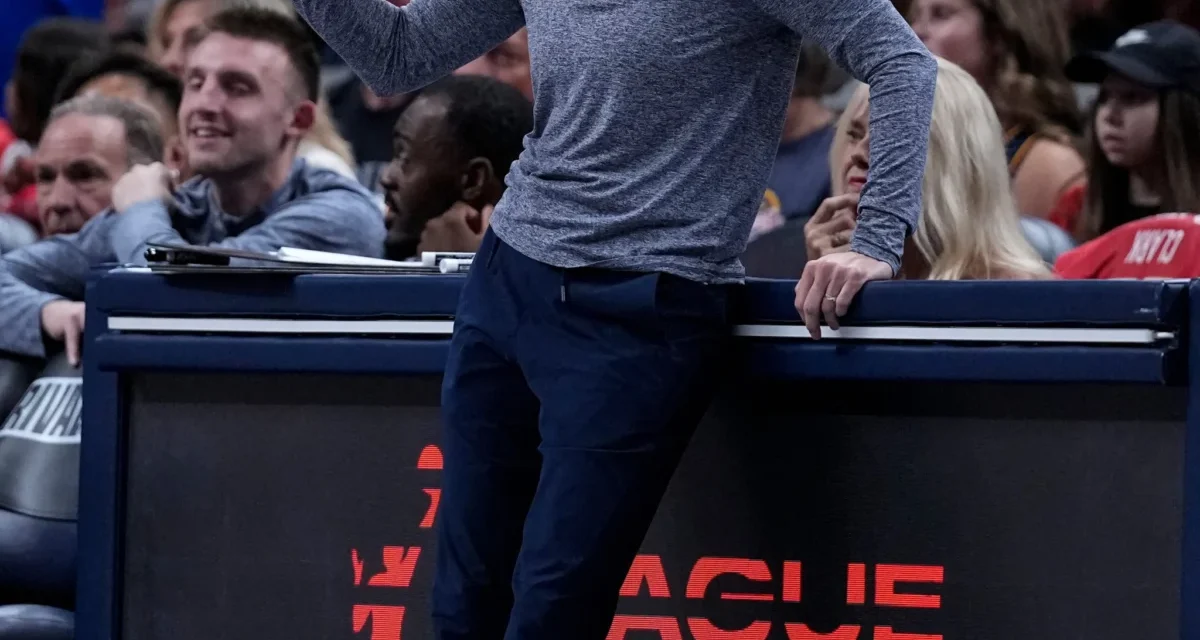
As the Minnesota Timberwolves prepare for the dawn of the 2026-2027 season, the franchise finds itself at a pivotal crossroads. Following an off-season marked by significant roster turnover and high-profile acquisitions, head coach Chris Finch is tasked with recalibrating a team that has transitioned from a developing playoff contender to a squad with legitimate championship expectations.
In the second installment of our annual pre-camp interview, Finch pulls back the curtain on the team’s strategic evolution, the integration of star point guard LaMelo Ball, and the maturation of core pillars Anthony Edwards and Jaden McDaniels.
The New Engine: Integrating LaMelo Ball
The arrival of LaMelo Ball is the primary narrative defining the Timberwolves’ upcoming season. For a team that has often relied on the sheer individual brilliance of Anthony Edwards, the acquisition of a traditional, high-level playmaker like Ball is intended to fundamentally alter the team’s offensive structure.
Finch admits the final identity of the team remains a work in progress. "It’s to be determined," Finch noted. "Your identity is driven by your best players, and we still have them. I can see a lot of our offensive identity still flowing through Ant, but we have a chance to play faster and be a much better passing team."

The challenge lies in tempering Ball’s penchant for highlight-reel inefficiency. While Ball’s court vision is elite, his career trajectory has been marred by questionable shot selection and a mediocre assist-to-turnover ratio—historically hovering around 2.5-to-1. Finch is unfazed, framing these issues as coaching points rather than inherent flaws.
"Some of his individual inefficiencies are related to shot selection," Finch explained. "He can make the shots he takes, but making a living off of those is very hard. We want him to focus on a finishing plan. He has the size, but sometimes he goes into the paint with only a passing mentality, making finishing an afterthought. We need him to be more selfish in his plan to score at the rim."
The "Diapers Are Off": Empowering Edwards and McDaniels
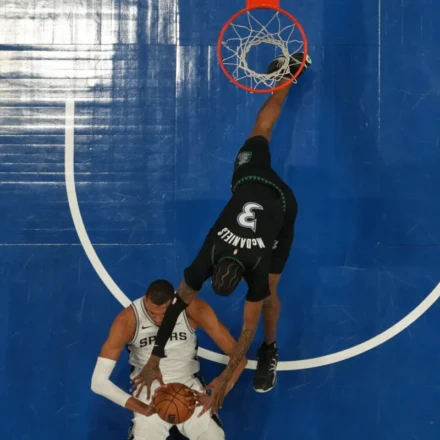
If Ball is the new engine, Anthony Edwards and Jaden McDaniels are the chassis. After years of being coddled as the "young core," the time for transition is over. Finch’s directive for the season is simple: the "diapers are off."
For Edwards, the goal is to shift his role back to his natural position as a shooting guard. Last season, the burden of primary ball-handling caused a noticeable dip in his three-point volume and overall offensive efficiency. By offloading playmaking duties to Ball, Finch believes Edwards can return to being the most explosive two-guard in the league.

"Every player is their best self when playing their natural position," Finch said. "Ant needs to increase his shot volume, and we weren’t able to do that last year because he was handling the ball so much. It wasn’t that guys couldn’t create for him; it was just the natural math of the game. You don’t get the ball back as much when you’re the primary initiator."
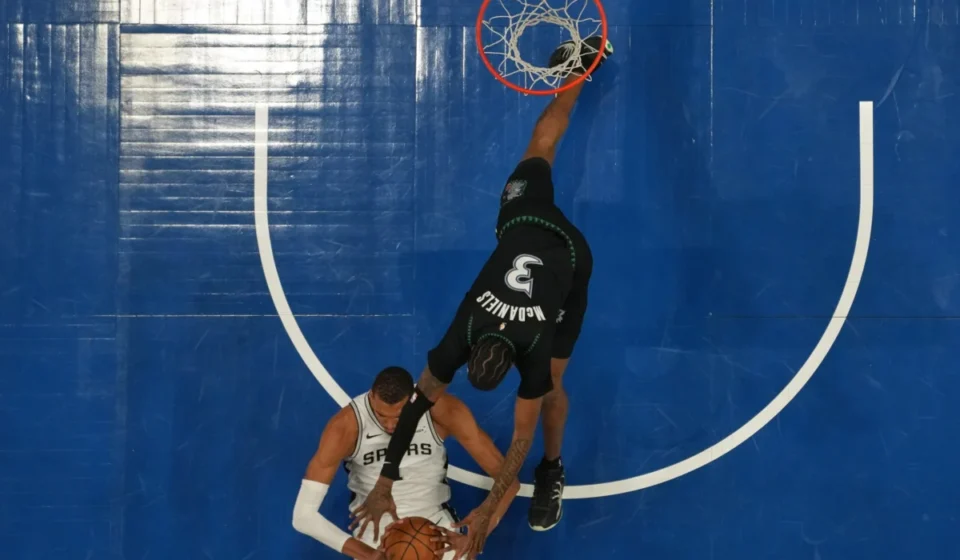
Jaden McDaniels, meanwhile, represents the team’s most versatile weapon. Often praised for his defensive tenacity—with comparisons to Scottie Pippen—McDaniels is now being asked to facilitate. Finch believes the combination of Ball’s "throw-ahead" passing style and the team’s increased pace will create organic scoring opportunities that were previously hard to manufacture.
The Cultural Vacuum: Replacing Veteran Wisdom
The departure of steadying veteran influences like Mike Conley, Kyle Anderson, and Joe Ingles has left a leadership void. These players acted as the "regulators" of the team’s emotional temperament. Without them, the burden of leadership falls on the shoulders of players who are still in the early stages of their own professional journeys.
Finch acknowledges the loss of basketball IQ but remains optimistic about the team’s internal chemistry. "Maybe we won’t be the smartest team in the league," he conceded. "But I feel like the mood is good. My biggest concern is making sure there are still people who can ‘speak Rudy’."

The "Rudy" in question is, of course, Rudy Gobert. As the last veteran holdover over the age of 30, Gobert occupies a unique space in the locker room. There was a time when he was viewed as an outsider—a "stepfather" in the house—but the team’s recent bonding initiatives, most notably a player-led trip to Paris this summer, have signaled a new chapter.
"What happened in Paris was organic," Finch said. "Anthony was the driving force, and LaMelo was a participant as a newcomer. It gives me great hope that we will figure out the Rudy piece. He’s a quirky guy, he’s proud, and he wants to do things a certain way. Our younger guys now have a genuine appreciation for what he does."
Implications for the Season
As training camp approaches, the Timberwolves find themselves in a delicate balancing act. They have more raw talent than ever before, but they are also navigating the loss of the veteran voices that kept their high-octane offense and complex defense organized during high-pressure moments.
Strategic Priorities:
- The Usage Puzzle: With the offensive talent currently on the roster, every possession is a precious resource. Finch is tasked with ensuring that Ball, Edwards, and McDaniels all feel the "rhythm" of the offense without cannibalizing each other’s production.
- Defensive Continuity: While the article focused heavily on offense, the team’s defensive identity remains anchored by Gobert and McDaniels. The coaching staff must ensure that the transition to a more high-paced offensive system doesn’t compromise their defensive integrity.
- Internal Growth: The decision to rely on home-grown talent rather than bringing in veteran "band-aids" is a bold gamble. By empowering Edwards and McDaniels to lead, the organization is betting that the pain of growing into those roles will be outweighed by the potential for a deeper, more cohesive championship run.
Final Reflections
Coach Finch’s approach to the upcoming season is one of calculated trust. He is not looking for his stars to mimic the playing styles of their departed veterans; he is asking them to lead in their own ways. Whether it is Edwards’s high-energy leadership or McDaniels’s quiet, professional consistency, the Timberwolves are banking on the idea that the "diapers are off" and the team is ready to compete for the highest honors in the NBA.

The upcoming season will ultimately determine whether this blend of explosive playmaking, elite defensive versatility, and youthful ambition is enough to hoist the Larry O’Brien trophy. As the team heads into training camp, the message from the head coach is clear: the time for excuses has passed, and the time for greatness has arrived.
Stay tuned for part three of our series next week, where we examine the team’s rotation, the acquisition of Jonathan Kuminga, and the critical roles of the bench unit.