
















































For decades, the standard Japanese itinerary—the "Golden Route"—has tethered travelers to the high-speed rail lines connecting Tokyo, Kyoto, and Osaka. While these hubs offer undeniable allure, a different, more contemplative side of Japan awaits in the Setouchi region. Spanning the islands and coastal prefectures of the Seto Inland Sea, this area offers a tapestry of contemporary art, artisanal heritage, and raw, mountainous wilderness that feels lightyears away from the neon-soaked urban centers.
The Architecture of History: Kurashiki and Kojima
The journey begins at Okayama Airport, the gateway to the Chugoku region. A 45-minute drive deposits travelers into Kurashiki, a town that serves as a living museum of Edo-period commerce. The Bikan Historical Quarter is defined by its iconic white-walled kura (storehouses) that line willow-fringed canals.
Chronology and Atmosphere
Upon arrival, the Kurashiki Kokusai Hotel sets the aesthetic tone. Its lobby is anchored by a monumental, two-story woodblock mural by Shikō Munakata, an artist whose folk-art sensibility mirrors the town’s own preservationist ethos. Stepping into the Bikan district, one is struck by the seamless integration of history and modernity; former merchant homes have been carefully restored, now serving as boutique galleries and cafes that sustain the local economy without sacrificing architectural integrity. A 20-minute flat-bottomed riverboat tour provides the essential vantage point, allowing visitors to see the intricate woodwork of the canal-side estates from the water level.
Implications of Artisanship
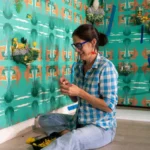
A short drive south lies Kojima, the undisputed birthplace of Japanese denim. The Betty Smith Jeans Museum & Village offers more than just a history lesson; it is an exercise in craftsmanship. Visitors can customize their own denim, navigating the physical rigor of manual press tools—a stark reminder of the labor-intensive processes that define high-quality Japanese manufacturing. Lunch at Takuzen serves as an educational bridge, introducing the sawara (Spanish mackerel) culinary culture of the Seto Inland Sea, where the menu changes daily based on the morning catch, emphasizing a regional reliance on seasonality.
Contemporary Frontiers: Naoshima and Takamatsu
The transition from historical preservation to contemporary expression is best realized on Naoshima, the "Art Island." A 45-minute drive to Uno Port precedes a 20-minute ferry ride—an experience that, with its vibrant orange-and-green vessel, feels curated by a director like Wes Anderson.
Supporting Data: The Art Ecosystem
Naoshima’s landscape is punctuated by the architectural genius of Tadao Ando, whose concrete monoliths blend into the island’s topography. The newly inaugurated Naoshima New Museum of Art expands the island’s capacity for Asian contemporary discourse. Meanwhile, the Chichu Art Museum remains the gold standard for site-specific installation, requiring advance reservations to view the works of Claude Monet, James Turrell, and Walter De Maria. Complementing these is Benesse House, a unique hybrid of museum and boutique hotel where the boundary between "guest" and "patron" is intentionally blurred.
Reflective Landscapes in Takamatsu
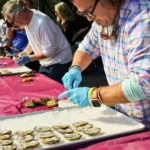
Across the water in Takamatsu, Ritsurin Garden offers a masterclass in landscape design. Spanning over 400 years of curation, the garden is a deliberate composition of ponds and pine forests that seem to rearrange themselves as one walks the paths. Equally poignant is the Isamu Noguchi Garden Museum. Preserved exactly as the Japanese American sculptor left it, the space contains unfinished stone carvings that invite the visitor into the artist’s internal dialogue regarding his dual heritage. The experience is deepened by a session at the Nakano Udon School, where the tactile tradition of kneading Sanuki udon—using one’s own feet to develop the gluten—adds a layer of physical engagement to the local culinary heritage.
The Wild Interior: Iya Valley and Naruto
Heading three hours inland to the Iya Valley, the itinerary shifts from the refined to the primeval. The roads here are narrow, winding through steep, mist-covered mountains that evoke a sense of pre-industrial Japan.
Official Perspectives on Preservation
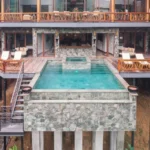
At the heart of this region is Tougenkyo-Iya, a project that restores centuries-old thatched-roof farmhouses. By allowing guests to stay in these structures, the initiative ensures the survival of traditional building techniques. Dining here is an intimate affair, centered around an irori (hearth), where locally sourced soba is served as the sun dips behind the mountains.
Natural Phenomena and Logistics
The region’s raw power is best seen at the Iya Kazurabashi bridge, a suspension structure fashioned from mountain vines. Crossing it is a test of nerves, offering a view of the turbulent river below. Nearby, the Naruto Whirlpools serve as a reminder of nature’s unpredictable clockwork.
- Essential Tip: The whirlpools are tide-dependent. Travelers should consult local tide tables, as the phenomenon is only truly impressive within a 90-minute window of the high or low tide. Missing this window—as many do—results in a lackluster view of stagnant water.
Awaji Island: A Meditative Conclusion
The final leg of the journey takes travelers to Awaji Island, a land bridge between the remote wilderness and the mainland.
Supporting Data: Zen and Sustainability
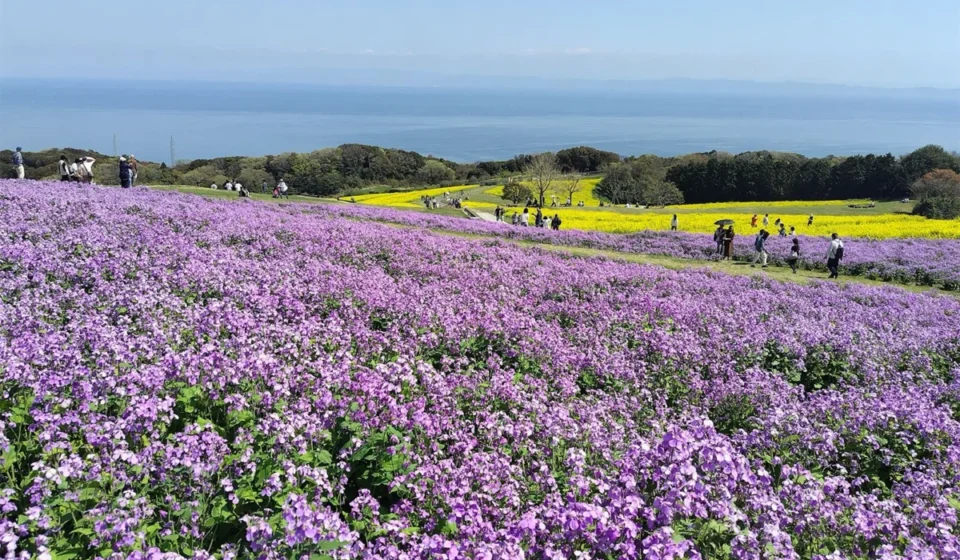
Awaji Hanasajiki provides a sensory overload of floral color, while Gallery Tsuchiza offers a more grounded experience, teaching the art of traditional clay jewelry. However, the island’s true highlight is Zenbo Seinei, an open-air retreat designed for total mindfulness. Sitting in silence, accompanied only by the rhythmic hum of cicadas, provides a necessary decompression before returning to the urban sprawl.
Implications of Re-entry
Returning to Osaka is a jarring experience. The transition from the quietude of the Iya Valley and the meditative atmosphere of Awaji back to the neon, 24-hour chaos of Dotonbori is startling. It serves as a reminder of the duality of Japan: a country that simultaneously harbors the fastest pace of modern urban life and the most profound, silent pockets of ancient tradition.
Summary of Logistics
| Destination | Key Activity | Best For |
|---|---|---|
| Kurashiki | Canal Boat Tour | History buffs, photography |
| Naoshima | Chichu Art Museum | Contemporary art lovers |
| Takamatsu | Ritsurin Garden | Horticulture, quiet reflection |
| Iya Valley | Vine Bridge Crossing | Nature enthusiasts, seclusion |
| Awaji Island | Zenbo Seinei | Wellness and meditation |
For the traveler seeking to move beyond the well-trodden paths of the Shinkansen, the Setouchi region offers an invitation to slow down. Whether it is the physical labor of crafting a pair of denim in Kojima or the silent introspection of a matcha ceremony on Awaji, these experiences provide a deeper, more textured understanding of the Japanese identity—one that is shaped as much by the quiet tides of the Inland Sea as it is by the bright lights of the cities.