











































The African continent serves as the cradle of human civilization, a vast tapestry of history etched into stone, buried beneath desert sands, and hidden within cliffside grottos. From the sophisticated urban planning of the Swahili coast to the mysterious megaliths of the south, Africa’s archaeological sites offer an unparalleled window into the ingenuity, resilience, and spiritual depth of ancient societies. This exploration traverses eleven of the continent’s most significant historical sites, examining their cultural legacies and the complex logistics of visiting these enduring monuments.
1. Nok Caves, Togo: A Refuge from the Abyss
Tucked away in the craggy cliff faces of Northern Togo, the Nok Caves serve as a haunting reminder of the 18th and 19th-century struggle against the Transatlantic slave trade. The Moba people, driven by the need for survival, utilized these naturally fortified caverns to evade the predatory raids of the neighboring Tchokossi, who sought to capture and sell their kin to European slavers.
- Main Facts: Derived from the Moba word for "hidden," these caves protected hundreds of people from capture. Today, visitors navigate a steep metal ladder to enter, revealing a subterranean world that once held 134 granary vessels and weaponry.
- Implications: The site highlights the psychological toll of the slave trade on indigenous populations. While looting has stripped the caves of many original artifacts, the site remains a somber monument to resistance.
2. Volubilis, Morocco: A Roman-Berber Intersection
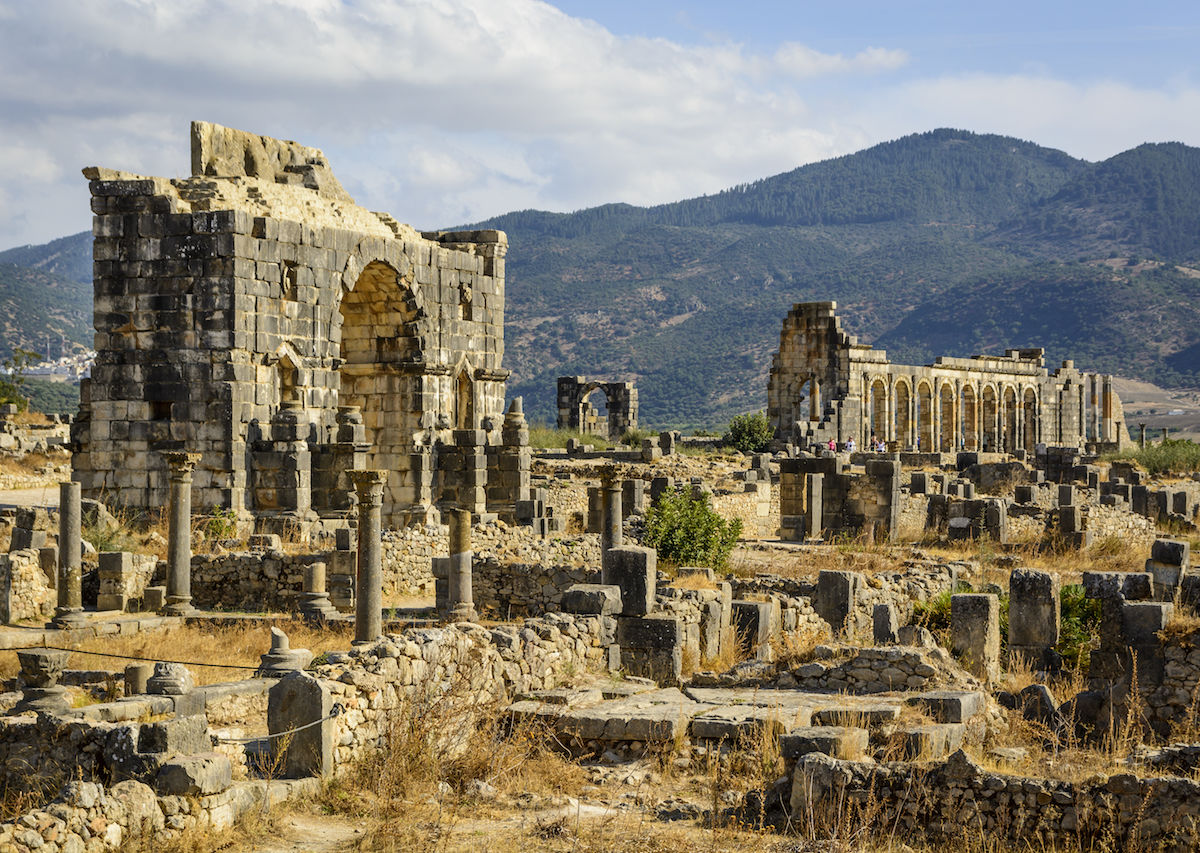
A UNESCO World Heritage site since 1997, Volubilis stands as a testament to the cultural fluidity of the Maghreb. Spanning from High Antiquity to the Islamic era, the town serves as a masterclass in architectural synthesis, blending Roman structural foundations with African and Christian decorative motifs.
- Supporting Data: Roughly 50% of the site has been excavated, revealing grand mansions of the elite adorned with intricate mosaics that remain remarkably vibrant.
- Official Response: The site is meticulously managed as a tourist destination, though visitors must exercise independence, as public transit is unavailable. It remains one of the best-preserved examples of Roman-era urban life in North Africa.
3. Great Zimbabwe: The Iron Age Titan
Great Zimbabwe was not merely a city; it was the epicenter of a sprawling medieval empire. Established in the 11th century, the capital eventually supported a population of 18,000, covering over 1,700 acres.
- Chronology: Construction spanned the 11th to 15th centuries. Its decline eventually paved the way for the rise of the Khami state.
- Technical Marvel: The site is famous for its dry-stone construction—an engineering feat where granite blocks are stacked with such precision that no mortar is required. The "Great Enclosure" remains the largest ancient structure in sub-Saharan Africa.
4. Khami Ruins, Zimbabwe: Evolution of Stone
Rising from the ashes of the Great Zimbabwe kingdom, the Khami Ruins (1450–1650 AD) refined the architectural language of its predecessor.
- Main Facts: Khami introduced decorative chevron and checkered patterns into its stone masonry. It boasts the longest decorated wall in the region.
- Visitor Experience: Located 22 miles from Bulawayo, the site offers a contemplative atmosphere. Its riverside location is ideal for those interested in the intersection of natural beauty and human history.
5. Adam’s Calendar, South Africa: The Pre-History Mystery
Often dubbed the "African Stonehenge," Adam’s Calendar is a contentious yet fascinating site. Discovered in 2003, this series of monoliths is estimated to be over 75,000 years old, potentially predating the Egyptian pyramids by tens of thousands of years.
- Implications: Shamans refer to the site as Inzalo Y’langa (Birthplace of the Sun). Whether it served as a prehistoric astronomical observatory or a site of divine origin, it challenges contemporary understanding of early human technological and spiritual capabilities.
6. Kilwa Kisiwani, Tanzania: The Sultanate of the Seas
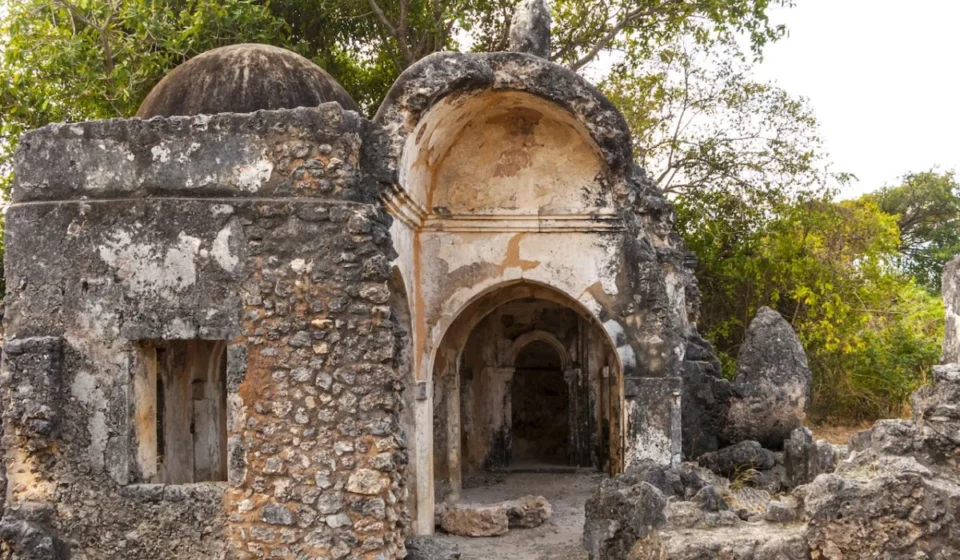
The "Isle of Fish" was once the beating heart of the Swahili Coast. During its peak (13th–15th centuries), the Kilwa Sultanate exerted influence from Kenya to Mozambique.
- Supporting Data: The site houses the Great Mosque—the oldest standing mosque on the East African coast—and the Palace of Husuni Kubwa, which stood as the largest building in sub-Saharan Africa during its era.
- Logistics: Visiting requires a government permit and a boat journey from Kilwa Masoko. It is a site that demands respect for both its history and the surrounding marine environment.
7. Luxor Temple, Egypt: The God of Kings
Located on the banks of the Nile, the Luxor Temple serves as the world’s oldest open-air museum. Constructed around 1400 BC, it was dedicated to Amun-Ra.
- Chronology: The temple was a collaborative effort of generations of pharaohs, including Amenhotep III, Tutankhamun, and Rameses II. It evolved from a sacred space into a Roman-era fortress.
- Implications: The site’s longevity demonstrates the shifting power dynamics of Egypt, where religious sites were often repurposed to serve the political and military needs of successive empires.
8. Ruins of Aksum, Ethiopia: The Crossroads of Empires
Aksum was once the bridge between the Eastern Roman Empire and Persia. Its ruins, dating from the 1st to 13th centuries, feature monolithic stelae that reach heights of over 100 feet.
- Main Facts: The Aksumite Empire was one of the most powerful states of its time. The giant stelae are carved from single pieces of rock, a feat that continues to baffle modern engineers.
- Visitor Insight: While the ruins are accessible, hiring a local guide is highly recommended to navigate the vast array of tombs and obelisks.
9. Laas Geel, Somalia: The Horn’s Prehistoric Canvas
Laas Geel represents the artistic soul of the Horn of Africa. These ten rock alcoves contain paintings dating back to 9,000 BC, depicting cattle in ceremonial regalia and local wildlife.
- Official Response: Since the site’s international recognition in 2002, protection has been a priority. However, due to the political climate, access is highly regulated and requires both permits and armed security.
10. Gedi Ruins, Kenya: The Cursed City
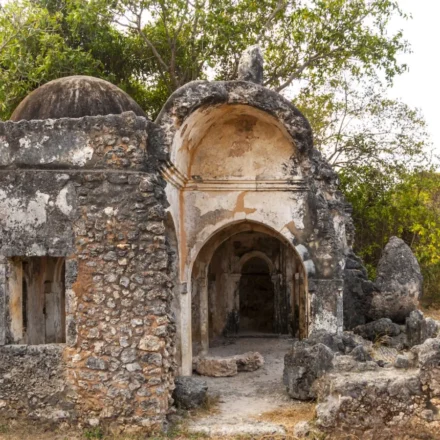
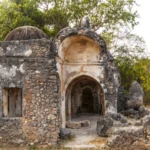
Hidden within the Arabuko-Sokoke Forest, Gedi is a medieval Swahili-Arab settlement that remains shrouded in local folklore.
- Implications: The Giriama people consider the site sacred, believing the spirits of ancient priests protect the ruins. This cultural reverence has helped preserve the coral-brick structures, including a palace and a mosque, from modern encroachment.
11. Leptis Magna, Libya: Roman Grandeur in the Desert
Leptis Magna stands as one of the most complete Roman cities in the world. Founded in the 7th century BC and later incorporated into the Roman Empire, it features a theater, basilica, and amphitheater that remain in near-pristine condition.
- Implications and Safety: While the architectural significance is world-class, the current geopolitical climate in Libya makes this an extremely high-risk destination. Prospective visitors are urged to consult government travel advisories regarding civil unrest and security threats.
Conclusion: A Legacy Worth Protecting
These eleven sites represent only a fraction of Africa’s vast archaeological wealth. From the strategic cliff-side refuges of Togo to the cosmic alignment of South African stones, these locations document the diverse ways in which humans have interacted with their environment, faith, and political structures over millennia.
As tourism to these sites increases, the international community faces the dual challenge of promoting cultural exchange while ensuring the preservation of these delicate heritage assets. Whether one is navigating the logistical hurdles of the Tanzanian coast or the desert checkpoints of Libya, the effort to engage with these sites is an investment in understanding the foundational history of humanity itself. Travelers are reminded to act as stewards of these spaces, respecting local traditions, adhering to permit requirements, and supporting the local communities that guard these treasures of time.