












































From Weeds to Wonders: The Resurgent Market for Native Plants in Urban Landscapes

In the quiet, humid air of the Kilbourn Park greenhouse on Chicago’s North Side, the sound of a rusty pulley system signals the start of a seasonal transformation. Renee Costanzo, the Chicago Park District’s sole full-time employee at the facility, works the mechanism with practiced strength, opening the roof in sections to allow the crisp spring air to circulate. Below, 12,000 seedlings—neatly organized in plastic trays—soak up the sunlight.
For months, these "babies," as Costanzo calls them, have been nurtured in preparation for a singular event: the Kilbourn Park annual plant sale. While the sale has been a local staple for decades, something fundamental has shifted in the soil of American gardening. What was once a niche interest for ecologists has blossomed into a mainstream movement. Native plants—once dismissed by the average homeowner as "weeds"—are now the most sought-after items on the shelves, driving record-breaking attendance and signaling a paradigm shift in how urbanites view their relationship with the land.
Main Facts: A Record-Breaking Season for Biodiversity
The 2024 Kilbourn Park plant sale was not merely a success; it was a statistical outlier. Traditionally, the event draws roughly 1,100 gardening enthusiasts who wait in long lines to purchase affordable starters at $4 a piece. This year, however, the park saw more than 2,300 shoppers—a doubling of the previous attendance record.
The inventory at these sales is also evolving to meet changing tastes. While the "starter kit" of tomatoes, cucumbers, marigolds, and zinnias remains popular, nearly 20% of the plants available this year were native species. These are plants that have evolved over millennia to thrive in the specific climate and soil conditions of the Chicago metropolitan region.
The financial impact of this surge is significant. The Chicago Park District confirmed that the Kilbourn sale generated approximately $48,000 in revenue. This funding is earmarked for critical infrastructure, including a new outdoor learning center, which aims to further educate the public on sustainable horticulture. This local trend mirrors a national trajectory where native nurseries are reporting triple-digit growth, driven by a public that is increasingly concerned with ecological collapse and climate resilience.
Chronology: The Long, Steady Climb of the Native Movement
To understand the current boom, one must look back to the early 1980s, an era when "native gardening" was virtually non-existent in the commercial sector. Neil Diboll, president of Wisconsin-based Prairie Nursery, has occupied a front-row seat to this evolution for 44 years.
In 1982, when Diboll first began shipping native seeds and plants, the business was a struggle of passion over profit. His company’s gross revenue that year was just over $13,000. At the time, the aesthetic of the American suburb was dominated by the "industrial lawn"—perfectly manicured, non-native turf grass supported by heavy chemical inputs. Native plants like milkweed or coneflowers were often viewed as signs of neglect.
However, the 1990s and early 2000s saw a gradual shift in consciousness. Organizations like Wild Ones, which began as a small gardening club in Milwaukee, started advocating for the reintroduction of native habitats into residential yards. They argued that the loss of native flora was directly linked to the decline of local fauna.
By the 2010s, the "long, steady climb" Diboll describes began to accelerate. Last year, Prairie Nursery saw a 7% increase in sales, but the scale has changed entirely; they now ship over 500,000 plants annually. "It’s not a fad," Diboll insists. The "extra zeros" now added to his company’s revenue are a testament to a permanent shift in consumer behavior.
In the last seven years specifically, the industry has hit a tipping point. Becky Klukas-Brewer, co-owner of Prairie Moon Nursery in Minnesota, reports a staggering 350% increase in sales over that period. The nursery has seen its order volume triple, fueled by a new generation of gardeners who view their backyards as mini-nature preserves rather than mere outdoor decorations.
Supporting Data: Quantifying the Ecological Shift
The data supporting the rise of native plants comes from both commercial nurseries and non-profit advocacy groups. The numbers suggest that the movement is geographically diverse and economically robust:
- Wild Ones National Impact: In 2023, the national non-profit, which now boasts over 14,000 members across 107 chapters, facilitated the sale of more than 110,000 native plants. An additional 40,000 plants were distributed through various educational programs and seed giveaways.
- Production Scaling: At Kilbourn Park, Renee Costanzo experimented with 30 different native species this year, a significant increase from previous years. This diversification is a direct response to customer inquiries, which have spiked over the last five years.
- Economic Resilience: Despite broader economic fluctuations, the native plant market appears insulated. Consumers are willing to wait in lines that wrap around city blocks (as seen at Kilbourn) to secure species like Joe Pye Weed, Little Bluestem, and various Milkweeds.
This growth is also reflected in the volunteer labor force. At Kilbourn, a dedicated group known as the Friends of Kilbourn Park Greenhouse provides the "sweat equity" required to keep costs low. These volunteers spend months potting, sorting, and moving seedlings, ensuring that the $4 price point remains accessible to the community while still generating a $48,000 profit.
Official Responses and Expert Perspectives
Experts attribute this surge to a "perfect storm" of environmental awareness and practical necessity. Tiffany Jones, who leads habitat education for the National Wildlife Federation (NWF) in the Great Lakes region, emphasizes the functional superiority of native species in a changing climate.
"Native plants have been adapting to change for thousands of years," Jones notes. "They need less water, less maintenance, and they’re incredibly resilient."
Jones points to the deep root systems of native prairie plants as a critical tool for urban planning. While standard turf grass has roots that extend only a few inches, native species like the Compass Plant or Big Bluestem can have roots reaching 10 to 15 feet into the earth. These roots act as biological sponges, significantly aiding in flood prevention—a major concern for cities like Chicago that are facing more frequent and intense rain events.
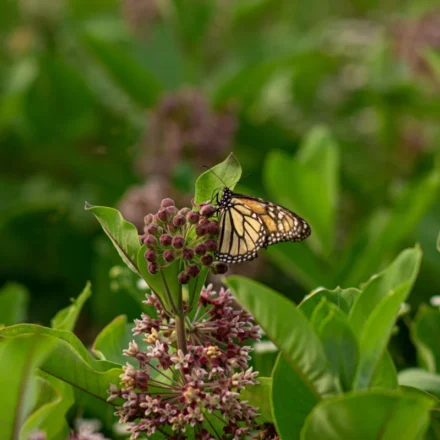
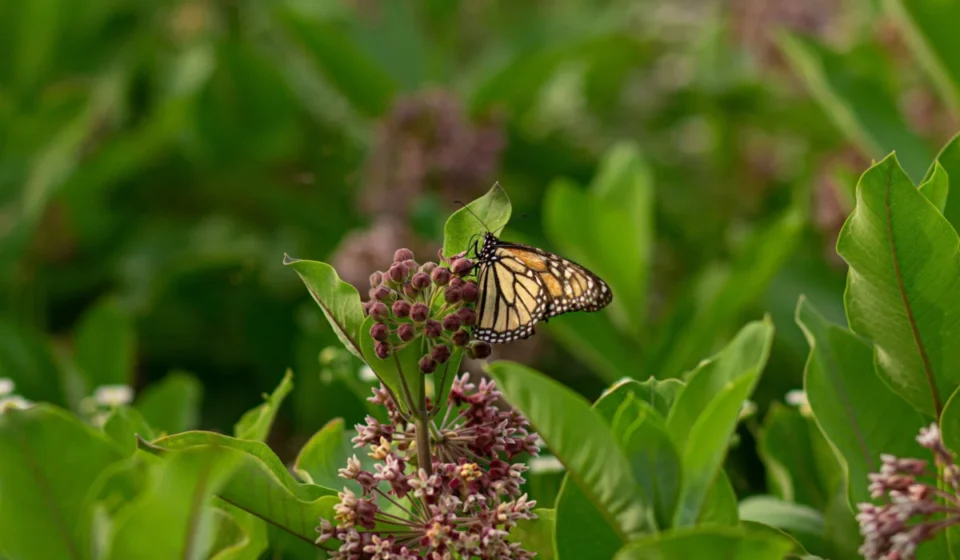
Furthermore, the "Pollinator Crisis" has become a powerful marketing tool. The well-documented decline of the Monarch butterfly has served as a gateway for many gardeners. Because Monarch caterpillars depend exclusively on native milkweed, the plant has transitioned from a "pasture weed" to a backyard essential.
"We’re not fighting against the climate here," says Lourdes Valenzuela, a retired schoolteacher and long-time Kilbourn volunteer. "We’re working with it. It’s what’s native to this area, and they’re beautiful."
Implications: The Future of Urban Landscaping
The implications of this shift extend far beyond the borders of Kilbourn Park. The mainstreaming of native plants suggests a fundamental re-evaluation of the "American Lawn."
1. Climate Mitigation and Urban Resilience
As cities grapple with the "urban heat island" effect and increased flooding, the integration of native plants into private and public landscapes offers a low-cost, high-impact solution. By replacing non-functional turf with native "rain gardens," municipalities can reduce the strain on aging sewer systems.
2. Biodiversity Corridors
The success of sales like Kilbourn’s means that thousands of "habitat islands" are being created in residential backyards. When connected, these yards form "biodiversity corridors" that allow insects and birds to migrate through urban environments that were previously ecological deserts.
3. Economic Opportunities for Local Nurseries
The 350% growth seen by companies like Prairie Moon Nursery indicates a robust secondary economy. As demand outstrips supply, there is significant room for new small-scale growers and native-focused landscaping businesses to emerge.
4. Educational Shifts
The revenue generated from these sales is being reinvested into education. The $25,000 goal (which was nearly doubled) for Kilbourn’s new outdoor learning center will ensure that the next generation of Chicagoans views native plants not as "weeds," but as the foundation of a healthy ecosystem.
Conclusion
As Renee Costanzo and her team of volunteers at Kilbourn Park reflect on their record-breaking year, the message is clear: the era of the purely ornamental garden is fading. In its place is a more intentional, ecologically-minded approach to land stewardship.
The sight of 2,300 people lining up for $4 plants is more than just a successful community event; it is a signal of a deepening connection between urban residents and the natural heritage of their region. By embracing the plants that have called the Midwest home for millennia, gardeners are doing more than just beautifying their homes—they are planting the seeds of a more resilient, biodiverse future.
As Neil Diboll of Prairie Nursery puts it, this is no longer a niche hobby. It is a "long, steady climb" toward a more sustainable way of living with the land. And if this year’s sales are any indication, the peak of that climb is still a long way off.