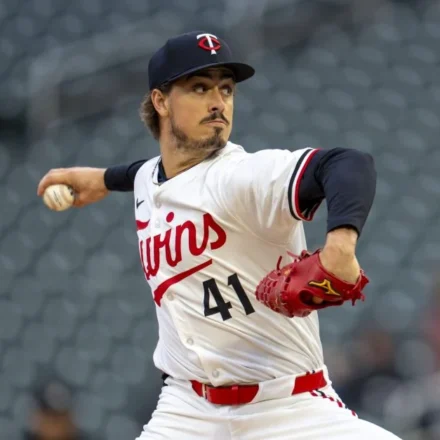
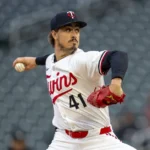



































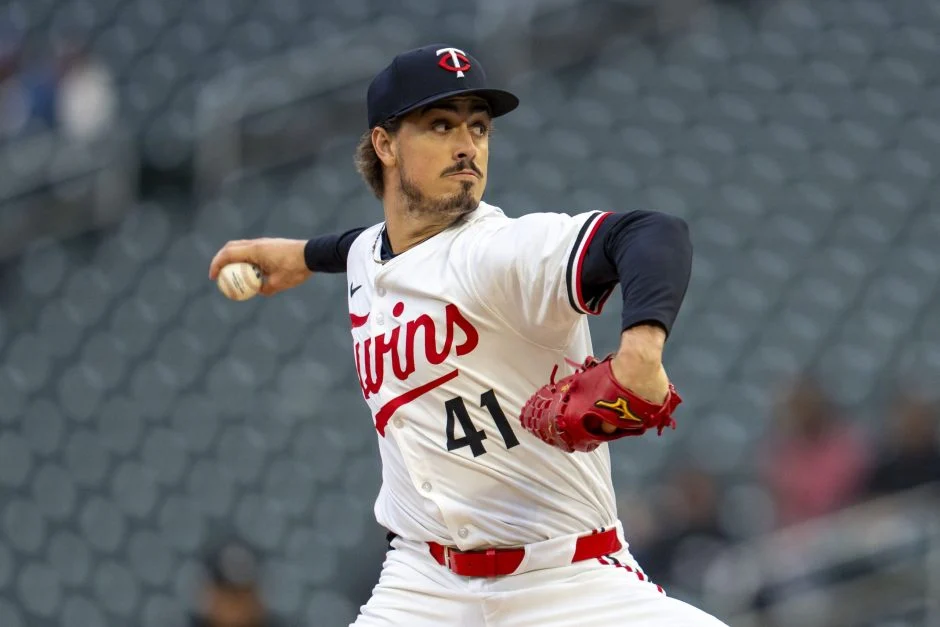



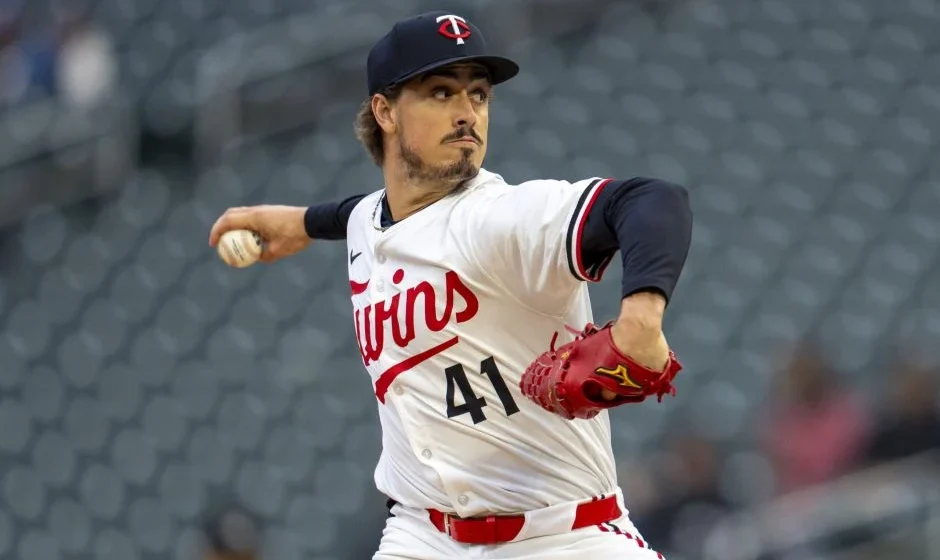

As the calendar turned from June to July, the American League landscape resembled a collective stumble toward mediocrity. In a league of 15 teams, only six boasted a record at or above .500. Even more telling was the American League Wild Card race, where five teams—including the Minnesota Twins—remained within 4.5 games of the third and final postseason berth. Yet, not a single one of those five clubs possessed a winning record.
For the Minnesota Twins, this is not merely a statistical quirk; it is a symptom of a franchise grappling with a profound identity crisis. Despite a front-office overhaul, a new manager, and a transition in leadership at the top of the Pohlad family ownership, the club remains stuck in a cycle of uninspired play and dwindling fan engagement. As the August 3 trade deadline looms, the Twins are forced to confront an uncomfortable reality: the "win-now" mandate from chairman and CEO Tom Pohlad is colliding violently with a roster built on budget-conscious gambles and defensive instability.
A Chronology of Decline: From Potential to Patchwork
The erosion of the Twins’ competitive edge did not happen overnight, but the 2026 season has served as a crucible for their strategic failures.
Following a 2023 playoff run that ignited hope among the Minnesota faithful, the subsequent decision to slash payroll and pivot toward a selloff sent a chilling message to the fanbase: 2026 was not a year for contending. The organization’s hope was that internal development and versatile utility players could bridge the gap.
Instead, the experiment has largely failed. A cascade of injuries to core talent—most notably ace Pablo Lopez, who is sidelined for the season following Tommy John surgery; No. 3 starter Bailey Ober, currently battling elbow inflammation; and catcher Ryan Jeffers, who suffered a fractured hamate bone—has stripped the team of its veteran backbone.
The result is a defensive nightmare. By the start of July, the Twins ranked dead last in Major League Baseball in Defensive Runs Saved (DRS), recording negative metrics at every position except center field. This defensive ineptitude is most visible in the team’s inability to convert ground balls into outs; their 69.9% conversion rate sits well below the MLB average of 73.4%.
Supporting Data: The Cost of "Versatility"
The modern analytical approach to baseball emphasizes "positionless" players—athletes capable of playing multiple spots on the diamond. However, the Twins have pushed this philosophy to a breaking point, forcing players to learn new roles on the fly at the major league level rather than through dedicated developmental time.
The statistics compiled by Sports Info Solutions paint a grim picture:
- The Shortstop Void: The Twins recorded a -15 DRS at shortstop—the worst in the league by a seven-run margin. Both Tristan Gray and Brooks Lee logged -7 ratings, tying them for last among 112 ranked shortstops.
- The Infield Shuffle: To compensate for injuries and roster holes, the team has shuffled its Opening Day starters into foreign roles. Third baseman Royce Lewis, shortstop Brooks Lee, and second baseman Luke Keaschall have all been moved from their natural positions. Keaschall, specifically, has struggled to find his footing, posting a -6 DRS, tied for 134th out of 136 players at second base.
- Attendance Slippage: Despite a late-June series against the Dodgers that drew over 105,000 fans—including a sellout for a Shohei Ohtani start—the season-long attendance trend is alarming. Total gate receipts are lagging roughly 30,000 behind the 2025 pace, suggesting that the "happy hour" promotions and pregame concerts are failing to mask the product on the field.
Official Responses and Managerial Philosophy
Manager Derek Shelton has consistently defended the team’s tactical approach, citing the evolution of the modern game. "Very few players in the game today, unless you’re a superstar, play only one position," Shelton noted during a June press briefing.
Shelton’s mantra—"If you can play in the middle of the diamond, you can play anywhere"—is a traditional baseball axiom, yet it ignores the practical reality of professional execution. While talent may be transferable, mastery is not. The club’s tendency to shift players like Jorge Polanco (in past seasons) or current utility men into unfamiliar roles mid-season has created a chaotic defensive environment.
Chairman Tom Pohlad has struck a different tone, emphasizing that regardless of the structural changes or the "rebuilding" narrative, the team’s ultimate metric remains victory. "We have to win," Pohlad has reiterated. Yet, the disconnect between that mandate and the team’s current reliance on stop-gap players remains the primary source of tension between the front office and the fans.
Implications: The Looming Trade Deadline
As August 3 approaches, the Twins find themselves in a position that defies simple classification. While they are mathematically in the hunt, they are structurally deficient. The path forward involves two distinct options:
1. The "Buyer" Strategy (The Risky Path)
The club has an internal option to bolster the infield by calling up Kaelen Culpepper, a rising prospect from the Class AAA St. Paul Saints. However, the bullpen is a deeper, more expensive concern. With every contender in the league chasing relief help, the price for quality arms will be astronomical.
2. The "Retain and Invest" Strategy (The Strategic Path)
The most profound implication for the future of the franchise involves two players who have become the focal points of trade rumors: catcher Ryan Jeffers and starting pitcher Joe Ryan.
With both players entering critical career junctures—Jeffers approaching free agency and Ryan entering his prime at age 30—the temptation to trade them for prospect capital is high. However, doing so would further alienate a fanbase already weary of the "cycle of turnover."
Instead, the organization faces a pivotal choice: offer contract extensions to Jeffers and Ryan. In an era where teams often cycle through veteran talent like disposable equipment, securing these two would signal a genuine shift in the Pohlad-led era. It would provide the kind of mentorship that the club’s burgeoning prospects—like Culpepper and Walker Jenkins—desperately need.
The Verdict: Restoring Trust
The resentment lingering from the reversal of the club’s potential sale and the subsequent payroll cuts has created a "show me" environment at Target Field. The chants of "Sell the Team" may not vanish overnight, but the path to relevance in the American League Central is not found in the trade market’s bargain bin.
If Tom Pohlad truly intends to differentiate his tenure from the past, he must move beyond the business-as-usual approach of replacing established talent with cheaper, less experienced alternatives. Investing in Joe Ryan and Ryan Jeffers is not just a baseball move; it is an act of good faith.
The Twins are currently a team playing at a sub-optimal level, managed by a front office trying to solve 21st-century problems with 20th-century budget constraints. Whether they choose to push for the playoffs or fold their hand, the decision will define the trajectory of the franchise for the remainder of the decade. For a fanbase that has seen its patience tested time and again, the time for "rebuilding" rhetoric has passed. The time for tangible, long-term commitment has arrived.