
























































In a move that defines the next frontier of personal computing, Apple has unveiled its "Audio Intelligence" suite, a sophisticated collection of four AI-driven features integrated into the newly announced Apple Watch and powered by the cutting-edge S11 chip. While the technology promises to augment human memory and provide seamless digital assistance, it simultaneously ignites a complex debate regarding the ethics of "always-on" microphones and the sanctity of private spaces.
By processing ambient sound locally within a specialized hardware buffer, Apple is attempting to navigate the thin line between utility and intrusion. However, as the industry watches closely, the question remains: Can a device that is perpetually "listening" truly be considered private?
Main Facts: The Anatomy of Audio Intelligence
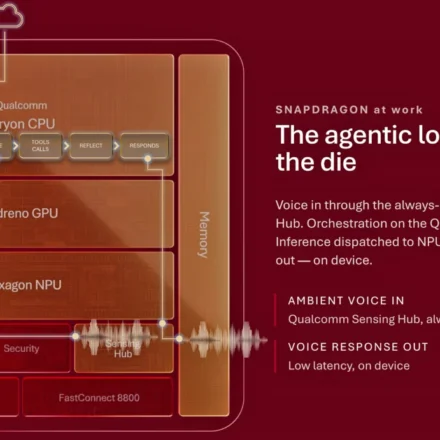
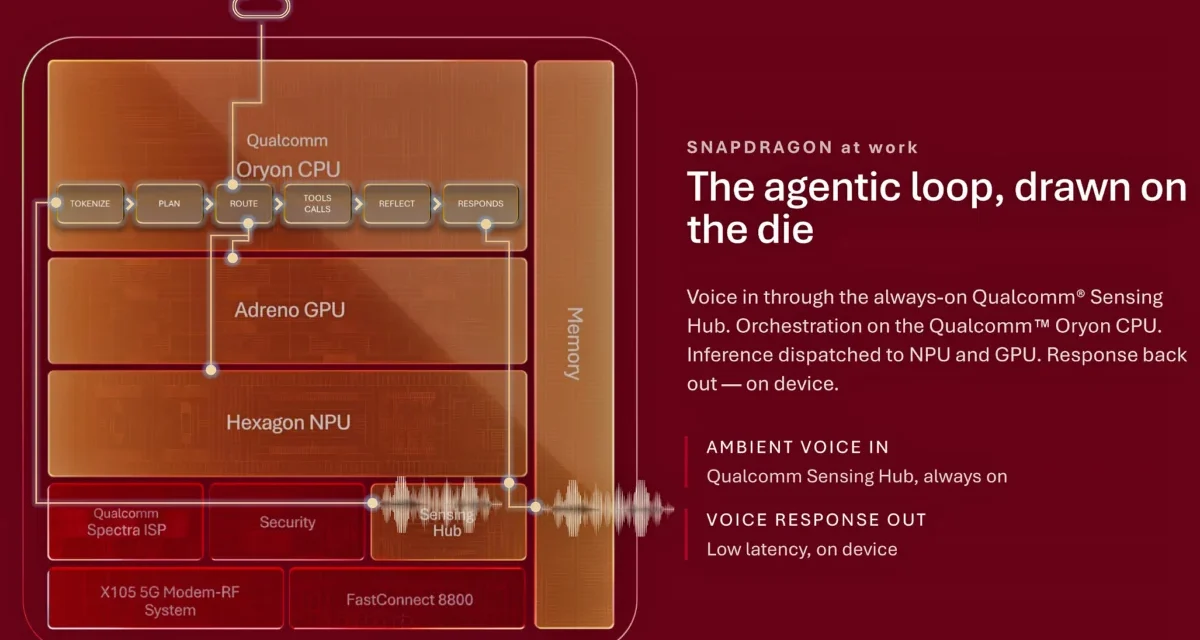
The Audio Intelligence feature set, unveiled alongside the iPhone Duo and the iPhone 18 Pro range, represents a significant leap in wearable computing. At its core, the technology relies on the S11 chip, which houses a dedicated Secure Enclave. This hardware-level sandbox is designed to handle audio processing without ever creating a permanent recording of the user’s environment.
The four core features—though yet to be fully detailed in their final operational state—rely on the following foundational pillars:
- Opt-in Governance: None of these features are enabled by default. Apple has placed the burden of consent squarely on the user.
- On-Device Processing: Audio never leaves the watch to be processed in the cloud. The S11 chip acts as the sole brain, transcribing and summarizing data within a protected, isolated memory buffer.
- Zero-Recording Architecture: The system uses a "continuously overwritten stream" mechanism. Once the buffer processes the necessary context, the raw audio data is discarded, ensuring that no historical audio footprint remains.
Chronology of a Controversial Launch
The road to the launch of Audio Intelligence was marked by intense speculation and last-minute revelations.
- Pre-Event Whispers: Rumors of "Siri AI" enhancements had been circulating for months. Industry analysts debated whether Apple would pivot toward a more aggressive AI strategy, particularly following competitive pressures from OpenAI, Google, and Meta.
- The Eve of Launch: Mere hours before the main event, industry insiders confirmed that Apple would include a new suite of audio-focused AI tools. The timing was strategic, allowing Apple to frame the announcement within the context of their broader privacy-first marketing narrative.
- Launch Day (Wednesday): Apple officially introduced the S11-equipped Apple Watch. The company took the stage not just to show off hardware, but to present a "Privacy White Paper" designed to preempt the inevitable backlash regarding constant microphone usage.
- Post-Launch Period: Currently, the tech community is engaged in a rigorous analysis of the "audio-verified pairing mechanism" that connects the Watch to the iPhone, assessing its vulnerability to external interception.
Supporting Data: How the "Secure Enclave" Works
To understand why Apple believes its system is secure, one must examine the technical architecture described in their official documentation. The S11 chip does not act as a traditional recorder; it acts as an auditor.
When the watch is active, the microphone captures ambient input. This input enters the Secure Enclave, a hardware partition on the S11 chip. Inside this black box, the processor performs real-time speech and sound pattern recognition. It extracts meaning—a summary of a conversation or a transcription of a note—and immediately flushes the raw audio buffer.
For features like "Siri Recap," the process is meticulously segmented:
- Input: Audio is captured by the microphone.
- Processing: The Secure Enclave parses the speech into text.
- Filtration: An onboard safety filter removes sensitive information, including financial data, personal identifiers, and potentially harmful language.
- Storage: Only the resulting text summary is encrypted and sent to iCloud, provided the user has enabled 2FA and has a secure device passcode.
The "Live Rewind" feature includes an additional layer of social etiquette: an audible chime triggers on the device to alert those nearby that the user is engaging with the recording-like functionality, attempting to mitigate the social discomfort of being "recalled."
Official Responses and Strategic Defenses
Apple has been proactive in addressing potential regulatory hurdles. In their official white paper, the company emphasizes that their architecture is fundamentally incompatible with the demands of surveillance states. Because no audio recordings are saved, even a government subpoena of an iCloud account would yield only text summaries—never the original audio.
However, the company remains silent on a critical issue for enterprise customers: Device Management (MDM).
As of this writing, there is no clear path for enterprise IT departments to globally disable Audio Intelligence across a fleet of managed devices. This poses a massive security risk in environments like corporate boardrooms, healthcare facilities, or government agencies where confidentiality is paramount. Critics argue that until Apple releases an API allowing administrators to kill this feature at the OS level, the Apple Watch may be banned from sensitive environments.
Implications: The EU, Hackers, and the Future of AI
The introduction of this technology creates several friction points that will define Apple’s next decade.
The Digital Markets Act (DMA) Conflict
In Europe, the DMA mandates "interoperability." Regulators may eventually demand that Apple allow third-party developers access to the same audio data streams that the Apple Watch uses. Apple has currently opted to withhold these features from the EU market entirely. This is a high-stakes standoff: either Apple modifies its closed ecosystem to satisfy European law, or it accepts a permanent disadvantage in the European wearables market.
The Security Landscape
Hackers are notoriously persistent. While the Secure Enclave is a formidable defense, cybersecurity experts suggest that the "handshake" between the Watch and the iPhone is a potential vector for attack. If an adversary can compromise the encrypted communication channel during the data-transfer phase, the "privacy" of the system could be unraveled.
The "Vision Intelligence" Precursor
The industry is already looking ahead to the next phase: AirPods equipped with cameras. Many analysts believe that Audio Intelligence is merely a testbed for "Vision Intelligence." If Apple succeeds in normalizing the idea of an AI that listens to our every word, the path is cleared for an AI that "sees" our every move.
The security model established here—processing in a Secure Enclave, discarding raw data, and storing only summaries—will almost certainly be the template for future AR/VR peripherals.
Critical Reflection: Are We Ready?
Apple’s attempt to deliver "intrusive technology" through a "responsible lens" is a masterclass in corporate branding. By framing the product as a private, secure assistant, they hope to avoid the "creepy" factor that has plagued other voice-activated devices.
Yet, the social implications are profound. When we normalize the use of always-on AI in our workplaces and social gatherings, we are fundamentally altering the nature of human spontaneity. We are inviting a digital intermediary into our most private conversations.
Apple may have built the most secure "listening" device in history, but that does not necessarily mean the world is ready for a device that is always listening. As these features roll out, the responsibility shifts from the engineers at Cupertino to the users. We must decide if the convenience of a recap is worth the cost of a world where our ambient environment is constantly being distilled into data—even if that data is stored in the most secure vault ever built.
As the tech sector moves forward, Apple is setting the bar for privacy. The question is no longer whether we can build such powerful tools, but whether we should allow them to become an inseparable part of our daily existence. The conversation has only just begun.