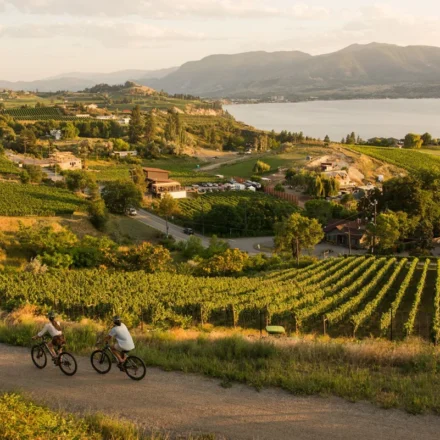






















































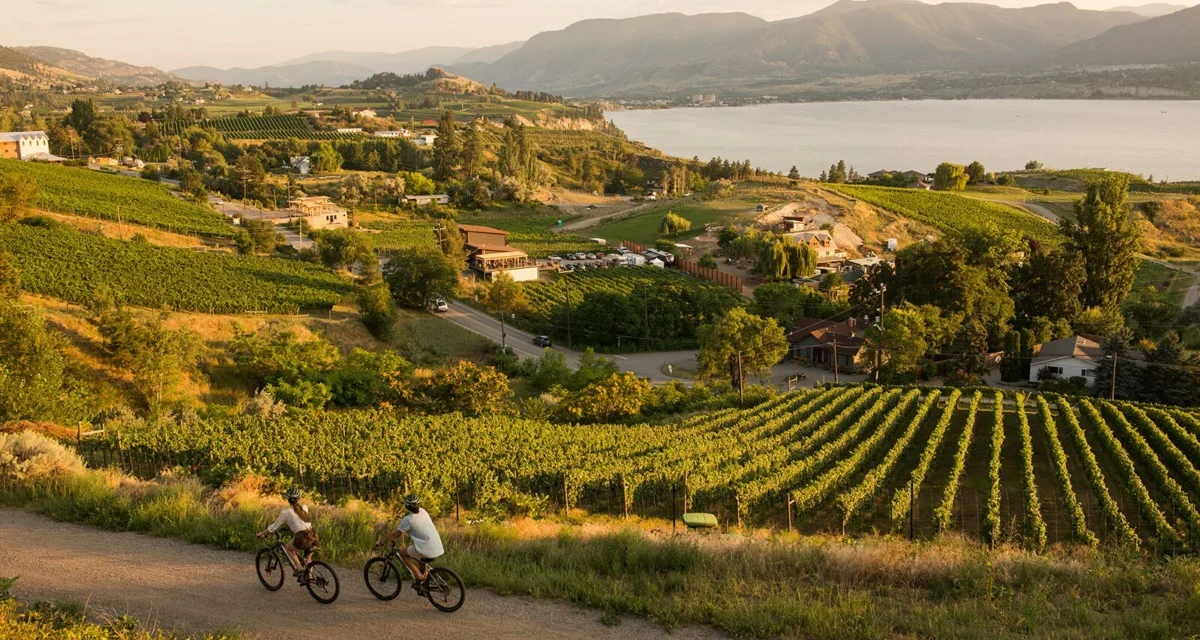

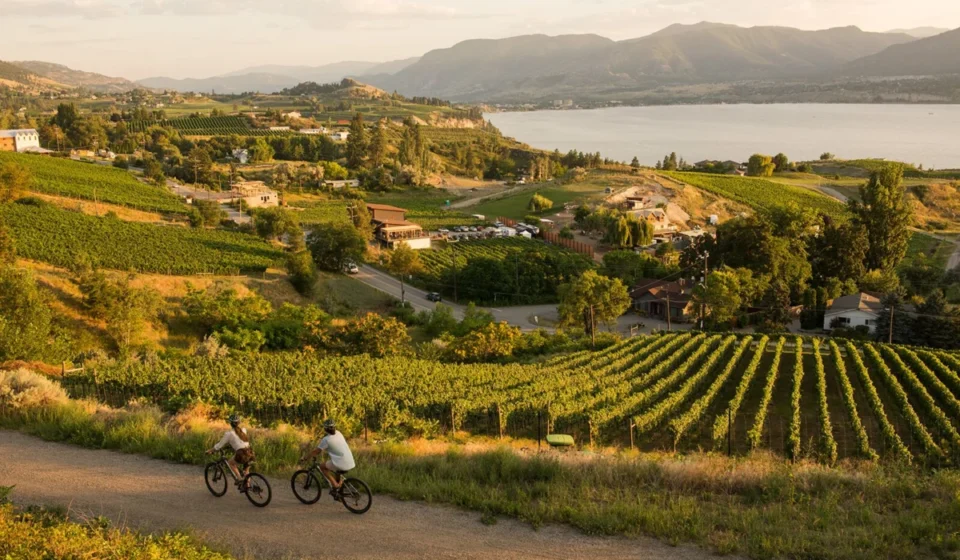

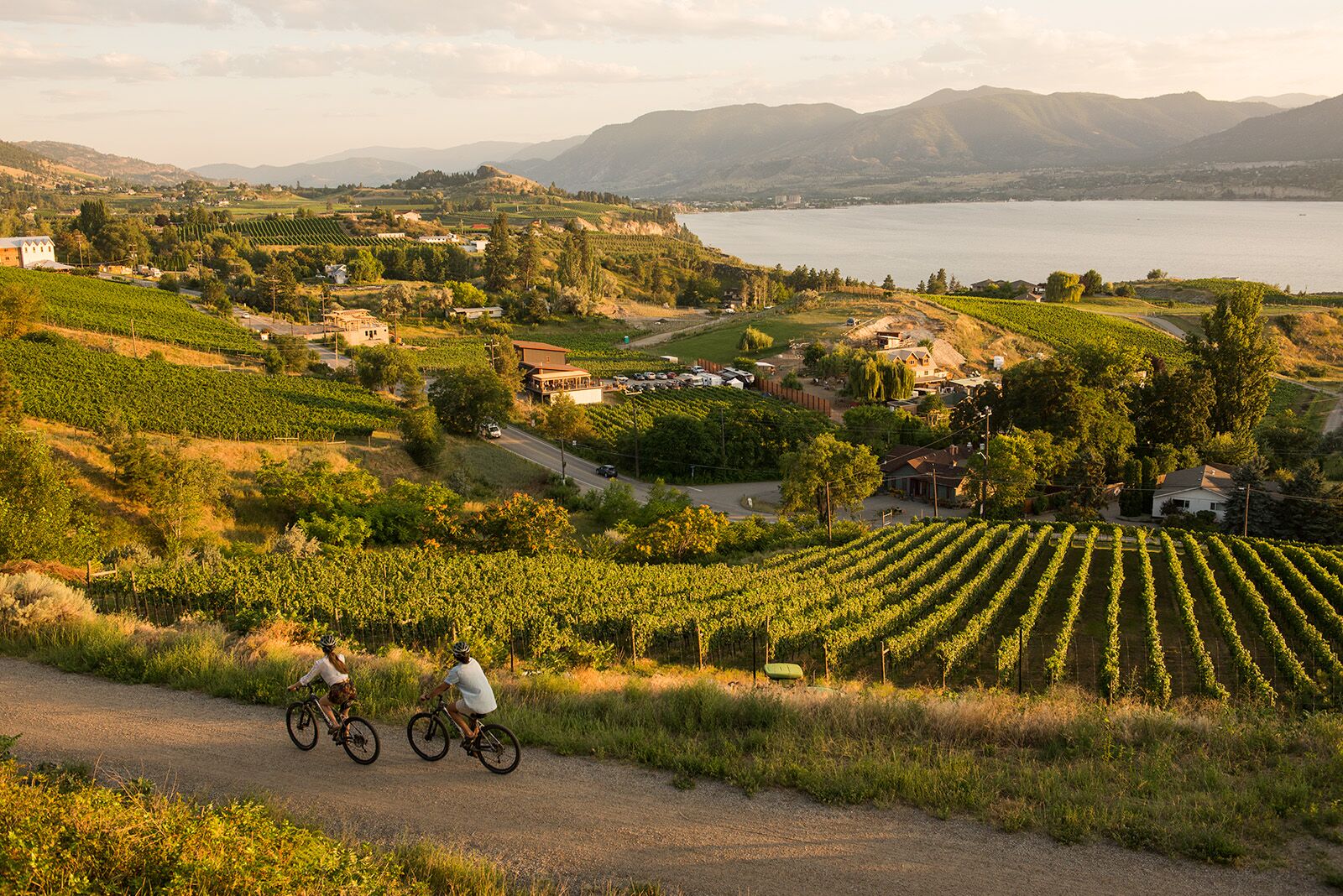
From the sun-drenched patios of the CedarCreek Estate Winery in Kelowna, British Columbia, the view is a living masterpiece. Below, a verdant tapestry of pinot noir, riesling, and chardonnay vines slopes gently toward the deep, sapphire expanse of Okanagan Lake. This landscape is not merely a scenic backdrop; it is the engine of a regional culinary movement that has placed this interior valley on the global map.
Recognized as Canada’s first UNESCO Creative City of Gastronomy, Kelowna and the surrounding Okanagan Valley represent a triumph of agricultural biodiversity. Here, the "farm-to-table" philosophy is not a marketing trend—it is a way of life, dictated by the rhythm of the seasons and the unique volcanic and glacial terroir of the region.
The Foundations of a Culinary Haven: Main Facts
The Okanagan Valley stretches from Vernon in the north to the arid borderlands of Osoyoos in the south. This 200-kilometer corridor is defined by Highway 97, a route that ribbons through orchards, fruit stands, and more than 200 distinct wineries. With over 60 grape varieties thriving in the valley’s hot summers and extended growing seasons, the region has matured into a world-class wine destination.
The fall season is widely considered the "secret season" for travelers. As the post-Labor Day crowds dissipate, the valley enters its most productive phase: the harvest. This is when the air turns crisp, the foliage catches fire with hues of gold and crimson, and the wineries open their doors with a level of intimacy and accessibility rarely found in established global wine regions.
A Three-Day Odyssey: A Chronological Guide
Day 1: The Kelowna Core and the Art of the Pour
Upon arrival at Kelowna International Airport, the journey begins by crossing the iconic floating bridge, a gateway to the West Kelowna wine subregion.
Lunch: A stop at Quails’ Gate Estate Winery is essential. Since 1999, their Old Vines Restaurant has championed a hyper-local mandate. Expect plates featuring zucchini, beets, and cucumbers sourced from neighboring farms, paired with sustainably caught West Coast seafood.
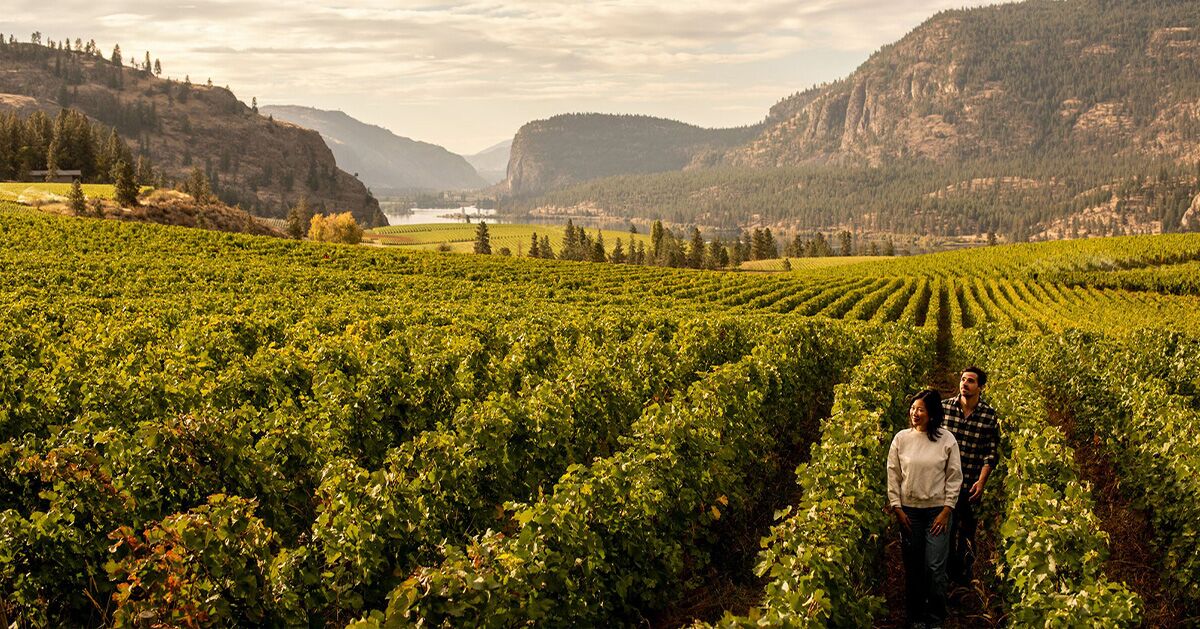
Afternoon: Retreat to the historic Hotel Eldorado—a landmark of lakeside elegance. To fully appreciate the East Kelowna Slopes, book a guided excursion with Okanagan Wine Country Tours. This allows for a stress-free immersion into the viticulture of Tantalus Vineyards, renowned for its heritage riesling vines, and the charming, orchard-adjacent setting of The View.
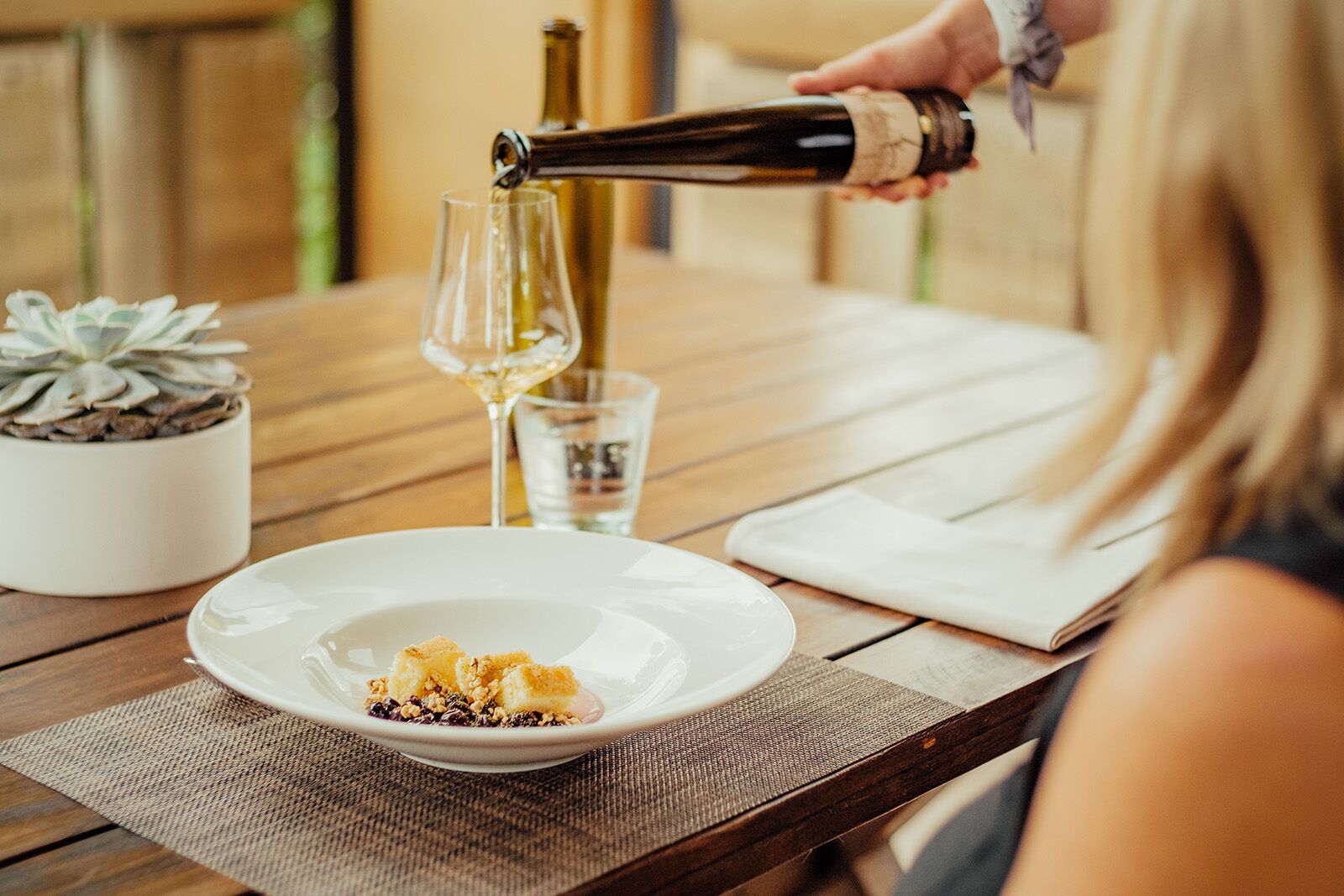
Evening: For dinner, head downtown to Waterfront Wines. Executive Chef Mark Filatow, who holds the dual distinction of chef and sommelier, curates a "wine library" of over 300 labels. Conclude the evening back at the hotel with a Canadian Old Fashioned, accented with local maple syrup, while watching the reflection of city lights shimmer across the lake.
Day 2: Two Wheels and the Trestles of Naramata
After a morning espresso from the acclaimed Sandrine French Pastry & Chocolate, navigate the scenic hour-long drive to Penticton.
Breakfast: Fuel up at Wayne & Freda, a local favorite. Their signature "Bacon" breakfast sandwich—featuring a farm-fresh egg and local cheddar—provides the necessary stamina for the day’s physical activity.
Mid-Day: Rent an e-bike from Freedom Bike Shop to traverse the historic Kettle Valley Rail Trail. This path is a marvel of engineering, featuring massive wooden trestles and the "Little Tunnel," a granite passage carved by hand for steam locomotives in the early 20th century. The route offers panoramic views of the valley floor, eventually leading to the village of Naramata. For a light lunch, visit Just Baked for a focaccia sandwich or Terroir Kitchen at Serendipity Winery for a refined cheese board.
Afternoon/Evening: Return to Penticton and check into the Penticton Lakeside Resort. During the fall and winter months, the resort offers a unique floating sauna experience—a must-do for post-cycle recovery. Dine at Elma, where Turkish-inspired dishes like charred eggplant and grilled artichokes showcase the versatility of local Okanagan produce.
Day 3: The Desert’s Bounty in Osoyoos
The drive south toward Osoyoos marks a dramatic transition in the landscape. The lush, alpine-adjacent greenery gives way to the sagebrush-dusted hills of Canada’s only pocket desert.
Morning: Immerse yourself in the history of the Syilx Okanagan Nation at the Nk’Mip Desert Cultural Centre. Through immersive storytelling and interpretive trails, visitors gain a profound understanding of the Indigenous heritage that has stewarded this land for millennia.
Lunch: The experience continues at the adjacent Nk’Mip Cellars, the first Indigenous-owned and -operated winery in North America. Their seasonal restaurant, Sweetgrass, offers a menu that honors Indigenous ingredients—try the bison meatballs with Saskatoon berry glaze or the fry bread turkey sandwich.
Afternoon: The return drive to Kelowna is the perfect time to visit the fruit stands of Oliver and Summerland. These roadside markets offer the freshest preserves, orchard-picked apples, and late-harvest pears, allowing you to bring a piece of the valley home with you.
Supporting Data: The Valley’s Economic and Agricultural Scope
The success of the Okanagan is rooted in its unique climatic variables. The valley’s distinct "micro-climates" allow for a staggering diversity of crops. While the southern end (Osoyoos) experiences high-desert temperatures ideal for big reds like Cabernet Sauvignon and Syrah, the cooler northern reaches are perfectly suited for aromatic whites and Pinot Noir.
According to regional agricultural boards, the "Valleys & Vineyards" corridor generates millions in annual revenue, but more importantly, it supports a dense network of small-batch producers. The collaboration between chefs and farmers is supported by a robust infrastructure of farmers’ markets and farm-gate sales, which minimize the carbon footprint of the dining industry while maximizing freshness.
Official Responses and Culinary Philosophy
Local culinary leaders often cite the "collaborative spirit" as the defining factor of the Okanagan’s success. Chef Neil Taylor of Home Block at CedarCreek notes that the relationship between the kitchen and the soil is direct: "When you are harvesting herbs from the same estate where the grapes are grown, the menu writes itself. The wine informs the food, and the food celebrates the wine."
Tourism boards and UNESCO representatives have lauded the region for its commitment to "gastronomic integrity." By refusing to prioritize mass-industrialization, the Okanagan has maintained a "refreshingly unpretentious" atmosphere. Local officials emphasize that the UNESCO designation is not just about fine dining; it is about the preservation of agricultural practices and the promotion of cultural heritage through the medium of food.
Implications for Future Travelers and the Region
The long-term implication of the Okanagan’s rise is a shift in how Canadian tourism is perceived globally. No longer just a destination for outdoor sports, the region has secured its place as a sophisticated gastronomic hub.
For the traveler, this means higher expectations but also higher rewards. The infrastructure is expanding to meet this demand, with new boutique accommodations and culinary schools popping up along the Highway 97 corridor. However, the region’s biggest challenge remains sustainability. As the valley gains popularity, the pressure to protect its limited water resources and agricultural land becomes paramount.
For now, the Okanagan remains a place where one can still find a $10 tasting in a quiet cellar, talk directly to the winemaker, and eat a meal that was harvested that morning. Whether you are seeking the thrill of a mountain bike trail or the quiet contemplation of a sunset over the lake, the "Valleys & Vineyards" offer a roadmap to a deeper connection with the food on your plate and the land that grew it. It is a destination that demands, and rewards, a slow, deliberate pace of exploration.