























































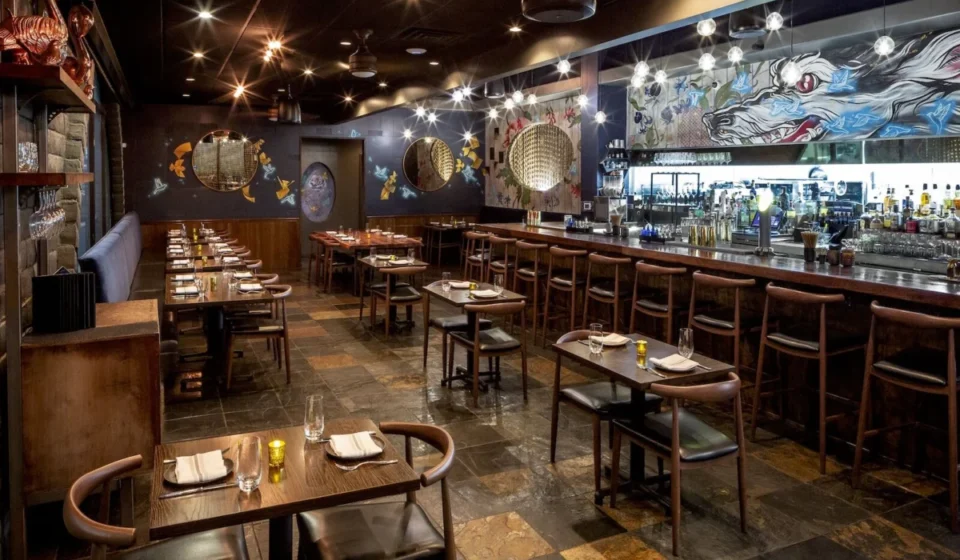

After a sixteen-year hiatus that left the culinary world speculating, the prestigious Michelin Guide has officially returned to Las Vegas. The 2026 Southwest guide marks a transformative moment for the region, signaling that the desert city’s dining scene has matured from a collection of glitzy, celebrity-chef-driven casino outposts into a sophisticated, diverse, and deeply authentic gastronomic destination.
The Hierarchy of Excellence: Stars and Accolades
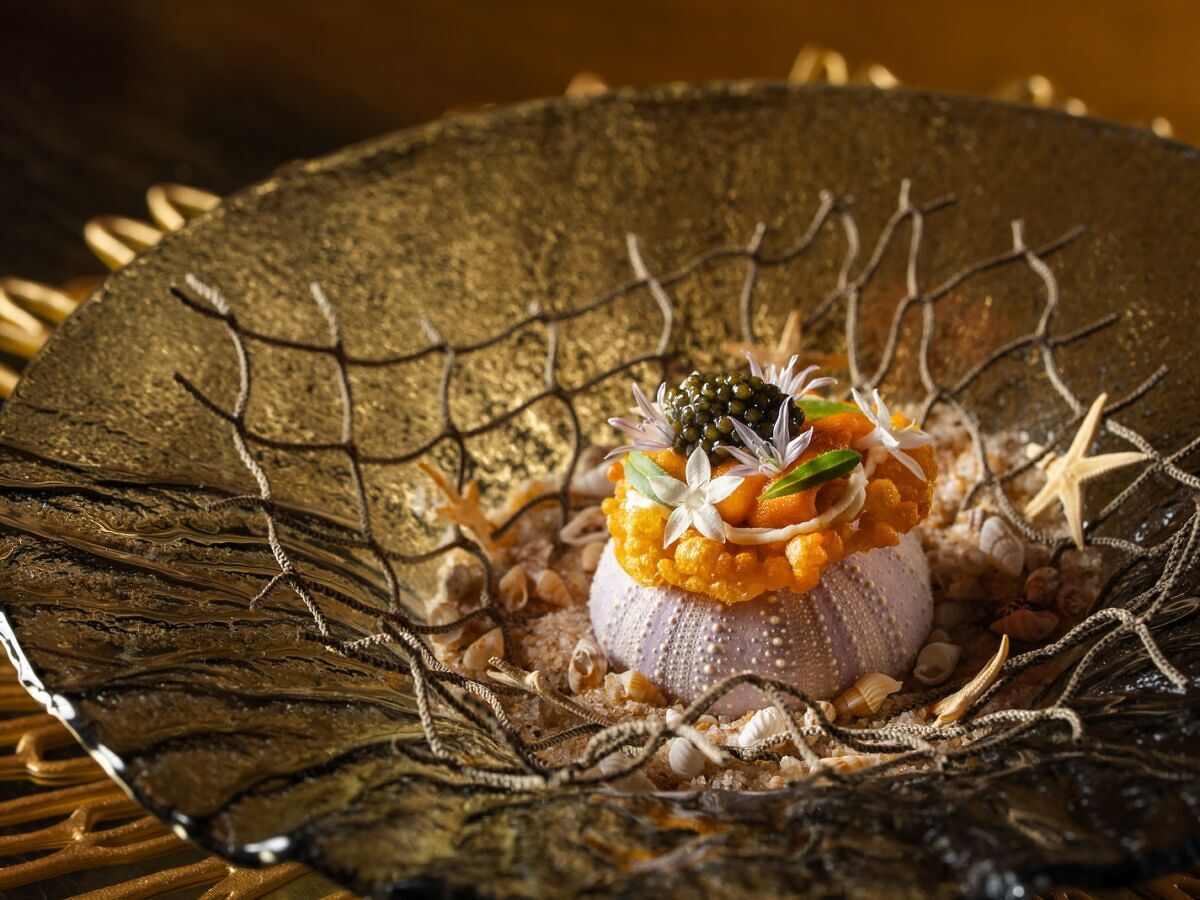
The pinnacle of this year’s rankings is Restaurant de Joël Robuchon at the MGM Grand. Retaining its status as the city’s crown jewel, the French bastion secured two Michelin stars. It stands as the only establishment in the entire four-state Southwest region to achieve this high-tier recognition. While the restaurant previously held three stars during the Guide’s initial run in the late 2000s, its current two-star rating reaffirms its place at the top of the local food chain, where a multi-course degustation menu begins at $525 per person.
The one-star category highlights a blend of classic luxury and emerging contemporary flair. Restaurant Guy Savoy at Caesars Palace and L’Atelier de Joël Robuchon at the MGM Grand—the latter serving as a more approachable, counter-seating alternative to its two-star sibling—both secured a single star. Representing the Spanish contemporary movement, é by José Andrés at The Cosmopolitan of Las Vegas also earned a star, solidifying its reputation as one of the most exclusive and innovative dining rooms in the city.
In a move that surprised many industry observers, the guide extended its reach beyond the Nevada state line. Monte in Salt Lake City, Utah, earned a single Michelin star for its contemporary American cuisine, serving as the only non-Vegas restaurant in the guide to receive a star.
Beyond the stars, the guide recognized excellence in service. Sean Christopher of Restaurant de Joël Robuchon was honored with the Michelin Outstanding Service Award, a testament to the seamless, world-class choreography required to manage a dining room of that caliber.
The "Bib Gourmand": Celebrating Accessible Excellence
While Michelin stars capture the headlines, the "Bib Gourmand" designation provides a crucial service to the everyday diner. Named after Bibendum, the Michelin Man, this award identifies establishments that offer high-quality, inventive cuisine at a moderate price point.
For the 2026 guide, three Las Vegas institutions stood out:
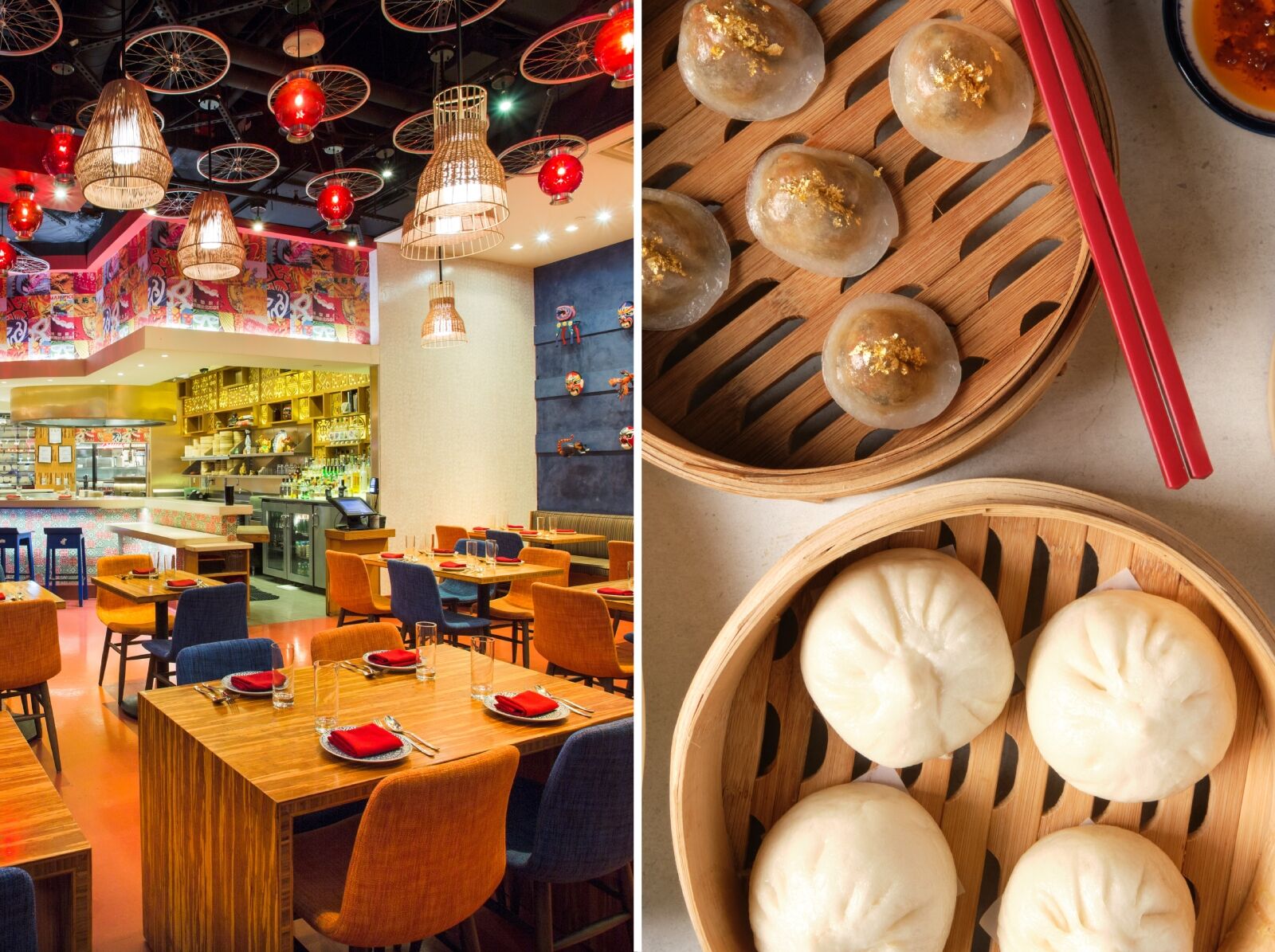
- China Poblano at The Cosmopolitan: A vibrant intersection of Chinese and Mexican flavors.
- Esther’s Kitchen in the Arts District: A local favorite celebrated for its house-made pastas and seasonal ethos.
- YEN Viet Kitchen on Decatur Boulevard: A standout for authentic, high-quality Vietnamese dishes.
This inclusion is particularly significant, as it marks a departure from the "Strip-only" focus that characterized the 2008 launch, proving that the Michelin inspectors have ventured deep into the city’s neighborhoods to uncover the true heartbeat of the local food scene.
A City Recommended: The Depth of the Scene
The "Recommended" list serves as a broad indicator of quality across the city’s varied landscape. Seventeen restaurants earned this nod, reflecting a mix of legacy names and independent culinary gems:
- Anima by Edo
- Bouchon
- Cote Las Vegas
- Estiatorio Milos
- Gymkhana Las Vegas
- Kabuto
- Kame Omakase
- Lamaii
- Michael Mina
- Mott 32
- Partage
- Pho Ga Bac Bac
- Ping Pang Pong
- SoulBelly BBQ
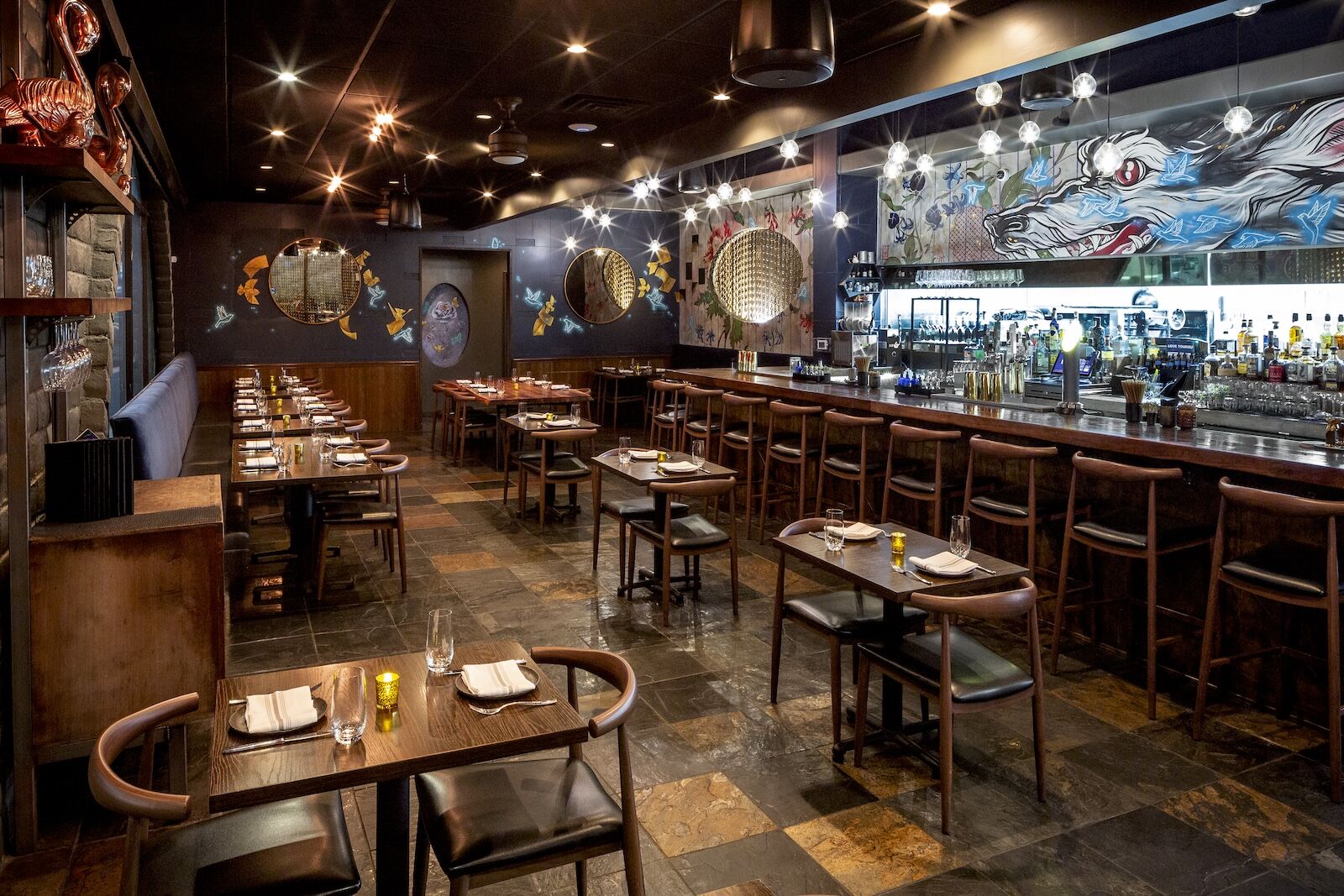
- Sparrow + Wolf
- Stubborn Seed Las Vegas
- Wing Lei
The inclusion of spots like Sparrow + Wolf, Lamaii, and Pho Ga Bac Bac highlights a growing trend: the shift of Las Vegas’s culinary identity away from the casino floor and into the vibrant, independent communities of the Las Vegas Valley.
A Chronology of the Michelin-Vegas Relationship
The history of the Michelin Guide in Las Vegas is a study in economic cycles.
- 2007: The inaugural Michelin Guide for Las Vegas debuts. The guide was an instant sensation, with Restaurant de Joël Robuchon becoming the city’s first three-star restaurant.
- 2008: The global financial crisis hits. The hospitality industry, particularly in gaming-centric cities like Las Vegas, faces severe contraction.
- 2009: An update is published, but it becomes the last for the city. Shortly after, a representative for Michelin announces to the LA Times that the guide will suspend operations in Las Vegas and Los Angeles, citing the "economic environment."
- 2010–2025: A long winter. During this time, the city’s dining scene undergoes a massive transformation, moving from "celebrity chef vanity projects" to legitimate, chef-driven kitchens. Despite the lack of an official guide, the quality of dining in the city reaches an all-time high.
- 2026: The triumphant return. Michelin publishes the Southwest Guide, re-evaluating the city’s current landscape based on modern standards.
Official Responses and Methodology
Michelin has been transparent about the "reset" of the Las Vegas guide. Company representatives have emphasized that the 2026 ratings are not a continuation of the 2009 list. "The MICHELIN Guide launched in Las Vegas in 2008, in the wake of the global economic crisis," a spokesperson noted in a statement to local media. "As a result, the Guide chose to remove the city from its list of destinations."
The current process relies on anonymous inspections that occur throughout the year. The inspectors, who operate under a veil of strict secrecy, evaluate restaurants based on five criteria: quality of the ingredients, mastery of flavor and cooking techniques, the personality of the chef in the cuisine, value for money, and consistency between visits. This rigorous, standardized approach ensures that the 2026 guide reflects the current culinary reality of Las Vegas, rather than nostalgia for the past.
Implications: What This Means for the Future
The return of the guide is more than a marketing coup for the Las Vegas Convention and Visitors Authority; it is a validation of the city’s maturity.
1. Decentralization of Fine Dining: The fact that so many "Recommended" and "Bib Gourmand" spots are located off the Strip proves that the city’s culinary scene is no longer tethered to the casino business model. Investors and chefs are increasingly confident in opening high-concept, neighborhood-focused restaurants, knowing that there is a local and tourist audience willing to travel for quality.
2. The "Michelin Effect": Historically, a Michelin star brings an immediate surge in reservations and international prestige. For Las Vegas, this will likely lead to a new wave of culinary tourism. As the city attempts to rebrand itself as a global sports and entertainment capital, the inclusion in the Guide provides the necessary "gastronomic credibility" to compete with New York, London, and Tokyo.
3. Setting a New Standard: The absence of a three-star restaurant in the 2026 guide (compared to the 2008 debut) suggests that the inspectors have set a higher bar for the city. It serves as a challenge to the local culinary community: to not just exist in luxury, but to innovate, refine, and push the boundaries of what is possible in the desert.
As the city digests these results, one thing is clear: Las Vegas is no longer just a place to eat while you gamble. It is, undeniably, one of the most exciting, eclectic, and high-performing food cities in the world. The Red Guide has returned, and it has found a city that has finally come into its own.