



















































For decades, the city of Hull and its surrounding East Riding landscape were frequently relegated to the bottom of national "worst places to live" lists. Often characterized by an industrial, rain-lashed reputation, the region was unfairly dismissed by those who saw only its rust-belt history. However, a quiet, profound transformation has taken place. Today, the area—anchored by a revitalized Hull and the pastoral serenity of the Yorkshire Wolds—has emerged as a compelling destination for culture seekers, outdoor enthusiasts, and those looking for an authentic, uncrowded slice of Northern England.
The Hull Renaissance: From Industrial Port to Cultural Dynamo
Main Facts: A City Reborn
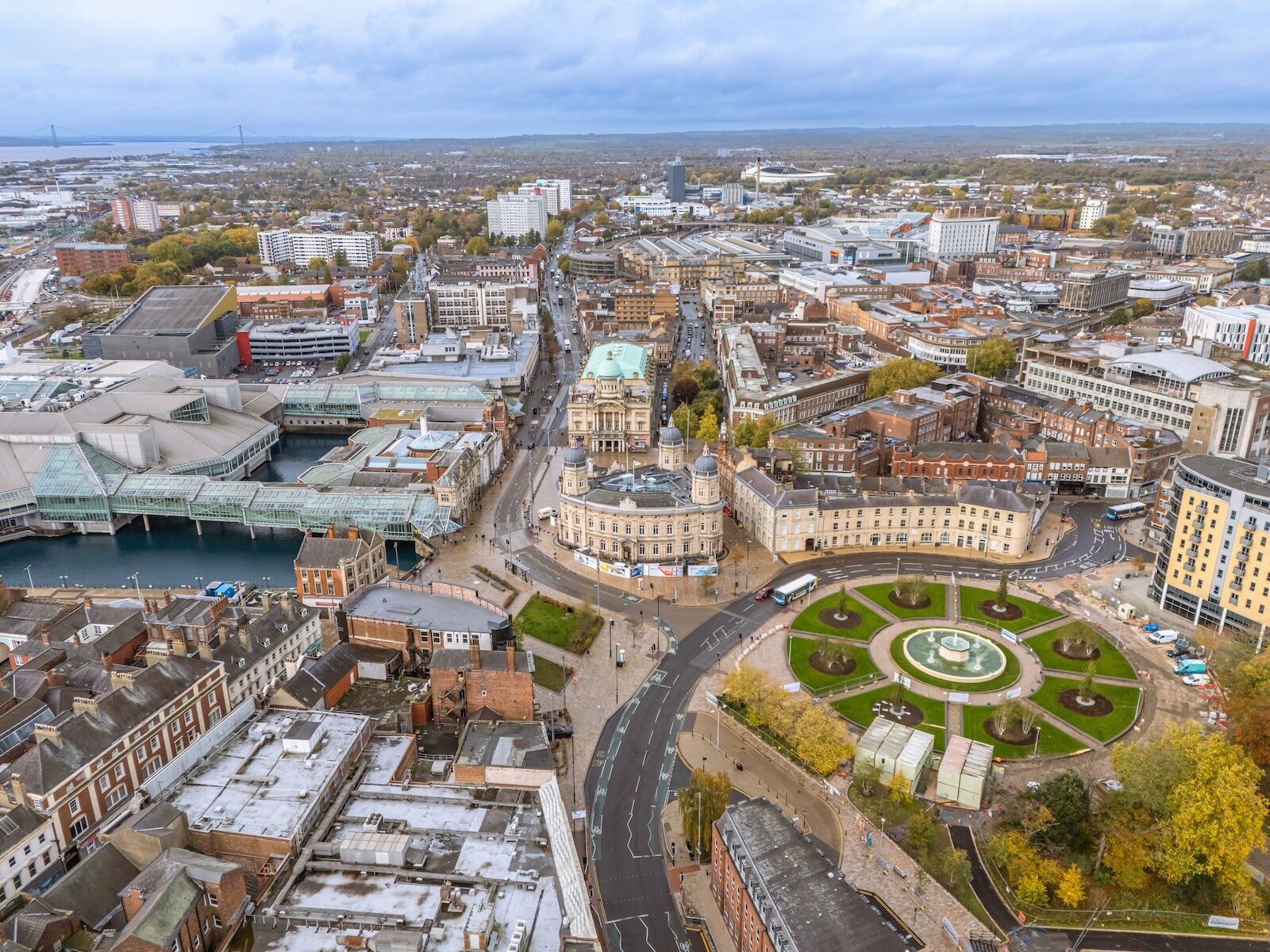
The turning point for Hull came in 2017 when it was officially designated the UK’s City of Culture. This was not merely a marketing exercise; it was the catalyst for a massive urban renewal project that reconnected the city with its maritime identity. Today, Hull—often playfully referred to as "Hullywood" due to its rising popularity as a film location—boasts a unique blend of historical gravitas and modern creative energy.
Unlike many major urban centers, Hull offers a rare sense of "breathability." Its city center is heavily pedestrianized, featuring wide thoroughfares that allow visitors to move comfortably between its many free-to-enter museums. The city’s architectural landscape is dominated by the confluence of the River Hull and the Humber Estuary, where The Deep, one of the world’s most impressive aquariums, stands as a architectural marvel in the shape of a ship’s prow.
Chronology of Transformation
- Pre-2017: The city struggled with economic stagnation, often appearing on negative national index reports.
- 2017: Hull assumes the title of UK City of Culture, sparking significant public and private investment in infrastructure and arts programming.
- 2018–2023: The "Fruit Market" district is fully revitalized, transforming derelict dockside warehouses into a vibrant ecosystem of independent galleries, bars, and eateries.
- Present Day: The city has successfully rebranded as a creative hub, attracting a new generation of entrepreneurs and tourists who value its accessible, walkable, and authentic urban culture.
The Yorkshire Wolds: Hiking the Way of Nomads
Moving away from the urban grid, the East Riding offers a sprawling, chalky wilderness that stands in stark contrast to the dramatic crags of the Dales or the ruggedness of the North York Moors.
Supporting Data: Trails and Accessibility
The Yorkshire Wolds Way is a 79-mile National Trail that runs from the banks of the Humber at Hessle to the seaside town of Filey. Requiring five to six days to complete, the trail is uniquely accessible due to its minimal elevation gain, making it an ideal entry point for novice backpackers.
- The Fridaythorpe Loop: A seven-mile circular route offering an immersive experience in agricultural pastures and quiet, rolling hills.
- Wharram Percy: A 2.7-mile trail leading to the site of an abandoned medieval village, a hauntingly beautiful reminder of the Black Death’s impact on the region.
- Wold Rangers Way: A 44-mile route paying homage to the 19th-century itinerant farm workers who once navigated these hills.
The low foot traffic on these trails provides a rare opportunity for solitude. In an era of "over-tourism," the Wolds offer a genuine escape where one can walk for miles without encountering another soul.
The Coastal Frontier: Wildlife and Aviation History
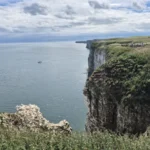
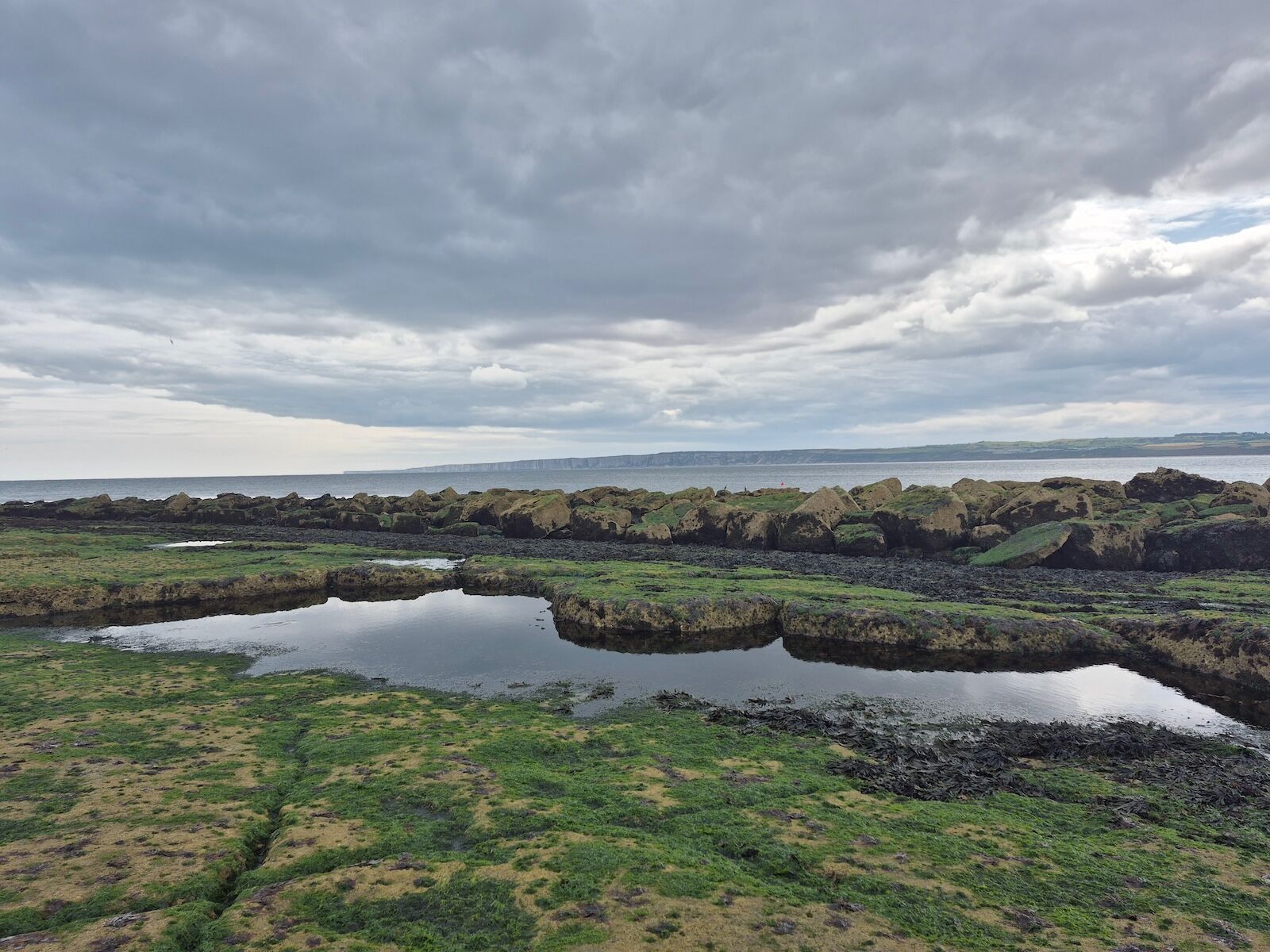
The East Riding coastline is a study in contrasts, ranging from the dramatic chalk cliffs of Bempton to the traditional, family-friendly atmosphere of Bridlington.
Biological and Historical Significance
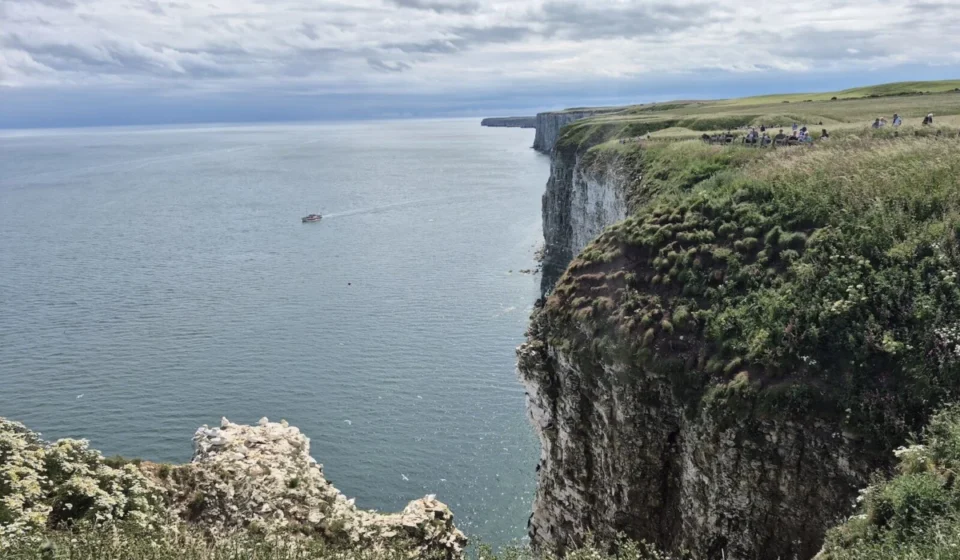
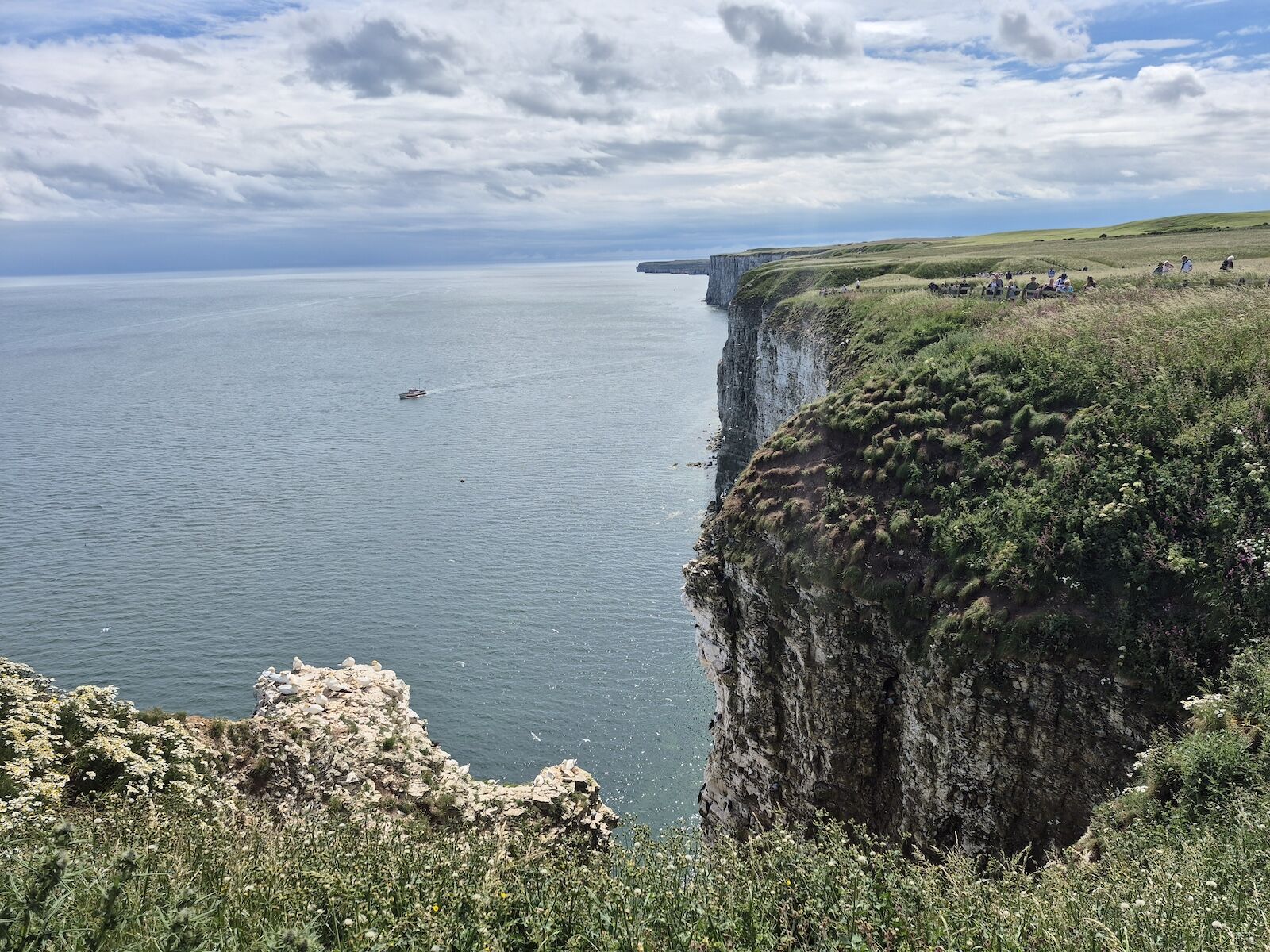
Bempton Cliffs, a site of Special Scientific Interest (SSSI), is arguably the crown jewel of the coast. During the summer months, the cliffs become a bustling metropolis for puffins, gannets, and kittiwakes. The RSPB-managed reserve serves as a vital sanctuary, with volunteers on hand to assist visitors in spotting the elusive, "dinky" puffins against the backdrop of the North Sea.
History enthusiasts will find the region equally rewarding. Sewerby Hall, a Grade-I-listed house, offers a deep dive into the life of Amy Johnson, the pioneering aviator who was the first woman to fly solo from the UK to Australia. Her story is a pillar of local pride, and her legacy continues to inspire the creative spirit that defines the region’s modern narrative.
Beverley: The Quintessential Market Town
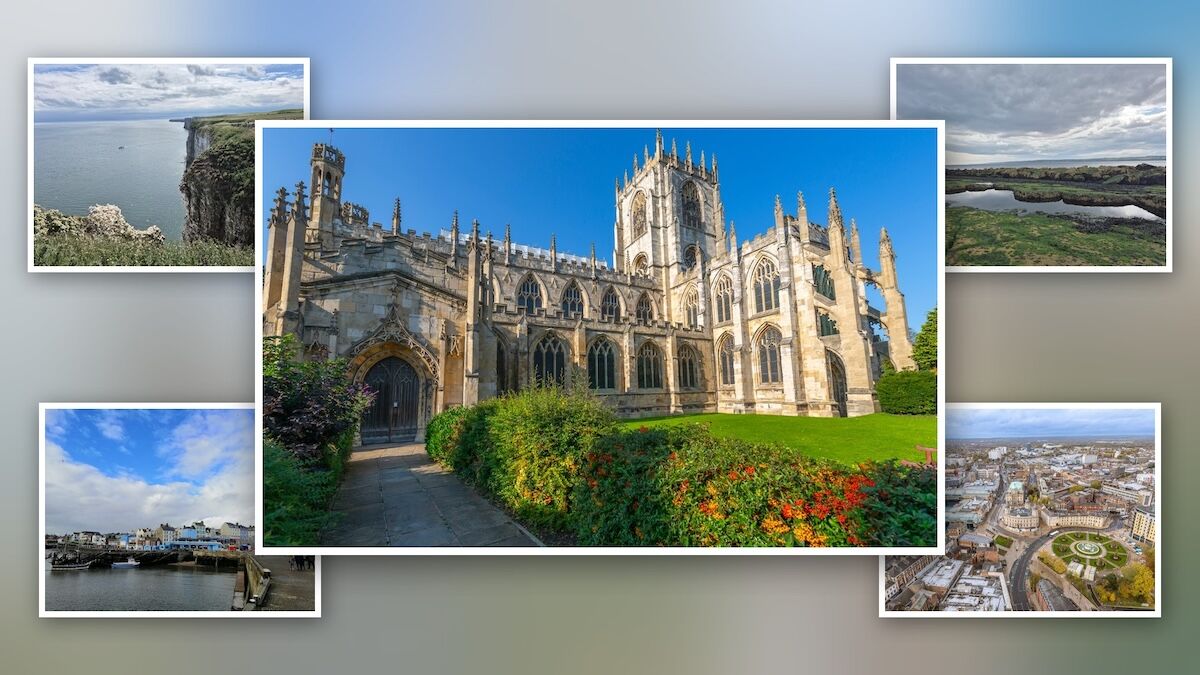
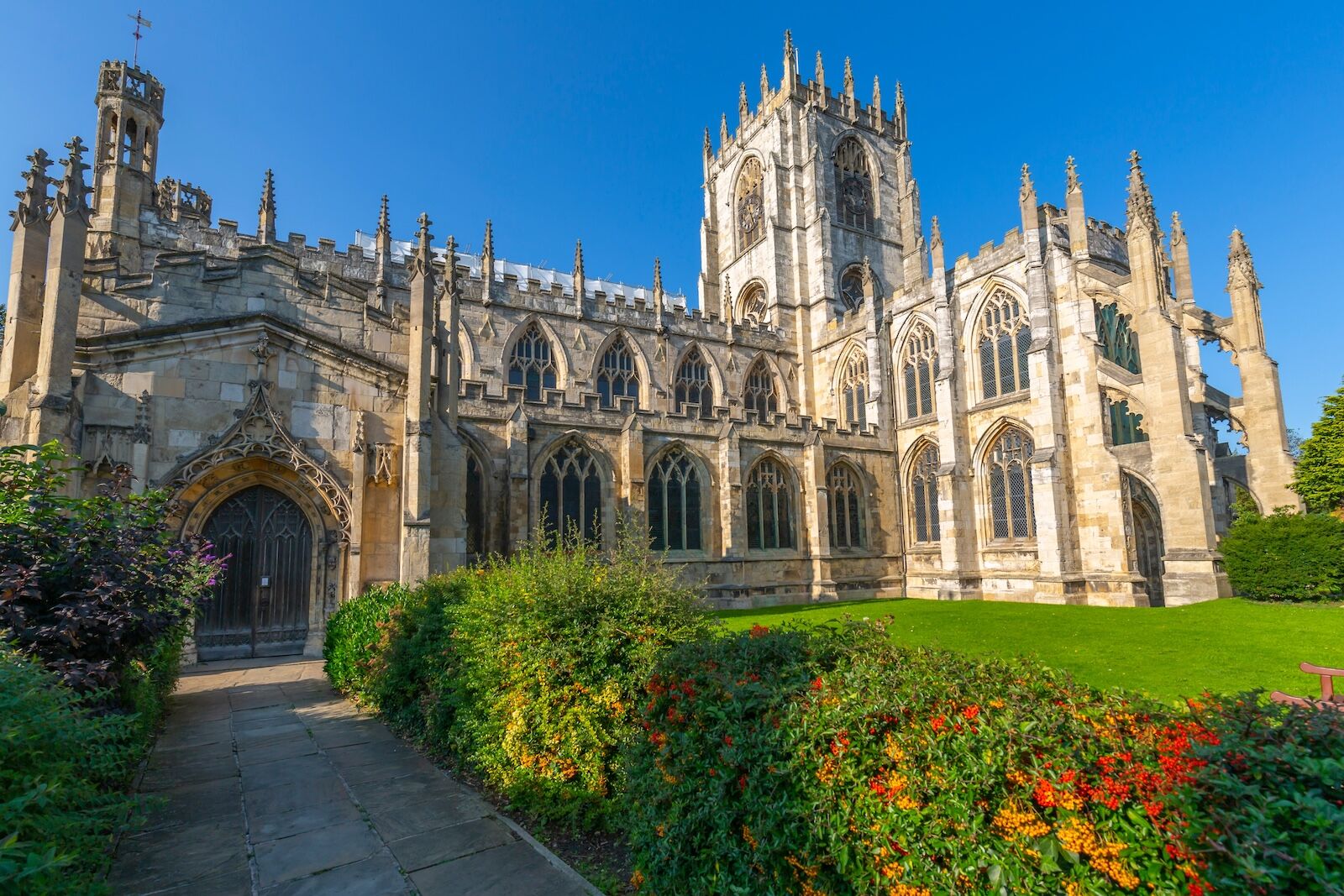
If Hull provides the pulse, Beverley provides the poise. Often described as a "miniature York" without the crushing tourist crowds, Beverley is a town defined by its medieval origins and its status as a thriving modern market town.
Official Perspectives on Local Commerce
Local government and tourism boards have worked to ensure that Beverley’s market heritage remains central to its identity. Every Wednesday and Saturday, the town square is transformed into a bustling trade hub where local farmers and artisans sell their wares, bridging the gap between rural production and urban consumption.
The preservation of Beverley Westwood—a vast expanse of medieval common land where livestock still graze—serves as a testament to the town’s commitment to maintaining its historical character while fostering a sustainable future. The town’s culinary scene has also seen a resurgence, with establishments like The Westwood offering high-end, seasonal British cuisine that reflects the abundance of the surrounding East Riding farmland.
Implications: A Model for Sustainable Regional Growth
The renaissance of East Yorkshire carries significant implications for regional development in the UK. By focusing on "slow tourism" and leveraging existing historical assets rather than attempting to force industrial-scale growth, the region has created a sustainable model for economic rejuvenation.
Challenges and Future Outlook
Despite the progress, challenges remain. The area is somewhat detached from the main high-speed rail lines that connect London, Leeds, and Edinburgh. However, the reliance on Northern Rail, combined with the promotion of multi-day travel passes like the "North East Rover," has mitigated these connectivity issues.
For the modern traveler, the East Riding represents a departure from the "checklist" tourism seen in more famous regions. It is a destination that demands patience and curiosity. Whether it is a pint of cask ale at The Minerva in Hull, a hike through the Wold Rangers’ paths, or an evening at a restored coaching inn like the Beverley Arms, the region offers a depth that only reveals itself to those willing to spend time there.
Practical Information for Travelers
- Getting There: While a car provides maximum flexibility for rural exploration, it is entirely possible to navigate the region by rail. Northern Rail serves the key hubs of Hull, Beverley, and Driffield.
- Where to Stay: For those looking for a blend of comfort and local character, The Highfield in Driffield and the Beverley Arms Hotel provide excellent examples of how historic buildings are being repurposed to serve the modern hospitality industry.
- Best Time to Visit: May and June are ideal for coastal wildlife spotting, while the spring and autumn months provide the most temperate conditions for hiking the Yorkshire Wolds.
Ultimately, East Yorkshire is a region that has moved past its "forgotten" status. Through a combination of creative arts, careful preservation, and an appreciation for its own industrial and natural heritage, it has crafted a new identity—one that is both deeply rooted in the past and confidently looking toward a future of sustainable, community-driven tourism. As the artist David Hockney once recognized, these landscapes hold a unique, vibrant energy that is finally getting the recognition it deserves.