





















































After a prolonged hiatus spanning nearly two decades, the world’s most prestigious culinary arbiter has officially returned to the neon-lit stages of the Southwest. The release of the 2026 Michelin Guide marks a seismic shift for the Las Vegas dining scene, signaling that the city has matured from a destination of celebrity-chef spectacle into a sophisticated, multi-faceted gastronomic capital. This long-awaited revival not only reaffirms the excellence of established titans but brings a long-overdue spotlight to the independent, off-Strip gems that define the city’s true local flavor.
The Pinnacle of Excellence: Stars and Accolades
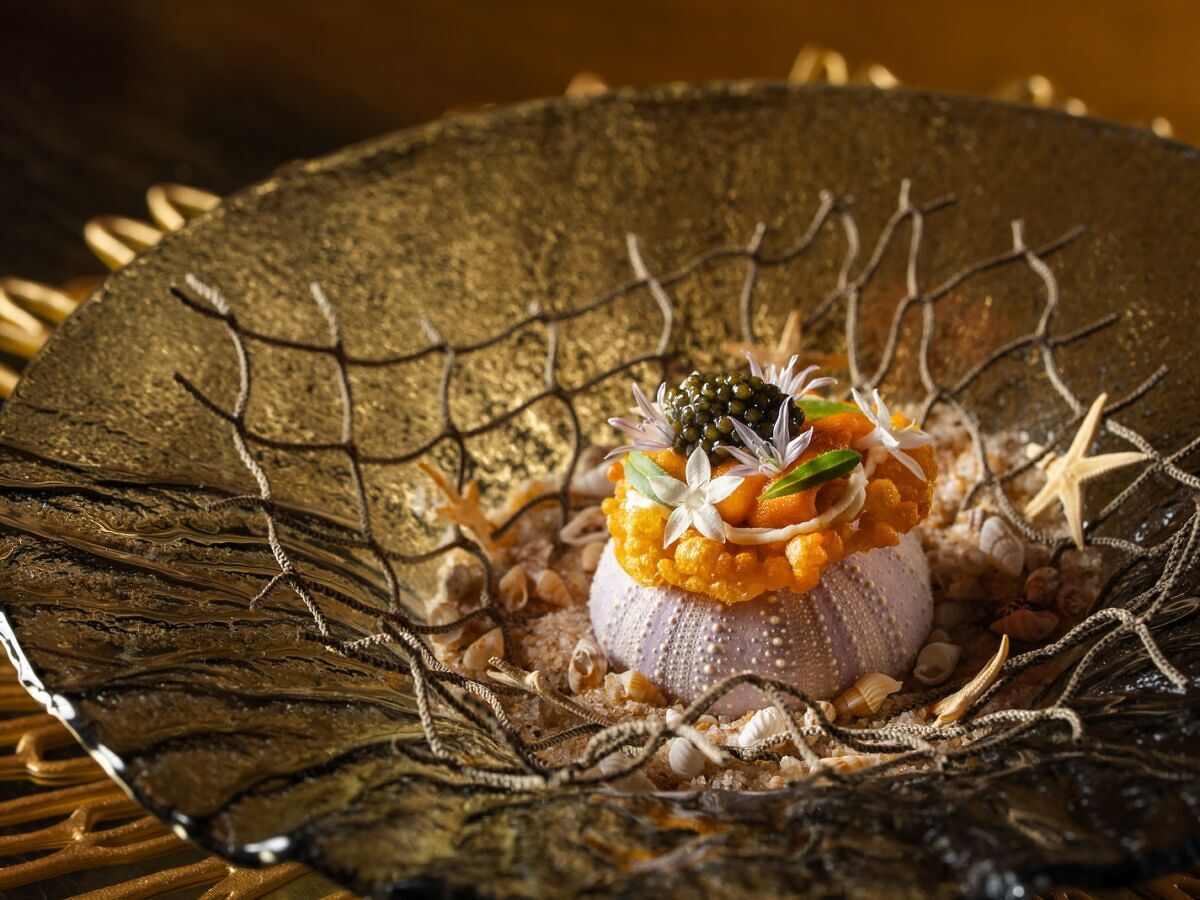
At the summit of the new guide sits a familiar name, albeit with a refined standing. Restaurant de Joël Robuchon at the MGM Grand has been awarded two Michelin stars, making it the highest-rated establishment in the entire four-state Southwest region. This French bastion, known for its opulent degustation menus that begin at $525 per person, continues to set the benchmark for haute cuisine in a city known for its excesses.
While the flagship restaurant maintains its dominance, the "Robuchon" brand continues to exert a powerful influence. Its casual yet equally refined sibling, L’Atelier de Joël Robuchon, also at the MGM Grand, secured one Michelin star.
The one-star category, which denotes “high-quality cooking, worth a stop,” showcases the incredible diversity of the Las Vegas Strip. Joining L’Atelier are Restaurant Guy Savoy at Caesars Palace, a masterclass in French technique, and é by José Andrés at The Cosmopolitan of Las Vegas, which pushes the boundaries of contemporary Spanish cuisine.
Interestingly, the guide’s reach extends beyond the borders of Nevada. Salt Lake City’s Monte, a temple to contemporary American cooking, earned a single star, standing as the only non-Vegas restaurant in the guide to achieve this level of recognition.
Beyond the stars, Michelin honored individual excellence by presenting the Outstanding Service Award to Sean Christopher of Restaurant de Joël Robuchon. This recognition highlights the meticulous attention to detail required to operate at a two-star level, where hospitality is as vital as the plating.
Beyond the Stars: The Rise of the Bib Gourmand
For the savvy diner, the most exciting development in the 2026 guide is the emphasis on the “Bib Gourmand” distinction. Named after Bibendum, the Michelin Man, this award recognizes establishments that provide high-quality, memorable meals at a more accessible price point. It is a nod to the fact that world-class dining does not always require a white-tablecloth environment or a three-digit check.
In Las Vegas, the Bib Gourmand recipients represent the city’s cultural mosaic:
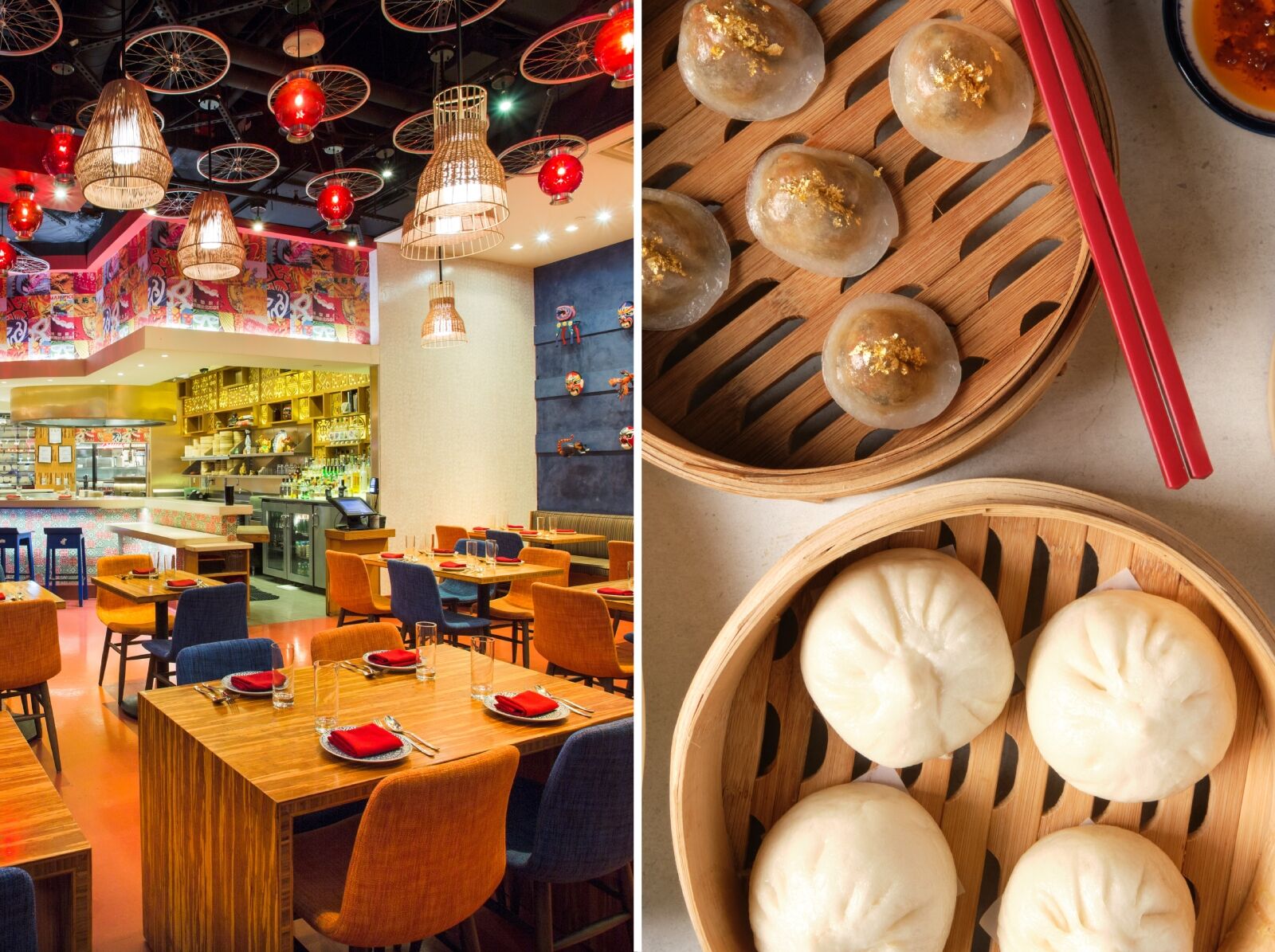
- China Poblano: Located at The Cosmopolitan, this concept by José Andrés brilliantly bridges the gap between Chinese and Mexican street foods.
- Esther’s Kitchen: Situated in the vibrant Arts District, this spot has become a local favorite for its soul-warming, handmade pastas and seasonal ingredients.
- YEN Viet Kitchen: Found on Decatur Boulevard, this restaurant showcases the depth and authenticity of Vietnamese cuisine, far removed from the glitz of the Strip.
The inclusion of these spots highlights a strategic pivot in the Michelin philosophy: the realization that the "Las Vegas experience" is no longer confined to the casinos.
A Legacy of Discovery: The “Recommended” List
The depth of the 2026 guide is further illustrated by the seventeen restaurants labeled as “Recommended.” This designation serves as a hallmark of quality, suggesting that these kitchens are performing at a level that commands attention and respect.
The list includes:
- Anima by Edo
- Bouchon
- Cote Las Vegas
- Estiatorio Milos
- Gymkhana Las Vegas
- Kabuto
- Kame Omakase
- Lamaii
- Michael Mina
- Mott 32
- Partage
- Pho Ga Bac Bac
- Ping Pang Pong
- SoulBelly BBQ
- Sparrow + Wolf
- Stubborn Seed Las Vegas
- Wing Lei
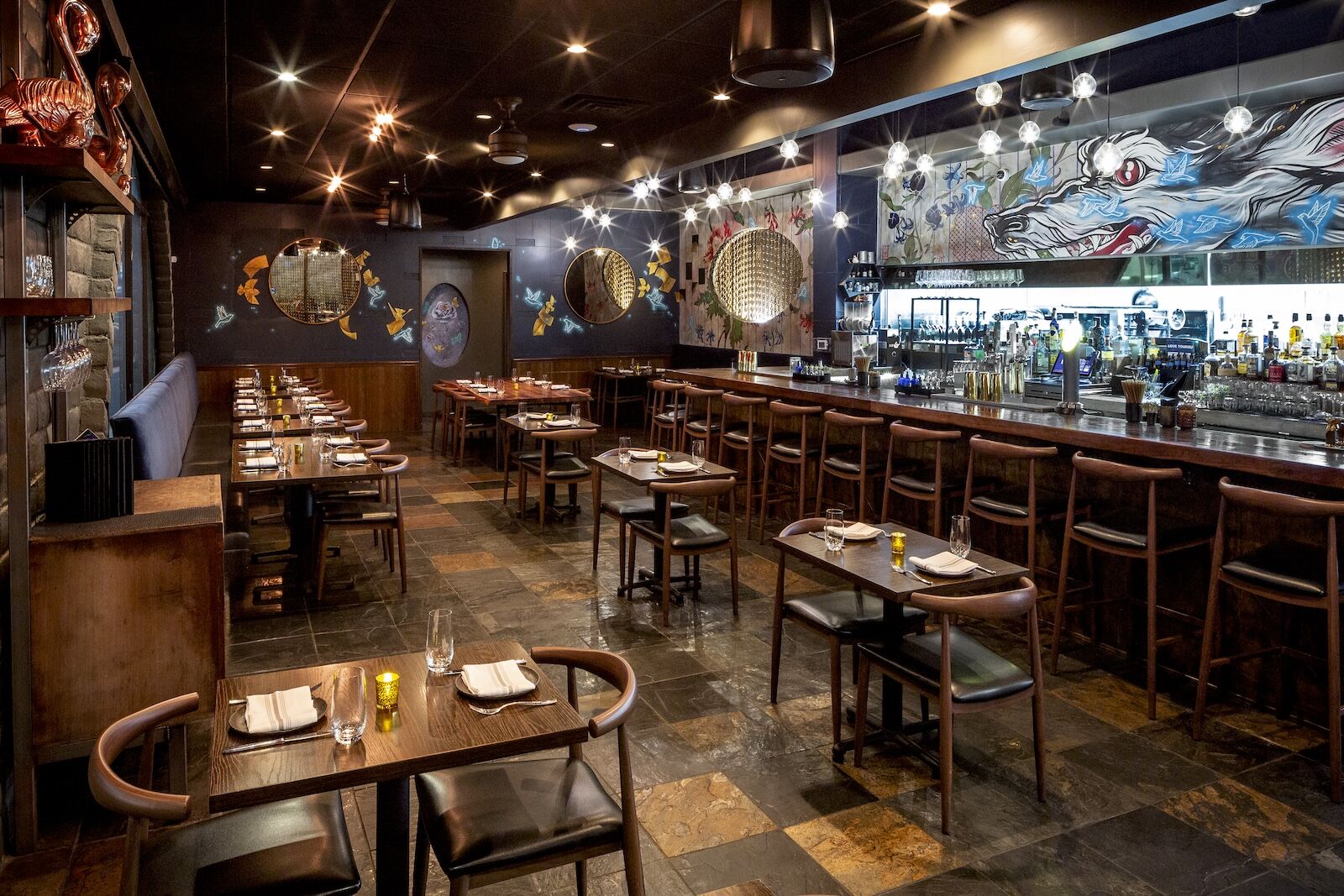
This list is particularly revealing. It contains a mix of iconic Strip staples (like Michael Mina and Wing Lei) and neighborhood heroes (like Sparrow + Wolf, Kabuto, and Partage). By highlighting these independent ventures, Michelin is effectively legitimizing the Las Vegas "off-Strip" culinary movement, which has been quietly fueling the city’s evolution for years.
Chronology of a Culinary Comeback
To understand the weight of this announcement, one must look back at the rocky relationship between Las Vegas and the Michelin Guide.
2007: The Debut
Michelin launched its inaugural Las Vegas guide, which was met with immense fanfare. At the time, the city was in the midst of a "chef arms race," with every major resort clamoring to sign top-tier talent. The 2007 guide famously awarded three stars to Joël Robuchon, cementing the city’s status as a global dining powerhouse.
2009: The Departure
Following the 2009 update, the guide abruptly vanished. As the global economy buckled under the weight of the Great Recession, tourism plummeted, and the restaurant industry faced a reckoning. Michelin, citing the “economic environment,” withdrew its inspectors, leaving the city without an official guide for nearly seventeen years.
2026: The Revival
The announcement of the 2026 guide is not merely a restart; it is a reinvention. The modern Las Vegas is vastly different from its 2009 iteration. The city has moved away from the era of "excess for the sake of excess" toward a more focused, product-driven, and culturally diverse landscape. The new guide reflects this, favoring restaurants that prioritize craft and identity over mere spectacle.
Official Perspectives and Evaluation Methodology
Michelin has emphasized that the new guide is built upon a blank slate. The ratings are not carryovers from the 2009 era; they are the result of rigorous, current, and anonymous inspections. Inspectors—who are famously secretive and pay for their own meals—evaluate restaurants based on five universal criteria: quality of products, mastery of flavor and cooking techniques, the personality of the chef in their cuisine, value for money, and consistency between visits.
The most notable shift, perhaps, is the demotion of the original three-star Joël Robuchon to two stars. While some might view this as a slight, it is in fact a testament to the transparency of the process. The 2026 guide is calibrated against the highest global standards of today, not the standards of two decades ago. As a representative for Michelin noted in previous discussions regarding the city’s exit, the guide’s return is a response to the current health and maturity of the local market.
The Implications for Las Vegas
The return of the Michelin Guide has profound implications for the city’s future. First, it provides a powerful marketing tool for the Las Vegas Convention and Visitors Authority. In a competitive global tourism market, the "Michelin-rated" seal is the gold standard for attracting high-net-worth travelers who prioritize culinary experiences in their travel planning.
Second, it validates the efforts of local chefs who have eschewed the lucrative Strip contracts to build independent businesses in the Arts District, Chinatown, and Summerlin. For restaurants like Sparrow + Wolf or Esther’s Kitchen, a mention in the Michelin Guide is a career-defining moment that validates their commitment to the local community.
Finally, the guide forces the city to maintain a high level of consistency. With the threat of an anonymous inspector looming at any given service, the pressure is on for restaurateurs to maintain their standards every single day. This "Michelin effect" tends to elevate the entire dining scene, as competitors are pushed to innovate, refine, and improve to gain the notice of the elusive red guide.
As Las Vegas looks toward the next decade, the presence of the Michelin Guide confirms that the city has transcended its reputation as a place where one simply eats before the show. Today, the food is the show. With a mix of legendary French masters, innovative omakase counters, and soulful neighborhood kitchens, Las Vegas has officially reclaimed its seat at the table of the world’s greatest dining cities. The desert, it seems, has never been hungrier for excellence.