
























































The Nahanni River—Nįįhts’ǫǫ Deh in the Dene language—is not merely a waterway; it is a geological and cultural masterpiece that has defined the character of Canada’s Northwest Territories for millennia. For nearly 10,000 years, the Nahįį Dehé Dene Band of the Dehcho First Nations has served as the steward of this rugged, untamed expanse. Today, it stands as one of the world’s most significant conservation success stories, a testament to what happens when Indigenous wisdom, scientific advocacy, and commercial stewardship converge to protect a watershed from the encroaching pressures of industrial development.
The Architecture of a Wilderness
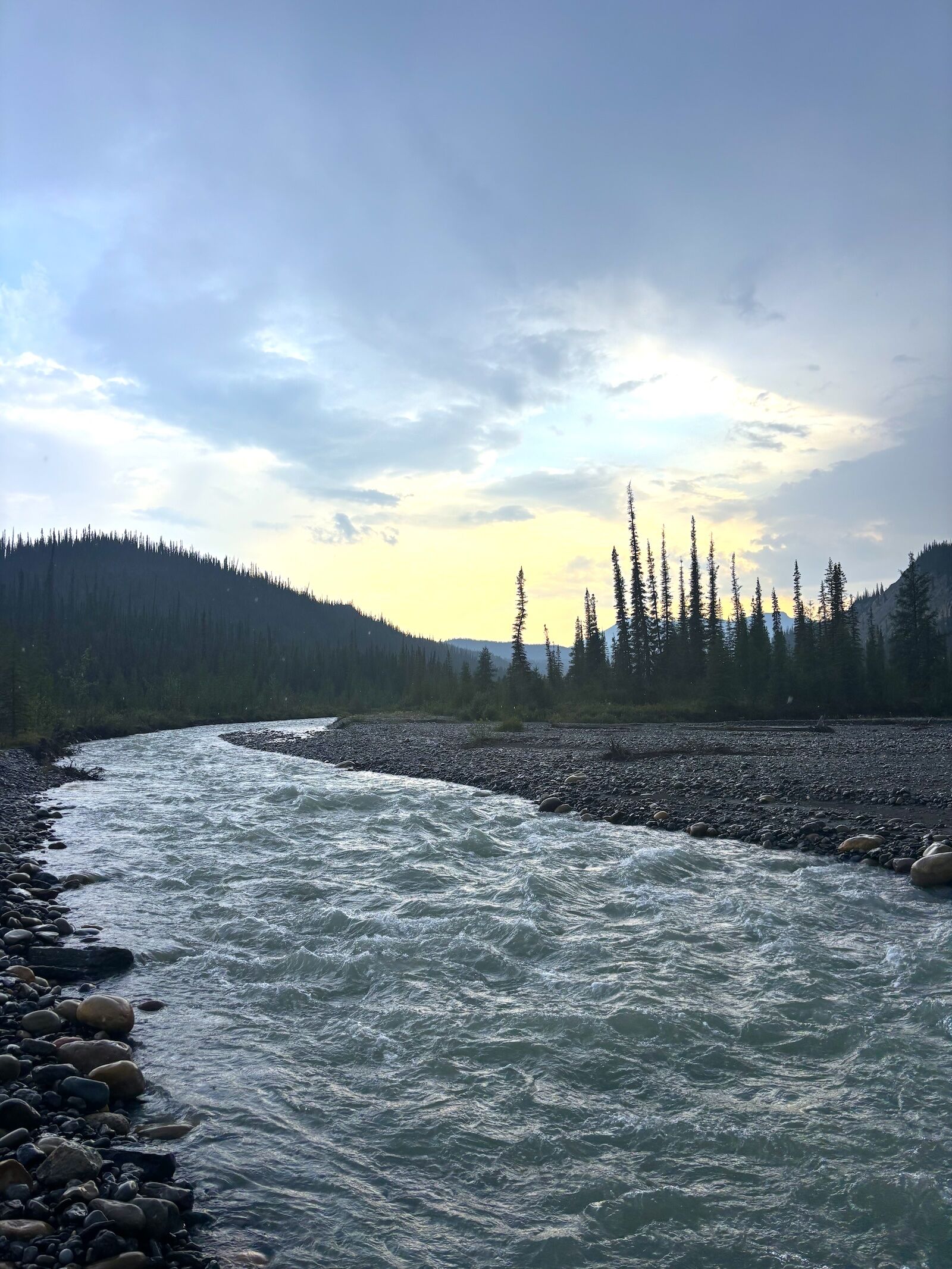
To travel the Nahanni is to witness the Earth in its rawest, most dynamic state. The landscape transitions with dizzying frequency. Along the valley floor, dense forests of white spruce and balsam poplar create a living wall. As elevation increases, the flora shifts to hardy black spruce and lodgepole pine, eventually giving way to the brilliant, fire-gold tamaracks of September. Near the iconic Virginia Falls (Nailicho), the vegetation thins into a delicate mosaic of lichen-crusted taiga, where wild orchids emerge from the moss. Above the treeline, the alpine tundra dominates, characterized by dwarf shrubs and ancient geological formations that were—by a remarkable stroke of fortune—entirely bypassed by the last ice age.
This unique history has created a biodiversity hotspot with over 700 species of vascular plants, a richness unrivaled in the Northwest Territories. Mineral springs, cascading waterfall mist zones, and complex, calcareous soil structures provide the lifeblood for this ecosystem. Yet, the true majesty of the Nahanni lies in its capacity to remain wild, a status that has been hard-won through decades of political and social maneuvering.
A Chronology of Conflict and Preservation
The protection of the Nahanni is a long-standing saga of grassroots resistance against extractive industry.
- 1938: The Canadian government establishes the Mackenzie Mountains Game Preserve, an early, foundational effort to protect the region’s Dall sheep populations from over-hunting, largely spurred by outfitters and hunters like Harry Snyder.
- 1972: The federal government formally establishes the original Nahanni National Park Reserve, a crucial first step in federal recognition of the land’s value.
- 2009: Following a multi-decade campaign by the Dehcho First Nations, the Canadian Parks and Wilderness Society (CPAWS), and local outfitters, the park undergoes a sixfold expansion. This historic move brought nearly the entire South Nahanni watershed under protection.
- 2022: The signing of the Ndahecho Gondié Gháádé (Following the Words of Our Elders) cooperative management agreement codifies the partnership between Parks Canada and the Dehcho, ensuring that First Nations traditional knowledge remains at the heart of park operations.
The Reality of Expedition in a Changing North
The unpredictability of the Arctic was on full display during this summer’s expedition. A massive, uncontrolled wildfire near Fort Simpson—which saw the displacement of 1,300 residents—forced a complete overhaul of the travel itinerary. The smoke, which burned between 132,000 and 164,800 acres, serves as a sobering reminder of the climate-related volatility facing the region.
What followed was a journey of adaptation. After flying into Whitehorse and enduring a two-day delay due to weather in Watson Lake—a town famed for its eccentric Sign Post Forest—the expedition finally took flight. A float plane operated by Northern Rockies Air deposited the group at the headwaters above Nailicho, the site of the park’s only developed campsite. From there, the river became both guide and host.
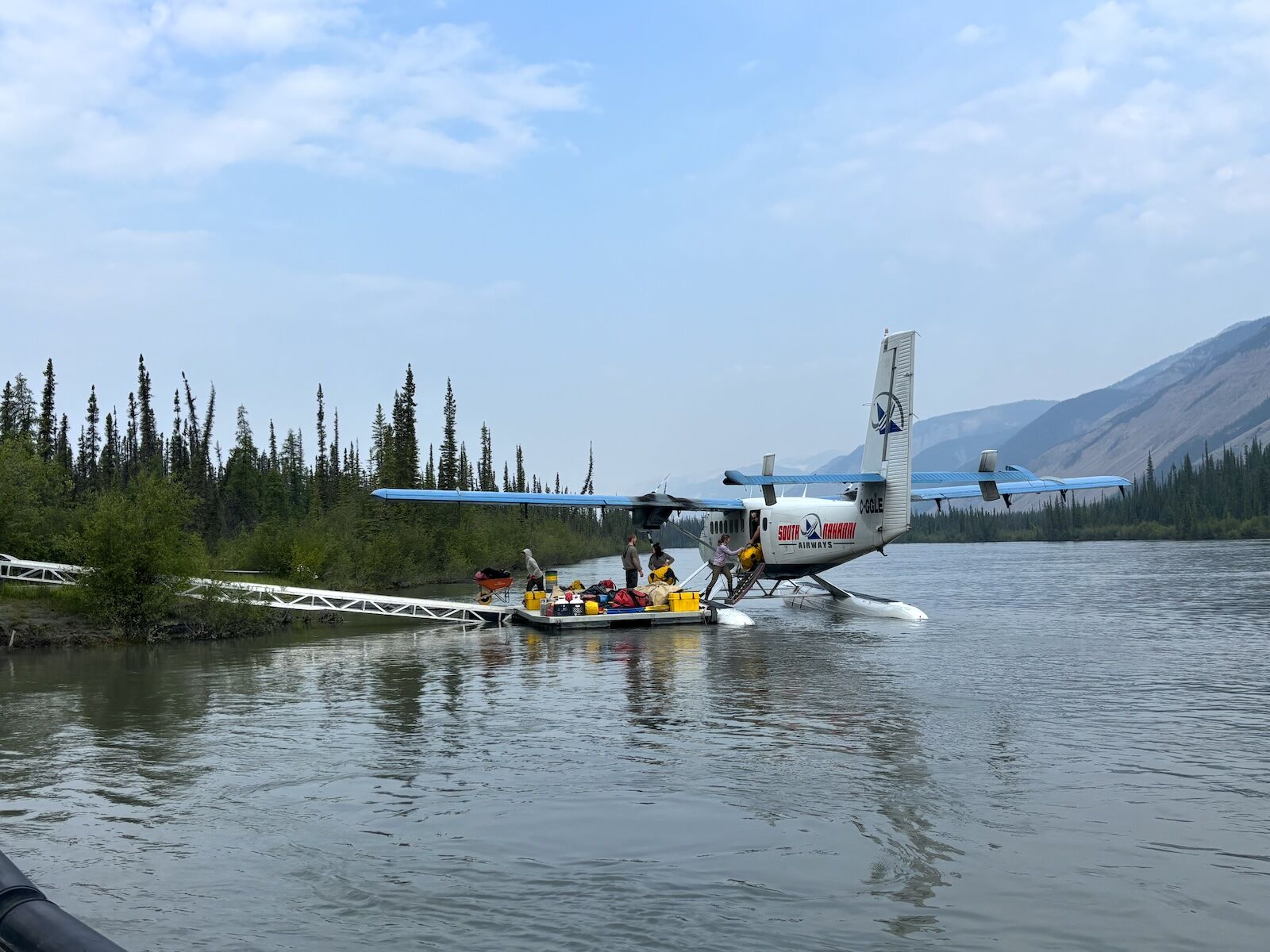
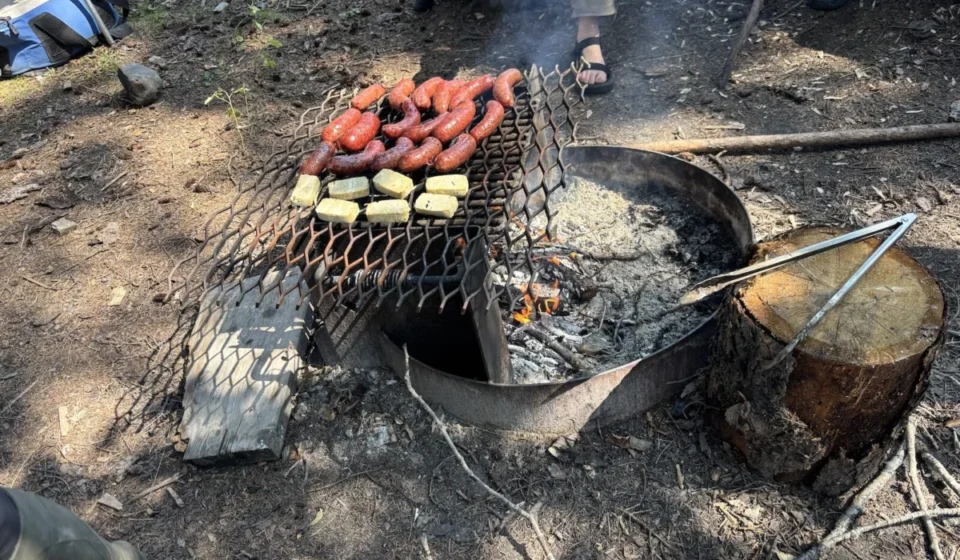
The logistical challenge of the trip was offset by the brilliance of the support crew. Using the river to transport the heavy gear—including gourmet supplies sourced from Yellowknife butchers—the guides maintained a standard of living that felt incongruous with the harshness of the subarctic. From morning coffee at 7:00 AM to Dutch-oven cakes baked under the midnight sun, the camp culture was designed to sustain the spirit as much as the body.
Institutional Advocacy: The Role of the Outfitter
The preservation of the Nahanni was never a foregone conclusion. It required the institutional weight of people like Neil Hartling, founder of Nahanni River Adventures. In the 1980s, Hartling recognized that the park needed more than just passive admiration; it needed defenders who understood the river at water level.
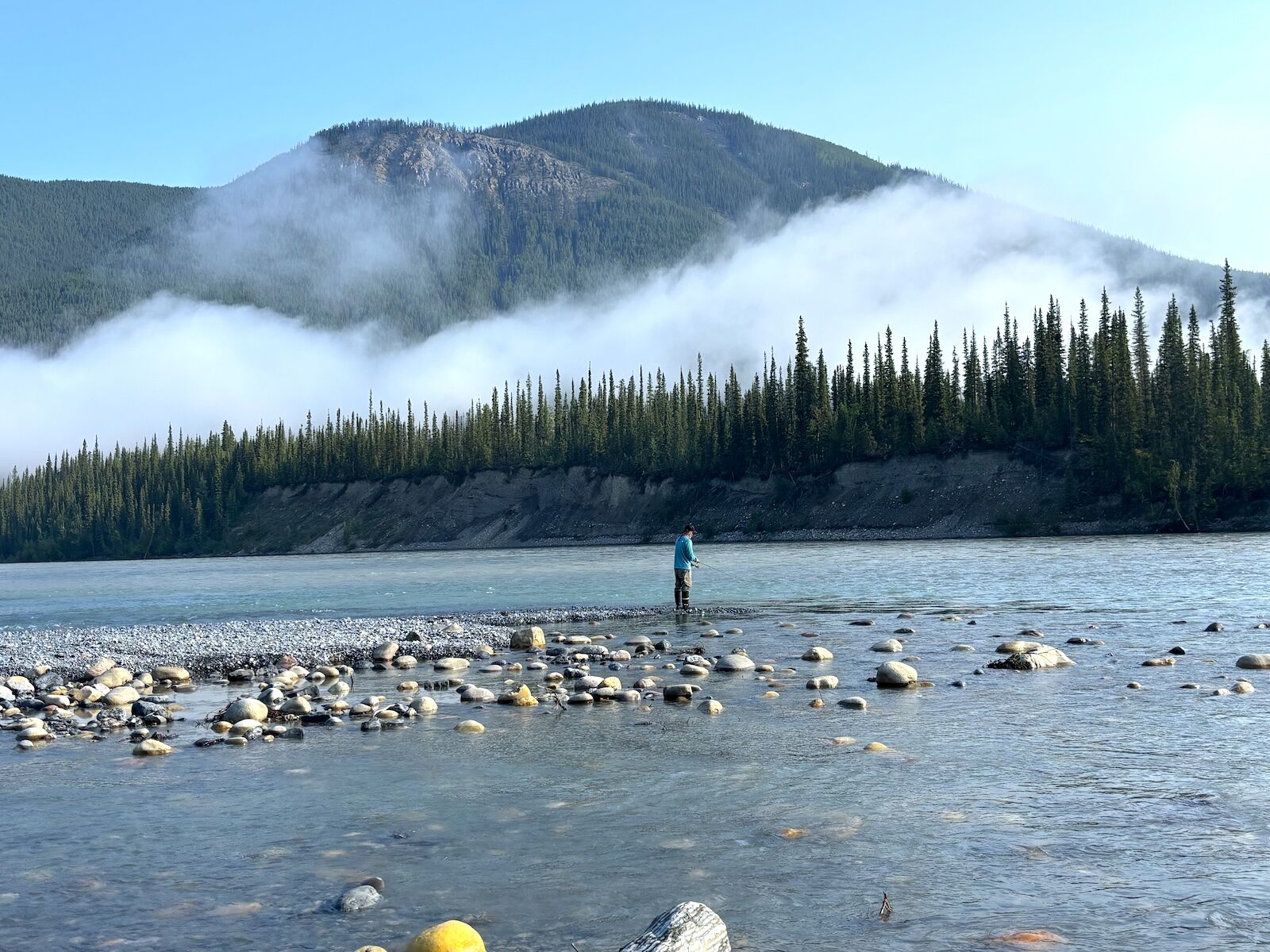
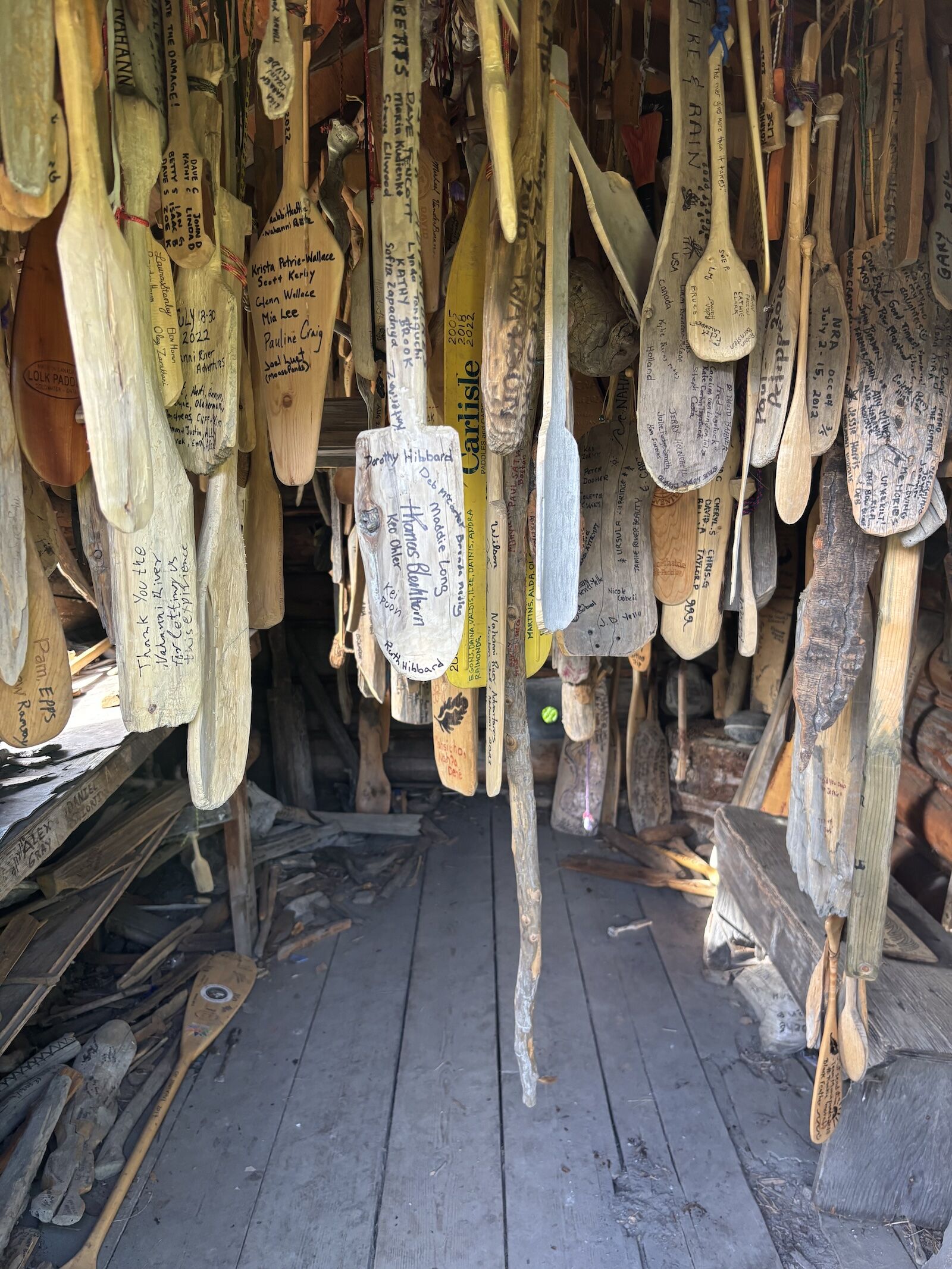
By uniting competing rafting and canoe companies under the Nahanni River Outfitters Association, Hartling and others provided the government with invaluable on-the-ground intelligence regarding mineral exploration and mining threats. This ground-level advocacy was essential to the 2009 expansion. Today, that legacy continues through the second generation of outfitters, such as Joel and Dana Hibbard.
"Don’t ever count a wild place as protected," Joel Hibbard notes. "You may have victories, but there’s always someone on the other side using economic opportunity that may not line up with our vision." For the Hibbards, operating an outfitting business is not merely a commercial endeavor; it is an "ongoing practice" of vigilance and partnership with First Nations and conservationists.
Implications for Future Stewardship
The Nahanni serves as a model for the "Yellowstone to Yukon" (Y2Y) conservation corridor, a massive, continent-wide effort to ensure wildlife connectivity. The inclusion of First Nations hunting and traditional harvesting rights within the park’s management framework is perhaps the most significant aspect of the reserve’s design. By treating subsistence use as a component of conservation rather than an adversary to it, the Nahanni model suggests a path forward for protected areas worldwide.
However, the park faces modern, systemic challenges. Permafrost degradation, fueled by warming temperatures, is literally reshaping the riverbanks. Erosion is accelerating, causing massive white spruce trees to topple into the river as the ground beneath them loses its structural integrity. Furthermore, the increasing frequency of wildfire seasons threatens the very access that makes the park a source of environmental education for the public.
Conclusion: The Responsibility of the Visitor
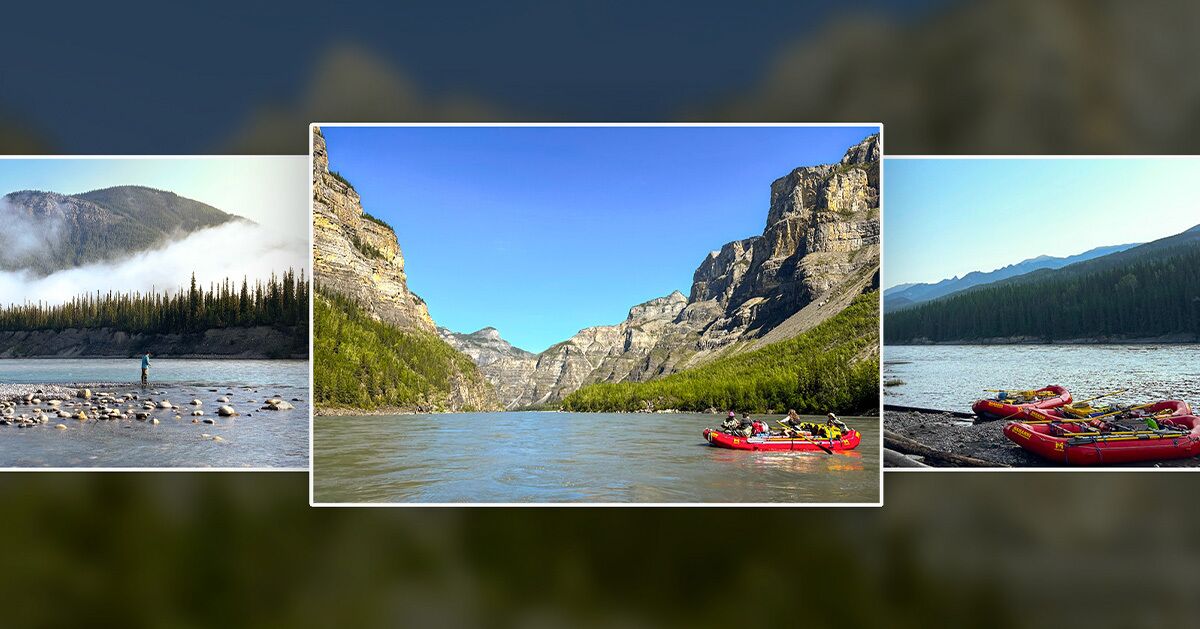
As the expedition drew to a close, passing through the sheer, 3,200-foot walls of First Canyon and viewing the ancient karst cave systems, the sense of urgency was palpable. The Nahanni is a fragile, living history book.
For the modern traveler, the mandate is clear: "Leave no trace" is not a suggestion, but a prerequisite for the park’s survival. The wooden camping platforms, the strict waste-burning protocols, and the careful portage trails are all designed to minimize human impact on a landscape that is already struggling with the macroscopic changes of a heating planet.
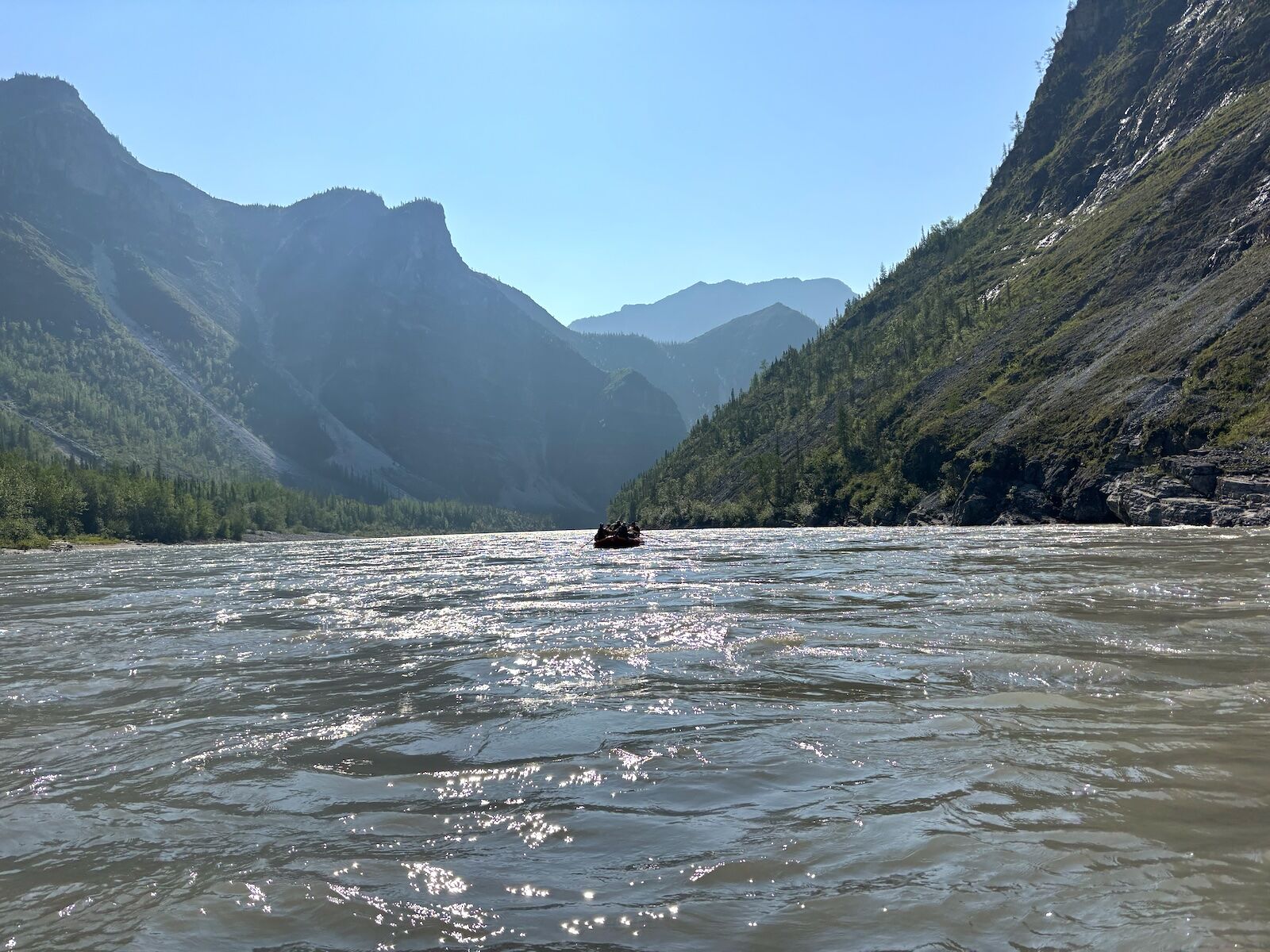
To experience the Nahanni is to be humbled by the realization that we are merely guests in a space that has been managed by the Dehcho for ten millennia. The river is not just a destination for thrill-seekers or a trophy for conservationists; it is a vital, beating heart of the Canadian North. As the van pulled away from the river, leaving behind the sapphire-blue waters and the silent, smoke-hazed ridges, the takeaway was simple: the fight to keep the Nahanni wild is never over. It is a continuous, generational effort, and for those who have stood upon its banks, it is an effort well worth the cost.