

















































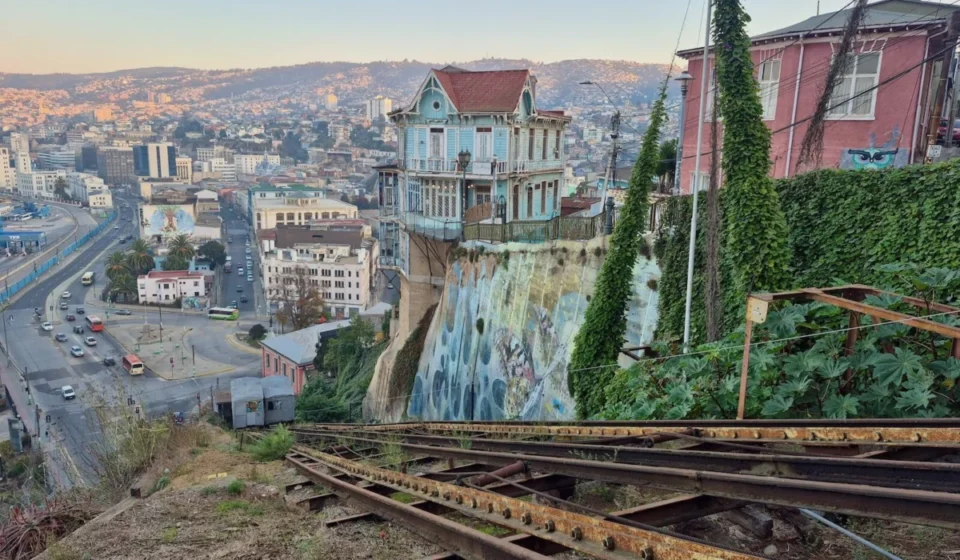

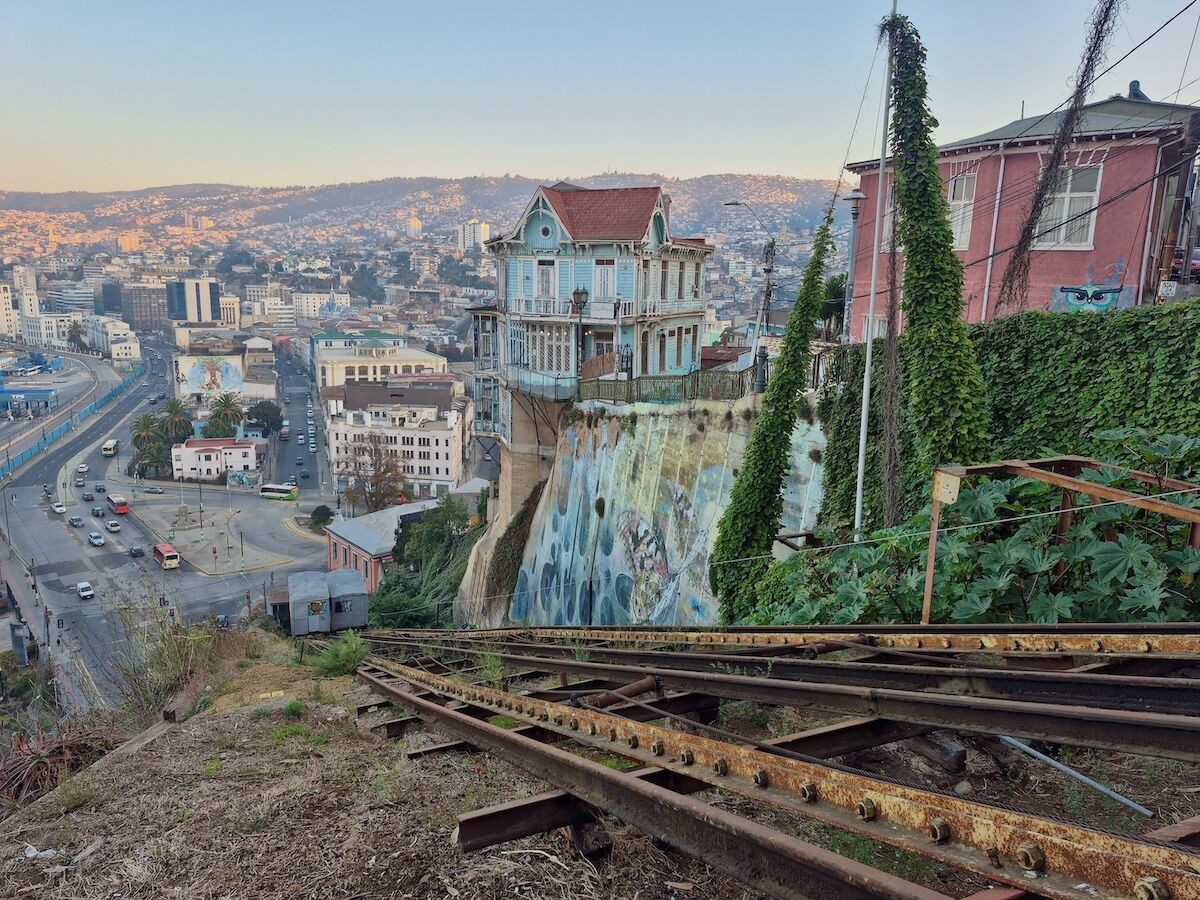
For the residents of Valparaíso, Chile, the ascensores—the city’s iconic, steep-climbing funiculars—are far more than the romantic, vintage photo opportunities that adorn tourist brochures. They are the circulatory system of a city built on the precipice, a vital piece of urban infrastructure that bridges the gap between the bustling, chaotic port district and the labyrinthine, residential hills that crown the coastline.
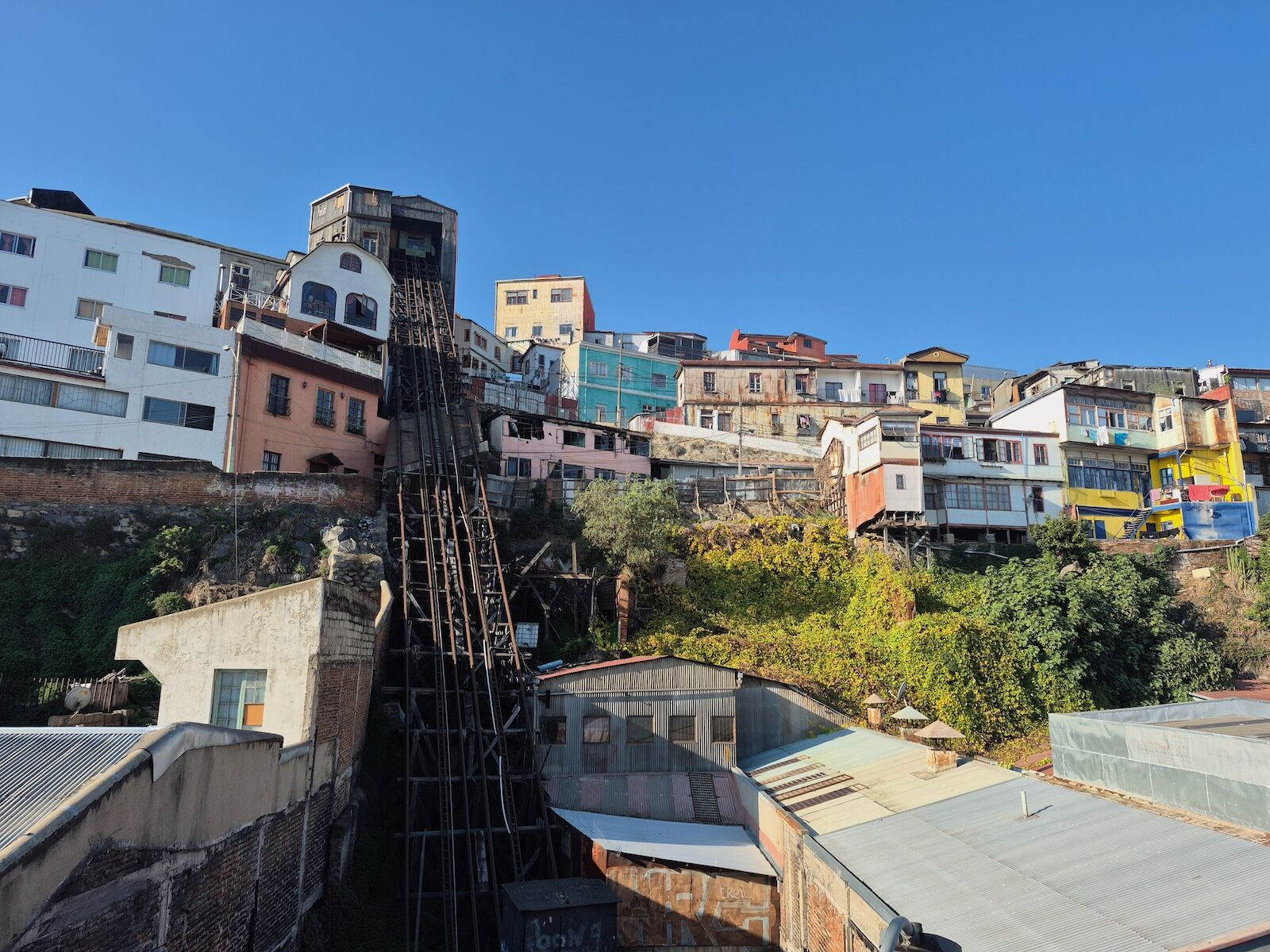
However, as the city navigates the 21st century, this historic network faces an existential crisis. Of the original fleet of over 30 funiculars that once defined the city’s industrial rhythm, fewer than 10 remain operational. The rest sit in various states of decay—rusted skeletons of iron and wood, silent witnesses to a changing urban landscape. Enter Ascenval (the Association of Elevator Users in Valparaíso), a citizen-led movement determined to prevent the extinction of this "vertical city" transport legacy.
The Main Facts: A City Divided by Elevation
Valparaíso is a city of extreme topography. The historic "Plan" (the flat coastal strip) serves as the economic and administrative engine, housing the docks, major businesses, and educational hubs. Above it, the steep, winding hills—cerros—house the majority of the city’s population.
For the average resident, the ascent to the hills is a grueling daily reality. When the ascensores fail, the social and economic cost is immediate. "Mobility is restricted, which has an economic impact on neighborhoods and local businesses," says Pilar Espinoza Figueroa, president of Ascenval. "Not having access to transport and being unable to get home safely takes a toll on mental health. It brings an entire community to a standstill, affecting tourism, the economy, and the right to move about freely."
Ascenval, founded in 2021, acts as the primary watchdog for these mechanical assets. The group, comprised of roughly 30 community representatives—none of whom are professional engineers or urban planners—has taken on the task of lobbying the government, monitoring restoration tenders, and advocating for the funiculars as a legitimate, modern public transport solution rather than mere museum pieces.
Chronology: From Industrial Boom to Silent Tracks
To understand the current state of the ascensores, one must look back to the late 19th century. During its golden age, Valparaíso was the "Jewel of the Pacific," the primary port of call for ships navigating the treacherous waters around Cape Horn before the completion of the Panama Canal.
- 1883: The first funicular, Ascensor Concepción, is inaugurated, revolutionizing the way residents accessed the hills.
- Early 1900s: A construction boom follows, with over 30 funiculars built to accommodate the rapid influx of dock workers and maritime merchants. These were initially steam or water-powered, later converted to electricity to increase efficiency.
- 1914: The opening of the Panama Canal marks a turning point. Global shipping traffic shifts, and Valparaíso’s regional dominance wanes, leading to the first waves of economic stagnation.
- Late 20th Century: The rise of private automobile use and improved road infrastructure makes the funiculars appear redundant to some city planners. Neglect and high maintenance costs lead to the closure of many lines.
- 2003: UNESCO designates the historic quarter of Valparaíso as a World Heritage site. While this brings global prestige, it does not guarantee the funding required to maintain the mechanical infrastructure of the lifts.
- 2021: Ascenval is formally established during the height of the COVID-19 pandemic, born from a need to represent the community’s voice in the face of widespread closures.
Supporting Data: The Cost of Neglect
The decline of the funicular system is not merely anecdotal. According to Ascenval’s treasurer and board members, the current landscape is fragmented:
- Operational Capacity: Fewer than 10 of the original 19 surviving funiculars are currently in service.
- Structural Decay: Three of the historic sites are now essentially vacant lots, with machinery long since salvaged or destroyed.
- Management Gaps: Ownership of the remaining structures is divided between the local municipality and the regional government, leading to bureaucratic bottlenecks.
- Economic Impact: A functional funicular costs 1,000 Chilean pesos (approx. 1 USD) per ride. For tourists, this is a bargain; for daily commuters, it is an essential line-item in their monthly budget.
The restoration process, when it does occur, is often stalled by complex tender processes. Engineering firms, architecture firms, and heritage experts often struggle to coordinate, and projects frequently hit "funding walls" due to shifting municipal priorities.
Official Responses and Advocacy
Ascenval operates by filling the void left by formal governance. Board member Andrés Rodrigo Valenzuela Ormeño, a web developer who spends his weekends advocating for the lifts, notes that their work is often a battle against inertia.
"We develop and put forward proposals to influence public policy relating to the lifts," says Pilar Figueroa. "We monitor the commitments made by authorities and public bodies, and we represent the community before ministries and parliament."
The organization’s strategy is twofold:
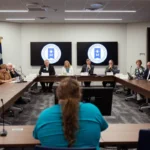
- Institutional Lobbying: They attend government forums to demand that ascensores be classified and funded as essential public transit, not just cultural monuments.
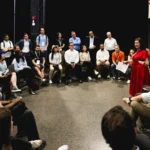
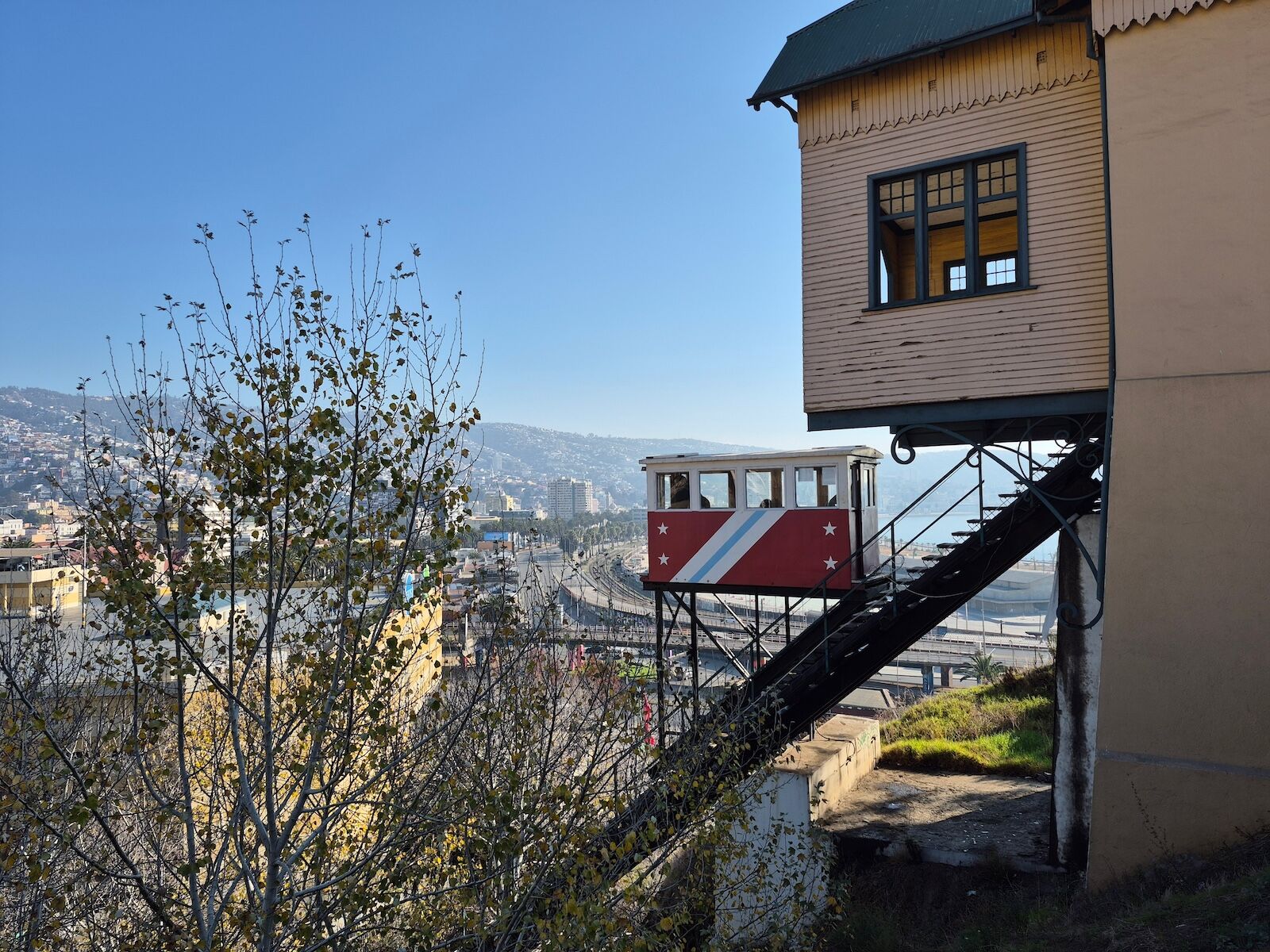
- Community Engagement: They organize workshops and community inspections. By involving families in the restoration narrative—such as painting carriages or hosting outdoor cinema nights at the Ascensor Mariposa—they ensure the younger generation values the heritage of the city.
Implications: A Future for the Vertical City
The future of Valparaíso’s ascensores rests on a delicate balance between public transit utility and sustainable tourism.
The Tourism Dilemma
Tourism is a double-edged sword. While it brings the revenue necessary to keep some lifts operational, it also risks turning them into "tourist traps" that ignore the needs of the locals. "Tourism is beneficial for Valparaíso as long as visitors respect its residents," says Ormeño. He envisions a form of community-based tourism where visitors don’t just ride the lift, but traverse the hills, eat at local picadas (traditional eateries), and interact with the neighborhood life that the lifts sustain.
The Path Forward
For those wishing to experience the system, the operational status is updated regularly via the Ascenval website. Currently, the El Peral and Concepción funiculars remain the most reliable for visitors, operating daily from 07:00 AM to 09:30 PM.
However, the true spirit of the city lies in the "off-piste" locations. The Ascensor Polanco, for instance, is the city’s only "true" vertical elevator, accessed via an underground tunnel—a marvel of engineering that currently stands silent. Similarly, the San Agustín lift, while lacking a panoramic sea view, serves as the perfect example of the system’s core purpose: a mundane, necessary climb that makes life in the hills possible.
Conclusion: More Than Just Steel and Cable
The battle for the ascensores is a battle for the soul of Valparaíso. These machines are not just mechanical relics of the 1900s; they are a sustainable, non-polluting solution to modern urban congestion. They represent the "right to the city"—the idea that every resident, regardless of whether they live on the coast or the highest peak, deserves equal access to the services and opportunities of their home.
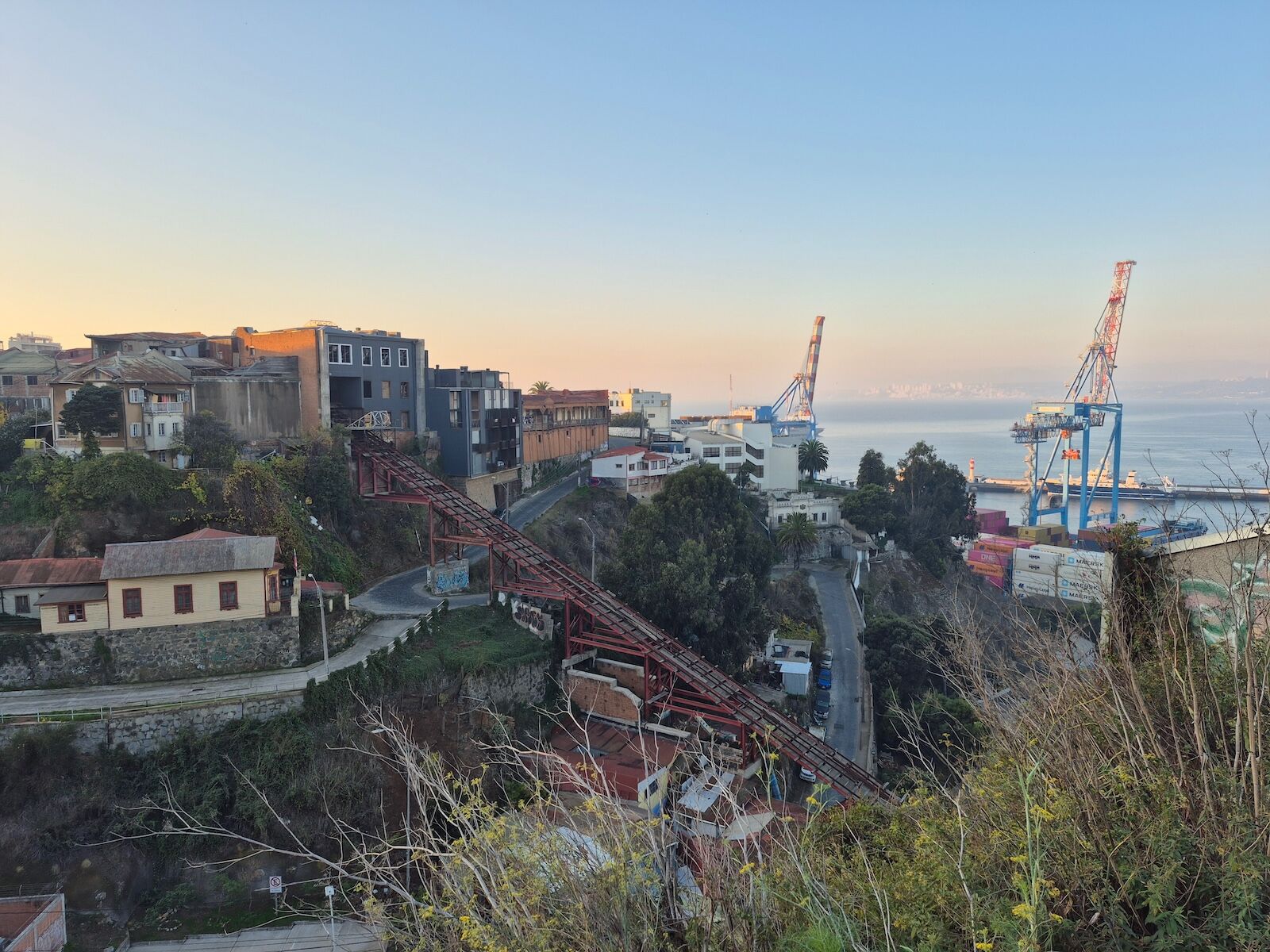
As Ascenval continues to lobby for the restoration of the remaining lines, their message is clear: the ascensores are the thread that binds the hills to the port. To lose them is to lose the very geography that makes Valparaíso unique. As the city moves forward, it must decide if it will modernize by abandoning its past or by embracing it as the foundation for a more connected, accessible future. The survival of these vertical lifelines is not just a triumph of heritage preservation—it is a necessity for the survival of the community itself.