






















































Thailand has long been synonymous with the concept of the "wellness getaway," but as global travelers seek more than just a superficial massage, the nation’s approach to holistic health is undergoing a profound transformation. From the quiet, monastic caves of Koh Samui to the bustling, sensory-rich streets of Bangkok, the Thai wellness sector is shifting from luxury pampering to deep-rooted, restorative immersion. This evolution blends ancient Eastern healing traditions with the rigor of Western medical research, creating a sanctuary for those looking to recalibrate their physical and spiritual health.
The Foundations of Holistic Health: Koh Samui’s Silent Sanctuaries
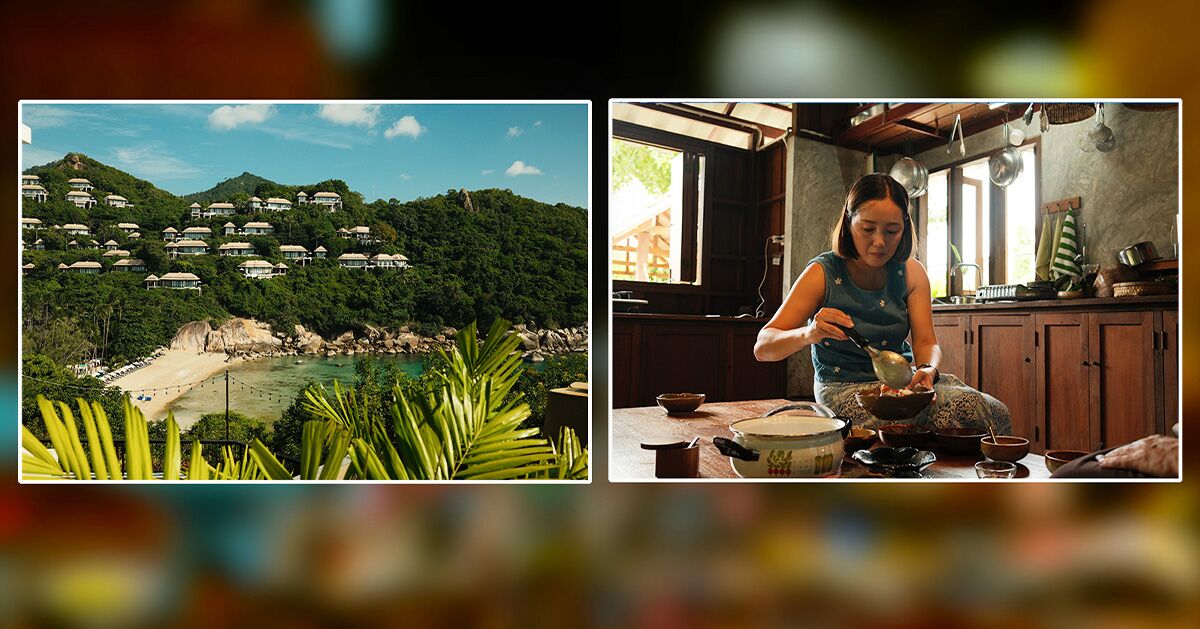
Our journey began in the Gulf of Thailand on the island of Koh Samui. After a short flight from Bangkok, we arrived at the Kamalaya Wellness Sanctuary—a property that defies the standard definition of a hotel. Founded in 2005, the sanctuary is built around a historical cave once used by Buddhist monks for meditation. Today, that space remains the spiritual heart of the property.
Kamalaya operates on a philosophy that bridges the gap between ancient healing and contemporary science. It is not merely a place to stay, but a facility designed for specific health outcomes. Whether guests seek a short-term detox or a month-long guided journey, the programs are meticulously structured to address physical ailments, cognitive clarity, and spiritual depletion.
The Digital Fast and Presence
Upon arrival, the staff introduces a strict no-phone policy in common areas. For the modern traveler, this creates an immediate, visceral shift in consciousness. Watching guests eat breakfast in silence, observing the rhythmic movement of the tides without the interference of a screen, is a rarity in the modern age. During my final morning, I surrendered my device, and the difference in my sensory perception was immediate. The absence of digital noise allowed for a genuine connection to the environment, a core tenet of the Kamalaya experience.
Meditation and Introspection
We participated in a private meditation session with Adi, one of the sanctuary’s spiritual teachers. Unlike superficial guided relaxation, this session focused on identifying and accepting complex emotions without judgment. In a 45-minute window, the practice forced a deep, internal excavation that I had not experienced in previous, more generic wellness retreats.
Luxury as a Conduit: The Banyan Tree
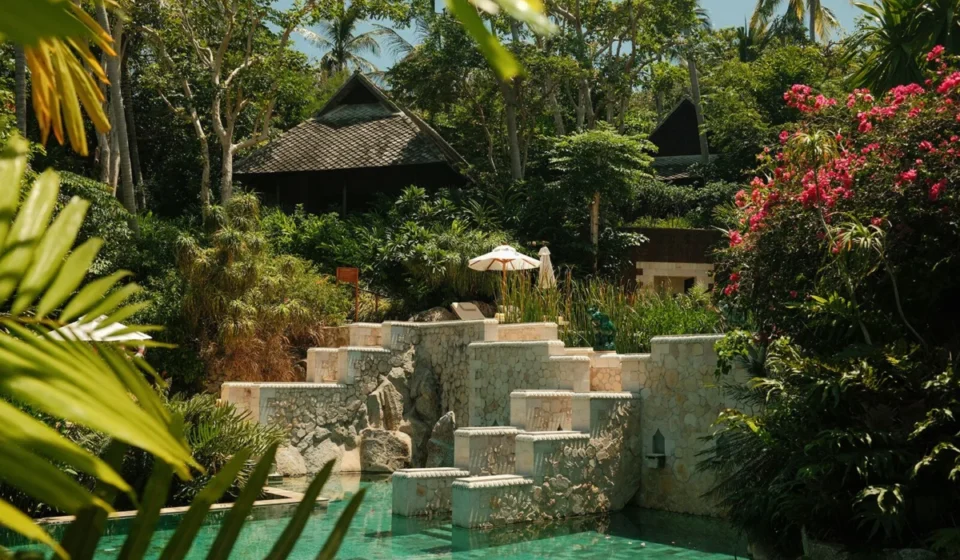
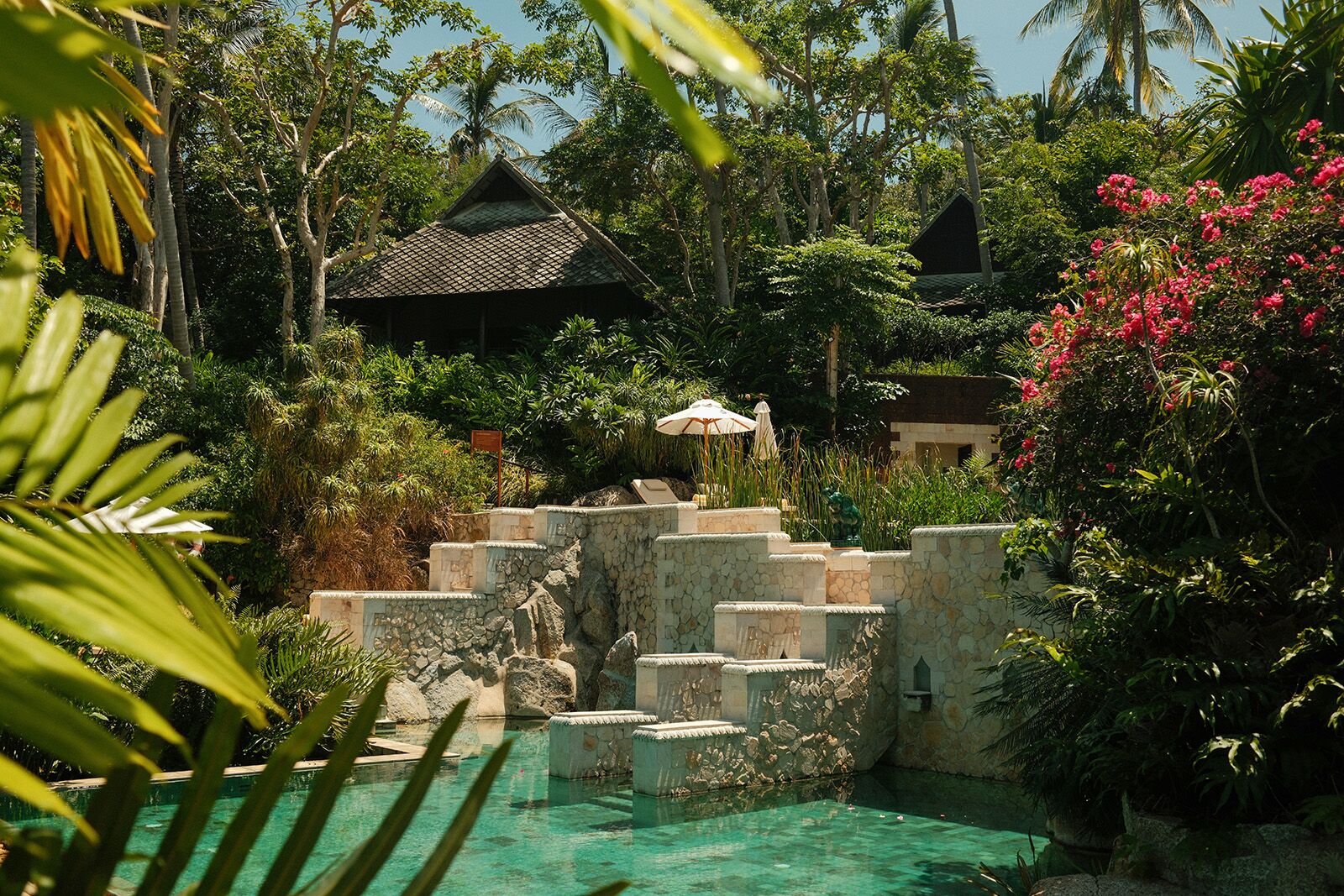
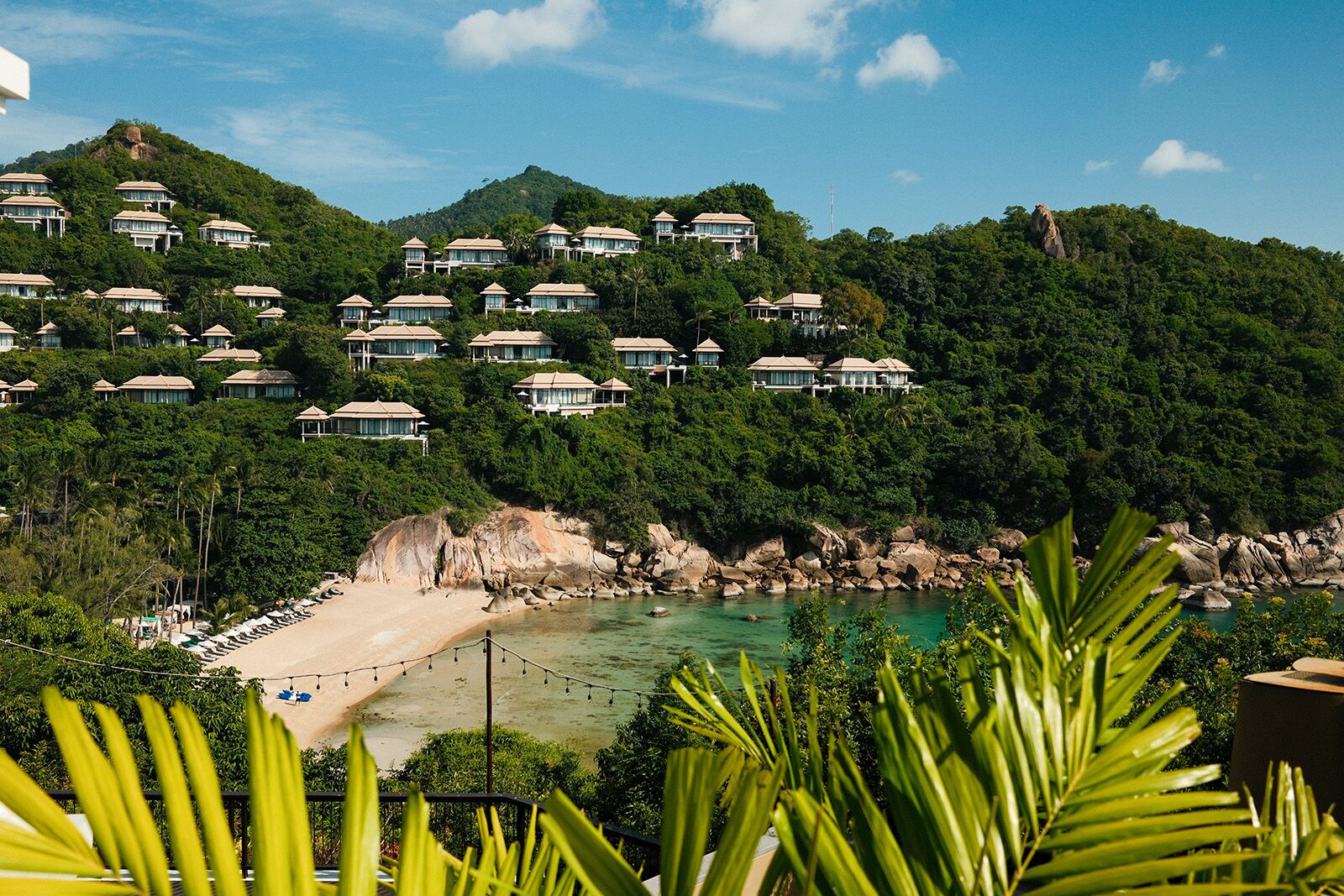
In contrast to the clinical, sanctuary-style approach of Kamalaya, the Banyan Tree Samui represents the pinnacle of luxury-as-wellness. While it functions as a high-end resort—offering private infinity pools and exclusive access to a house reef—it maintains a world-class spa that rivals the best in the world. Their "Thai Classic" massage was a highlight of the trip, specifically because of the pre-treatment consultation. By forcing the guest to choose an intent—rest, groundedness, or connection—the therapist creates a tailored physiological response that transcends the typical rub-down.
Nature as Medicine: Beyond the Treatment Table
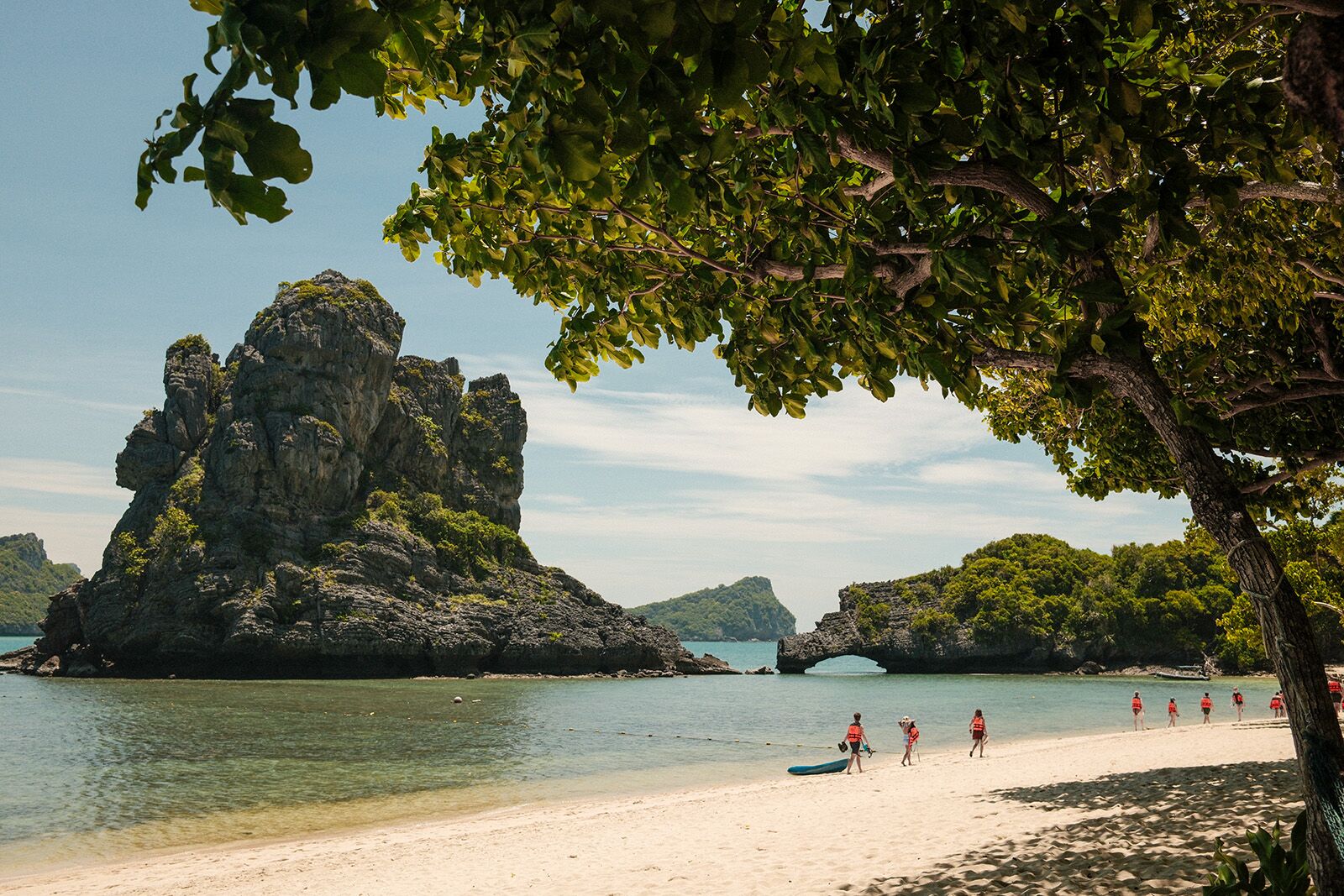
Wellness in Thailand is increasingly tied to the natural world. The Mu Koh Ang Thong Marine Park, an archipelago of 42 islands, offers a form of "active wellness" that demands physical engagement. Navigating the rough waters to reach the limestone cliffs and secluded beaches provides a sense of perspective that no spa can replicate.
The Challenge of Ethical Wildlife Tourism
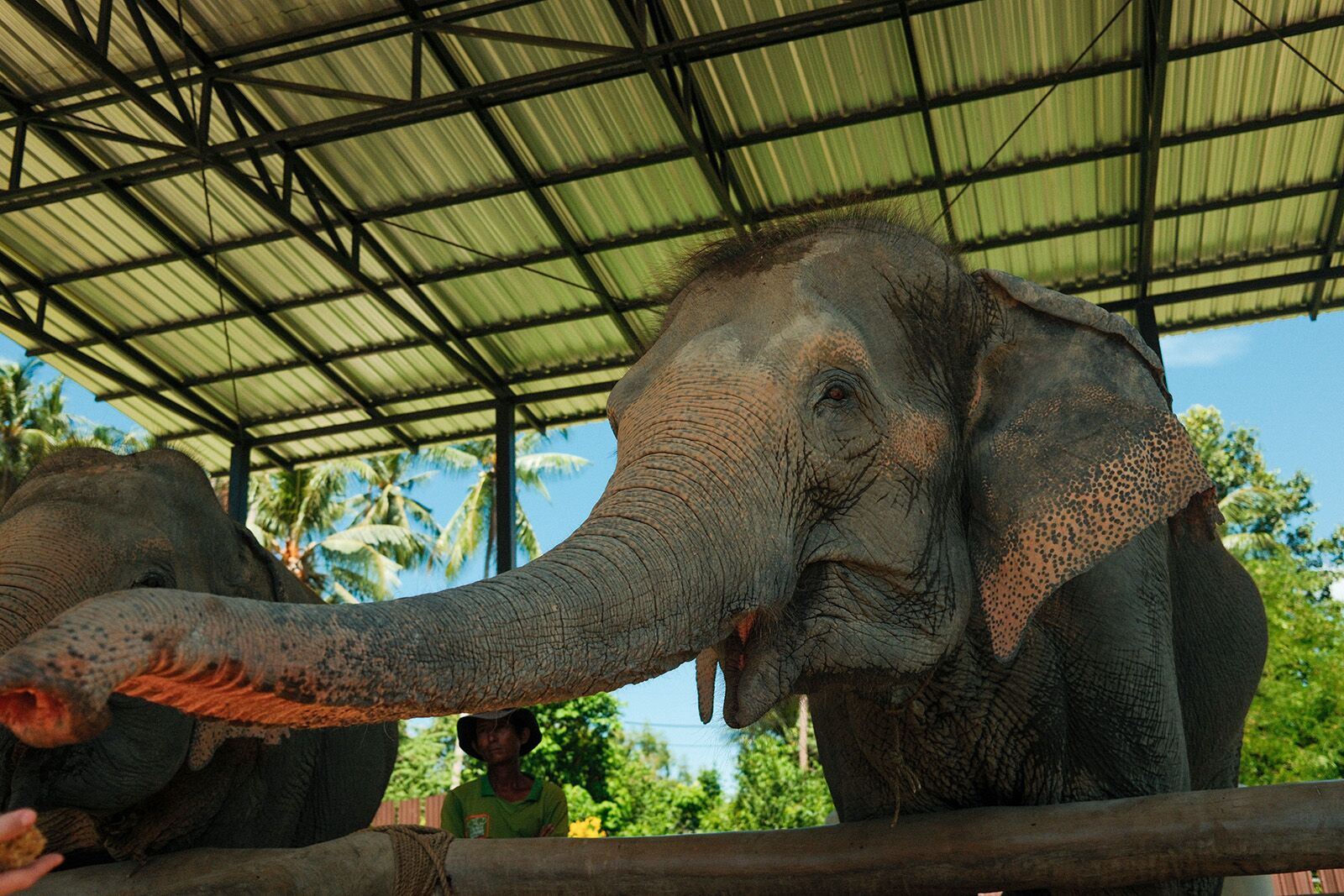
A critical component of the modern traveler’s conscience is the ethics of animal interaction. Our visit to the Elephant Jungle Sanctuary highlighted the complexities of this industry. While skeptics may question the morality of any captivity, the sanctuary’s model—which explicitly prohibits riding and focuses on rescue, feeding, and observation—represents a shift toward sustainable tourism.
The manager noted that the facility, part of a network of four across Thailand, cares for roughly 100 rescued elephants. The reality of the situation is grim: following the 1989 ban on commercial logging, thousands of elephants were displaced, with many falling into exploitative tourism industries. Sanctuaries like this are now caught in a difficult trade-off, often purchasing animals from these operations to provide them with a life free of labor. With approximately 4,000 domesticated elephants in Thailand, the current priority is preventing further breeding, as the natural habitat simply cannot support a larger population.
The Bangkok Paradox: Finding Calm in the Capital
Moving from the serenity of Koh Samui to the intensity of Bangkok felt like a sharp, deliberate contrast. Bangkok is the engine of Thailand’s $42.7 billion wellness market, yet its true restorative power is often found in the pockets of silence between the chaos.
Sensory Overload and Cultural Reset
Yaowarat Road in Chinatown serves as the city’s beating heart. Dining at T&K Seafood on a tiny plastic stool, surrounded by the aromatic intensity of crab curry and fried sea bass, is an exercise in immersion. While the city offers countless high-end spa experiences, we found that the most profound moments of well-being occurred in unconventional spaces.
Poomjai Garden: Permaculture and Peace
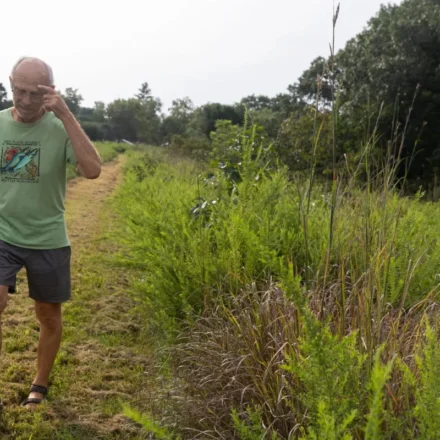
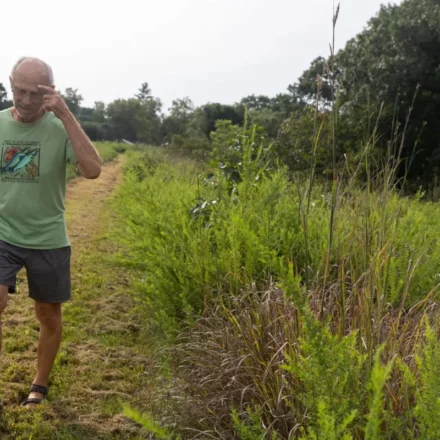
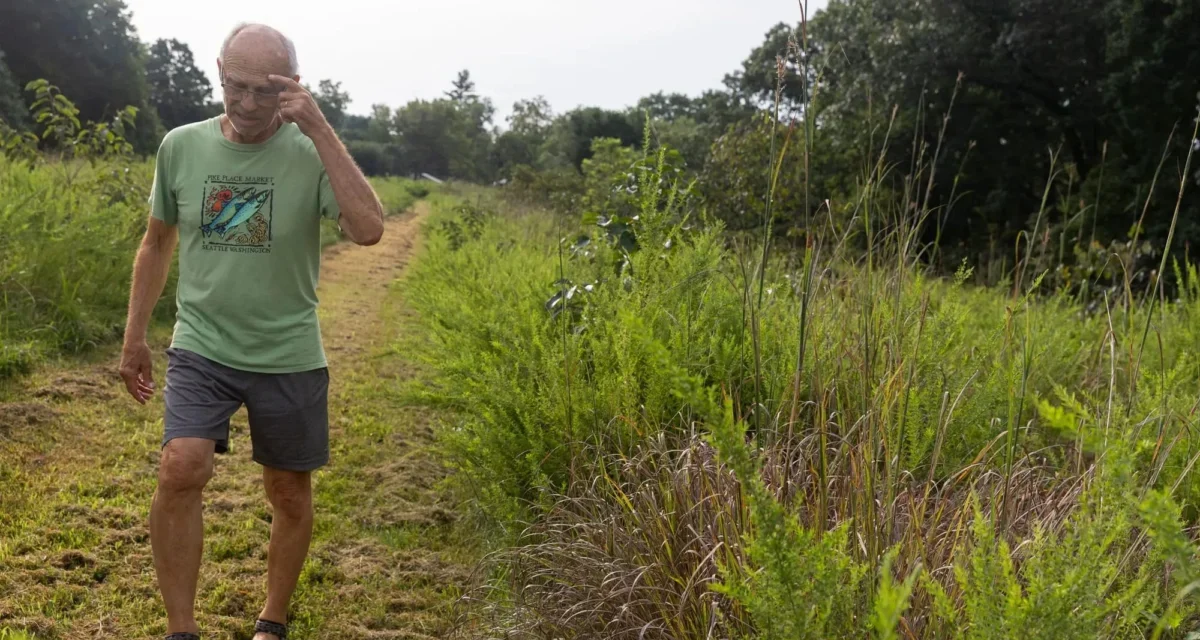
Located 20 minutes outside the urban sprawl, Poomjai Garden is a testament to resilience. Once a lychee farm, the land was repurposed by the family matriarch, Porntip Thiensup, into a working permaculture garden after climate change made traditional farming untenable. This space offers a rare look at sustainable agriculture, where guests can pick their own herbs and prepare meals in a domestic setting. It serves as a reminder that wellness is often found in the act of creation and connection to the earth.
The Spiritual Legacy of Temples
The city’s temples, such as Wat Pho, provide a bridge between the earthly and the divine. Wat Pho is particularly significant; as the site where King Rama III established the first public center for traditional Thai massage in the 1830s, it remains a pillar of the country’s healing history. Visiting these sites—where monks sit in quiet contemplation—provided the same stillness we encountered in the mountains of Koh Samui.
Implications for the Future of Travel
The Thai wellness industry is currently at a crossroads. As the Global Wellness Institute reports a 20 percent year-over-year increase in spa spending, the market is saturated with options. However, the true value for the future traveler lies in "intentional travel."
The Infrastructure of Comfort
The journey itself is becoming a component of the wellness experience. Flying EVA Air in premium economy—with its emphasis on ergonomic comfort, amenity kits, and thoughtful cabin configuration—set the stage for a trip where restorative intent was present from the moment of departure. This attention to detail reflects a broader trend: wellness is no longer an activity you do once you arrive; it is the framework of the entire journey.
Strategic Recommendations
For those planning a similar pilgrimage, the key is to look for operators who prioritize the "why" over the "what."
- Prioritize Intent: Whether booking a sanctuary or a hotel, ensure the wellness program includes an intake process that defines your personal goals.
- Seek Out-of-the-Way Spaces: While luxury hotels provide comfort, the most authentic restorative experiences were found at community-based initiatives like Poomjai Garden.
- Engage with History: A visit to Wat Pho is not just sightseeing; it is an education in the lineage of Thai physical therapy.
Conclusion: The Quiet Revolution
Thailand’s wellness landscape is shifting from the performative to the profound. By moving away from the "spa-in-a-bubble" model and toward a holistic integration of nature, heritage, and mindfulness, the country is offering a new blueprint for the modern traveler. Whether it is a meditation session in a monk’s cave or a quiet afternoon in a permaculture garden, the lessons are the same: true wellness is not about being pampered, but about being present. As the world becomes increasingly loud, Thailand’s ability to offer a sanctuary of silence remains its most valuable commodity.