



















































WASHINGTON D.C. – The debate over the future of American healthcare has ignited a fierce ideological battle within the Democratic Party, nowhere more acutely felt than in Minnesota’s crucial congressional and senatorial races. From town halls in southern Minnesota to the halls of the state capitol, candidates are grappling with a fundamental question: Should the nation pursue a sweeping, government-run "Medicare for All" system, or opt for a more incremental "public option" that would compete with private insurers? This internal struggle threatens to define not only the upcoming election cycle but also the very identity of the party for years to come.
Main Facts: A Fissure at the Forefront of Campaigns
The tension was palpable when Jake Johnson, a Democrat vying to represent southern Minnesota in Congress, gingerly sidestepped a direct question about his support for "Medicare for All" at a recent town hall in New Richland. Johnson, a moderate aiming to unseat Republican incumbent Rep. Brad Finstad in the 1st District, articulated a common centrist position: he sympathized with Americans struggling under the weight of healthcare costs and supported "a strong public option to the health insurers we have now." This proposal envisions a government-offered healthcare plan that Americans could purchase, designed to compete with existing private insurance markets and, theoretically, drive down costs and expand access.
However, Johnson’s cautious approach immediately drew criticism from the party’s ascendant progressive wing. Democratic socialists and progressives, who have demonstrated significant organizational strength through impressive primary victories and the DFL endorsement process in Minnesota, view the public option and similar reforms as insufficient. They argue these proposals merely "nibble around the edges" of a broken system, allowing insurers and pharmaceutical companies to continue profiting from illness and pain. For them, only a complete overhaul – a single government-run program like Medicare for All – can truly guarantee healthcare as a human right.
This fundamental disagreement has cleaved the Democratic Party, both nationally and within Minnesota, into distinct camps. The debate isn’t merely academic; it shapes campaign strategies, influences endorsements, and mobilizes voter bases. It underscores a broader philosophical struggle between those who believe in market-based solutions augmented by government oversight and those who advocate for a complete socialization of a vital public service.
Chronology: The Enduring Quest for Universal Healthcare
The push for a national, government-run healthcare system is far from a new phenomenon in American politics. Ideas akin to Medicare for All have circulated for decades, often drawing inspiration from the universal healthcare models prevalent in other industrialized nations. However, these proposals have consistently faced formidable opposition from powerful lobbying groups representing health insurers, pharmaceutical companies, and medical associations, alongside significant political hurdles.
A pivotal moment in the recent history of this debate occurred during the crafting of the Affordable Care Act (ACA) under former President Barack Obama. The initial blueprints for the ACA, a landmark piece of legislation aimed at expanding health insurance coverage, notably included a public option. This government-run plan was intended to be offered alongside private insurance plans on the state-based "marketplaces" – like MNsure in Minnesota – created by the ACA. The rationale was similar to Johnson’s current stance: introduce competition to lower premiums and increase choices.
However, intense and well-funded lobbying efforts from the healthcare industry, coupled with resistance from some centrist Democrats wary of government expansion, ultimately led to the public option’s exclusion from the final ACA legislation. This defeat was a significant setback for proponents of a stronger government role in healthcare and highlighted the immense political power wielded by private interests.
Following the ACA’s implementation, and particularly in the wake of the 2016 presidential election, the "Medicare for All" movement experienced a dramatic resurgence. Senator Bernie Sanders, an independent who caucuses with Democrats, became its most prominent national champion, tirelessly promoting the concept as a cornerstone of his progressive agenda. His campaigns, both in 2016 and 2020, galvanized a new generation of activists and brought Medicare for All into the mainstream of Democratic discourse, transforming it from a fringe idea into a litmus test for many progressive voters.
The Trump administration’s actions further fueled this renewed urgency. Cuts to Medicaid and the GOP Congress’s failure to extend enhanced ACA subsidies – which had helped hundreds of thousands of Americans, including an estimated 90,000 Minnesotans, afford health insurance – underscored the fragility of the existing system for many. This perceived vulnerability strengthened the argument that incremental reforms were insufficient and that only a comprehensive, guaranteed system could provide true security. The stage was thus set for the current election cycle, where the debate over healthcare reform, and specifically the choice between a public option and Medicare for All, has become a defining issue for Democratic candidates nationwide.
Supporting Data: Economic Arguments, Political Realities, and Stakeholder Divisions
The arguments for and against Medicare for All and the public option are multifaceted, encompassing economic claims, political feasibility, and deeply held philosophical convictions. Proponents of Medicare for All, such as Rep. Pramila Jayapal (D-Wash.) and Sen. Bernie Sanders (I-Vt.) who co-sponsor legislation for it (H.R. 3069), argue that it would guarantee comprehensive healthcare to every U.S. resident as a human right, eliminating all premiums, deductibles, and co-payments. They contend that while federal income taxes for most working Americans and businesses would increase, these costs would be offset by the elimination of out-of-pocket health costs and existing premiums. Furthermore, they point to potential massive administrative cost savings by streamlining the billing and insurance processes currently fragmented across hundreds of private insurers. This single-payer system, they argue, would end medical bankruptcies, reduce the burden of medical debt, and create a truly equitable healthcare landscape similar to those found in countries like Canada, the UK, and most of Western Europe.
Critics of Medicare for All, often labeling it "socialized medicine," raise concerns about its projected cost, the potential for long wait times (though proponents dispute this, citing better outcomes in other single-payer systems), and the disruption it would cause to the existing employer-sponsored insurance system that covers millions of Americans. Powerful medical groups, including the American Medical Association (AMA) and the American Hospital Association (AHA), are "firmly opposed" to Medicare for All. They argue it would limit patient choice, diminish physician autonomy, and potentially lead to a decline in the quality of care. Their concerns often center on government bureaucracy interfering with clinical decisions and the potential for reduced reimbursement rates affecting provider viability.
The public option, championed by moderates like Jake Johnson and Rep. Angie Craig (D-MN), presents itself as a more pragmatic, incremental approach. The core idea is that a government-run plan, designed to be affordable and comprehensive, would enter the existing insurance marketplaces and compete directly with private insurers. This competition, advocates believe, would force private companies to lower their premiums, improve their coverage offerings, and become more efficient, ultimately benefiting all consumers. Craig’s "Medicare-X Choice Act," for instance, aims to create such a public option within the ACA exchanges. Proponents highlight its political feasibility, arguing it’s a step towards universal coverage that doesn’t require dismantling the entire private insurance industry, making it more palatable to a broader political spectrum.
However, Medicare for All advocates often dismiss the public option as "just another handout to private insurance companies" and "nibbling around the edges" of a national crisis. They argue that a public option might suffer from adverse selection, primarily attracting older and sicker Americans, leaving healthier, younger individuals to private insurers. This, they contend, would allow private insurers to cherry-pick profitable customers, pay out fewer claims, and further increase their profits, ultimately undermining the goal of universal, affordable care.
The political landscape further complicates this debate. The viability of a candidate’s healthcare stance is often influenced by their district’s political leanings. For example, Minnesota’s 1st Congressional District, which Johnson seeks to represent, gave President Donald Trump 55% of the vote in 2024. In such a district, a moderate stance favoring a public option might be seen as more electorally advantageous than a full embrace of Medicare for All, which could be easily painted as "socialist" by opponents. Conversely, in the neighboring 2nd Congressional District, former Vice President Kamala Harris won with 52% of the vote. This more progressive district provides a fertile ground for candidates like Matt Little, who is a vigorous proponent of Medicare for All.

Even within traditionally allied groups, divisions exist. Organized labor, historically a powerful force in Democratic politics, is split on Medicare for All. While some unions, including the United Auto Workers and the Association of Flight Attendants, have endorsed the concept, many others remain strongly opposed. For decades, healthcare benefits have been a potent bargaining chip for unions at the negotiating table, securing comprehensive plans for their members through collective bargaining. The prospect of a single-payer system, while potentially beneficial in the long run, could diminish this leverage and disrupt existing, hard-won benefit structures, leading to apprehension among some union leaders and members.
Official Responses: Minnesota Candidates Take Their Stance
The fault lines within the Democratic Party on healthcare are starkly evident among Minnesota’s candidates.
Jake Johnson (1st Congressional District): As previously noted, Johnson, challenging Republican Brad Finstad, represents the moderate approach. His support for a "strong public option" is framed as a compassionate response to rising costs and uninsured rates, aiming to increase competition and affordability without fully dismantling the private insurance system. His cautious avoidance of the Medicare for All label reflects the political realities of his red-leaning district.
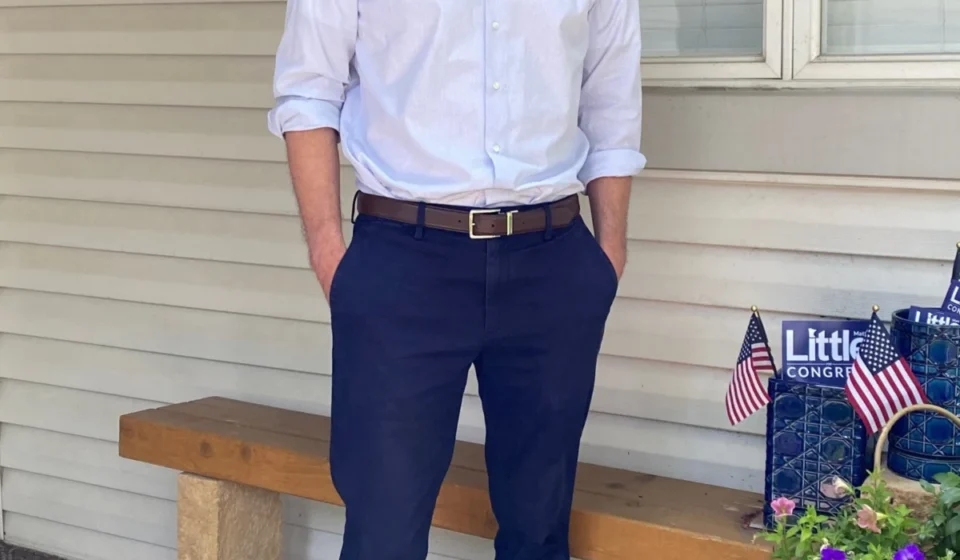
Matt Little (2nd Congressional District): The DFL-endorsed candidate for the 2nd District, Matt Little, stands in stark contrast to Johnson. A former state senator and mayor of Lakeville, Little is a fervent advocate for Medicare for All. His personal experience of his mother’s grave illness and her struggle to access specialist care, even with insurance, deeply informs his conviction. He views the current system as fundamentally broken and believes the time is "ripe politically" for a single-payer system. Little would support the bill sponsored by Rep. Jayapal and Sen. Sanders, emphasizing comprehensive coverage without out-of-pocket costs, and dismissing the public option as "just another handout to private insurance companies" and mere "nibbling around the edges."
Kaela Berg (2nd Congressional District): Also running for the 2nd District seat, State Rep. Kaela Berg identifies as a progressive but demonstrates more flexibility than Little. A flight attendant and union activist, Berg acknowledges the energizing power of "Medicare for All" but stresses the immediate need for increased coverage. "It’s great to say Medicare for All and energize people," Berg said, "But we need to have (more) coverage now, whatever that looks like… while we continue to fight for Medicare for All." Her nuanced position reflects the complexities of the union movement’s split on the issue.
State Sen. Matt Klein (2nd Congressional District): The third Democrat in the 2nd District race, Dr. Matt Klein, is an internist at the Mayo Clinic. While a "firm believer that we need to get to universal healthcare" and open to supporting "whatever bill advances that," Klein stops short of endorsing Medicare for All. Aligning with the AMA’s position, he prefers the implementation of a public option, signaling a preference for reform that integrates with, rather than replaces, significant aspects of the current system. His medical background provides a unique perspective on the operational impacts of healthcare reform.
Lt. Gov. Peggy Flanagan (U.S. Senate): Entering the race for retiring Sen. Tina Smith’s seat, Lt. Gov. Peggy Flanagan has emerged as a staunch proponent of Medicare for All. She bluntly stated, "This is not working," referring to the nation’s healthcare system, and believes "people are ready" for a transformative change. Flanagan rejects the strategy of starting with a public option in hopes of eventually achieving Medicare for All, asserting, "You should not start at the bottom because you are going to get even less." Her firm stance underscores the progressive commitment to ambitious reform.
Rep. Angie Craig (U.S. Senate): Also running for the Senate, Rep. Angie Craig offers a contrasting vision. Just last week, she introduced the "Medicare-X Choice Act," which aims to create a public option within the Affordable Care Act exchanges. Craig argues that this would "give the insurance companies some competition," leading to lower premiums and better coverage for all. She also advocates for other reforms, such as holding health insurance companies accountable for high denial rates and legislation to lower prescription drug costs. Her approach focuses on market-based solutions and regulatory improvements within the existing framework.
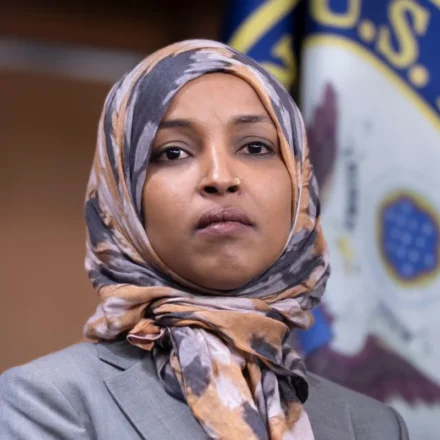
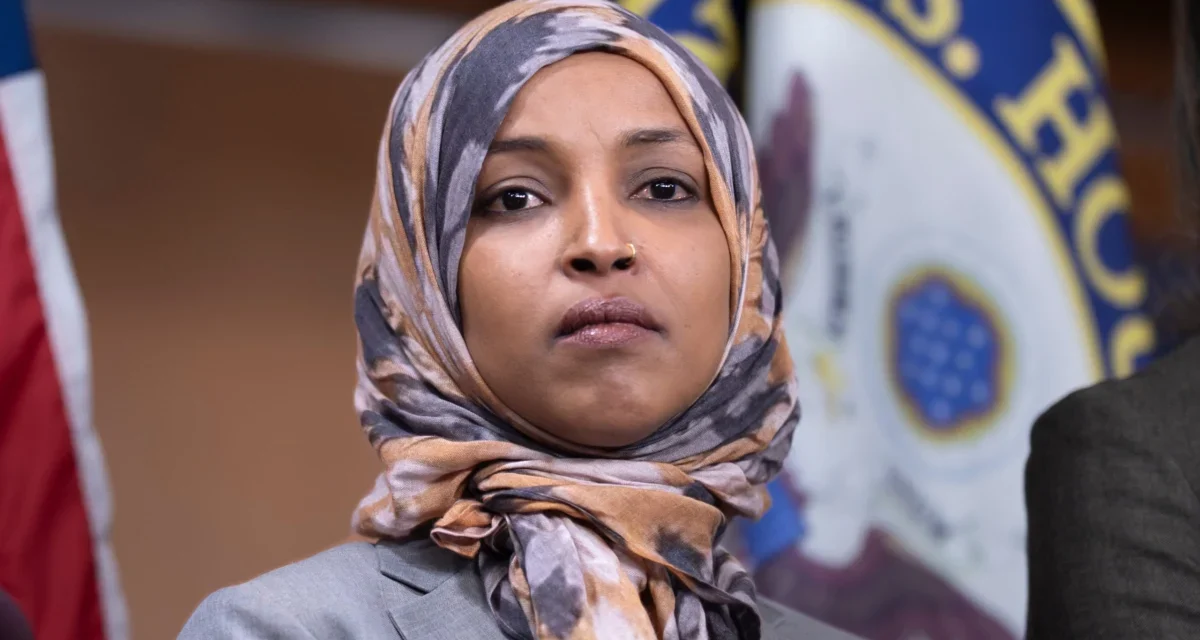
Nationally, the divide is equally clear. Reps. Ilhan Omar (D-5th District) and Betty McCollum (D-4th District), along with Sen. Tina Smith, are co-sponsors of the Jayapal-Sanders Medicare for All legislation. However, Rep. Kelly Morrison (D-3rd District), herself a physician, has not co-sponsored the bill, highlighting the nuanced positions even among medical professionals in the party.
Implications: The Future of Democratic Policy and American Healthcare
The deep ideological fissure over healthcare reform carries significant implications for the Democratic Party and the broader landscape of American healthcare. For the party, it represents a crucial internal struggle over its identity and policy direction. Progressive energy is clearly aligned with Medicare for All, viewing it as a moral imperative and a defining characteristic of a truly equitable society. This enthusiasm can be a powerful mobilizer in primaries and among the party’s base. However, the moderate wing, represented by candidates like Johnson and Craig, argues for a more pragmatic, incremental approach that they believe is more politically achievable in a deeply divided country and less disruptive to existing systems.
The outcome of these internal debates, particularly in primary elections, will shape the Democratic platform in general elections. Candidates who embrace Medicare for All risk being painted by Republicans as advocating for "socialized medicine" and higher taxes, potentially alienating swing voters. Conversely, candidates who shy away from it risk demobilizing their progressive base and facing criticism for not addressing the root causes of the healthcare crisis.
Realistically, the establishment of a single-payer system like Medicare for All in the United States faces immense political hurdles. Given the current split within the Democratic Party, even with a Democratic President and control of both chambers of Congress, achieving consensus for such a transformative overhaul would be exceptionally challenging. The entrenched power of the healthcare industry, including insurers, pharmaceutical companies, and major medical associations, would mount an unprecedented lobbying effort against it.
However, a Democratic takeover of the U.S. House and/or Senate, coupled with a Democratic presidency, could still lead to a "rush of Democratic healthcare legislation." While Medicare for All might remain elusive in the short term, a united Democratic front could pursue significant incremental reforms. This could include strengthening the Affordable Care Act, potentially reintroducing a public option, expanding Medicaid in states that have resisted it, and implementing aggressive measures to lower prescription drug costs. Renewed efforts to extend enhanced ACA subsidies and other mechanisms to reduce the number of uninsured and underinsured Americans would also be high on the agenda.
Ultimately, the debate within the Democratic Party on healthcare is more than just a policy disagreement; it reflects a fundamental tension between aspirational goals and political realities, between revolutionary change and evolutionary reform. As Minnesota’s candidates navigate these treacherous waters, their choices will not only determine their electoral fates but also contribute to shaping the trajectory of American healthcare for years to come, leaving millions of Americans to wonder when, and how, they will finally achieve affordable, accessible care.