

















































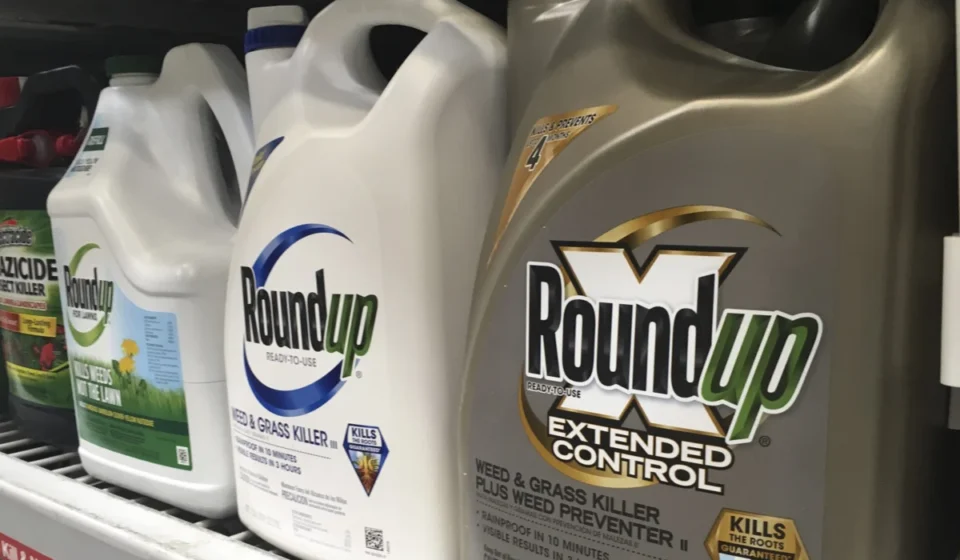

The global pharmaceutical and agrochemical giant Bayer is currently embroiled in a high-stakes legal confrontation that threatens to unravel its strategy for managing the massive, years-long litigation surrounding its glyphosate-based herbicide, Roundup. At the center of the storm is a proposed $7.25 billion class-action settlement, which critics are decisively labeling a "sweetheart deal" that prioritizes corporate shielding over the rights of cancer victims.
According to a blistering court filing submitted in Missouri’s Circuit Court of the City of St. Louis, the proposed agreement is an unconstitutional overreach that runs "roughshod over basic due process rights." As the legal community watches, the case has evolved into a complex game of jurisdictional chess, with objectors now attempting to move the proceedings to federal court—a maneuver that could jeopardize the future of the entire settlement framework.
The Core Conflict: A Question of Justice and Due Process
The proposed settlement, unveiled in February by Bayer and a coalition of plaintiffs’ attorneys, was designed to resolve tens of thousands of lawsuits brought by individuals who allege that exposure to Roundup and other glyphosate-based herbicides caused them to develop non-Hodgkin lymphoma (NHL). While Bayer presents the deal as a necessary mechanism to provide relief to claimants and stabilize the company’s financial future, the legal opposition paints a much darker picture.
The primary point of contention is the structural inequality of the deal. Critics point to the $675 million in fees earmarked for the lawyers spearheading the settlement, a figure that stands in stark contrast to the significantly smaller, "paltry" payments projected for the actual cancer victims.
Furthermore, the settlement carries a controversial stipulation: it would permit Bayer to continue selling its glyphosate products without including explicit cancer warnings on the packaging. To opponents, this is a dangerous concession. As one court filing starkly put it: "Approval of the settlement would be to free one of the nation’s most notorious, long-term polluters from jury trials and real liability for their misdeeds."
A Chronology of the Roundup Litigation
The saga of Roundup litigation is one of the most exhaustive chapters in modern American tort law. The following timeline outlines the key developments leading to the current crisis:
- 2018: Bayer acquires Monsanto, inheriting the company’s extensive portfolio of glyphosate-based products, alongside a mounting wave of litigation alleging that the chemical is a carcinogen.
- 2016–Present: US District Judge Vince Chhabria oversees the federal multidistrict litigation (MDL) in California, becoming a central figure in the oversight of the company’s liability.
- February 2026: Bayer and a group of plaintiffs’ attorneys propose a $7.25 billion nationwide class-action settlement.
- April 2026: Ashley Keller argues before the US Supreme Court on behalf of plaintiffs in a case that could fundamentally limit future litigation against Monsanto regarding failure-to-warn claims.
- May 21, 2026: Lawyers Ashley Keller and the Tennessee-based firm Frazer PLC file a formal objection to the settlement in Missouri state court, labeling the deal unconstitutional.
- May 22, 2026: A "notice of removal" is filed, seeking to shift the state-level settlement proceedings to federal court, potentially putting the entire agreement in jeopardy.
- June 4, 2026: The deadline for Roundup users to "opt out" of the proposed settlement.
- Late June 2026 (Expected): A ruling is expected from the US Supreme Court regarding Monsanto’s immunity from state-level failure-to-warn lawsuits.
- July 2026: A final approval hearing is scheduled to determine the fate of the proposed settlement.
The "Laundering" Allegation and Jurisdictional Warfare
The tension escalated on May 22, when objectors filed a notice of removal, arguing that the state-level proceedings are part of a broader, illicit "liability-management scheme." By attempting to shift the case to the federal court level, where it might fall under the purview of Judge Vince Chhabria—who has previously described the settlement as "filthy" and "mind-boggling"—the objectors hope to derail what they view as a rigged process.
The legal argument for removal is inherently creative: the lawyers are attempting to redefine their clients not as plaintiffs, but as "defendants" in the context of the settlement. The filing asserts that because the class counsel and Bayer are essentially operating as "partners" to push the deal through, those who oppose the settlement are the only true adverse parties. While some legal experts view this as a long-shot legal maneuver, it underscores the level of desperation and distrust surrounding the current negotiations.
Supporting Data and the "Futures" Subclass
One of the most alarming aspects of the proposed settlement, according to legal experts, is the creation of a "futures" subclass. This provision would bind not only those currently suffering from cancer but also future Roundup users who may develop non-Hodgkin lymphoma years down the line.
The objection filed by Keller and Frazer PLC characterizes this as "unprecedented in the annals of US jurisprudence." The filing argues that the class aims to bind millions of people, including children and those yet to be born, to a settlement that is "comically difficult" to escape. The opt-out process requires claimants to navigate a series of intricate, highly specific hurdles, which critics argue is designed to maximize the number of people trapped in the settlement’s restrictive terms.
Official Responses and Corporate Stance
Bayer remains steadfast in its defense of the settlement. The company argues that the criticism is merely the typical noise accompanying any massive, nationwide class-action agreement. In an official statement, a company spokesperson emphasized, "We remain confident that the long-term and well-financed proposed class settlement plan, which is supported by plaintiff law firms representing thousands of potential class members, is fair to all claimants."
Chris Seeger, a lead attorney for the plaintiffs’ side of the settlement, dismissed the removal notice as a "baseless delay tactic." Seeger maintains that the deal represents the only viable path to "guaranteed compensation" for victims who have been waiting for over a decade for resolution. He argues that the risk of a bankruptcy filing by Bayer—or a catastrophic ruling by the Supreme Court—makes the current settlement the most pragmatic option for those currently suffering.
Implications for the Future of Pesticide Litigation
The looming Supreme Court decision acts as a shadow over the entire debate. At the heart of the Supreme Court case is the interpretation of the Federal Insecticide, Fungicide, and Rodenticide Act (FIFRA). Monsanto is arguing that state juries should not be allowed to find the company liable for failing to warn about cancer risks when the Environmental Protection Agency (EPA) has not mandated such warnings. Currently, the EPA maintains that glyphosate is "unlikely" to be carcinogenic.
If the Supreme Court rules in favor of Monsanto, it could effectively immunize the company against future failure-to-warn lawsuits, rendering the "opt-out" option for plaintiffs potentially worthless. This is the primary leverage point used by the architects of the settlement: they are forcing victims to choose between a guaranteed, albeit "paltry," settlement payment today, or the gamble of a trial that may be legally barred in the near future.
Conclusion
The standoff between Bayer and the objectors in the Missouri court represents a critical juncture for American class-action litigation. If the settlement is approved in July, it could set a precedent for how corporations manage massive, long-term liability, potentially favoring structured, broad-reaching agreements that prioritize the cessation of litigation over individual justice. Conversely, if the courts find merit in the constitutional objections, the entire $7.25 billion framework could collapse, forcing Bayer back to the drawing board and potentially exposing the company to years of unpredictable jury verdicts across the country.
As the June 4 opt-out deadline approaches, millions of Roundup users find themselves caught in a high-stakes, confusing, and arguably unfair system. The final decision in July will not only decide the fate of these thousands of cancer patients but will likely serve as a defining moment for the power and reach of corporate accountability in the United States.