


























































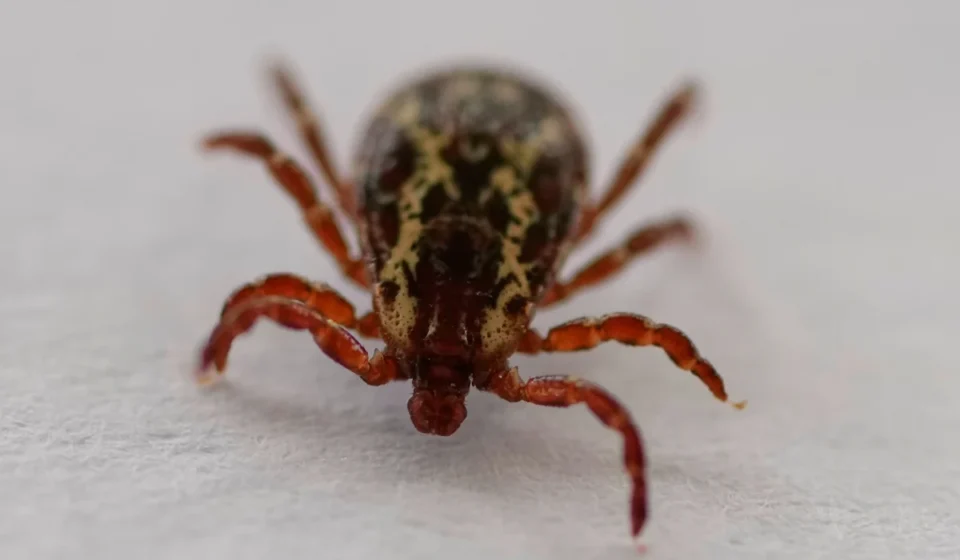

As the warmth of spring breathes life into forests and meadows, it also signals the resurgence of one of North America’s most persistent public health threats: the black-legged tick. While these tiny arachnids are a natural component of woodland ecosystems, their expanding range and surging populations have placed them on a collision course with human activity. With the 2026 tick season already showing alarming trends, the medical community is bracing for what could be a historic surge in Lyme disease and other tick-borne illnesses.
Main Facts: A Growing Public Health Threat
Lyme disease, first identified in the town of Old Lyme, Connecticut, in 1975, is a multisystemic infection caused by the bacterium Borrelia burgdorferi. Transmitted primarily through the bite of an infected black-legged tick (commonly known as the deer tick), the disease has evolved from a regional concern into a national crisis.
The transmission process is deceptively simple yet highly efficient. Ticks acquire the Borrelia bacteria by feeding on infected reservoir hosts—most notably white-footed mice and certain bird species. Once a tick becomes a carrier, it can transmit the pathogen to humans during a blood meal. Crucially, the risk of infection is tied to the duration of attachment; research consistently shows that a tick must typically remain attached for 24 to 48 hours to effectively transmit the bacteria. This "window of opportunity" is the cornerstone of preventative strategies, underscoring the vital importance of prompt tick checks after time spent outdoors.
Despite official reports from state health departments documenting over 89,000 cases in 2023, public health experts and epidemiologists believe these figures represent only the tip of the iceberg. Conservative estimates suggest that as many as 500,000 Americans contract Lyme disease annually, many of whom may go undiagnosed or misdiagnosed due to the disease’s subtle, "mimicry" nature.
Chronology of the 2026 Surge
The current year has marked a troubling milestone in vector-borne disease trends. On April 23, 2026, the Centers for Disease Control and Prevention (CDC) issued a stark warning: emergency room visits specifically linked to tick bites have climbed to their highest levels since tracking began in 2017.
This uptick is not a coincidence but the result of a "perfect storm" of climatic and ecological factors. Shortened winters, characterized by earlier spring thaws and higher average temperatures, have fundamentally altered the tick’s biological clock. In many regions, ticks are emerging from their winter dormancy weeks earlier than historical averages, effectively extending the transmission window. In areas where freezing temperatures are becoming increasingly rare, ticks have even begun to exhibit year-round activity, stripping away the traditional "safe" seasons for outdoor enthusiasts.
Supporting Data and Geographic Expansion
The geographic footprint of Lyme disease has undergone a dramatic transformation over the last three decades. Since 1995, the incidence rate of the disease in the United States has nearly doubled.
While historically concentrated in the Northeast, the mid-Atlantic (from Virginia to the Canadian border), and the Upper Midwest (Wisconsin, Michigan, and Minnesota), the range is pushing outward. Climate change is the primary driver of this migration; rising temperatures and altered rainfall patterns have created favorable micro-habitats in regions previously considered too cold or arid for tick survival.
Furthermore, human land-use patterns are exacerbating the risk. The conversion of rural woodlands into suburban developments has fragmented habitats, bringing the primary hosts—deer and mice—into closer proximity with residential backyards. This fragmentation reduces the biodiversity of the local ecosystem, which often leads to a higher concentration of infected ticks, as the remaining hosts are predominantly those species that carry the Borrelia pathogen.
Official Responses and Clinical Challenges
The clinical reality of Lyme disease remains one of the most complex challenges in infectious medicine. Because early symptoms—fever, fatigue, and muscle aches—are indistinguishable from a common flu, many patients fail to seek medical attention during the critical initial window.
One of the most recognizable indicators, the "bull’s-eye" or erythema migrans rash, occurs in roughly 70% to 80% of cases. However, the absence of this rash does not rule out infection. Diagnostic testing, which relies on identifying antibodies in the blood, is frequently unreliable during the first few weeks, often resulting in false negatives.
"Lyme disease is a master of disguise," notes one infectious disease specialist. "Because the bacteria can disseminate rapidly through the bloodstream, it can affect nearly any organ system, often leaving patients with chronic, debilitating symptoms that persist long after the initial infection has been cleared."
The Vaccine Frontier
In a significant development, the pharmaceutical industry is making headway in the fight against the disease. In March 2026, Pfizer and Valneva announced promising data from a late-stage clinical trial for a Lyme disease vaccine candidate. The study indicated that the vaccine successfully prevented the disease in 70% of participants. While not a silver bullet, such a vaccine could drastically reduce the burden on public health systems and provide a crucial layer of protection for high-risk populations.
Implications: The Long-Term Consequences
When left untreated, or when treatment is delayed, the implications of Lyme disease are profound. Approximately 60% of untreated patients go on to develop Lyme arthritis, characterized by severe, recurrent swelling of large joints, most commonly the knee.
Beyond the joints, the infection can infiltrate the heart, causing inflammation known as Lyme carditis, which can lead to heart rhythm irregularities. Even more concerning is the impact on the central nervous system. Neuroborreliosis—the spread of the bacteria to the brain and nervous system—can manifest as severe headaches, neck stiffness, cranial nerve palsies, and in extreme cases, cognitive impairments, balance issues, and memory changes.
Perhaps most controversial and distressing are the "post-treatment" effects. Even after a successful two-to-four-week course of antibiotics, some patients report persistent fatigue, cognitive fog, and musculoskeletal pain. Researchers have identified several potential mechanisms for this:
- Residual Bacterial Fragments: Studies have found that pieces of the bacteria’s cell wall can persist in tissues, continuing to trigger an inflammatory response.
- Autoimmune Triggers: The infection may prompt the immune system to misidentify the body’s own cells as targets, initiating a long-term autoimmune condition.
- Neurological Sensitivity: Because the nervous system is highly susceptible to inflammatory damage, it may require significant time to recover, or in some cases, the damage may be permanent.
Essential Safety Protocols: How to Stay Protected
Until a vaccine is widely available, personal vigilance remains the most effective defense. To minimize risk, public health experts recommend the following:
- Dress for Protection: When hiking or working in tall grass, wear light-colored clothing (to make ticks easier to spot), tuck pants into socks, and wear long-sleeved shirts.
- Utilize Repellents: Use EPA-registered insect repellents containing DEET, picaridin, or IR3535. Permethrin-treated clothing and gear offer an additional, highly effective barrier.
- Conduct Thorough Tick Checks: After returning indoors, perform a full-body scan. Pay special attention to hidden areas like the scalp, armpits, groin, and behind the knees.
- Prompt Removal: If a tick is found, use fine-tipped tweezers to grasp the tick as close to the skin as possible and pull upward with steady pressure. Do not twist the tick, as this may leave mouthparts embedded.
- Environment Management: Keep residential lawns mowed short, clear brush and leaf litter, and create "tick-safe" zones by using wood chips or gravel to create a buffer between wooded areas and play areas.
As we move deeper into the 2026 season, the convergence of climate change and shifting ecological landscapes suggests that the "tick season" is no longer a temporary annoyance, but a persistent environmental reality. Awareness, early intervention, and proactive prevention remain the best tools for navigating this challenging landscape. By understanding the risks and taking consistent action, the public can continue to enjoy the outdoors while mitigating the threat of this elusive, potentially life-altering disease.