





































Main Facts: A Cultural Landmark Reclaimed
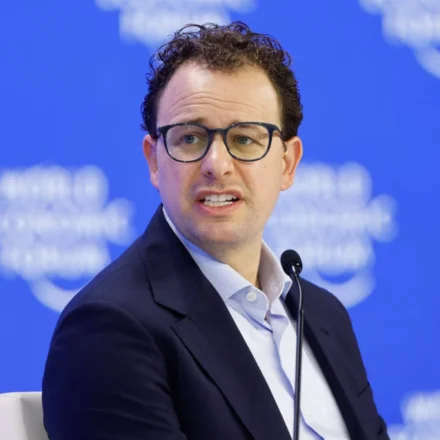
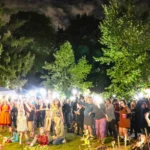
After an eight-year hiatus that left fans wondering if the experimental gathering had dissolved into the mist of its namesake river, the Eaux Claires Music and Arts Festival is officially returning to its spiritual home. Founded in 2015 by indie folk titan Justin Vernon and The National’s Aaron Dessner, the festival is set to occupy the lush, historic grounds of Carson Park in Eau Claire, Wisconsin, on July 24 and 25.
Unlike the previous iterations of the festival, which sought to push the boundaries of the traditional music festival experience through high-concept experimentation, this year’s event signals a deliberate "return to essence." By centering the festival in the heart of the city—a location Vernon famously compares to New York City’s Central Park—the organizers hope to ground the music in the community that birthed it. The festival will feature a eclectic mix of musical performances, a dedicated writers’ residency, and an emphasis on unscripted collaboration, all while eschewing the rigid structures of standard touring schedules.
Chronology: The Evolution of an Idea
The trajectory of Eaux Claires has been anything but linear. When it launched in 2015, the festival was hailed as a bold experiment in "musical crossovers." It was designed as a counter-narrative to the polished, predictable nature of major festival circuits. However, as the event grew, so did its ambitions.
- 2015–2017: The early years were defined by rapid growth and a commitment to curating unique, one-off performances that could not be seen anywhere else in the world.
- 2018: The final year of the festival’s original run saw it lean into extreme esotericism. In a move that remains a point of reflection for Vernon, the organizers famously chose not to announce the lineup, effectively asking fans to trust in the "experience" rather than the "act." Vernon admits today that this may have been "taking it a little too far."
- 2019–2023: A prolonged, indefinite hiatus occurred. During this time, the global pandemic and shifts in the music industry forced a period of introspection for the festival’s founders.
- 2024: The announcement of the festival’s return to Carson Park. With the help of creative director RT Vrieze of Knorth Studios, the festival has been reimagined as a community-centric event, shedding the "removed" nature of its predecessors to embrace a more intimate, local identity.
Supporting Data: The Venue and the Talent
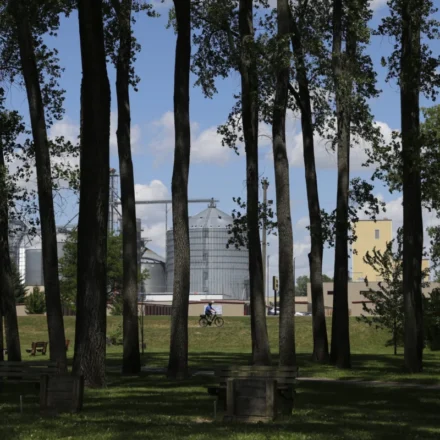
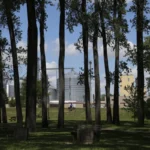
Carson Park is far more than a patch of grass. It is a sprawling municipal gem that acts as a microcosm of Eau Claire’s history. The festival grounds feature a football and baseball stadium, two museums, a preserved one-room schoolhouse, and the iconic statue of Paul Bunyan and his blue ox, Babe.
The integration of the venue into the event is central to the mission. Vernon noted that standing near the bronze sculpture of baseball legend Hank Aaron—who once played for the Eau Claire Bears—reminded him of the city’s "rich, rich history."
This year’s lineup reflects a balance of legacy and innovation:
- Headliners and Alumni: The return of Aimee Mann and Kevin Morby provides a tether to the festival’s origins.
- Local and Genre-Bending Acts: The Gully Boys and a special tribute to the Minneapolis funk scene, led by former Prince drummer Michael Bland under the banner Urban Classic Presents Revelation, highlight the regional focus.
- Cultural Fusion: The inclusion of Bizhiki—a collaboration featuring Ojibwe powwow singers Joe Rainey and Dylan Bizhikiins Jennings alongside Bon Iver’s S. Carey—exemplifies the festival’s commitment to artistic discovery.
- The Literary Cohort: The festival’s writing residency, led by Wisconsin native Michael Perry, includes notable talents such as playwright Katie Ka Vang, illustrator Brent Schoonover, and novelist Benjamin Percy.
Official Responses and Artistic Intent
For Justin Vernon, Eaux Claires is less about celebrity and more about "service to community." In recent years, Vernon has expressed a complicated relationship with the fame associated with Bon Iver. He describes the spotlight as a "distraction" and finds solace in the local humility of Eau Claire—even finding humor in the fact that a local magazine, Volume One, has repeatedly voted his band as the "most overrated."
Regarding the shift in tone for the 2024 festival, Vernon is clear: "I think something that we wanted to do was to bring things back to the essence of Eau Claire, not to have it be esoteric, not to have it be removed."
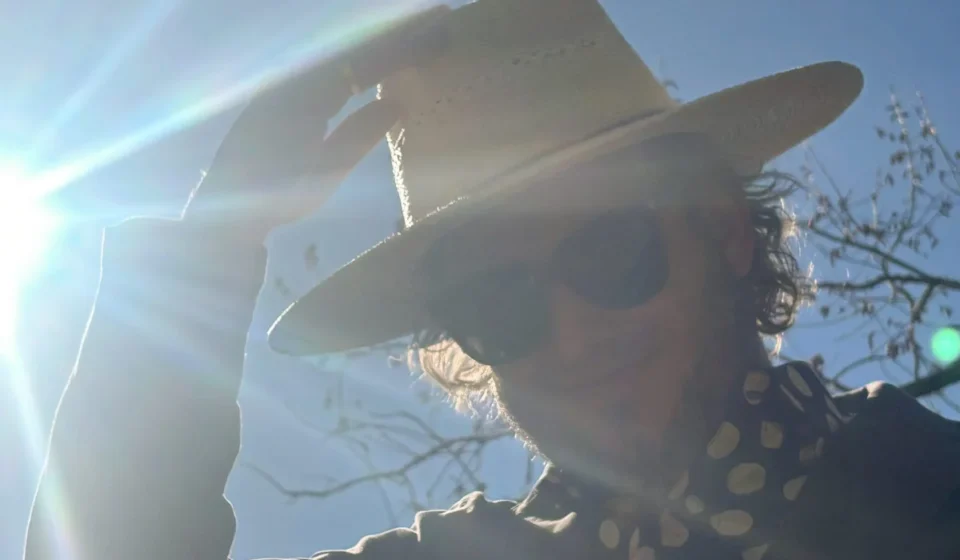
The most significant change for the 2024 event is the absence of Bon Iver as a headline act. Instead, Vernon will debut a project titled "Bon Dylan." This homage to the Hibbing-born folk legend is the culmination of decades of study. Vernon describes the process of "mimicking" Dylan’s 1994–1995 vocal era as an internal transformation. "It feels different, and it’s kind of freaky, but it’s really working," he explained. For Vernon, this performance is a profound, serious undertaking: "Being up there and becoming Bob Dylan for a night, I can be done after that."
Implications: The Future of the "Eau Claire" Model
The return of Eaux Claires carries significant implications for the independent festival circuit. As mega-festivals face criticism for becoming corporate, standardized products, the Eaux Claires model suggests a path forward rooted in regional identity and artistic vulnerability.
By choosing to host the event in a city-owned park rather than a private venue, the organizers are creating a "home-base" effect. The festival is no longer trying to compete with the spectacle of global events like Coachella or Glastonbury; instead, it is attempting to foster a "good balance of those collaborations" that prioritize the chemistry between artists over the branding of the bands themselves.
Moreover, the festival serves as a vital economic and cultural engine for the Chippewa Valley. By highlighting local artists and regional history—like the integration of the Eau Claire Bears—the festival is positioning itself as a cultural anchor. It is a declaration that artistic significance doesn’t require a coastal stage or a global tour bus; it can be found in the trees and stadiums of a mid-sized Wisconsin city.
As the gates prepare to open in July, the festival is not just bringing music to the masses; it is offering a reset button for an industry that has grown weary of its own scale. Whether "Bon Dylan" becomes a singular moment in time or the beginning of a new chapter for Vernon, the message is clear: Eaux Claires is back, and it is finally, authentically, home.
Festival Logistics
- Dates: July 24–25
- Location: Carson Park, Eau Claire, Wisconsin
- Ticket Tiers:
- One-day pass: $124 – $239
- Two-day pass: $229 – $399
- Children (under 10): Free
- Note: Parking passes are currently sold out. Attendees are encouraged to utilize shuttle services and public transportation. For more information, visit eauxclaires.com.