

















































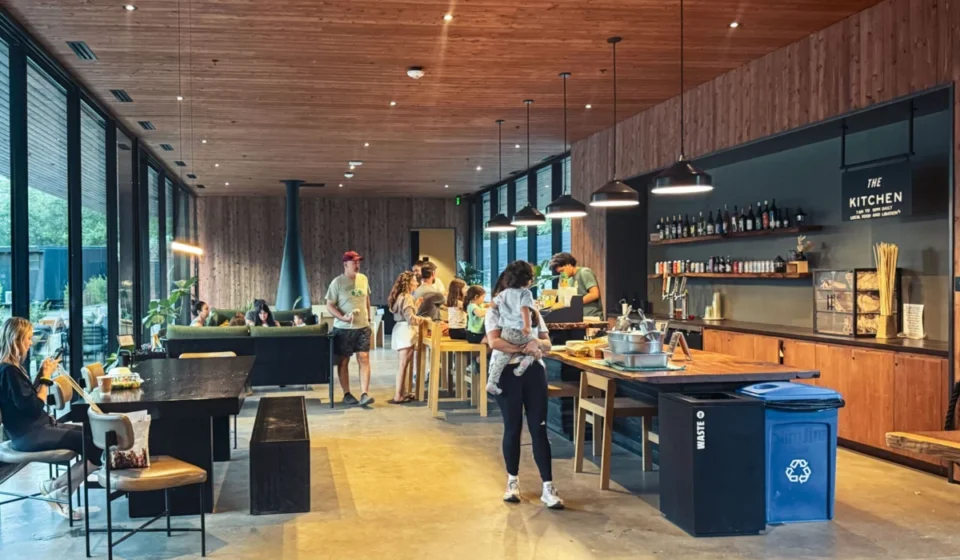

For travelers venturing into the rugged, soaring heights of Sequoia National Park, the gateway town of Three Rivers has historically presented a stark dichotomy: basic, uninspired roadside motels or secluded, high-effort cabin rentals. However, a new player has emerged to bridge the gap between roughing it and high-end hospitality. AutoCamp Sequoia, a sprawling 85-unit glamping resort, promises the nostalgia of mid-century travel combined with the amenities of a modern boutique hotel. But as travelers navigate the trade-offs between cost and accessibility, the question remains: is this premium experience worth the steep price tag?
Main Facts: Redefining the Basecamp
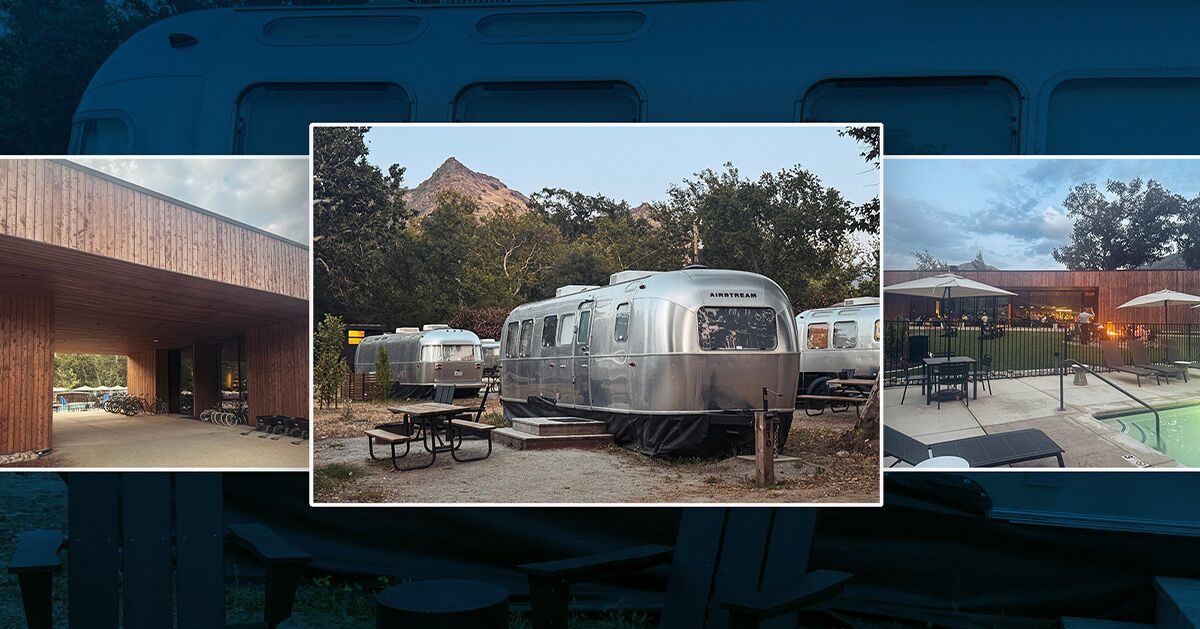
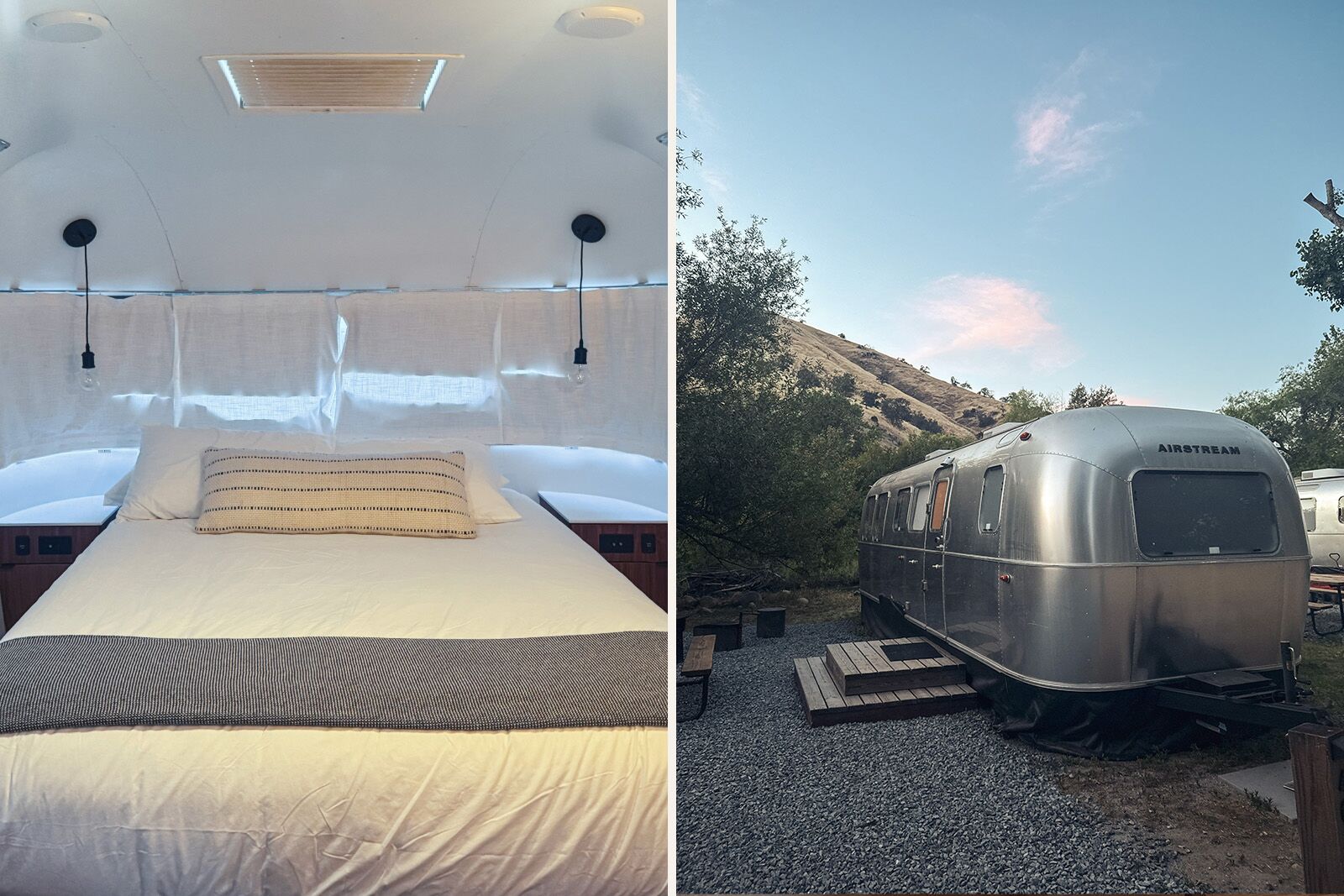
AutoCamp Sequoia is not your typical campground. Located just ten minutes from the Ash Mountain Entrance Station of Sequoia National Park, the property offers a curated outdoor experience. The crown jewels of the resort are its fleet of custom-renovated Airstream trailers. These units, designed with an obsessive focus on spatial efficiency, come equipped with built-in storage, coffee and tea stations, and surprisingly spacious bathrooms—though guests over six feet tall should be prepared for a bit of a "cozy" fit in the shower.
While the Airstreams are the primary draw, the property provides diverse lodging options to accommodate different group sizes. For families or larger parties, the resort offers traditional cabins featuring private bedrooms and full kitchens, as well as bunk rooms designed to sleep up to six. For those caught between the desire for comfort and the urge to be "out in nature," the BaseCamp suites pair an Airstream with an adjacent canvas tent, successfully capturing the traditional camping aesthetic without the back-breaking necessity of pitching a tent.
The Chronology of a Sequoia Getaway
Understanding the value of AutoCamp requires a look at the typical, often grueling, itinerary of a Sequoia visitor. Most travelers staying in the nearby town of Visalia face a daunting hour-long commute just to reach the park entrance. Once inside, the challenges only increase; the road leading into the park is famously long, narrow, steep, and winding. It is a route that tests the patience of even the most seasoned drivers, especially during peak season when traffic crawls to a standstill.
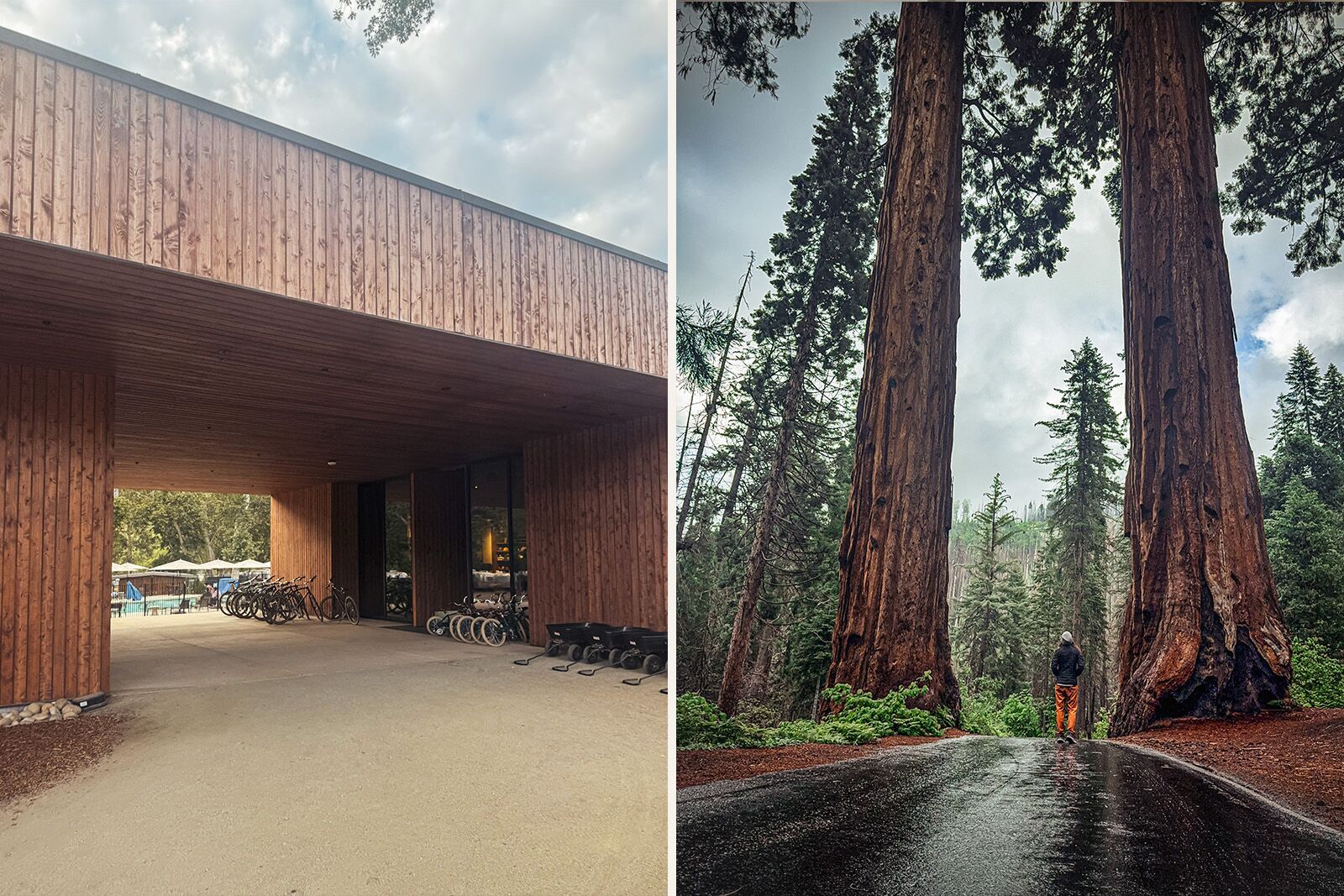
A stay at AutoCamp changes this timeline entirely. By being situated just ten minutes from the entrance, guests gain a significant head start. In the world of national park tourism, this is a tactical advantage. A 10-minute drive allows guests to beat the morning rush, ensuring they arrive at the popular trailheads—like the path to the General Sherman tree—before the parking lots hit capacity.
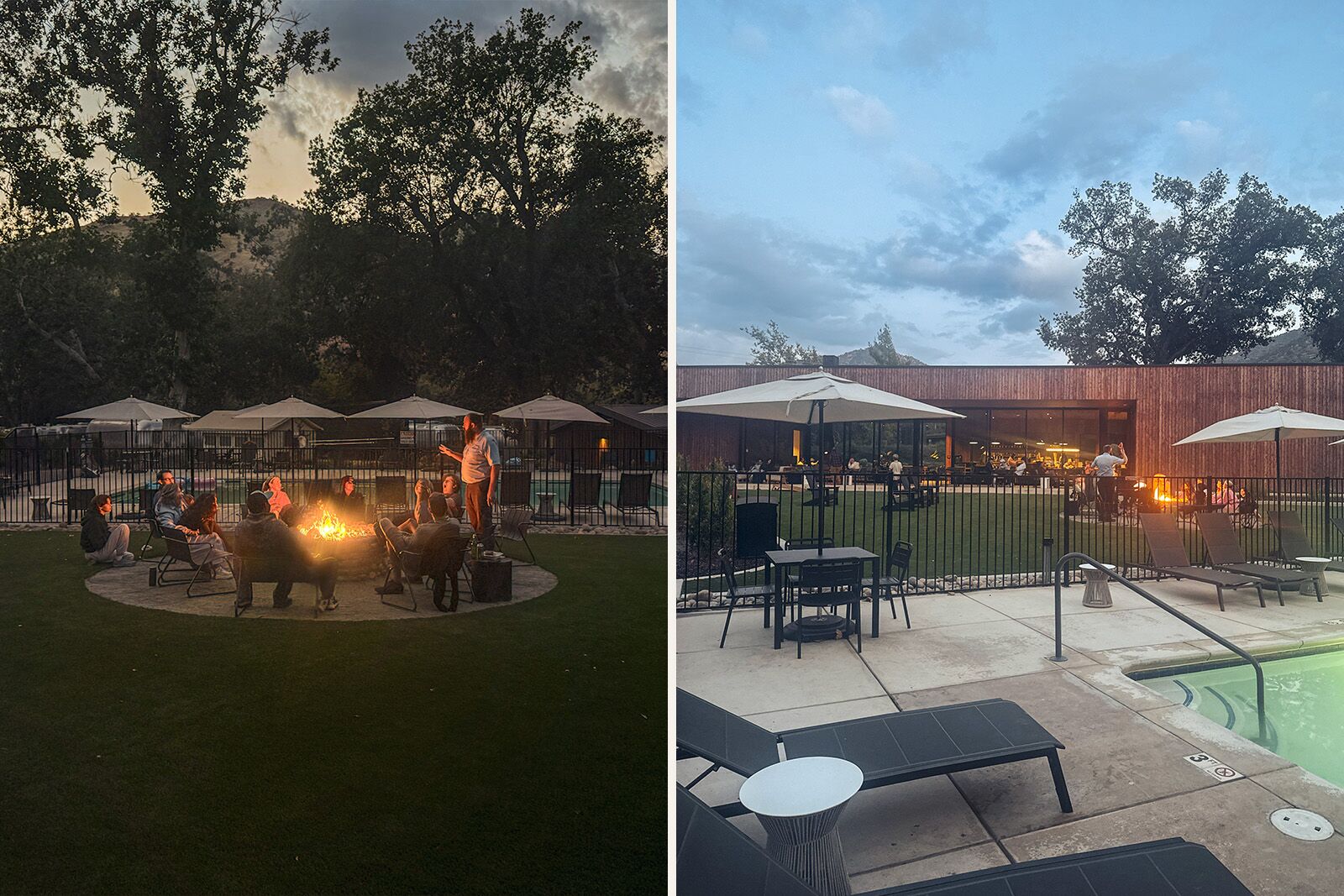
The "relief factor" is equally significant at the end of the day. A 12-hour day in the park, filled with steep hikes and dizzying altitudes, leaves most travelers exhausted, hungry, and covered in trail dust. The return journey is often the most grueling part of the trip. However, returning to AutoCamp offers an immediate transition from "tourist" to "guest." Instead of navigating back to a generic hotel room, guests find themselves in a curated, outdoor-focused environment, relaxing in Adirondack chairs along the Middle Fork of the Kaweah River.
Supporting Data: Navigating the Trade-offs
While the convenience is undeniable, the property is not without its operational challenges. The density of the trailer placement is a critical detail for potential guests. Because the Airstreams are parked in close proximity, sound carries easily. Quiet hours are strictly enforced, but they are a necessity rather than a suggestion. Light sleepers or those sensitive to noise from neighbors—including the sound of luggage wheels rolling over gravel at late-night hours—may find the central units disruptive.
For those prioritizing privacy, the "Vista Riverfront Airstream Suites" are the clear recommendation. These sites offer significantly more space and immediate access to the tranquil lawn and beach area along the Kaweah River.
The resort also shines in its commitment to "on-site programming." The daily schedule includes complimentary activities such as guided bird walks, weekend yoga classes, and family-friendly movie nights. The presence of a National Park Ranger on-site for evening talks is a standout feature, providing an educational bridge between the comfort of the resort and the wilderness of the park.
Official Responses and Pricing Dynamics
The most contentious point regarding AutoCamp Sequoia is the pricing. During shoulder seasons, rates are relatively approachable, but during peak summer months, prices can climb into the low $700s per night—a figure that rivals luxury accommodations in major metropolitan hubs.
When asked to justify this premium, the management highlights the unique market conditions of the region. Bryan Terzi, Chief Commercial Officer of AutoCamp, explains that the pricing is a direct reflection of seasonal demand.
"Like many destinations that experience peak seasonal demand, rates at AutoCamp Sequoia fluctuate throughout the year," Terzi states. "Summer is one of the most popular times to visit the region, with travelers drawn to longer days, warm weather, and access to iconic attractions. As a boutique property with just 85 accommodations, AutoCamp Sequoia also experiences strong demand during the summer months, which is reflected in seasonal pricing."
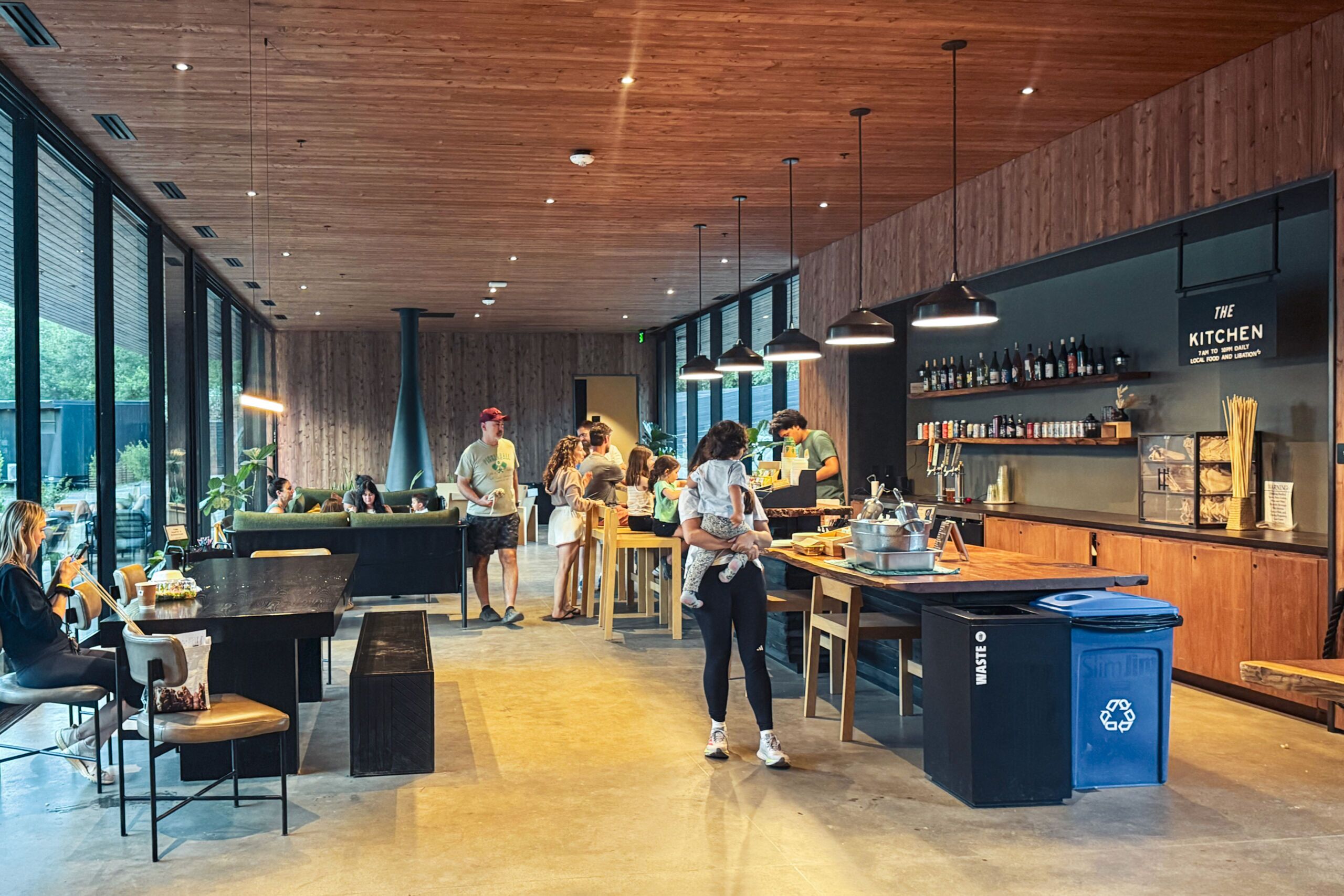
From a market perspective, this is consistent with the broader Three Rivers hospitality landscape. Even standard-tier accommodations, such as the local Comfort Inn & Suites, command prices in the $300 range during the peak season. While $700 is undeniably a premium, the demographic of the target traveler—often hailing from high-cost-of-living areas like San Francisco—tends to weigh the value of their limited vacation time more heavily than the absolute dollar amount of the nightly rate.
Implications: The Verdict on "Convenience Luxury"
AutoCamp Sequoia sits at a unique intersection of demographics and travel philosophies. It is not designed for the budget-conscious traveler looking to save every dollar; there are far more economical options available for those willing to sacrifice time and comfort.
Instead, the property caters to the "time-wealthy" traveler—someone who views their vacation days as a finite, precious resource. By removing the friction of a long, stressful commute and providing a turnkey outdoor experience, AutoCamp transforms the national park visit from a logistical puzzle into an effortless retreat.
However, guests should be aware of the "minor" frustrations that come with the price point. Issues like loud heating units, thin pillows, and the occasional need for earplugs can feel magnified when paying a premium. These are areas where the resort could improve to better align with the "luxury" label it commands.
Ultimately, the decision to book at AutoCamp Sequoia hinges on what you value most. If you view your stay as merely a place to sleep between hikes, the price will feel prohibitive. But if you view your lodging as an extension of the vacation experience—a place to recover, connect with family, and enjoy the beauty of the Kaweah River without the stress of navigating peak-season traffic—then AutoCamp offers a level of convenience that is, quite literally, hard to beat. It effectively turns a potentially exhausting national park pilgrimage into a smooth, seamless, and memorable getaway.