























































Minnesota Communities Mobilize: Data Centers Emerge as Pivotal Election Issue Across the State

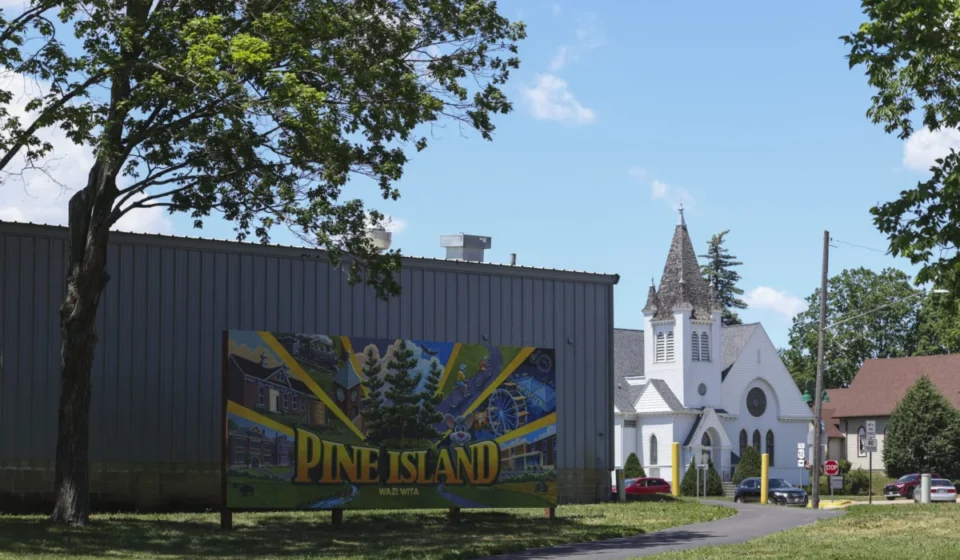
PINE ISLAND, MN – Down a winding dirt road, where sprawling farm fields meet the horizon, Aubree Derksen feels like David facing Goliath. Her adversary: Google, the tech titan, in collaboration with a developer, poised to transform the tranquil rural landscape near her home into a colossal hyperscale data center. From her Pine Island residence, conspicuously adorned with anti-data center signage, Derksen has become a vocal leader in a burgeoning grassroots movement, determined to halt the relentless march of these digital behemoths across Minnesota.
Derksen is not alone. Her allies span across town and traverse the state, forming a powerful, albeit nascent, coalition of Minnesotans. This diverse group is actively working to prevent similar projects in communities like Farmington, Hermantown, Monticello, and others. Their collective frustration stems from a shared belief that local governments, often blinded by the allure of economic development, are failing to adequately address resident concerns regarding the profound health, environmental, and resource-management risks posed by these massive digital infrastructure hubs.
Despite their impassioned protests and growing numbers, proposed developments have largely navigated local regulatory processes with unsettling ease over the past two years. Only the intervention of court orders, as seen in Pine Island and Faribault, has managed to force a temporary pause. At a higher legislative level, a series of bills aimed at curbing data center proposals met with failure during the last session, leaving activists deeply disappointed. "That was incredibly disappointing," Derksen remarked, reflecting on the legislative setbacks.

The Unfolding Chronology of Resistance
The fight against data centers in Minnesota has been a rapid escalation of grassroots efforts confronting well-resourced corporations and eager municipalities. Initially, many projects advanced quietly, often shrouded in secrecy due to non-disclosure agreements (NDAs) signed by local officials. This lack of transparency, a recurring grievance among residents, prevented early community engagement and allowed developers to gain significant traction before public opposition could coalesce.
The first major public outcry emerged as specific projects, like Google’s "Project Skyway" in Pine Island and "Project Loon" in Hermantown, became more concrete. Residents began organizing, holding town hall meetings, and engaging local media. These efforts led to increased awareness and the formation of groups like the Coalition for Responsible Data Center Development, spearheaded by Cathy Johnson in Farmington, a retired teacher turned fervent environmental activist.
Legislative attempts to introduce moratoriums or stricter regulations at the state level gained momentum during the last session but ultimately faltered. Bills seeking to ban NDAs, increase transparency, or impose temporary freezes on data center construction failed to garner sufficient support, highlighting the powerful lobbying efforts of the tech industry and utility companies. This legislative defeat further galvanized local activists, shifting their focus towards the upcoming municipal and state elections.

However, not all battles have been lost. Legal challenges mounted by residents in Pine Island and Faribault successfully secured court orders, temporarily halting construction. These legal victories, while limited in scope, served as crucial morale boosters and demonstrated that organized community action could indeed force a pause. Concurrently, some forward-thinking local governments, like Rosemount and Lonsdale, heeding early warnings and community feedback, proactively imposed their own moratoriums on new data center developments, setting a precedent for responsible governance.
Supporting Data: The Hidden Costs of Hyperscale Expansion
The core of the opposition rests on tangible concerns about the impact of hyperscale data centers, which are far more than just large server farms. They are massive industrial facilities with significant environmental and resource demands.
Environmental Strain:
Data centers are notorious for their immense water consumption. Millions of gallons of water are used daily for cooling their heat-generating servers, often drawn from local aquifers or municipal supplies. In a state like Minnesota, with diverse ecosystems and agricultural needs, this poses a substantial threat to water security and availability, potentially depleting groundwater resources and stressing local water infrastructure.

Their energy footprint is equally staggering. A single hyperscale data center can consume as much electricity as a small city. This demand puts immense pressure on the electrical grid, often necessitating the construction of new power infrastructure and, critically, increasing reliance on non-renewable energy sources if green alternatives are not immediately available or sufficient. This directly contradicts Minnesota’s broader environmental goals and contributes to increased carbon emissions.
Beyond resources, the noise pollution generated by constantly running cooling systems, backup generators, and ventilation fans can be a relentless disturbance. Residents living near proposed sites describe a future filled with an inescapable, low-frequency hum, disrupting the peace and quiet that drew many to rural Minnesota. Furthermore, the 24/7 operation requires extensive light pollution, erasing the dark skies cherished by rural communities and impacting nocturnal wildlife.
Economic Misconceptions:
Developers frequently tout the economic benefits of data centers, primarily focusing on job creation and tax revenue. However, activists and local officials like Lonsdale Mayor Tom Berg challenge this narrative. While construction phases do create temporary jobs, the long-term operational workforce for a data center is typically small, highly specialized, and often filled by personnel from outside the immediate community. Automation further reduces the need for extensive human labor, meaning the promised long-term employment benefits for local residents are often minimal.

Regarding property tax revenue, Mayor Berg warns against "praying for a boom." He highlights that many states and localities offer significant tax incentives, such as sales tax exemptions on equipment or property tax abatements, to attract these developments. These incentives can severely diminish the actual long-term revenue stream for municipalities, leaving them with limited financial gain after the initial construction boom. There’s also the risk of "stranded assets"—massive, specialized buildings that are difficult and costly to repurpose if the tech company decides to move or upgrade elsewhere, leaving local governments with empty, industrial white elephants.
Quality of Life Erosion:
For residents like Aubree Derksen and Rodney Lanners, the fight is deeply personal. It’s about preserving the intrinsic character of their communities. The presence of a vast industrial complex, with its associated noise, light, and increased traffic, fundamentally alters the rural, small-town feel that residents cherish. It threatens native plant and animal habitats, disrupts migratory bird patterns, and obscures natural phenomena like the Northern Lights. As Derksen poignantly asks, "If this were to get built, with the noise, with the light, are we still going to be able to hear the birds? We can’t afford to move, so we don’t have an escape plan."
Official Responses: A Mixed Bag of Resistance and Acquiescence
The response from official channels has been varied, reflecting the complex interplay of economic pressures, political will, and community advocacy.

Local Government Engagement:
Many local governments initially embrace data center proposals due to the perceived promise of economic revitalization. Small towns, often struggling with limited tax bases and seeking ways to attract investment, can be particularly susceptible to the enticing projections of jobs and revenue. However, as public opposition mounts, some councils have begun to reconsider. Lonsdale Mayor Tom Berg exemplifies this shift. His city imposed a one-year moratorium to establish comprehensive regulations and incorporate community feedback, acknowledging the dangers of rushing into agreements without proper oversight. Berg has also been a vocal advocate for transparency, testifying at the Capitol in favor of banning NDAs, which he argues "are eroding public trust in institutions."
State Legislative Stagnation:
At the state level, the legislative landscape has proven more challenging for opponents. Despite a groundswell of public support for moratoriums and increased regulations, bills failed to pass during the last session. This outcome underscores the significant influence of powerful industry lobbyists and the prevailing pro-business sentiment among some lawmakers. The DFL party, while showing some internal division, saw data center resolutions garner broad support at its state convention (64% for a moratorium, 76% for tighter regulations), indicating a growing awareness and concern within the party base. Similarly, the Republican convention adopted a resolution calling for a "data center pause," suggesting a rare bipartisan alignment on the need for caution, even if the proposed solutions differ.
Developer Stance (Inferred):
While developers like Google and Meta, along with their partners like Ryan Companies and Xcel Energy, are not directly quoted in the original article, their public actions and statements in other contexts suggest a consistent line of argument. They typically emphasize:

- Economic benefits: Job creation (both construction and operational), significant tax contributions, and local spending.
- Technological necessity: Data centers are critical infrastructure for the digital economy, supporting everything from cloud services and AI to streaming and everyday internet use.
- Sustainability efforts: Many companies highlight their commitments to renewable energy and water conservation, although critics often question the true scope and impact of these initiatives.
- Community partnership: They often engage in local sponsorships, such as Google’s platinum sponsorship of the Pine Island Cheese Festival, aiming to demonstrate goodwill and community integration.
Implications: Reshaping Minnesota’s Political Landscape
The burgeoning data center debate is poised to significantly impact Minnesota’s political landscape, particularly in the upcoming fall elections.
Emergence of the "Single-Issue Voter":
Aubree Derksen’s declaration, "This is the new single-issue voter. It’s not going to be abortion or LGBTQ or immigration issues. I think it’s going to be data centers, and I think that’s something both parties are going to have to reckon with," captures the sentiment gripping affected communities. For residents directly impacted, the future of their homes and environment outweighs traditional partisan divides. This focus could reshape local city council, county board, and even state legislative races, as candidates’ stances on data centers become a primary litmus test for voters.
In Pine Island, for instance, the resignation of Mayor David Friese opens up a mayoral race, alongside two other city council seats. With three of five council positions up for grabs, opponents of Project Skyway see a clear path to influencing local policy. Activists are actively working to identify and support candidates who align with their goals of slowing or stopping development.

Bipartisan Pressure:
The Ipsos poll revealing bipartisan concern over environmental impacts, despite differing approaches to government regulation, underscores the unique political dynamic of this issue. While Democrats are more inclined towards restrictions, a significant portion of Republicans also express environmental worries. This cross-partisan concern creates opportunities for unexpected alliances and could force candidates from both sides of the aisle to address the issue head-on, potentially pushing them towards more cautious approaches or even moratoriums to appease energized voters. Sarah Mooradian, government relations and policy director at CURE, a Montevideo-based nonprofit tracking data center issues, notes, "(The DFL platform votes) were a pretty good indicator of what’s happening statewide. We know how bipartisan it is."
Ripple Effect on State Elections:
The battle extends beyond local councils to the state House and Senate. Shifts in party control or even individual legislative seats could revive proposals for statewide moratoriums or more robust regulatory frameworks in the next session. Activists are keenly monitoring legislative races in affected districts. For example, Senator Bill Lieske (R) in a battleground district south of the Twin Cities metro and Senator Grant Hauschild (DFL) and Representative Natalie Zeleznikar (R) in northern Minnesota’s high-stakes swing district are defending seats where data center stances could prove decisive. Voters are actively seeking candidates who demonstrate a willingness to challenge developers and prioritize community concerns.
A Call for Precedent and Protection:
The actions of cities like Rosemount, which imposed a moratorium on new projects after Meta began building, and Lonsdale, which paused development to craft regulations, offer a blueprint for other communities. These examples demonstrate that local governments can assert control and prioritize careful planning over rapid expansion. Mayor Berg’s advocacy for banning NDAs is particularly significant, highlighting the foundational importance of public trust and transparency in these high-stakes decisions.

The overarching implication is a fundamental re-evaluation of how Minnesota balances technological progress with environmental stewardship and community autonomy. As tech giants continue their quest for new development sites, the resistance in Minnesota signals a growing awareness among citizens that "progress" must not come at an unsustainable cost to their cherished way of life and natural resources. The upcoming elections will serve as a critical barometer of how deeply this sentiment has penetrated the state’s political consciousness, and whether the collective voice of David can indeed stand firm against Goliath.