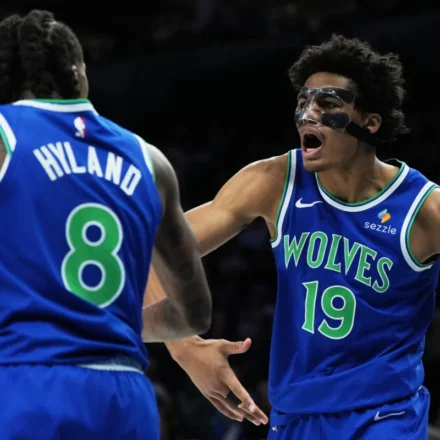


















































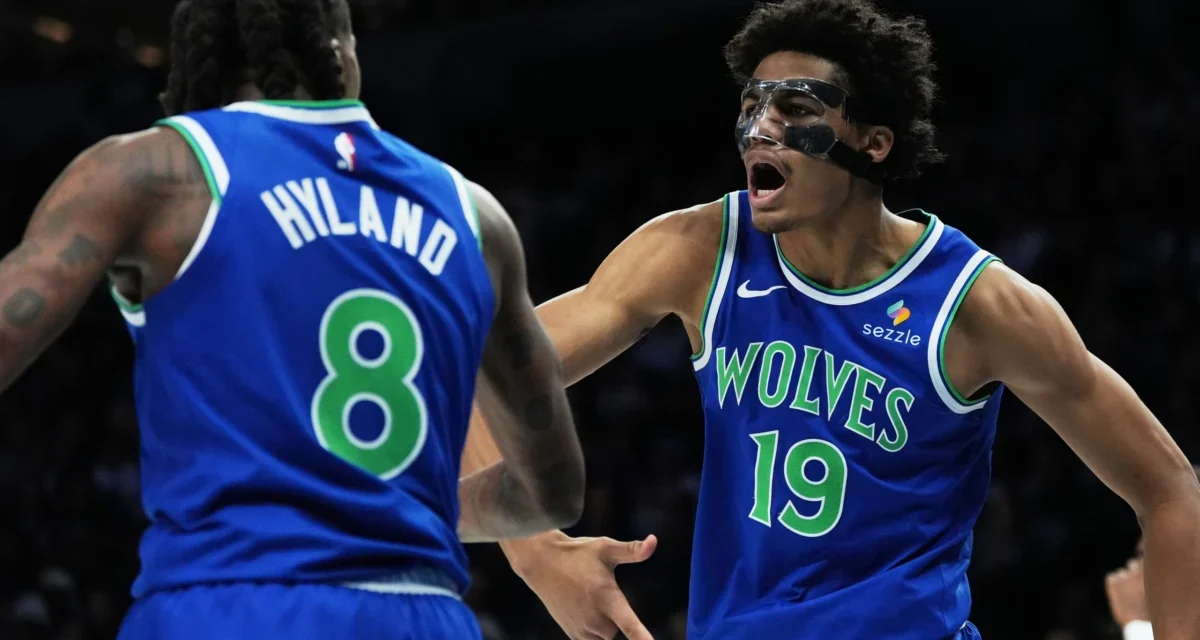




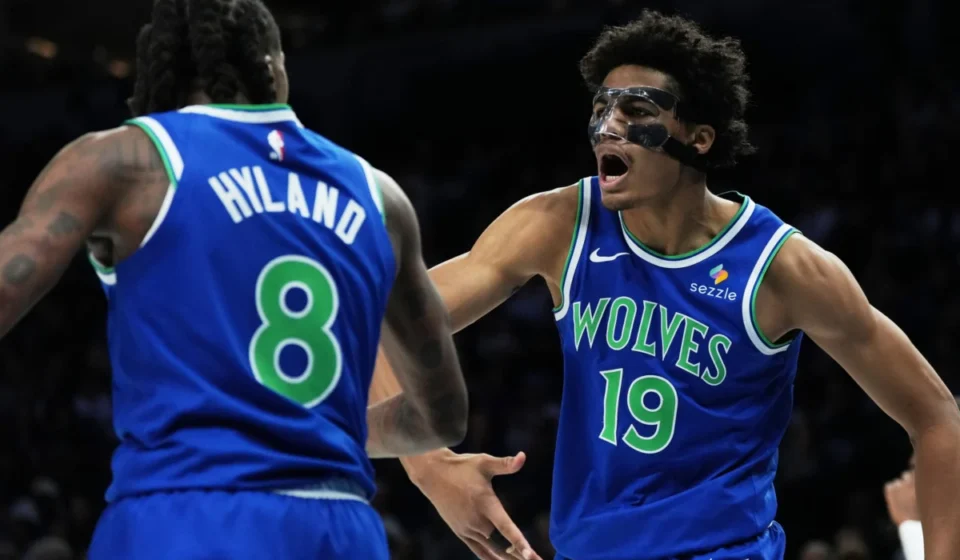

For the second time in four seasons, the Minnesota Timberwolves have captured the imagination of the NBA landscape. This is not merely a collection of high-salaried talent or a product of individual brilliance; rather, it is a team currently conducting a season-long investigation into the alchemy of basketball. They play with a puckish resolve and a collective intelligence that suggests they are constantly hunting for the exact moment when the sum of their parts can transcend individual limitations.
In an era where the NBA is often defined by the "superstar heliocentric" model, the 2026-27 Timberwolves are a refreshing, nourishing departure. They operate on the premise that the artistry of teamwork—a delicate blend of grit, guile, telepathy, and improvisational genius—cannot function without the relentless "shoveling" required in the engine room. This sweat equity, a visceral pledge toward a common purpose, has become the code that dictates the rhythm of their season.
The Clingan-Gobert Saga: A Clash of Eras
The recent back-to-back series against the Portland Trail Blazers at the Target Center served as the perfect case study for this Timberwolves identity. The subplot of these matchups has centered on the battle of the behemoths: the aging, hyper-dedicated defensive savant Rudy Gobert against the burgeoning, physically imposing force that is Donovan Clingan.
The contrast is stark. Gobert, at 34, is the most idiosyncratically overachieving paint defender in league history, relying on positioning and an inexorable will. Clingan, twelve years his junior and possessing a significant physical advantage, represents the new wave of rim-protecting giants. Their previous encounters were wars of attrition, with both players putting up gaudy double-double stat lines that mirrored the intensity of a playoff series.
On Monday night, the clash began in emphatic fashion. For the first four minutes and fifteen seconds, Clingan effectively paralyzed the Wolves’ offense. He was a force of nature, recording three blocks, a steal, and a flurry of offensive contributions that pushed the Blazers to a 12-2 lead. Minnesota looked stagnant, caught in the wake of Clingan’s early defensive dominance. However, it was here that the Timberwolves’ "engine room"—the bench unit—began to turn the tide.
Chronology of a Resilient Rally
The turnaround was ignited by TJ Shannon, who entered the game and immediately injected pace and ball movement. Shannon facilitated the offense with a surgical precision, setting up Ayo Dosunmu and Trey Lyles for corner threes before taking the scoring burden onto himself. By the end of the first quarter, the 10-point deficit had evaporated, leaving the game knotted at 26.
The second quarter showcased the depth that has defined Minnesota’s early season. While the starting backcourt of Dosunmu and LaMelo Ball struggled with their shooting rhythm, Shannon delivered a masterclass in comprehensive excellence. He was a blur on the court, attacking the rim with reckless abandon, drawing fouls, and anchoring the team’s defense. By halftime, Minnesota held a 59-51 lead, a testament to the team’s ability to thrive despite individual shooting droughts.

In the second half, the Wolves tightened their defensive vise. By the time the fourth quarter hit the seven-minute mark, the lead had ballooned to 19, prompting Blazers coach Micah Nori to surrender. The final stat sheet told a story of dominance in transition and opportunistic defense: Minnesota outscored Portland 18-7 in fast-break points and converted 13 turnovers into 22 points, effectively suffocating the Blazers’ offensive engine.
Supporting Data: The Efficiency of Synergy
The data behind this success is as compelling as the eye test. On the season, the Timberwolves’ defensive rating stands at a staggering 104 points allowed per 100 possessions. This defensive superiority is not a fluke; it is the result of a cohesive unit that understands the value of the third, fourth, and fifth rotation.
The emergence of backup center Joan Beringer has been a revelation. Only 20 years old, Beringer initially looked overwhelmed by the speed of the professional game. However, paired with veteran Trey Lyles—a player whose basketball IQ serves as a classroom for his younger counterparts—Beringer has transformed from a liability into a blue-chip asset.
The statistical synergy between the two is profound. While the team’s net rating is impressive across the board, the Lyles-Beringer pairing elevates the Wolves’ offensive efficiency to 119.1 points per 100 possessions while suppressing opponents to 99.4. This is the "engine room" in action: two players maximizing their utility through mutual coverage and tactical discipline.
Official Responses and Tactical Adjustments
Following the Monday victory, coach Chris Finch addressed the team’s ability to withstand early-game adversity, specifically regarding Gobert’s slow start against Clingan.
"We challenged Rudy," Finch noted. "We needed to get back to his being stronger around the rim, back to dominating like he can do."
When asked how Gobert, a veteran of his stature, manages to rebound from being "punked" on the court to re-assert his dominance, Finch pointed to the Frenchman’s character. "Two things. First, he is an incredible player. The second thing is he has incredible pride. He knows when he doesn’t play well and takes incredible ownership of that, getting back to the guy that we need him to be."

This pride was evident on Tuesday. Despite facing foul trouble and a grueling back-to-back schedule—a recurring challenge for the Wolves this season—the team found a way to win by a single point, relying on defensive grit and a late-game surge that featured key contributions from Lyles, Dosunmu, and McDaniels.
Implications: A Culture of Sacrifice
The implications for the 2026-27 Timberwolves are significant. They have managed to maintain a winning record (11-5, including 8-3 without star Anthony Edwards) despite a string of injuries to key personnel, including Edwards, Donte DiVincenzo, and Jonathan Kuminga.
Perhaps the most fascinating element of this season has been the evolution of LaMelo Ball. While his traditional offensive metrics have dipped, his commitment to the defensive end has been transformative. Ball leads the team in steals and deflections, serving as the vanguard of a defensive identity that allows just 98.3 points per 100 possessions when he is on the floor.
Critics often focus on the aesthetic flair of Ball’s game—the long-range shooting and the flashy passing—but this overlooks the maturity he has displayed in embracing a defensive role. When a player with his offensive pedigree buys into the "greater good" of team defense, it sends a message that permeates the entire locker room.
Furthermore, the silent, consistent excellence of Jaden McDaniels continues to anchor the team. That he is rarely the subject of headlines is, in itself, a positive omen; it suggests that his contributions have become the standard, the baseline of excellence that the rest of the team strives to meet.
Conclusion: The "Engine Room" Outlook
As the season progresses, the Timberwolves are proving that depth, discipline, and a willingness to sacrifice individual glory are the hallmarks of a true contender. Whether it is the kamikaze drives of TJ Shannon, the defensive irritability of Jaylen Clark, or the veteran guidance of Trey Lyles, the 2026-27 squad is a masterclass in modern team-building.
They are not just winning games; they are proving that in the modern NBA, the most dangerous weapon is not a singular superstar, but a cohesive unit that understands the value of every possession. If they can continue to channel this level of resolve, the "engine room" might just power them all the way to the top.