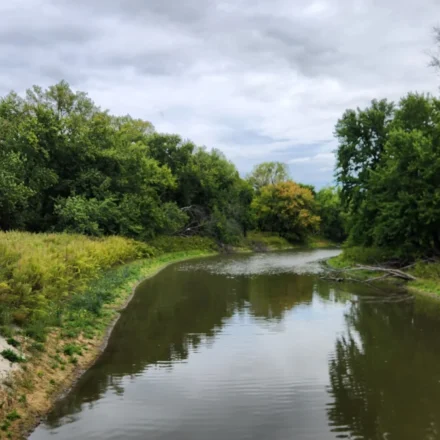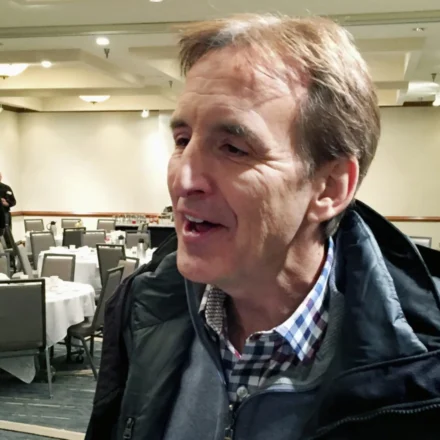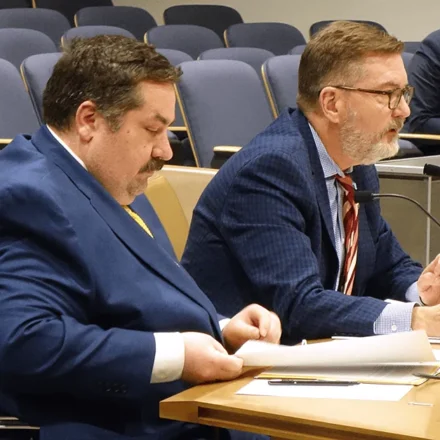






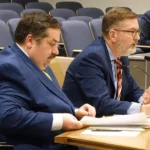









































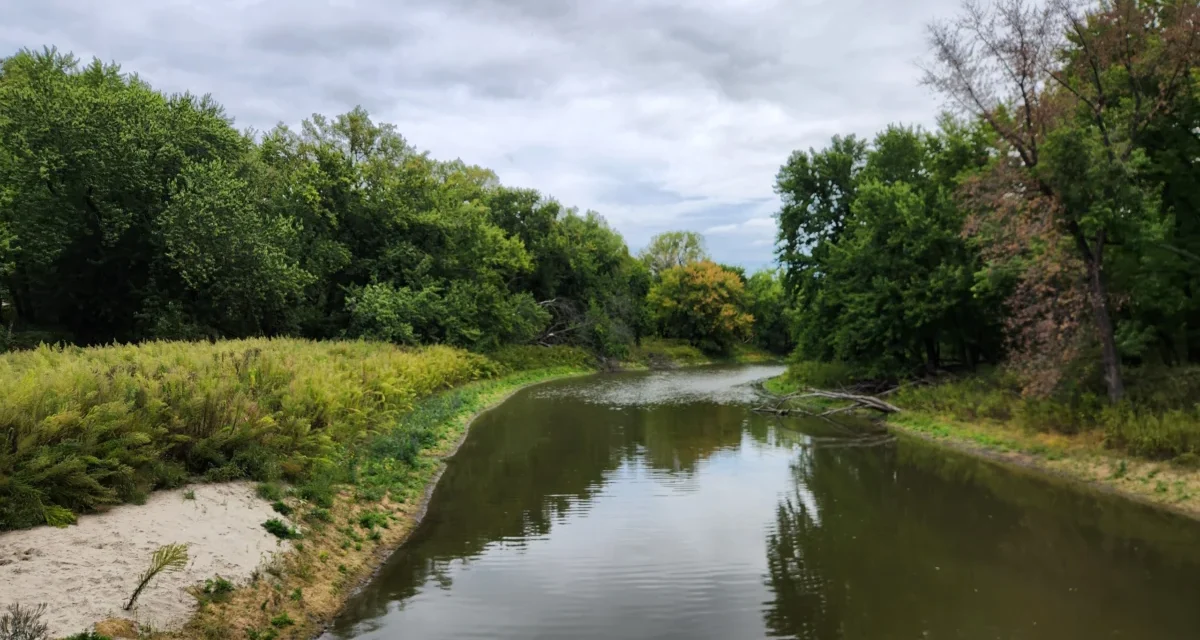






In 1992, Minnesota Governor Arne Carlson set a bold, aspirational goal: to restore the Minnesota River to a state of health that would make it swimmable and fishable. At the time, the river was already suffering from decades of intensive agricultural runoff and industrial pressure. To put the timeline of this struggle into perspective, Tom Crawford—a modern-day environmental advocate—had not even been born when that mandate was issued. David Minge, a former judge and U.S. Congressman who represented western Minnesota, was just beginning his first term in Washington, grappling with the federal policies that would eventually shape the landscape of the state.
Three decades later, these two men—separated by over 50 years in age—stand shoulder-to-shoulder as key figures in the Minnesota River Collaborative (MRC). This informal yet potent coalition of approximately 50 citizens, engineers, lawyers, and retired agency professionals has become one of the most consistent, data-driven thorns in the side of the status quo. They are working to reverse the decline of a waterway long considered one of the most polluted in the United States, operating not through massive funding or political lobbying, but through meticulous technical scrutiny and legal diligence.
The Evolution of the Minnesota River Collaborative
The MRC functions as a watchdog group, meeting virtually every week and maintaining monthly check-ins with the Minnesota Department of Natural Resources (DNR). Unlike large NGOs that focus on broad-strokes advocacy, the MRC dives into the granular details of ditch drainage projects. They track, comment on, and challenge individual construction plans that threaten to increase the flow of pollutants into the river.
"We’ve moved the needle within the DNR," says 31-year-old Tom Crawford, who works closely with the Friends of the Minnesota Valley and the Izaak Walton League.
The group’s membership is a testament to the persistent intellectual capital residing in Minnesota’s retired professional class. "We have four or five active and retired lawyers," notes David Minge, now 84. "Engineers have taken a real leadership role—six to seven of them—and we have three or four agency retirees." This blend of legal expertise and engineering know-how allows the coalition to challenge government projects on the same technical grounds that counties and state agencies use to justify them.
The "Fire Hose" Effect: Why the River is Failing
To understand the urgency of the MRC’s work, one must understand the hydrology of the Minnesota River Basin. The modern landscape is fundamentally different from the pre-settlement era. Decades of "best management practices"—while well-intentioned—have been overshadowed by the sheer scale of drainage infrastructure.
Agricultural advancement has necessitated the widespread use of sub-surface drain tiles and ditching. While these systems are vital for crop yields, they have created what experts call "altered hydrology." Instead of water slowly percolating through wetlands and soil, it is now routed directly into the river system.
"It’s a ‘fire hose’ effect," explains Crawford. "High water volume and velocity scour the riverbanks, adding tons of sediment to the river along with cropland fertilizer."
This creates a self-perpetuating cycle of degradation. As more water enters the river at higher speeds, the riverbank—composed of soft, sandy soil—is eroded away. This sediment carries nitrogen and phosphorus downstream. Ultimately, the Minnesota River is the single largest source of sediment to the Upper Mississippi. These nutrients eventually reach the Gulf of Mexico, fueling the massive, oxygen-depleted "dead zone" that kills marine life and devastates commercial fisheries thousands of miles away.
The complexity is compounded by a lack of transparency. "We’ve got probably 100,000 miles of private tile that is totally unmapped, unaccounted for, and unregulated," Crawford notes. "There’s no requirement that these people are even required to notify anybody."
Data-Driven Advocacy: The Spreadsheet Strategy
The MRC’s influence is best exemplified by the work of Tom Crawford, who maintains a comprehensive, public-facing spreadsheet tracking the status of 17 major drainage projects across 11 counties. This document serves as an early-warning system, recording engineering reports, project timelines, and formal comments from environmental groups.
This level of detail allows the group to intervene before environmental damage becomes irreversible. For example, the collaborative’s investigation into a ditch project in Jackson County successfully identified potential destruction of a calcareous fen—a rare and protected type of wetland. By presenting their findings, they forced a re-evaluation of the project’s environmental impact and its questionable financial benefits. In another instance, they helped Lyon County secure a grant to install a large water storage area, effectively buffering the impact of a massive drainage plan.

"There’s no central government or governance around drainage," Crawford says. "We don’t even have a sense of its scope." By manually aggregating this data, the MRC provides the oversight that current state regulations lack.
A Legal Battle Over Authority
The tension between drainage needs and water quality has inevitably reached the courtroom. A significant point of contention is whether the Minnesota Pollution Control Agency (MPCA) has the authority to regulate these agricultural drainage outlets as "point sources" of pollution.
"I expect that’s going to end up in court by the end of the year," says Minge. The Minnesota Center for Environmental Advocacy (MCEA) has led the charge in this legal theater, arguing that the state has the power to regulate these systems. However, in August, a Ramsey County District judge sided with the MPCA’s stance that it lacks the statutory authority to regulate agricultural drainage systems in this manner.
The MCEA is currently appealing that decision. The outcome of this case could fundamentally change how drainage is managed in Minnesota, shifting the power balance away from purely local, pro-drainage boards and toward state-level environmental protection.
The Future: Commissions and Political Will
As the MRC continues its work, the broader political landscape is shifting. A state-mandated water quality task force, convened by Attorney General Keith Ellison, has spent the last year attempting to navigate the labyrinthine complexities of state water stewardship. However, the experience has been marked by frustration.
Peg Furshong, a member of the task force, noted that some members were "disheartened" by stalling tactics employed by specific interest groups who sought to avoid addressing the core issues of agricultural and mining runoff. When a request to extend the life of the task force was denied, it signaled to many advocates that the legislative appetite for reform remains tepid.
Despite these hurdles, there is a push to create a permanent "Minnesota River Commission." Proponents like Scott Sparlin of the Coalition for a Clean Minnesota River believe that such a body is necessary to provide the long-term, unified management that the river desperately needs.
"After the elections, we will begin securing potential bill authors on both the House and Senate sides," Sparlin said. "We have already spoken with potential authors and cosigners and will be seeking additional support as well."
Implications for the Land of 10,000 Lakes
The work of the Minnesota River Collaborative serves as a vital case study in modern environmentalism. It proves that in an era of polarized politics and bureaucratic stagnation, small, dedicated groups of citizens can still exert meaningful influence. By focusing on technical data, leveraging legal expertise, and maintaining a long-term perspective, they are holding the state accountable to the goals set three decades ago.
However, the challenges remain daunting. Climate change is accelerating the frequency of extreme weather events, which in turn increases the volume of water moving through the landscape. Without a significant shift in how Minnesota regulates its agricultural drainage, the river will continue to "chew up" its banks, sending the state’s soil and nutrient wealth into the Gulf of Mexico.
As the collaborative moves forward, the bridge between the younger, digital-native activists like Crawford and the seasoned, institutional veterans like Minge represents the best hope for the river. They are not waiting for a miracle; they are building a record, one spreadsheet entry and one legal brief at a time, forcing the state to reckon with the consequences of how it manages its most precious resource.
Whether the Minnesota River can eventually be restored to a healthy, vibrant ecosystem remains an open question. But thanks to the persistent, quiet, and relentless work of the MRC, the conversation is no longer one of silent resignation, but of active, evidence-based resistance.