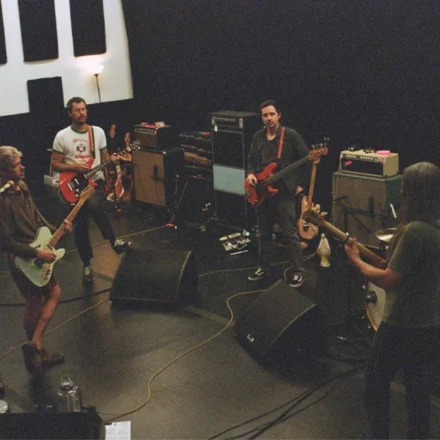





























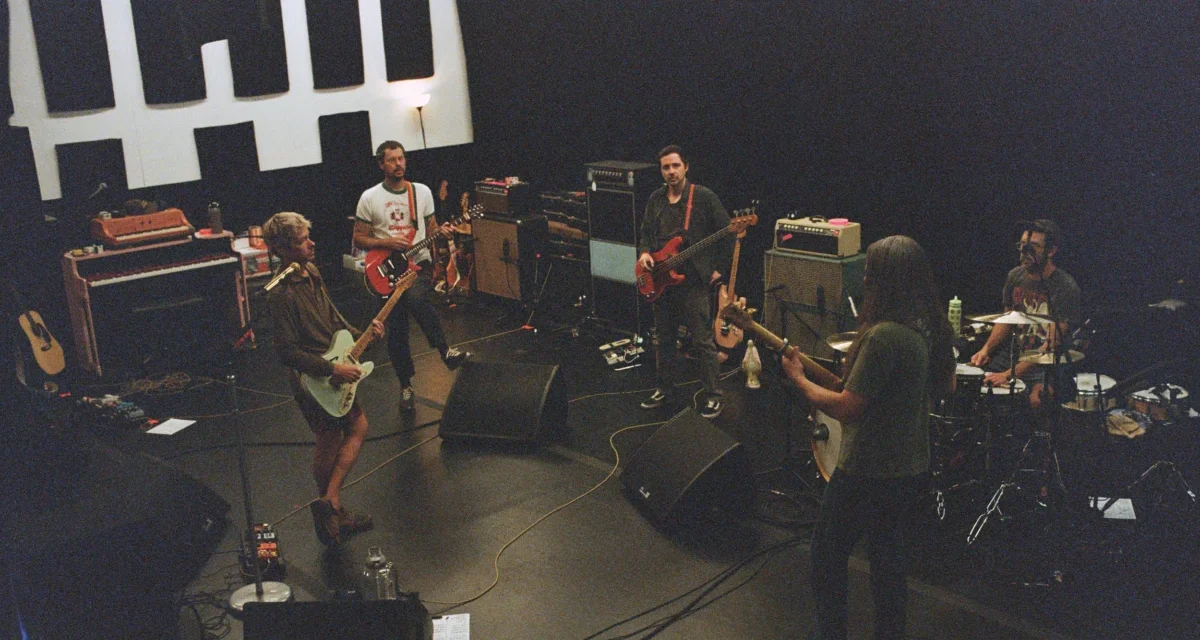



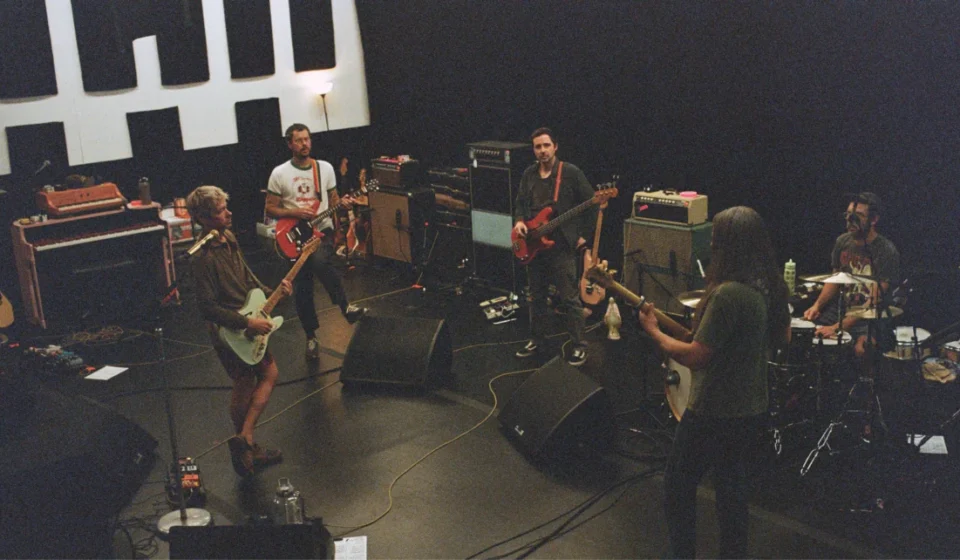

In the landscape of modern alternative rock, few reunions have been as anticipated—or as unexpected—as that of The Format. Frontman Nate Ruess, whose post-Format career saw him skyrocket to global superstardom with the Grammy-winning band fun., and multi-instrumentalist Sam Means, have spent the better part of the last two decades navigating divergent paths. However, their long-awaited return to the stage this year has become defined by something far more profound than nostalgia.
Following the tragic killing of ICU nurse Alex Pretti by a U.S. Border Patrol officer in Minneapolis, the duo found themselves grappling with the role of the artist in an era of political volatility. Rather than retreating into the comfort of their back catalog, Ruess and Means have pivoted, using their platform to launch the "Saturdays in the Park" concert series—a DIY-infused initiative designed to facilitate direct action and support immigrant advocacy organizations.
A Career Reimagined: From "We Are Young" to the Streets of Minneapolis
The story of The Format is a testament to the enduring bond of childhood friends. Formed in the early 2000s, the band became a cornerstone of the indie-pop scene before disbanding in 2008. While Ruess achieved massive mainstream success, the itch to return to their roots remained. A planned 2020 reunion tour was dismantled by the global pandemic, pushing their return further into the future.
By early 2025, the stage was finally set. The duo had new music, a renewed chemistry, and a tour schedule that promised a celebration of their legacy. But the national conversation shifted abruptly in the wake of the news from Minnesota. The killing of Alex Pretti acted as a catalyst, transforming the band’s headspace from celebratory to somber, and ultimately, to radicalized.
"We were a little shocked by everything that was happening," Ruess explained in a recent interview. "Alex Pretti had been murdered, and those horrible things happened in Minnesota and probably continue to happen. I think I was listening to a bunch of Rage Against the Machine, and we were talking about how the lyrics from 25 years ago could still be completely applied today with no difference whatsoever."
The Anthem of Accountability: "The Bar is Set So Low"
The centerpiece of this shift is the release of their single, "The Bar is Set So Low." Initially absent from their new album, the song emerged from a place of profound moral necessity. For Ruess, the track serves as a biting critique of how the United States treats immigrant populations.
"I had written the lyrics in 2024, just thinking about how awful we treat our immigrants in this country, illegal and otherwise," Ruess noted. "The bar is set so low, I’m caught under it."
When the news of Pretti’s death broke on the day of a release show in their hometown of Phoenix, the atmosphere was thick with tension. The band found they could no longer reconcile the joy of a standard pop performance with the reality of the headlines. They closed their set with the track, a move that solidified their intent to move beyond passive observation. The song was quickly re-recorded and released via Bandcamp, with 100% of the proceeds directed toward four key organizations:
- Women’s Foundation of Minnesota’s Immigrant Rapid Response Fund
- Immigrant Defense Network
- Advocates for Immigrant Rights
- Latino Memphis
In addition to digital sales, the band launched a long-sleeved T-shirt, with all profits bolstering these same organizations. It is a calculated, direct-action approach that mirrors the "scrappy," DIY ethos of their early days.
"Saturdays in the Park": The Soapbox Strategy
Perhaps the most ambitious component of The Format’s return is the "Saturdays in the Park" series. While the tour features standard ticketed events, the afternoon sessions are free, informal, and deeply integrated with local activism.
"We decided that we would play free shows in a park on Saturdays when we’re on tour," says Ruess. "In between a set of songs, we’ll have different organizations come up and talk about how everybody can go and sign up for the people that are there."

The logistics are intentionally unpolished. By keeping the operation "punk rock," the band avoids the corporate red tape that often stifles the impact of large-scale tours. They perform B-sides and deep cuts, fostering an environment that feels less like a concert and more like a community organizing meeting.
Sam Means highlights the organic nature of the project: "We went into it with very little plan. It was incredibly scrappy, and it was very overwhelming because people did show up and people did want to interact and do all these things. It’s gotten a little bit more streamlined, but it still has that sort of soapbox vibe to it."
Political Influence and the Art of the Ballad
When discussing the political underpinnings of their current work, the band credits Rage Against the Machine not just for their sonic power, but for their moral compass. "I think they’ve helped shape who I am, morally speaking," Ruess admits. "We’re by no means an overtly political band, but we have something to give. It’s been so incredible to see people sign up for organizations."
However, the band is careful to balance their message with their identity as songwriters. Writing a "catchy ballad" remains a craft they take seriously. Ruess, who has written some of the most recognizable pop hooks of the 21st century, breaks it down to the mechanics of the chorus.
"You just got to make the chorus really big and kind of like ramp it up," he explains. He cites Eric Carmen’s 1980s classic "Lose Control" as the gold standard for the genre. For Ruess and Means, the song is a vehicle—a way to reach an audience and, once the listener is engaged, provide them with a path toward tangible, real-world impact.
Implications: A Model for Future Touring
The success of The Format’s initiative poses an interesting question for the music industry: Can artists successfully bridge the gap between commercial touring and grassroots activism?
By utilizing their own resources to cover travel and operations, Ruess and Means are proving that touring acts do not necessarily need corporate sponsorship to facilitate social change. The "Saturdays in the Park" series functions as a proof-of-concept that musicians can use their leverage to create spaces where fans are not just consumers, but active participants in civic life.
As the band continues their tour, with a high-profile stop at First Avenue in Minneapolis on September 19, the focus remains on the intersection of sound and social responsibility. The Minneapolis show, while not strictly in a park, maintains the spirit of the series, offering a free afternoon performance that serves as both a musical homecoming and a platform for the organizations they support.
Conclusion
The Format has managed to navigate the tricky waters of a mid-career reunion by anchoring their return in a shared sense of urgency. In an era where many artists fear alienating segments of their fanbase through political engagement, Ruess and Means have chosen a different path—one that prioritizes community action and direct support for the vulnerable.
"I can’t go up on stage unless we sing this," Ruess said of his decision to perform "The Bar is Set So Low." That simple declaration defines the current chapter of the band. It is no longer just about the music; it is about the impact that music can have when the artist decides that the status quo is no longer enough. For fans of The Format, the reunion is not just a trip down memory lane—it is a wake-up call, wrapped in a melody.