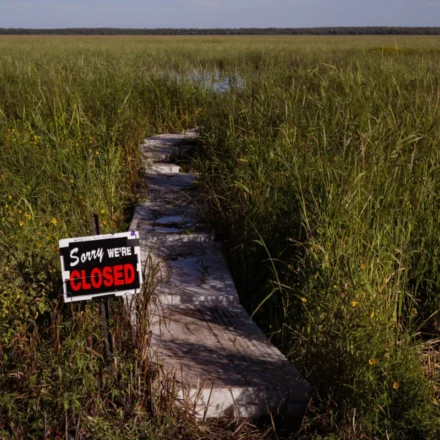












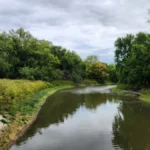



































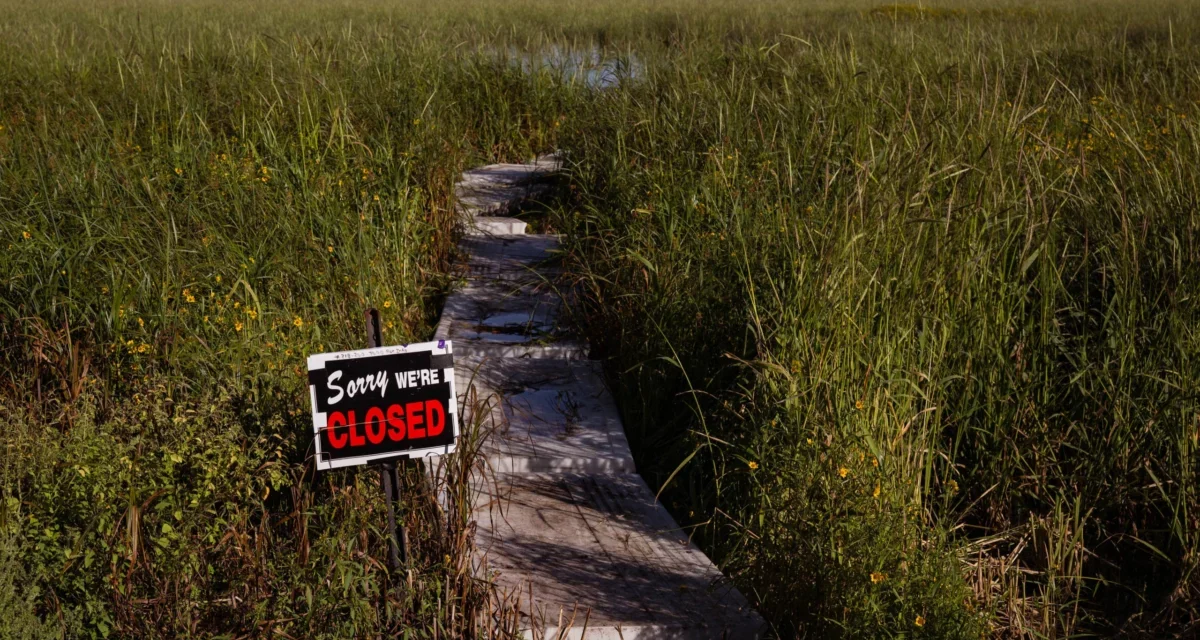






As the late summer sun beats down on the Rice Lake National Wildlife Refuge, the air is thick with humidity and the drone of insects. For the Mille Lacs Band of Ojibwe, this is the season of manoomin—wild rice. It is a time-honored tradition where harvesters glide through shallow, marshy waters in canoes, using gentle taps of cedar sticks to knock ripened grains from the stalks.
It is arduous work, sweaty and relentless, but for those who participate, the labor is a sacred connection to the land. However, this year, the harvest is shadowed by a profound anxiety. Looming over the horizon of this quiet, biodiverse sanctuary is the proposed Tamarack nickel and copper mine, a project that tribal leaders fear could irreparably alter the delicate hydrological balance of the region.
The Stakes: A Cultural and Environmental Imperative
Kelly Applegate, commissioner of natural resources for the Mille Lacs Band of Ojibwe, stands at the edge of the refuge, looking out over the expansive wetlands. He describes the area as the "crown jewel" of Minnesota’s wild rice waters. To the Band, manoomin is not merely a food source; it is a spiritual anchor and a fundamental element of Ojibwe identity.
The proposed Tamarack Project, spearheaded by Talon Metals, aims to tap into high-grade nickel deposits located beneath the earth in Aitkin County. While proponents argue that the mine is a critical step toward domesticating the supply chain for electric vehicle batteries—potentially positioning the U.S. to "win the 21st century"—the Mille Lacs Band views the project through a lens of existential risk.
"When there’s the threat of polluting the water here, it’s just unthinkable," Applegate says. The Band has established the "Water Over Nickel" initiative, a campaign designed to galvanize public opposition and protect cultural sites from the industrial footprint of large-scale mining.

Chronology of the Regulatory Process
The path to the current regulatory standoff has been long and technically complex. The Tamarack Project has been under development for years, with Talon Metals conducting extensive baseline data collection, seismic surveys, and community outreach.
- Pre-2026: Talon Metals conducts geological surveys and begins informal community engagement, positioning the project as a vital economic driver for Aitkin County.
- May 2026: The Minnesota Department of Natural Resources (DNR) announces the start of the regulatory review process, moving the project toward an environmental impact statement (EIS).
- July 14, 2026: The DNR officially opens a 60-day public comment period, inviting Minnesotans to weigh in on what should be studied in the environmental review.
- August 2026: Gov. Tim Walz issues an executive order halting state action on copper-nickel mining near the Boundary Waters. While the Tamarack Project is geographically distinct and unaffected by this order, the move signals a broader shift in the state’s political landscape regarding extractive industries.
- September 14, 2026 (4:30 p.m.): The deadline for the initial public scoping comment period. This marks the end of a pivotal phase in the regulatory timeline.
The Scoping Phase: A "Make or Break" Milestone
Public comment periods are often viewed by the average citizen as mere formalities, but environmental legal experts argue they are the most critical juncture in the life of a project. Joy Anderson, legal director at the Minnesota Center for Environmental Advocacy (MCEA), emphasizes that the "scoping" process determines the entire trajectory of the environmental review.
"It’s really important to get the scope right because this document covers everything that’s going to be included in the environmental review," Anderson explained during a July webinar. "If it’s not in that scoping document, it doesn’t get studied. Even if later we figure out that a specific issue was a really big problem, it’s too bad—it’s not in the scope."
This is why the Mille Lacs Band and environmental groups have been working feverishly to ensure that concerns regarding groundwater seepage, long-term toxic runoff, and the potential impact on wild rice ecology are fully integrated into the DNR’s study parameters.
Building the Economic Argument: The Proponent’s Perspective
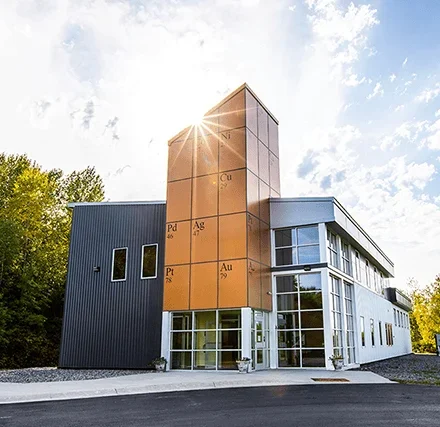
Talon Metals, now the owner of Michigan’s Eagle Mine—the only primary nickel-copper mine in the United States—is framing the Tamarack Project as a model of modern, sustainable mining. Rob Beranek, Talon’s vice president of projects and environmental affairs, argues that the company’s extensive front-end work provides a robust technical foundation for the state’s review.

"The public scoping process can build on a stronger technical base because much of that foundational work has already been completed," Beranek stated in a recent press release.
For the town of Tamarack, which boasts a population of approximately 62 residents, the mine represents a potential economic rebirth. Supporters of the project, including U.S. Rep. Pete Stauber, contend that the extraction of critical minerals is essential for the transition to green energy. They argue that the economic benefits—jobs, tax revenue, and the revitalization of local infrastructure—outweigh the environmental risks, provided the project adheres to stringent modern regulations.
"Drilling Through a Sponge": Tribal Leaders Respond
Virgil Wind, chief executive of the Mille Lacs Band, offers a sobering counter-argument to the economic promises. Reflecting on the local geography, Wind describes the region as a vast, interconnected hydrologic system.
"It’s like drilling a hole in a wet sponge and then thinking water isn’t going to come in," Wind says.
The region around Aitkin County is characterized by a dense network of bogs, marshes, and aquifers. Despite recent drought conditions, the landscape remains fundamentally saturated. Tribal leaders argue that the "unproven" nature of this specific type of mining in such a water-rich environment makes the risk of long-term contamination to the Mississippi River watershed unacceptable.

Moreover, Wind expressed frustration that the regulatory process seems inherently designed to move toward approval rather than providing an "off-ramp" for a "no-build" decision. "One of the things I thought was glazed over was the conversation of, ‘Hey, what if we just land at a no-build?’" Wind noted.
Implications: A Legacy of Responsibility
As the comment period closes, the implications for the region are profound. The Mille Lacs Band views the Tamarack Project not as a localized issue, but as a test of the state’s commitment to its indigenous populations and its natural resources.
The fear is that if the project is approved, the Band will be left to "babysit" the site for generations to come. "We’re going to have a sad chapter of American Indian history," Applegate lamented. He believes the potential for long-term ecological damage—a "big hole in the ground full of polluted water"—is a burden that future generations should not have to bear.
The connectivity of the water is the central argument for the opposition. They maintain that the water flowing through the rice beds near McGregor is the same water that sustains ecosystems all the way down the Mississippi River. Any contamination at the source, they argue, is a failure of collective stewardship.
Looking Ahead
With the public comment period ending on September 14, the DNR faces a daunting task: sorting through thousands of submissions, balancing the intense economic lobbying of the mining industry against the deeply felt cultural and environmental warnings of tribal nations and local citizens.

Whether the Tamarack Project proceeds will depend on the strength of the technical data, the political will of the state government, and the efficacy of the public’s input during this critical window. For now, the people of the Mille Lacs Band continue to harvest their manoomin, their actions a quiet, persistent reminder of what is at stake: a resource that has sustained them for centuries, now facing an uncertain future in the age of critical mineral extraction.
Tamarack Mine Public Comment Details
- What: The official public scoping period for the proposed Tamarack copper-nickel mine.
- Goal: To determine the issues and impacts to be included in the state-mandated Environmental Impact Statement (EIS).
- Status: The comment period officially concludes on September 14 at 4:30 p.m.
- How to Participate: Citizens are encouraged to submit their feedback, concerns, or support via the official Minnesota Department of Natural Resources portal at dnr.state.mn.us.