

















































In the early morning light of a Chicago spring, Renee Costanzo grips a rusted pulley with both hands. With a rhythmic, heavy pull, she opens the greenhouse roof at Kilbourn Park, allowing a cool breeze to wash over a sea of green. Below her, 12,000 seedlings sit in plastic trays, the result of months of "coddling and loving," as she puts it. Costanzo is the Chicago Park District’s sole full-time employee at this North Side greenhouse, and her work represents the front lines of a quiet but massive shift in American horticulture.
For decades, the Kilbourn Park annual plant sale was a reliable source for neighborhood staples: beefsteak tomatoes, crisp cucumbers, and the bright, fleeting colors of marigolds and geraniums. However, the 2024 sale signaled a profound departure from tradition. Attendance did not just grow; it shattered records. While the event typically draws 1,100 gardeners, this year more than 2,300 shoppers descended upon the park, eager to spend $4 per plant.
The primary driver of this surge? A burgeoning obsession with native species—plants that have evolved over millennia to thrive in the specific climate and soil of the Great Lakes region. Once dismissed by the average gardener as "weeds," these plants are now flying off the shelves, signaling a fundamental shift in how urban and suburban residents view their role in the local ecosystem.
Main Facts: The Record-Breaking Shift in Urban Gardening
The Kilbourn Park plant sale serves as a microcosm of a national trend. This year, nearly 20% of the inventory at the sale consisted of native species, a deliberate response to a five-year spike in consumer demand. Costanzo, who experimented with 30 different native species in preparation for the sale, noted that the public’s appetite for these plants has forced a radical restructuring of their production schedule.
The financial and social impact of this shift is significant. The Chicago Park District confirmed that the most recent sale generated approximately $48,000 in revenue. These funds are not merely a windfall; they are earmarked for the "Friends of Kilbourn Park Greenhouse," a volunteer organization that fundraises for the facility’s expansion. The group had set an ambitious goal of $25,000 to help fund a new outdoor learning center. They surpassed that goal with ease, selling out of almost every plant, compost bag, and baked good on site.
The popularity of these sales reflects a broader cultural realization: the traditional American lawn and the ornamental garden are increasingly seen as ecological deserts. By contrast, native plants—such as milkweed, coneflowers, and prairie grasses—are being rebranded as "functional beauty," serving as both aesthetic choices and vital infrastructure for local wildlife.
Chronology: A Decades-Long Climb to the Mainstream
The ascent of native plants did not happen overnight. It is the result of a "long, steady climb," according to Neil Diboll, president of Prairie Nursery in Wisconsin. Diboll has been a pioneer in the industry for 44 years, starting at a time when selling native seeds was a fringe business.
- 1982: When Diboll began his career, the market for native plants was virtually non-existent. In his first year of business, Prairie Nursery grossed just over $13,000. At the time, native species were often viewed as a nuisance or a sign of a neglected yard.
- The 1990s and 2000s: Organizations like Wild Ones, a national nonprofit, began as small gardening clubs in Milwaukee. Their mission was to educate the public on the benefits of reintroducing native flora. For years, this remained a niche movement, supported by a small circle of environmental enthusiasts.
- 2017–2023: The movement hit an inflection point. Driven by high-profile reports on the "insect apocalypse" and the dramatic decline of the Monarch butterfly, public interest spiked. Becky Klukas-Brewer, co-owner of Prairie Moon Nursery in Minnesota, reports a 350% increase in sales over the last seven years.
- 2024: Native plants have reached mainstream status. Prairie Nursery now ships over 500,000 plants annually, with revenues that Diboll says have "added a few zeros" since the early 80s. The Kilbourn Park sale’s record attendance is the latest data point in this upward trajectory.
Supporting Data: Quantifying the Ecological and Economic Boom
The numbers behind the native plant movement suggest that this is far more than a passing fad. The scale of production and the volume of sales indicate a robust, growing industry.
- Sales Volume: Wild Ones reported that across its 107 national plant sales last year, over 110,000 native plants were sold. An additional 40,000 plants were distributed through various educational programs.
- Growth Metrics: Prairie Moon Nursery has seen its order volume triple in the last decade. This growth is mirrored by Prairie Nursery, which saw a 7% increase in sales in just the last year, despite an already large market share.
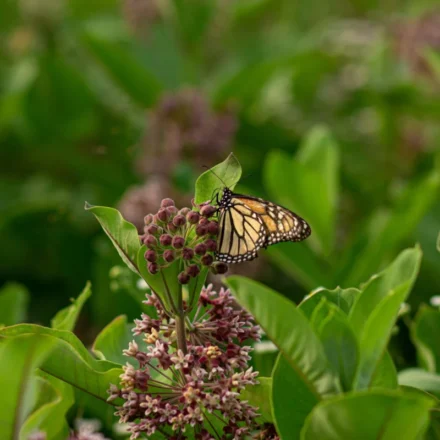
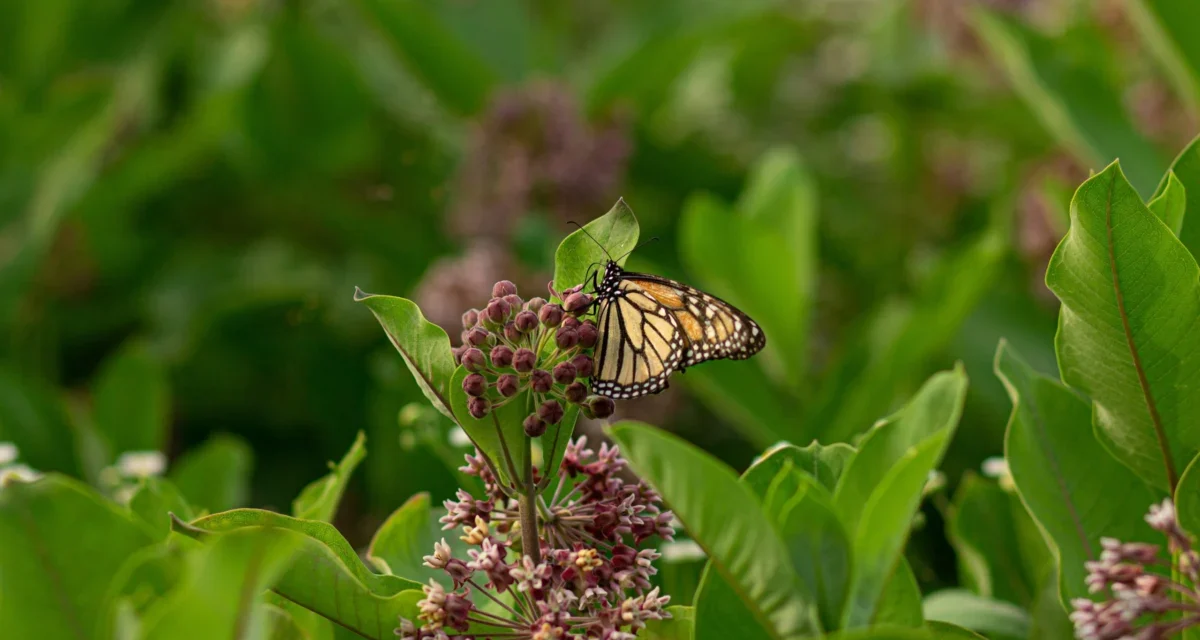
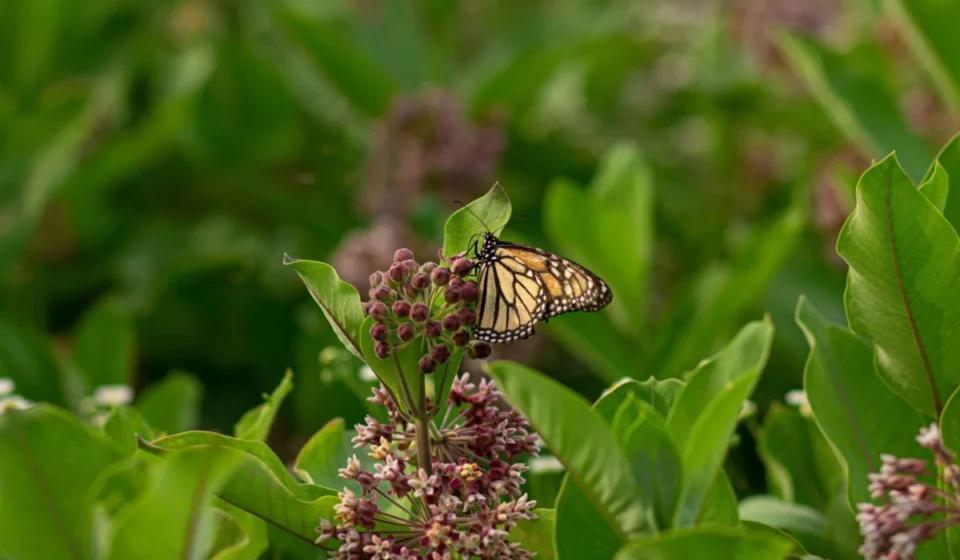
- Ecological Impact: The shift is driven by a desire to reverse habitat loss. The caterpillars of the Monarch butterfly, for instance, are specialists that depend entirely on native milkweed. As land use changed and milkweed disappeared from the landscape, Monarch populations plummeted. The reintroduction of these plants into residential gardens provides "waystations" for migrating insects.
- Resilience: Unlike traditional annuals (zinnias or marigolds) that require constant watering and die at the first frost, native plants are perennial powerhouses. They are adapted to survive the Midwest’s extreme heat, drought, and flooding, reducing the need for chemical fertilizers and supplemental irrigation.
Official Responses: Expert Perspectives on Resilience
Horticulturalists and conservationists emphasize that the move toward native plants is a pragmatic response to a changing climate. Tiffany Jones, who leads habitat education for the National Wildlife Federation in the Great Lakes region, argues that these plants are essential for future-proofing urban landscapes.
"Native plants have been adapting to change for thousands of years," Jones said. "They are incredibly resilient. Beyond habitat, they help with flood prevention. Their deep root systems—some reaching ten to fifteen feet underground—act as a sponge, absorbing rainwater that would otherwise overwhelm city sewers."
This sentiment is echoed by the volunteers who power the local sales. Lourdes Valenzuela, a retired schoolteacher who has volunteered at Kilbourn Park for 12 years, sees the movement as a form of collaboration with nature rather than a struggle against it. "We’re not fighting against the climate here," Valenzuela said. "We’re working with it because it’s what’s native to this area."
The Chicago Park District’s support for these initiatives highlights a shift in municipal priorities. By dedicating greenhouse space and staff time to native species, the district is acknowledging that public parks can serve as both community hubs and nurseries for regional biodiversity.
Implications: The Future of the American Landscape
The "flying off the shelves" phenomenon at Kilbourn Park suggests several long-term implications for the environment and the economy.
1. The "Rewilding" of the Suburbs:
As native plants become more accessible, the aesthetic standard of the "manicured lawn" is being challenged. We are likely to see an increase in "pocket prairies" and pollinator gardens, which will create corridors for wildlife through otherwise inhospitable urban environments.
2. Economic Opportunities for Local Nurseries:
The demand is currently outstripping supply in many regions. This creates a significant opening for small-scale local nurseries and community greenhouses to pivot away from generic ornamental plants toward specialized native varieties. The success of the Kilbourn Park sale—generating nearly $50,000 in a single weekend—proves the viability of this model.
3. Climate Mitigation and Infrastructure:
As cities face more frequent and severe weather events, the role of native plants in "green infrastructure" will grow. Their ability to manage stormwater and mitigate the urban heat island effect makes them a cost-effective tool for municipal planning.
4. Educational Expansion:
The funds raised at Kilbourn Park for a new outdoor learning center underscore the educational component of this movement. The goal is no longer just to sell a plant, but to teach the buyer about the complex web of life that the plant supports.
In the end, the story of the Kilbourn Park greenhouse is a story of reconnection. As Renee Costanzo and her team of volunteers prepare for the next season, they are not just growing flowers; they are growing a more resilient, biodiverse future for the city of Chicago. The "weeds" of the past have become the heroes of the present, and if the current data is any indication, they will be the foundation of the landscapes of the future.