




















































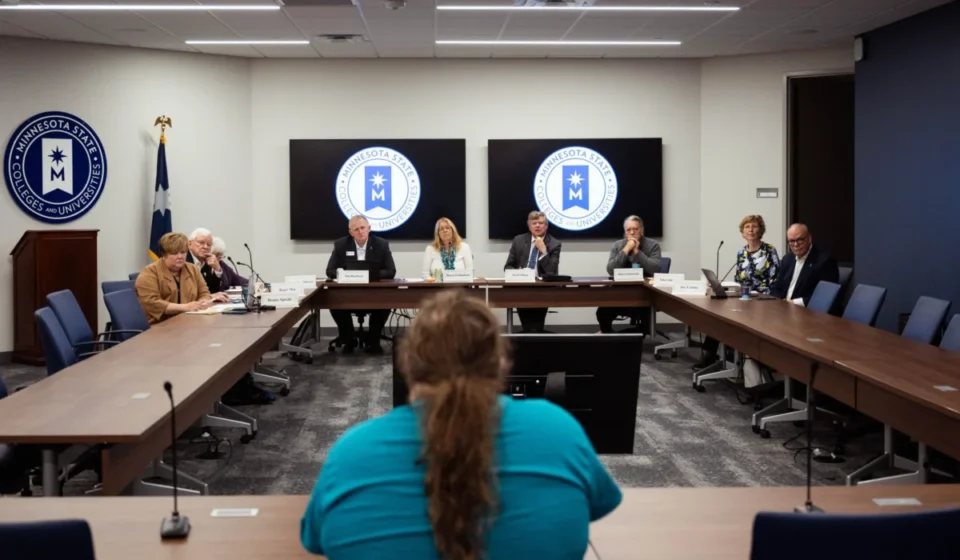
A System in Crisis: Minnesota State Faces Reckoning as It Weighs Controversial Funding Reallocation

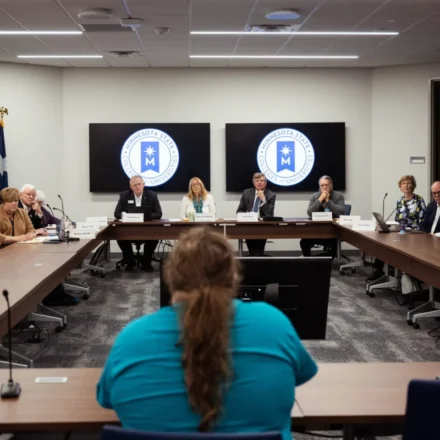
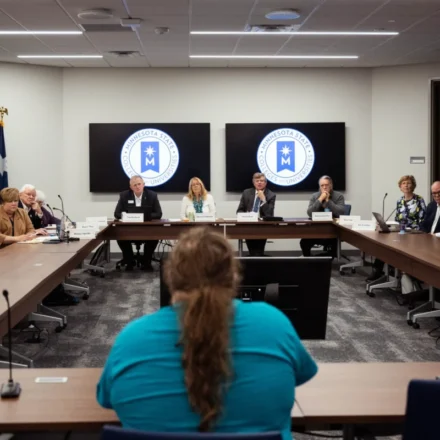
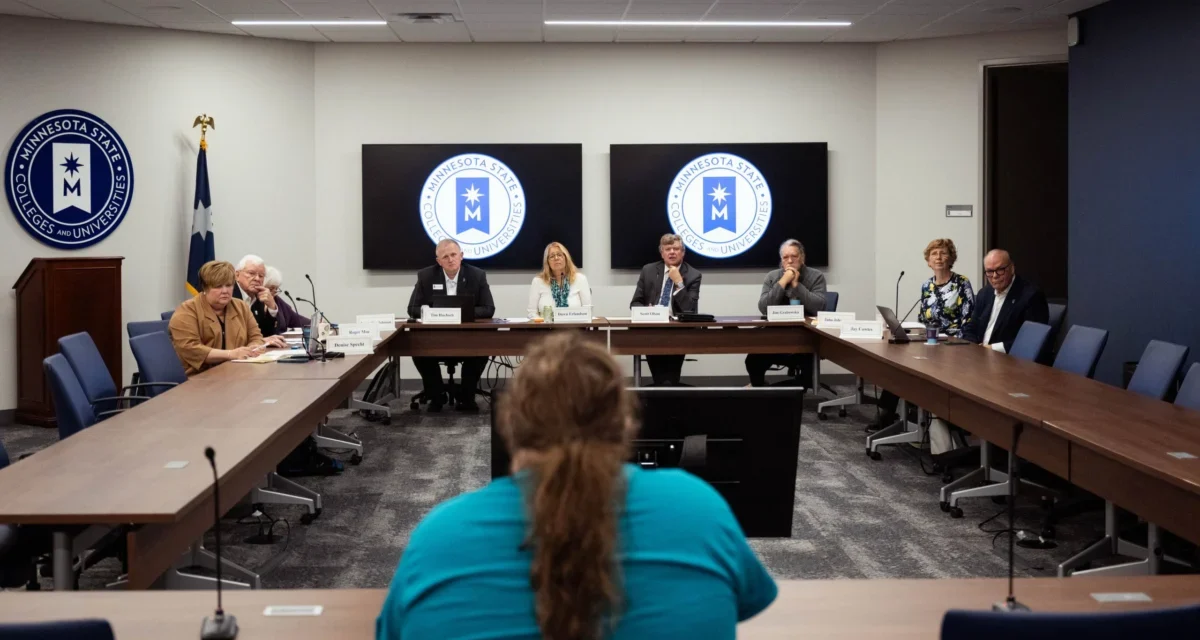
The Minnesota State university and college system, an academic cornerstone serving 270,000 students across 33 institutions, stands at a precarious crossroads. Faced with a deepening $31.5 million systemwide deficit—a figure projected to triple by the summer of 2028—the Board of Trustees is poised to vote on an unprecedented and highly controversial proposal: to strip millions of dollars from healthy campuses to serve as a financial lifeline for two of its most unstable universities.
The proposal, which faces a final board vote on October 14, would authorize the reallocation of up to $25 million annually for the next four years. While officials frame this as a necessary "stopgap" to prevent total collapse at St. Cloud State University and Bemidji State University, the move has ignited a firestorm of protest from students, faculty, and administrative leaders who fear that robbing successful colleges to subsidize failing ones will only accelerate a downward spiral for the entire system.
The Anatomy of a Financial Emergency
The scale of the crisis is difficult to overstate. System officials have identified eight institutions—five of them universities—that ended the 2026 fiscal year in dire financial health. At the heart of the proposed rescue package is a transfer of $15 million annually to St. Cloud State and Bemidji State.
St. Cloud State, once a bustling hub of central Minnesota higher education, has seen its enrollment plummet by roughly 5,400 students over the past two decades. Despite slashing its workforce by 40% over the last 15 years and suspending nearly 200 academic programs since 2023, the university has failed to staunch the bleeding. Its reserve funds, which stood at a healthy $19 million a decade ago, are now effectively depleted, forcing the university to rely on a $2 million emergency loan from the central system office.

Bemidji State, while smaller, faces a similar existential threat. Despite efforts to boost enrollment and secure new funding, the university has been hollowed out by rising salary costs and declining state support, leading to the loss of one-third of its faculty and the closure of dozens of academic programs.
A Chronology of Neglect and Decline
The current crisis did not emerge overnight. For over a decade, system leadership has been haunted by a 2016 internal report that explicitly warned of "multimillion-dollar budget holes" and a future that would be "financially unsustainable." The report cited a lethal combination of shifting demographics, excess infrastructure, and dwindling state appropriations.
"It was put on a shelf," admitted Chancellor Scott Olson during a recent town hall at Century College. "It should have been dealt with. It wasn’t. Now we have to deal with it. But it’s not too late."
The failure to heed those early warnings has left the system with little room to maneuver. Since February, discussions regarding funding shifts have moved from internal memos to public board meetings. By June, the Board of Trustees was presented with five draft proposals, eventually refining them into the current plan that would see two-year community and technical colleges contributing three times as much to the emergency pool as their four-year counterparts.

This month, the situation took a further turn toward the dramatic when Minnesota State Community and Technical College announced the permanent closure of its Detroit Lakes campus. While the closure is expected to save $1 million annually, it serves as a grim omen of what may follow for other campuses as the system prepares a broader "redesign" for presentation in January.
Supporting Data: The Burden of the Cut
The proposed funding formula for the $25 million rescue is as complex as it is controversial. Under the plan, individual colleges and universities would contribute between $121,000 and $1.8 million annually to the emergency fund, with the board reassessing the program each spring through 2031.
The fiscal impact on two-year institutions is particularly acute. Because these colleges often operate on thinner margins and focus on technical training—which requires expensive, specialized equipment—any reduction in funding directly impacts their ability to provide vocational education. Lori Kloos, president of St. Cloud Technical and Community College, was blunt in her testimony to the board: "A 5% reduction might not sound like a lot, but when 80% to 85% of our operating budgets are salary, there’s an impact."
Furthermore, a secondary proposal is looming: the potential diversion of $24.3 million through 2032 to fund the demolition of excess, aging, or underutilized facilities. When combined with the $25 million reallocation, the cumulative pressure on the system’s operating budgets could reach a breaking point.

Official Responses and Internal Dissent
The atmosphere within the system is one of palpable anxiety. Chancellor Olson has defended the "stopgap" measure as a matter of necessity, arguing that allowing St. Cloud State to fail would "strand all kinds of people" and devastate the economy of central Minnesota. "Given their scale, I guess I believe it’s worth another try at saving them," he said.
However, the rank-and-file, along with college leadership, remain deeply skeptical. Rose Sargent, treasurer for the student organization LeadMN, called the plan a "temporary funding bandage" that ignores the root causes of the fiscal rot. Marco Loera Alvarez, the group’s former vice president, warned that the plan risks "creating similar financial pressures for the very institutions that are currently serving students effectively."
Bill Maki, the system’s vice chancellor for facilities and finance, acknowledged that the plan is "unprecedented" in the system’s 30-year history. "This is not by any means a perfect solution," Maki admitted. "It is temporary."
Meanwhile, university presidents appear divided. While Kenneth Janz of Winona State University expressed support for the measure as a way to acknowledge the "seriousness of the current condition," he simultaneously cautioned that the system "cannot cut its way to sustainability."

The Implications: A System at Risk
The long-term implications of this move are significant. By prioritizing the survival of specific universities through the redistribution of funds, the Board of Trustees is effectively declaring that the current structure of 26 colleges and seven universities is no longer viable.
- Campus Closures and Mergers: The "redesign" process already underway suggests that the current funding crisis is merely the precursor to a massive consolidation. The closure of the Detroit Lakes campus is likely the first of many such actions.
- Increased Legislative Pressure: The system is currently drafting a request for $50 million in one-time state funding—half for general stability and half for building demolition. Whether the state legislature, which has been criticized by students for inaction regarding financial aid, will be willing to bail out a system that has failed to manage its own long-term assets remains to be seen.
- Institutional Erosion: Faculty and staff are increasingly concerned that the "temporary" nature of the funding transfer will become a permanent fixture of the budget. As Kevin Lindstrom, president of the Minnesota State College Faculty, noted, the smaller, rural institutions have "no margin for error." If those schools are weakened to save larger ones, the system may lose the very community-based institutions that provide the most accessible education in the state.
As the Board of Trustees prepares for the October 14 vote, the message from the faculty and students is clear: they are tired of being asked to sacrifice their own stability for a system that has ignored warning signs for over a decade. The question is no longer whether Minnesota State will change, but how much of the current infrastructure will survive the transformation.
"We cannot and must not wait," the 2016 report warned. Eight years later, the delay has turned a manageable problem into a structural crisis that threatens the future of higher education in Minnesota. The board’s vote will not just decide the fate of a few universities; it will define the future of the entire system for a generation to come.