



















































Beyond the Keynote: Why the TechCrunch Founder Summit 2026 is Redefining Startup Networking

On November 4, 2026, the historic SoWa Power Station in Boston will transform into the epicenter of the startup ecosystem as it hosts the TechCrunch Founder Summit 2026. This isn’t your typical tech conference defined by passive stage-gazing; it is a high-octane gathering of founders, investors, and operators designed to facilitate the granular, often messy, and deeply tactical conversations that actually drive company growth.
By moving beyond the broad-stroke industry platitudes, the Summit focuses on the "how" rather than the "what," offering a robust agenda that prioritizes peer-to-peer knowledge transfer, live-action pitching, and deep-dive roundtables.
The Core Philosophy: Moving from Stage to Roundtable
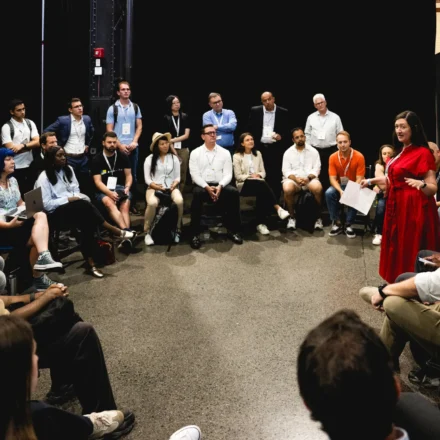
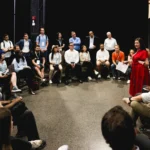
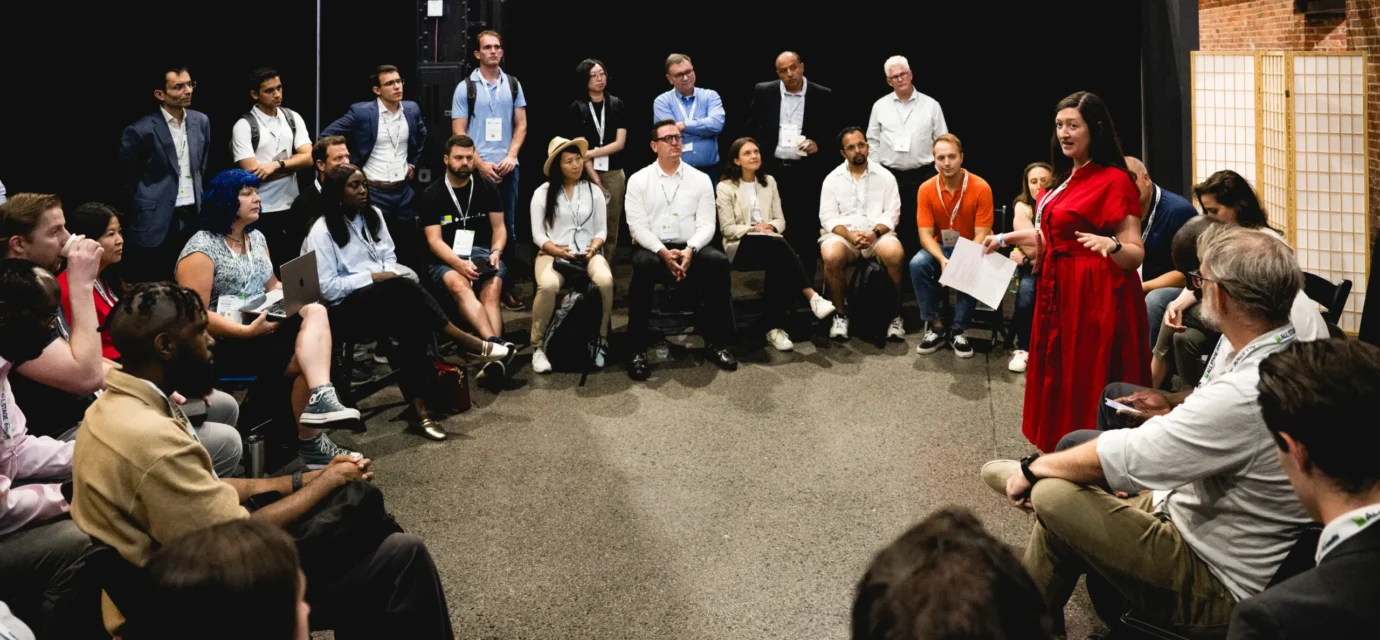
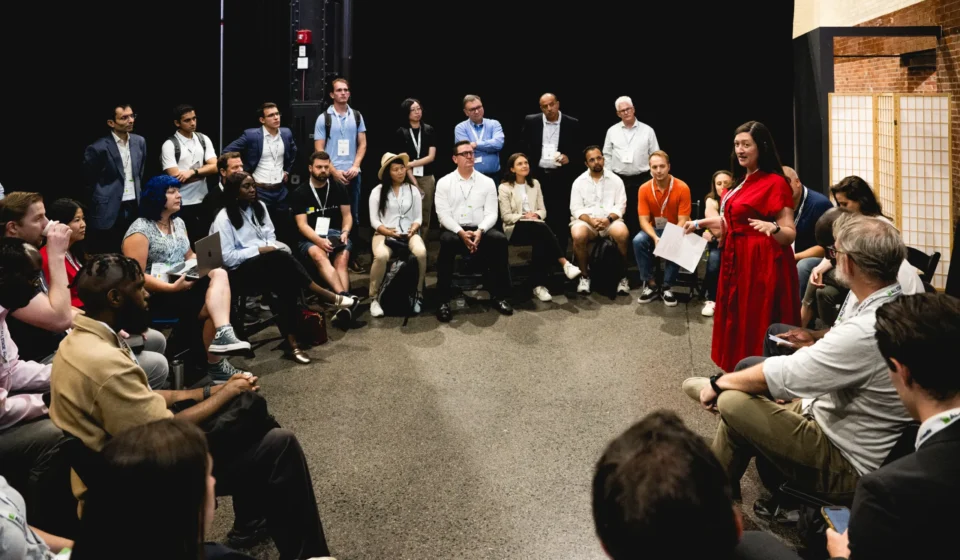
The primary differentiator for this year’s summit is its emphasis on intimacy. While the "Build" and "Impact" stages will feature high-profile industry veterans—such as Toast co-founder Steve Fredette—the heart of the event beats in the roundtable rooms. These sessions are specifically engineered for founders who need to solve problems in real-time. Whether it is navigating the complexities of enterprise sales, optimizing AI integration, or defining a brand-new market category, the roundtables provide a rare opportunity to move from passive learning to active problem-solving.
Chronology of Innovation: A Deep Dive into the Roundtable Schedule
The day is meticulously structured to ensure that attendees can engage with a diverse array of startup challenges. Below is the curated schedule of the six high-impact roundtables designed to equip founders with actionable intelligence.
1. The Strategy of Scarcity (10:45 a.m. – 11:15 a.m.)
Topic: How to Build an Events Strategy Before You Can Afford a Full-Time Team
Alexandra Ames, founder and chief event strategist at Blueprint Lab, will lead this opening session. For early-stage startups, the tension between "doing everything" and "doing what matters" is constant. Ames will break down how to extract maximum value from events with limited budgets and minimal headcount, focusing on resource allocation and the definition of success.
2. Navigating the Complexity of First Verticals (11:30 a.m. – 12:00 p.m.)
Topic: Your First Vertical, and It Happens to Be the Hardest One
Chirag Shah, partner at Define Ventures, tackles the "Big Fish" dilemma. Often, the most lucrative market segment is also the most heavily regulated or complex to enter. This session is designed for founders looking to bridge the gap between innovation and established industry resistance, providing a forum to compare notes on market entry strategies.
3. The Trust Imperative in Enterprise AI (11:30 a.m. – 12:00 p.m.)
Topic: GraphRAG in Action: Stop Hallucinations with Knowledge Graphs
Shishir Tewari, head of enterprise data engineering at Procore Technologies, addresses the "Achilles’ heel" of modern AI: reliability. In the enterprise sector, hallucinations are not just annoying—they are disqualifying. Tewari will explore the implementation of knowledge graphs and GraphRAG to provide AI systems with the context required for high-stakes, real-world deployment.
4. Winning the Enterprise Before Series A (1:15 p.m. – 1:45 p.m.)
Topic: The Enterprise AI Playbook: How to Close L’Oreal and Vodafone
Merve Kitapci, managing partner and CGO of ADIN.AI, will dissect the art of the early-stage enterprise sale. Landing logos like L’Oreal or Vodafone is a monumental task for a pre-Series A team. This session offers a tactical breakdown of navigating long sales cycles, managing multi-stakeholder approval processes, and leveraging "social proof" to build institutional credibility.
5. Creating Markets from Scratch (1:55 p.m. – 2:25 p.m.)
Topic: Build Something We Don’t Have a Word for Yet
Andy Tang, partner at Draper Associates, explores the unique challenge of category creation. When a startup builds a solution that sits outside of existing definitions, the barrier isn’t just technology—it’s communication. Tang will guide participants through the process of articulating a vision that potential customers and investors don’t yet have the vocabulary to understand.
6. Scaling Efficiency Through AI (2:35 p.m. – 3:05 p.m.)
Topic: Small but Mighty: How AI Lets Lean Teams Outship the Giants
Linden Tibbets, CEO and founder of IFTTT, concludes the roundtable series by focusing on the "small but mighty" philosophy. In an era where headcount is a liability, Tibbets will demonstrate how to utilize AI as a force multiplier, allowing lean startups to outpace and outship larger, more resource-heavy competitors.

Supporting Data: Why Networking is the New Fundraising
The TechCrunch Founder Summit recognizes that the most valuable asset for a founder is their network. To facilitate this, the event features a "Networking Lounge" powered by Braindate, a platform designed to foster meaningful, one-on-one connections.
Data from previous years suggests that founders who engage in these structured networking formats are 40% more likely to secure follow-on meetings with investors or strategic partners. By integrating the Fidelity Private Shares-sponsored closing reception, the event ensures that the day ends with the same intensity with which it began, providing an informal environment to cement the relationships formed during the earlier sessions.
Official Perspectives: The Value of "Candid Conversations"
The organizers have emphasized that the "candid conversation" is the currency of the summit. Unlike panel discussions that often devolve into sanitized marketing pitches, the roundtable format forces participants to speak to the realities of their business.
"The goal is to provide a space where a founder can walk in with a specific hurdle—say, a stalled enterprise pilot—and walk out with three different approaches they hadn’t considered," says a spokesperson for the event. This focus on practical, actionable advice is why the summit has become a mandatory fixture for those operating outside the traditional Bay Area bubble.
Broader Implications: Building the Future of the Startup Ecosystem
The TechCrunch Founder Summit 2026 takes place against a backdrop of shifting economic landscapes. As interest rates, AI adoption, and global supply chains evolve, the traditional playbook for startups is being rewritten.
- The Rise of the "Capital-Efficient" Founder: The emphasis on lean teams (as discussed by Linden Tibbets) reflects a broader market trend where survival and growth are predicated on output efficiency rather than sheer capital burn.
- The Professionalization of AI: The focus on GraphRAG and enterprise-grade reliability indicates a maturation of the AI sector. We are moving from the "demo" phase of AI into the "deployment" phase, where trust is the primary competitive advantage.
- Decentralized Innovation: By hosting the summit in Boston—a hub for biotech, robotics, and enterprise software—TechCrunch is highlighting the fact that world-changing companies are increasingly being built in diverse ecosystems that offer specific talent pools and industry connections.
How to Secure Your Place
The Summit is an essential opportunity for those looking to sharpen their strategic focus. With the event scheduled for November 4 at the SoWa Power Station, organizers have opened a limited-time window for registration.
Attendees can currently take advantage of a 25% discount on their ticket. Furthermore, in an effort to encourage team participation, TechCrunch is offering a limited Buy-One-Get-One (BOGO) deal, allowing founders to bring a colleague for free.
For those looking to gain a competitive edge, the combination of high-level industry insights from the stages and the granular, "in-the-trenches" advice from the roundtables makes this an unmissable event for the 2026 calendar.
To register for the event and secure your discount, visit the official TechCrunch Founder Summit portal.
Disclaimer: When you purchase through links in our articles, TechCrunch may earn a small commission. This does not affect our editorial independence.