













































Beyond the Saturday Routine: Why Cue-Based Landscaping Is Replacing the Rigid Yard Calendar

For generations, suburban weekends have been soundtracked by the uniform roar of lawnmowers. The traditional "Saturday morning mow" has long been accepted as an unshakeable tenet of homeownership. However, horticulturists, agricultural extension agents, and ecological scientists are increasingly challenging this rigid calendar-based approach.
According to turfgrass and botanical experts, a healthy yard does not operate on a human calendar. While grass may require intensive, twice-weekly attention during a wet spring growth spurt, a mature shade tree can thrive for half a decade without a single pruning cut. Industry experts argue that the most sustainable, cost-effective, and visually appealing yards are those managed not by the days of the week, but by visible biological and environmental cues.
By transitioning from a chronological schedule to a cue-based maintenance model, homeowners can drastically reduce unnecessary labor, optimize plant health, and minimize the ecological footprint of residential land management.
Main Facts: The Cue-Based Maintenance Framework
The core philosophy of cue-based landscaping is simple: execute maintenance tasks only when the landscape displays specific physiological signals. Rather than applying a blanket weekly routine, homeowners monitor growth rates, weather patterns, and plant life cycles to determine their workload.
To help homeowners transition to this responsive model, horticulturalists have developed a baseline framework that pairs common tasks with biological indicators rather than fixed dates.
Practical Yard Maintenance Reference
| Area or Task | Baseline Frequency | Primary Biological Cue to Watch |
|---|---|---|
| Lawn Mowing | Every 5 to 10 days during active growth | Grass reaches 1.5 times its target height (the "One-Third Rule") |
| String Trimming | Every mow or every other mow | Turf growth becomes noticeable around obstacles and fence lines |
| Lawn Edging | Every 2 to 4 weeks | Turfgrass stolons or rhizomes begin creeping over walkways and beds |
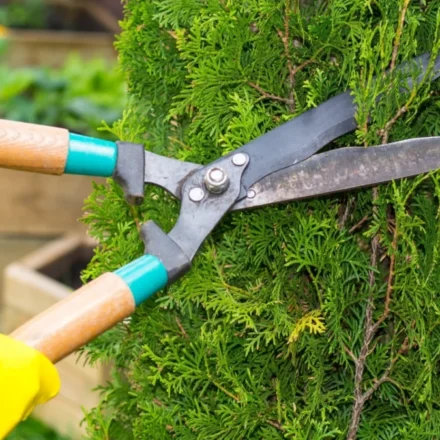
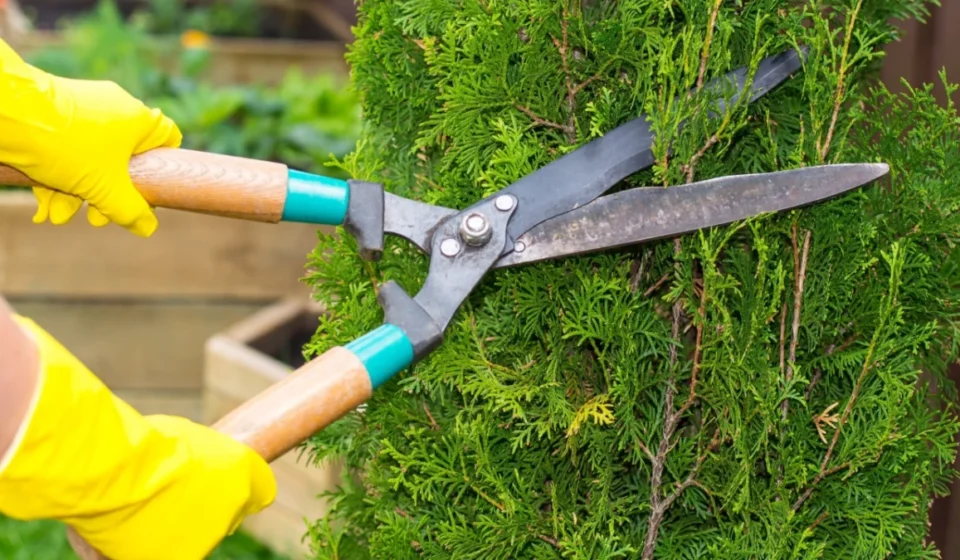
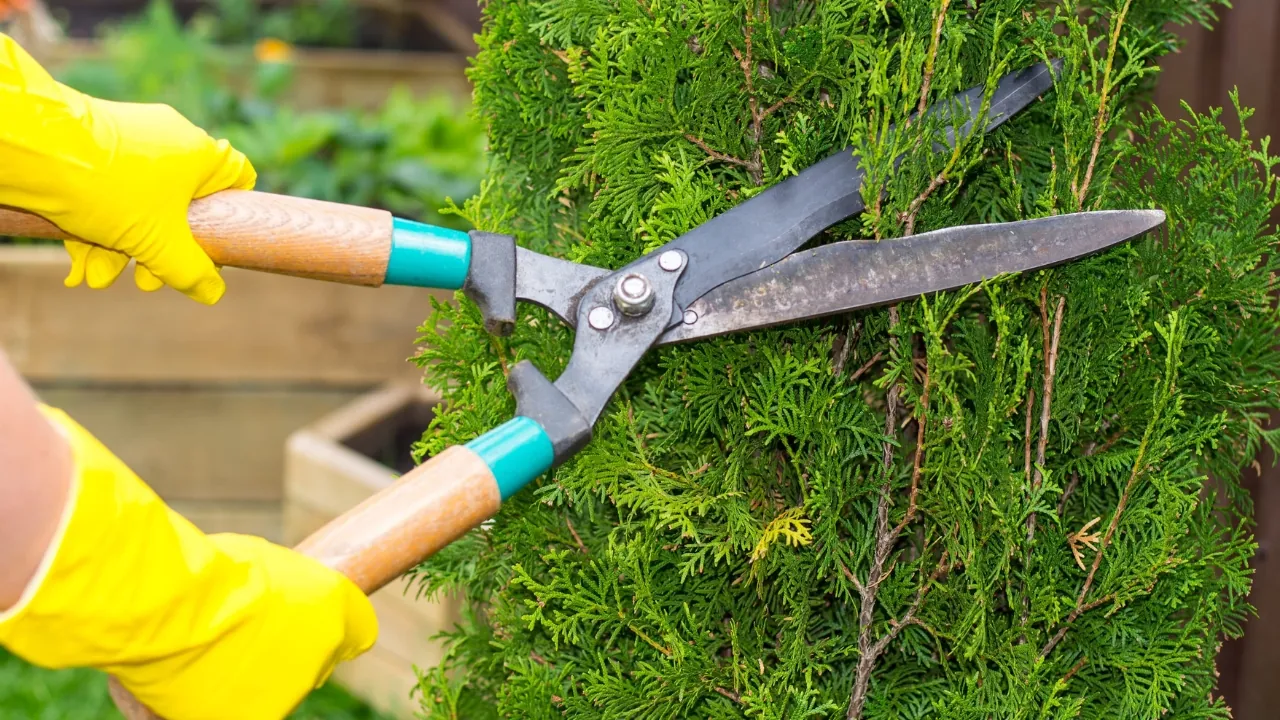
| Formal Hedges | 3 to 5 times per active growing season | Soft, light-green new shoots begin to obscure the formal structural outline |
| Informal Shrubs | One primary annual selective pruning session | Completion of flowering cycle; appearance of dead, diseased, or crossing wood |
| Young Trees | Inspect annually; prune structurally every 2 to 3 years | Presence of co-dominant stems, crossing branches, or narrow crotch angles |
| Mature Trees | Inspect annually; prune only as structurally necessary | Deadwood accumulation, safety hazards, or structural clearance issues |
| Flower Beds | Rapid assessment every 1 to 2 weeks | Emergence of young weed seedlings, spent blooms, or foliar disease |
| Fallen Leaves | Continuously during autumn defoliation | Accumulation begins to cover more than 50% of the turfgrass blades |
| Patios & Paths | Weekly sweep; seasonal deep-clean by condition | Accumulation of organic debris, sediment, moss, or slippery algae |
Chronology: A Year in the Life of a Cue-Based Yard
While a cue-based yard rejects strict dates, it still follows the broad, natural progression of the seasons. Understanding how environmental triggers shift throughout the year allows homeowners to anticipate workloads.
[SPRING] ──────> [SUMMER] ──────> [AUTUMN] ──────> [WINTER]
Rapid Growth     Heat Stress      Leaf Fall        Dormancy
Max Mowing       Slow Mowing      Mulching         Structural Pruning
Post-Bloom Cut   Hydration Cues   Habitat Save     Storm Assessment
Spring: The Rapid Growth Phase
- The Trigger: Soil temperatures rise above 50°F (10°C), and spring rains begin.
- Action Plan: Turfgrass enters its primary vegetative surge. Mowing frequency increases to every 5 to 7 days to keep pace with rapid vertical elongation. This is also the critical window for pruning spring-flowering shrubs (such as lilacs and forsythia) immediately after their blooms fade, ensuring next year’s buds are not accidentally removed.
Summer: Heat Stress and Slowed Metabolism
- The Trigger: Consistent daytime temperatures exceeding 85°F (29°C) and dry spells.
- Action Plan: Cool-season grasses enter a semi-dormant state, slowing growth dramatically. Mowing intervals stretch to 10 or even 14 days. Homeowners shift focus to monitoring irrigation cues (such as turf taking on a bluish-gray cast or retaining footprints) and managing invasive summer weeds that thrive in dry soils.
Autumn: Defoliation and Winter Preparation
- The Trigger: Decreasing day length, first light frosts, and leaf drop.
- Action Plan: Lawn mowing slows and eventually stops as turfgrass prepares for dormancy. The primary labor shift is toward leaf management. Rather than waiting for complete defoliation, homeowners mulch light leaf covers weekly or gather heavy leaf mats before they smother the grass and invite fungal pathogens.
Winter: Dormancy and Structural Evaluation
- The Trigger: Deciduous trees drop all foliage, and freezing temperatures set in.
- Action Plan: With the lawn dormant, attention turns upward. The bare winter canopy offers the perfect visual cue to evaluate the skeletal structure of trees. Dormant pruning of shade trees and summer-blooming shrubs is executed now, reducing stress on the plants and minimizing the transmission of pathogens.
Supporting Data and Botanical Mechanics
The success of responsive yard care is rooted in plant physiology. When homeowners bypass biological cues in favor of a rigid schedule, they often work against the natural defense and growth mechanisms of their plants.
Rigid Calendar Cut:      [✂️ Too Low] ──> Weak Roots, Sunburned Soil, Weed Invasion
Responsive Cue Cut:      [✂️ 1/3 Rule] ──> Strong Roots, Natural Shade, Moisture Retention
The One-Third Rule and Turf Physiology
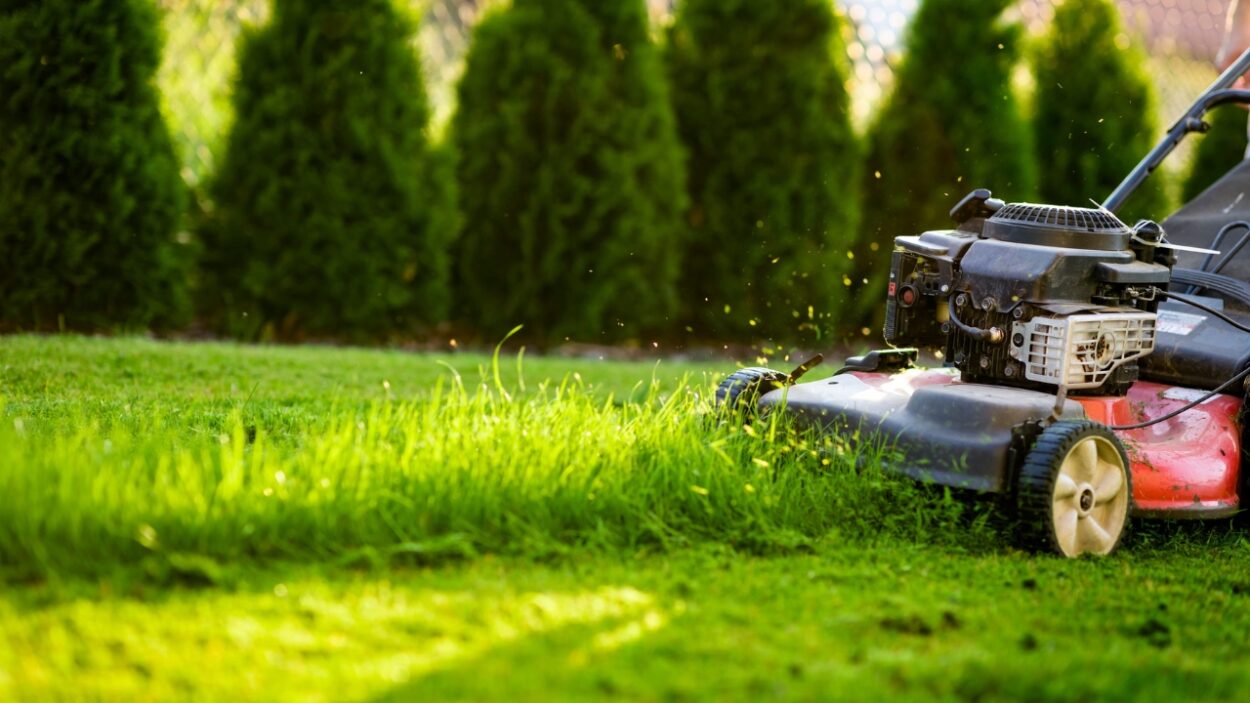
The cornerstone of professional turfgrass management is the "One-Third Rule." Agricultural research demonstrates that removing more than 33% of a grass leaf blade in a single mowing event shocks the plant.
When a lawn is scalped or cut too drastically, the plant halts root development and diverts all its carbohydrate reserves to rapidly regenerate lost photosynthetic tissue. This leaves the root system stunted and vulnerable to drought and soil-borne pests.
For example, if a lawn is maintained at a target height of 3 inches, it should be mowed precisely when it reaches 4.5 inches.
Data from Cornell University’s turfgrass program highlights that maintaining a higher cut (3 to 4 inches) not only extends the permissible window between mows, but also allows the grass to develop a deeper, more drought-resilient root system. The taller canopy naturally shades the soil surface, cooling the root zone and preventing light from reaching weed seeds like crabgrass.
Nutrient Cycling via Grass Clippings
A common misconception is that all lawn clippings must be bagged and disposed of to prevent thatch buildup. However, data from the University of Illinois Extension reveals that grass clippings are composed of roughly 75% to 80% water and dissolve rapidly when left on the lawn.
Furthermore, these decomposing clippings return vital macronutrients directly to the soil. Agronomists calculate that leaving clippings on the lawn provides up to 25% of the turf’s annual nitrogen requirement, significantly reducing the need for synthetic fertilizer applications. Bagging is only necessary if the lawn has grown so tall that the resulting clippings form thick, suffocating mats that block sunlight.
Official Responses and Expert Guidance
To promote healthier urban and suburban ecosystems, university agricultural extension offices across the United States have published clear guidelines on responsive, low-impact yard care.
┌──────────────────────────────────────────────────────────┐
│             ACADEMIC EXTENSION RECOMMENDATIONS           │
├─────────────────────────┬────────────────────────────────┤
│ University of Georgia   │ Shear formal hedges 3-5x/year; │
│                         │ prune informal shrubs by cycle │
├─────────────────────────┼────────────────────────────────┤
│ Penn State University   │ Prune mature trees selectively │
│                         │ on 5-to-10-year structural run │
├─────────────────────────┼────────────────────────────────┤
│ University of Minnesota │ Mulch leaves at 50% visibility;│
│                         │ compost heavy piles to save turf│
└─────────────────────────┴────────────────────────────────┘
Woody Ornamental and Shrub Care
The University of Georgia Cooperative Extension emphasizes that pruning must be tailored to the plant’s growth habit and flowering cycle. In their publication Pruning Ornamental Plants in the Landscape, extension specialists note that formal, tightly sheared hedges require shearing three to five times per growing season to maintain clean geometric lines.
Conversely, informal shrubs should never be sheared. Instead, they require selective hand-thinning once a year to remove dead or rubbing wood, maintaining their natural shape and promoting internal airflow.
For flowering species, timing is everything. Penn State Extension horticulturists warn that pruning spring-flowering shrubs in late fall or winter will completely destroy the upcoming spring floral display, as these plants set their flower buds on the previous season’s wood.
Conversely, summer-blooming species flower on new, current-season growth and are best pruned in late winter before active bud break.
The Ecological Paradigm Shift in Fall Cleanups
Traditionally, autumn yard care involved leaf-raking, bagging, and removing all organic debris to leave flower beds completely bare. Today, state extension offices are actively discouraging this practice.
The University of Illinois Extension’s Fall Garden Cleanup Guidance urges homeowners to exercise restraint. While diseased plant tissue should be removed to prevent pathogens from overwintering, healthy stems, hollow ornamental grasses, and leaf litter should be left intact.
These materials serve as critical overwintering habitats for native pollinators, including solitary bees, butterflies, and beneficial predatory insects. Stripping garden beds bare in October eliminates these populations, leading to fewer pollinators and increased pest pressures the following spring.
Similarly, when managing leaf fall, the University of Minnesota Extension advises a hybrid approach:
- Light Cover: If at least 50% of the grass is still visible through the fallen leaves, homeowners should simply mulch them into the lawn with a mower.
- Heavy Cover: Once leaf accumulation completely blankets the grass, the leaves must be raked, composted, or moved to garden beds to prevent smothering the turf and encouraging snow mold.
Implications for Homeowners, Communities, and Ecosystems
Abandoning the rigid weekly yard schedule in favor of a cue-based model has profound implications that stretch far beyond aesthetics.
                      ┌──> Economic: Less fuel, less fertilizer, fewer tool replacements
                      │
CUE-BASED TRANSITION ─┼──> Ecological: Pollinator habitat, carbon sequestration, rich soil
                      │
                      └──> Quality of Life: Reclaimed weekends, lower noise pollution
Economic and Labor Efficiency
For the average homeowner, a cue-based maintenance schedule translates directly into reclaimed time and financial savings. Mowing only when the grass demands it reduces engine runtime, lowering fuel consumption and extending the lifespan of outdoor power equipment.
By utilizing grass clippings as natural fertilizer and mulching fallen leaves directly into the turf, homeowners can cut their annual spending on synthetic fertilizers and soil conditioners by 20% to 30%.
Environmental and Climate Resilience
On a broader scale, reducing the frequency of gas-powered lawn equipment operation directly lowers greenhouse gas emissions and mitigates local noise pollution.
Furthermore, allowing lawns to grow slightly taller and leaving organic mulch in garden beds enhances the soil’s water retention capacity. This reduces municipal stormwater runoff and helps lawns withstand prolonged summer droughts without relying on excessive irrigation.
Traditional Calendar Lawn:
[Short Turf] -> Shallow Roots -> High Runoff -> Low Drought Resistance

Cue-Based Resilient Lawn:
[Taller Turf] -> Deep Root System -> High Water Retention -> High Drought Resistance
The Role of Smart Automation
The transition to cue-based landscaping is also being accelerated by technological advancements. The rise of robotic lawn mowers and smart irrigation controllers allows homeowners to automate responsive yard care.
Robotic mowers operate continuously, taking off mere millimeters of the grass blade daily. This constant, micro-clipping approach perfectly adheres to the "One-Third Rule," returning tiny, easily decomposable organic particles to the soil while eliminating the need for weekly manual mowing.
Similarly, smart irrigation systems utilize real-time local weather data and soil moisture sensors to water plants only when biological thresholds are met, preventing water waste and overwatering-related root rot.
Conclusion: Working with Nature, Not Against It
The modern shift toward cue-based yard maintenance represents a maturation of residential landscaping practices. By learning to read the subtle biological indicators of their properties—monitoring grass height, observing shrub flowering cycles, and evaluating canopy structures—homeowners can transition from being reactive operators of lawn machinery to active stewards of a miniature ecosystem.
Ultimately, a yard managed by visible cues is healthier, more resilient, and far less demanding. It is a system where nature sets the pace, and the homeowner reaps the rewards of a beautiful, low-maintenance landscape.