





















































MINNEAPOLIS — In a move that has sent ripples through the Upper Midwest’s corporate and philanthropic circles, the Itasca Project, a cornerstone of Twin Cities civic engagement for more than two decades, has announced it will cease operations as a standalone entity. The decision to "graduate" its initiatives to other regional organizations marks the end of an era for a coalition that was once hailed as a national gold standard for cross-sector collaboration.
The announcement, delivered via a memorandum on Friday to stakeholders and funders, comes at a time of significant transition for the Minneapolis-St. Paul region. While leadership frames the move as a natural evolution of civic leadership, the dissolution of such a high-profile alliance raises pressing questions about the future of corporate involvement in public policy and the shifting landscape of regional problem-solving.
Main Facts: The End of a Standalone Initiative
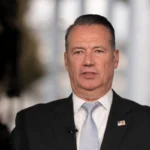
The decision to shutter the Itasca Project was reached unanimously by its Executive Leadership Council, a body comprised of some of Minnesota’s most influential business and nonprofit figures. Leading the announcement was Steve Grove, the publisher of the Minnesota Star Tribune, who had assumed the chairmanship of the project only a year ago.
According to the official memo, the Itasca Project will not simply vanish but will instead "graduate" its ongoing work to other regional entities. Primary among these is Greater MSP, the regional economic development partnership that Itasca itself helped create in 2011. Other organizations, such as the GroundBreak Coalition, are also expected to absorb various facets of Itasca’s mission.
The shutdown is the culmination of a seven-month strategic review process. Jake Blumberg, who served as the project’s managing director until last month, indicated that the leadership spent this period grappling with fundamental questions regarding the organization’s modern utility. The conclusion was that while the Itasca "spirit" remains vital, the standalone organizational structure is no longer the most effective way to address the complex, modern challenges facing the Twin Cities.
Chronology: From Virtual Alliance to Formal Entity and Back
To understand the weight of this decision, one must look at the twenty-year trajectory of the Itasca Project, which functioned as a barometer for the region’s civic health.
The Formative Years (2003–2011)
Founded in the early 2000s, the Itasca Project began as a "virtual" organization. It had no permanent office, no full-time staff, and no formal legal status. Instead, it operated through the sheer will and donated time of CEOs and the pro bono analytical power of McKinsey & Co. This lean model allowed it to move quickly, focusing on "task forces" that tackled specific regional hurdles, such as transportation funding and educational disparities.
Growth and Institutionalization (2011–2021)
In 2011, the Itasca Project reached a milestone by birthing Greater MSP, intended to be the region’s dedicated economic development engine. Throughout the 2010s, Itasca expanded its scope, launching the "Mind the Gap" initiative to address racial and socio-economic disparities—a move that was considered progressive for a business-led group at the time.
The Shift Toward Formality (2022–2023)
By 2022, under the leadership of then-chair Lynn Casey, the project moved away from its "virtual" roots. Recognizing that the community expected more accountability and sustained action, the project established an Executive Leadership Council, hired full-time staff (including Managing Director Jake Blumberg), and secured a physical office. In October 2023, the organization celebrated its 20th anniversary with a massive "Catalyzing Civic Leadership" event, signaling to the public that it was prepared for another two decades of influence.
The Final Deliberation (2024–2025)
The momentum from the 20th-anniversary celebration proved short-lived. Behind the scenes, the leadership began a "period of careful deliberation." By late 2024, the decision was made to sunset the project. On Friday, February 2025, the formal announcement was made, signaling that the very structure created in 2022 was being dismantled in favor of a decentralized model.
Supporting Data: A Legacy of Tangible Impact
The Itasca Project’s reputation was built on data-driven results rather than mere rhetoric. Over its twenty-year lifespan, several key achievements defined its impact on the State of Minnesota:
- Transportation Infrastructure: Perhaps its most significant legislative victory was the 2008 increase in the state gas tax. Itasca’s task force provided the economic rationale that helped overcome a gubernatorial veto, leading to what was then the largest transportation investment in Minnesota history.
- Socio-Economic Advocacy: The "Mind the Gap" and "Close the Gap" campaigns utilized McKinsey-backed data to illustrate the widening gulf in prosperity between different racial and geographic demographics in the Twin Cities. This work shifted the regional conversation, making equity a central pillar of economic growth.
- Business Bridge: This initiative focused on supply-chain equity, encouraging the state’s massive Fortune 500 companies to prioritize local purchasing. The goal was to keep more capital within the regional economy, particularly supporting small and minority-owned businesses.
- Leadership Pipelines: In collaboration with the University of Minnesota and Harvard Business School, Itasca co-founded the Minnesota Young American Leaders Program (MYALP). This program has trained hundreds of emerging leaders, ensuring a pipeline of civic-minded professionals.
The Friday memo confirmed that the MYALP and YALP programs will continue without interruption, with Greater MSP committed to managing and expanding these programs through 2026.
Official Responses: Why Now?
The justification for closing such a storied institution centers on the idea of "graduation." The Executive Leadership Council argues that the ecosystem of civic leadership in the Twin Cities has matured to the point where a central "task force" model is redundant.
Jake Blumberg, in a reflective LinkedIn post, provided a more nuanced explanation. He noted that the landscape of civic engagement has changed, particularly regarding who leads. "The work of cross-sector civic engagement is best carried forward by numerous other organizations that have grown over the past two decades — especially those led by folks with different lived experiences and identities than those who have predominantly led those efforts historically," Blumberg wrote.
Steve Grove, the current chair, echoed this sentiment of evolution. While only a year ago he spoke of "growing the impact" of the work, his recent endorsement of the shutdown suggests a pivot toward supporting established specialized groups rather than maintaining a generalist alliance.
However, the decision has not been met without skepticism. Some civic observers point to the "complexity and intensity of the corporate environment" as a factor. Lynn Casey, in previous interviews, admitted that the demands on modern CEOs have made it increasingly difficult for them to dedicate the dozens of hours a month that the Itasca Project’s original model required.
Implications: A New Era of Decentralized Leadership
The dissolution of the Itasca Project carries several long-term implications for the Twin Cities and the broader "Minnesota Model" of civic cooperation.
1. The Decentralization of Influence
For twenty years, the Itasca Project served as the "room where it happens"—a single table where the heads of Target, Best Buy, and the University of Minnesota could meet to align on regional strategy. With Itasca gone, that influence is now decentralized. While Greater MSP and the GroundBreak Coalition will take on the work, there is no longer a single, overarching "civic alliance" that speaks for the entire business community.
2. The Question of CEO Engagement
There is a growing concern that Minnesota’s corporate leaders are pulling back from public-facing civic roles. In a polarized political environment, the "all-sector" consensus that Itasca championed is harder to maintain. The "evolution" cited by Lynn Casey may, in practice, look like a retreat, where corporations focus on their internal ESG (Environmental, Social, and Governance) goals rather than regional policy-making.
3. The Future of the "Task Force" Model
The Itasca Project pioneered the use of high-level task forces staffed by consultants to solve public problems. While the Friday memo claims this model has been "fully adopted" by other groups, it remains to be seen if these other organizations can command the same level of attention from the state legislature and the public.
4. Fiscal and Social Challenges
The timing of this shutdown is notable. Minnesota is currently facing anemic population growth, fiscal challenges in its core cities, and deep political divisions regarding public safety. The absence of a unified, business-led voice at this juncture could leave a vacuum in the regional planning process.
Conclusion: The "Spirit of Itasca"
The leadership of the Itasca Project remains adamant that this is not a failure, but a "mission accomplished" moment. By creating Greater MSP and fostering a culture where "business and other community leaders gather at many tables," they argue the project has fulfilled its original purpose.
A virtual meeting will be held in the coming weeks to allow funders and working team members to discuss the transition. For now, the "spirit of Itasca" survives in the organizations it birthed and the leaders it trained. Whether those fragmented parts can equal the sum of what was once the nation’s premier civic alliance remains the defining question for the Twin Cities’ future.