




















































The Green Revolution: How Native Plants Transitioned from Garden Weeds to Essential Infrastructure

CHICAGO — Inside the historic Kilbourn Park greenhouse on Chicago’s North Side, the air is thick with the scent of damp earth and the quiet hum of a transformation decades in the making. Renee Costanzo, the Chicago Park District’s sole full-time employee at this facility, stands amidst a sea of 12,000 seedlings. With a practiced hand, she cranks a rusted pulley, opening the greenhouse roof to let in the sharp, cool breeze of a Midwestern spring.
For years, this annual ritual was defined by the predictable: rows of red geraniums, trays of beefsteak tomatoes, and the bright, fleeting colors of marigolds. But the 2024 plant sale marked a definitive shift in the American horticultural psyche. What was once a niche interest for ecologists has blossomed into a mainstream movement. Native plants—once derided as "weeds" and cleared to make way for manicured lawns—are now the most sought-after items on the shelves.
Main Facts: A Record-Breaking Surge in Demand
The scale of the shift is most visible in the numbers. The Kilbourn Park annual plant sale has long been a staple for local gardeners, typically attracting around 1,100 attendees. This year, however, participation more than doubled, with over 2,300 shoppers braving long lines that snaked around the park. Gardeners weren’t just looking for aesthetic flourishes; they were looking for resilience.
At $4 a piece, the plants offered an accessible entry point into "ecologically-minded gardening." Of the 15,000 plants prepared for the sale—a massive undertaking that begins in the frigid depths of February—nearly 20% were native species. These are plants that evolved specifically for the Illinois climate, capable of surviving its erratic swings between humid heatwaves and sub-zero winters.
According to Costanzo, the demand has been building steadily. "Just in the last five years, people have asked for more natives, which is why we’ve been increasing our production," she noted. This year, she experimented with 30 different native species, ranging from the pollinator-friendly Milkweed to deep-rooted prairie grasses. The result was a total sell-out, generating approximately $48,000 for the Chicago Park District—funds that will be funneled back into community education and infrastructure.
Chronology: From "Weeds" to "Wealth" (1982–2024)
To understand the current boom, one must look back to the early 1980s, a time when the concept of "native gardening" was virtually non-existent in the commercial sector. Neil Diboll, president of Wisconsin-based Prairie Nursery, has occupied a front-row seat to this cultural evolution for 44 years.
- The Early 1980s: In 1982, Diboll’s nursery was a struggling pioneer. Native plants were viewed by the general public as unsightly or "messy." That year, the company’s gross revenue was just over $13,000. Selling a native plant was an uphill battle against the "suburban aesthetic" of the perfect, chemical-dependent lawn.
- The 1990s and 2000s: Organizations like Wild Ones—which began as a small gardening club in Milwaukee—began the slow work of public education. They advocated for the return of native habitats, arguing that the loss of local flora was directly tied to the decline of local fauna.
- The 2010s: The narrative began to shift from aesthetics to "ecosystem services." As climate change brought more intense storms and urban heat island effects became more pronounced, the practical benefits of native plants—such as flood mitigation and carbon sequestration—became harder to ignore.
- 2017–Present: The movement hit an inflection point. Prairie Moon Nursery in Minnesota reported a staggering 350% increase in sales over the last seven years. What was once a "fad" has solidified into a "long, steady climb," according to Diboll. Today, his nursery ships out 500,000 plants and millions of seeds annually, with revenues that have added "several zeros" to those 1982 figures.
Supporting Data: The Economics and Ecology of Resilience
The data supporting the native plant boom is both financial and biological. The rise in sales is intrinsically linked to the alarming decline of key indicator species.
The Pollinator Connection
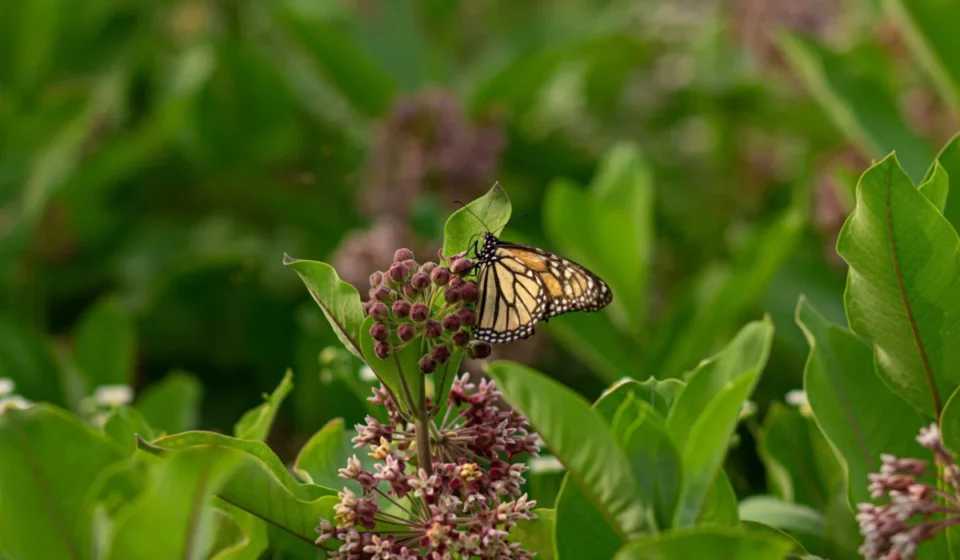
The Monarch butterfly has become the "poster child" for the native plant movement. Monarch caterpillars are specialists; they can only survive on the leaves of the milkweed plant (Asclepias). As agricultural and suburban land use shifted toward monocultures and "clean" landscapes, milkweed disappeared. Research published in journals like Insects and studies from the Norris Lab have documented the direct correlation between the loss of native milkweed and the precipitous decline in Monarch populations.
In response, the Kilbourn Park sale and others like it have prioritized various milkweed species. This isn’t just gardening; it is a decentralized conservation effort.
National Growth Metrics
The nonprofit Wild Ones, now a nationwide organization with over 14,000 members, serves as a barometer for this growth. In the last year alone:
- 110,000+ native plants were sold through 107 chapter-led sales.
- 40,000 additional plants were distributed through community programs.
- 100% increase in membership in several regional chapters over the last five years.
Nursery Performance
Becky Klukas-Brewer of Prairie Moon Nursery confirmed that the Midwest is currently the epicenter of this demand. Their orders have tripled in the last decade, driven by a new generation of homeowners who view their yards as potential wildlife corridors rather than just outdoor rugs.
Official Responses: A Shift in Public Policy
Public institutions are beginning to mirror the enthusiasm of private gardeners. The Chicago Park District’s support of the Kilbourn Greenhouse sale reflects a broader policy shift toward sustainable urban management.
Tiffany Jones, who leads habitat education for the National Wildlife Federation (NWF) in the Great Lakes region, emphasizes that native plants are "practical infrastructure."
"Native plants have been adapting to change for thousands of years," Jones said. "They need less water, less maintenance, and they’re incredibly resilient. They help flood prevention with their deep root systems and provide habitat for all kinds of crucial species. They’re practical and beautiful."
The NWF has been instrumental in pushing for "Certified Wildlife Habitats," a program that encourages residents to replace non-native turf with indigenous species. The message is clear: the traditional lawn is an "ecological desert," and the native garden is the oasis.
However, the movement also faces legal and ethical complexities. As interest in wild plants grows, so does the risk of "over-harvesting" from public lands. In Minnesota, authorities have had to remind the public that collecting wild plants for food or medicine from state parks is often illegal—a necessary protection to ensure that "going native" doesn’t inadvertently lead to the stripping of existing natural habitats.
Implications: The Future of the Urban Landscape
The success of the Kilbourn Park sale suggests that the future of urban gardening is rooted in the past. The $48,000 raised this year is earmarked for a new outdoor learning center, a project that aims to bridge the gap between "backyard hobby" and "environmental stewardship."
Lourdes Valenzuela, a retired schoolteacher and long-time volunteer with the Friends of Kilbourn Park Greenhouse, sees the movement as a form of reconciliation with the land. "We’re not fighting against the climate here," she said. "We’re working with it because it’s what’s native to this area."
The implications of this shift are profound:
- Water Conservation: As municipal water costs rise and droughts become more frequent, the low-water requirements of established native perennials offer significant cost savings for cities and homeowners.
- Urban Cooling: Native trees and shrubs provide more robust canopy cover than many ornamental varieties, helping to mitigate the "heat island" effect in dense neighborhoods like Chicago’s North Side.
- Biodiversity Corridors: By planting natives in residential pockets, gardeners are creating "stepping stones" for migratory birds and insects, allowing them to navigate through fragmented urban environments.
As Renee Costanzo watches the last of the 15,000 plants leave the greenhouse for their "happy homes," the impact is clear. The "weed" has been rebranded as a "hero." The long, steady climb that Neil Diboll described decades ago has finally reached the summit of mainstream culture, turning every backyard, balcony, and parkway into a frontline of climate resilience.
The record-breaking turnout at Kilbourn Park wasn’t just about buying plants; it was a community-wide vote for a more sustainable, biodiverse, and resilient future.