
























































While the global travel circuit is often dominated by the sheer gravitational pull of Rome, Paris, and London, a different narrative is unfolding across the European continent. Travelers are increasingly turning their gaze away from the overcrowded "megastars" toward secondary cities that offer a more intimate, authentic, and historically rich experience. These urban centers—Florence, Lyon, Porto, Thessaloniki, Cork, Bergen, and Munich—represent the heartbeat of European heritage, blending deep-rooted traditions with a forward-looking, progressive spirit.
1. Florence, Italy: The Renaissance Cradle
Main Facts
Florence remains the quintessential destination for art historians and architecture enthusiasts. Nestled in a wooded Tuscan valley, the city is defined by the Arno River and a skyline dominated by the terracotta-tiled dome of the Duomo. Unlike the sprawling chaos of Rome, Florence maintains a compact, walkable scale that allows visitors to immerse themselves in its golden-hued atmosphere.
Chronology and Cultural Legacy
The city’s architecture serves as a timeline of the Renaissance. The Duomo, with its iconic red-tiled dome and intricate polychrome marble façade, stands as a testament to Brunelleschi’s genius. The Uffizi Gallery houses arguably the most significant collection of Renaissance masterpieces in the world, while the Accademia Gallery draws millions to witness Michelangelo’s David.
Implications
Florence teaches us that density is not a requirement for greatness. By preserving its medieval and Renaissance core, the city forces a slower pace of life, inviting travelers to linger in artisan shops and trattorias that serve Tuscan cuisine—a culinary tradition that stands as a formidable rival to the Roman canon.
2. Lyon, France: The Gastronomic Capital
Main Facts
Located just two hours by train from Paris, Lyon is a city that prioritizes the palate. It boasts over 4,000 restaurants and a cumulative total of 22 Michelin stars, establishing it as the undisputed culinary capital of France.
Supporting Data and Context
Situated at the confluence of the Saône and Rhône Rivers, Lyon serves as the gateway to the Beaujolais wine region. This geographical advantage ensures that its dining scene is perpetually paired with some of the world’s finest vintages.
Official Perspectives
Local tourism boards emphasize that Lyon is not a city for the faint-hearted or the calorie-conscious. Beyond the plate, the city’s identity is forged in its history as a global textile hub. The Basilica of Notre-Dame de Fourvière looms over the city, offering a spiritual and architectural counterpoint to the grit and glamour of the historic silk-weaving districts.
3. Porto, Portugal: The Intimate Marvel
Main Facts
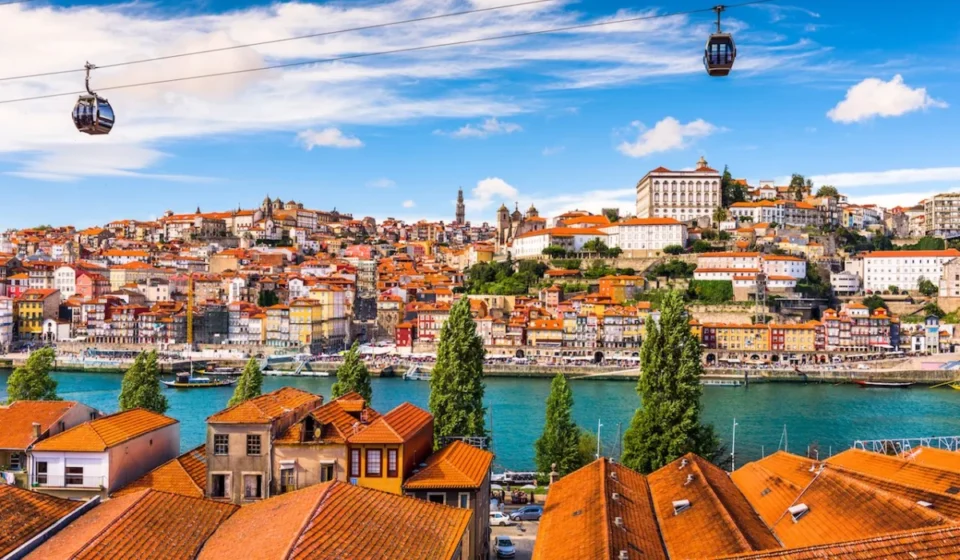
Porto offers an intimate alternative to the bustle of Lisbon. Visually, it is defined by its architectural commitment to azulejos—the ornate, hand-painted ceramic tiles that adorn everything from churches to private residences.
Cultural Implications
The city’s intellectual pedigree is captured in the Livraria Lello, a bookstore so architecturally magnificent that it famously inspired the atmosphere of J.K. Rowling’s Hogwarts. Beyond the literary connection, Porto is a city of layers—steep, hilly streets that reward the traveler with views from the Clerigos Tower and a vibrant nightlife along the banks of the Douro River.
Culinary Traditions
A visit to Porto is incomplete without the francesinha, a decadent local sandwich that mirrors the city’s hearty, working-class roots. Paired with a glass of local port wine, it offers a sensory snapshot of Portuguese life.
4. Thessaloniki, Greece: The Open-Air Museum
Main Facts
As Greece’s second-largest city, Thessaloniki offers a laid-back, Aegean-facing alternative to the intensity of Athens. Its location near the borders of North Macedonia and Bulgaria has fostered a multi-ethnic, cosmopolitan culinary tradition that remains distinct from the rest of Greece.
Supporting Data: Historical Preservation
With roots stretching back to 300 AD, the city is a living museum. Landmarks like the Roman Rotunda of St. George and the Byzantine-era fortifications provide a labyrinthine experience for history buffs.
Implications
Thessaloniki’s "open-air" nature means that history is not tucked away in glass cases but lived in. From the Saturday night tradition of smashing plates in traditional tavernas to the abundance of mpougatsa pastries, the city thrives on a unique fusion of Balkan and Mediterranean culture.
5. Cork, Ireland: The Rebel City
Main Facts
Known as the "Rebel City," Cork has successfully cultivated an identity distinct from Dublin. It is a city of contradictions: Georgian elegance meets 17th-century laneways, all underpinned by a contemporary, progressive artistic spirit.
Cultural and Architectural Analysis
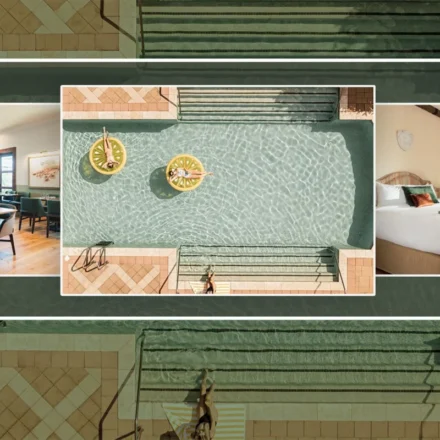
The Lewis Glucksman Gallery and the Cork Opera House are symbols of the city’s commitment to modernity. However, the soul of the city remains in its pubs and breweries, such as the Franciscan Well. The ability to stay in a private, converted pub reflects Cork’s playful, unconventional approach to tourism.
Official Perspectives
Local authorities highlight that Cork is a pedestrian-first city. Whether it is the 132-step climb to the Church of St. Anne for a panoramic view or a stroll down the busy St. Patrick Street, the city encourages active engagement rather than passive sightseeing.
6. Bergen, Norway: The Gateway to the Fjords
Main Facts
Bergen sits at the intersection of extreme nature and urban sophistication. It is a city defined by its colorful merchant houses along the wharf and a fairytale aesthetic that belies its status as a significant trade hub.
Supporting Data
The proximity to mountains and fjords makes Bergen a global destination for outdoor enthusiasts. Whether by hiking trail or cable car to the top of Mount Fløyen, the city provides an seamless transition between urban living and wild, arctic beauty.
Cultural Implications
Beyond the nature, Bergen is a center for creative culture, with galleries and artisan boutiques hidden in the narrow streets of the old town. It serves as a model for how a city can maintain its cultural heritage while embracing its geography.
7. Munich, Germany: Tradition Meets Modernity
Main Facts
Munich is the heart of Bavarian identity. It is a city where traditional dress—lederhosen and dirndls—is not merely a costume for tourists but a genuine part of the local psyche.
Chronology and Local Traditions
The city’s culture is anchored by its beer garden tradition, with the Hirschgarten capable of seating 8,000 patrons. The central Marienplatz, featuring the iconic Glockenspiel in the New Town Hall, acts as a clockwork reminder of the city’s historical reenactments.
Implications
While the image of Munich is often reduced to beer and kitsch, it is also a global center for high-end commerce and art. The sprawling Englischer Garten and the Nymphenburg Palace demonstrate a city that balances its rigid adherence to tradition with an expansive, green-conscious urban design.
Summary and Final Considerations
The seven cities outlined above represent a shift in the travel paradigm. By moving beyond the "megastars," the modern traveler gains access to a more nuanced portrait of Europe. These cities are not just locations on a map; they are distinct cultural ecosystems.
Economic and Social Impact
For these smaller hubs, tourism is a delicate balance. While the economic influx is vital, these cities prioritize the maintenance of their unique, local identities over the mass-market homogenization often seen in larger capitals.
Future Outlook
As travelers become more discerning, the appeal of these secondary cities will likely continue to grow. They offer what the 21st-century traveler craves: a sense of discovery, a connection to history that feels personal, and the ability to exist within a community rather than merely moving through a crowd. Whether it is the food culture of Lyon, the history of Thessaloniki, or the fjords of Bergen, these destinations prove that the most memorable experiences are often found just off the beaten path.