
























































While national headlines have been dominated by the unsightly, algae-choked waters of the Lincoln Memorial Reflecting Pool in Washington, D.C.—a site currently grappling with the compounding pressures of shallow depth, extreme heat, and urban runoff—a far more extensive, long-term environmental struggle is unfolding across the American Midwest. In Minnesota, the "Land of 10,000 Lakes," state regulators are currently navigating a monumental effort to catalog, manage, and remediate the chemical and biological health of their vast aquatic resources.
The Minnesota Pollution Control Agency (MPCA) has released its 2026 draft list of impaired waters, a mandatory biennial submission under the federal Clean Water Act. As the public comment period for this exhaustive inventory approaches its July 22 deadline, the state faces a dual reality: while the scope of water pollution remains daunting, targeted restoration efforts are achieving record-breaking successes.
The Scope of the Crisis: Defining "Impairment"
Under the Clean Water Act, states are required to report on waters that fail to meet specific quality standards. These standards are designed to protect aquatic life, recreational activities, and drinking water sources. When a water body is listed as "impaired," it means that one or more pollutants—most commonly sediment, bacteria, or excess nutrients like nitrogen and phosphorus—have pushed the ecosystem past a tipping point.
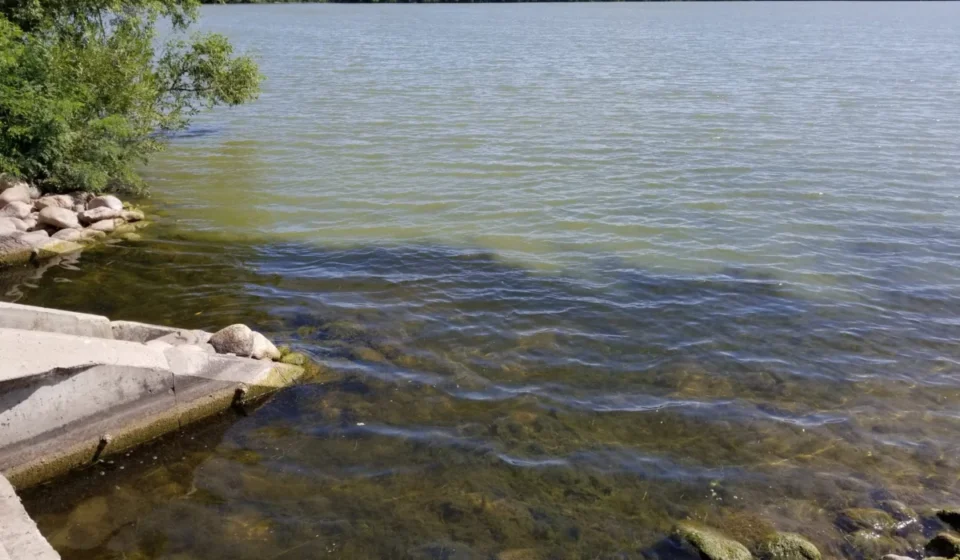
In the case of the Lincoln Memorial Reflecting Pool, the culprit is a perfect storm of environmental factors: the water is sourced from the Potomac River, its depth is a mere 1.5 to 2.5 feet, and the blue-painted floor of the pool traps heat, accelerating the growth of algae. While Minnesota’s issues are different in scale and complexity, the symptoms are similar. Excessive nutrient loading in Minnesota’s lakes and streams often leads to the same unsightly and ecologically damaging algal blooms that have plagued Washington’s monuments.
The 2026 draft list identifies a staggering 2,979 individual water bodies—ranging from pristine northern lakes to critical urban streams—that are failing to meet quality standards. In total, these bodies account for 6,410 unique impairments. The data indicates that 32% of these impairments are related to aquatic life, such as fish and macroinvertebrate health; 27% are attributed to mercury contamination; and 15% are linked to bacterial levels.
A Chronology of Stewardship: From Fragmented Efforts to Watershed Management
Minnesota’s approach to water management has evolved significantly over the last several decades. Initially, state efforts were highly fragmented, focusing on individual "hot spots"—a single lake or a specific stretch of a stream. While these local efforts provided immediate relief, they often failed to account for the larger hydrological context.
In 2007, the MPCA shifted to a more comprehensive "watershed approach." By organizing the state into 80 major watersheds, the agency began treating water quality as a systemic issue rather than a series of isolated problems. This model allows the state to work in lockstep with local government units, soil and water conservation districts, and watershed management organizations to identify the root causes of pollution at the source.
The effectiveness of this shift is visible in the 2026 report. For the first time in the program’s history, the MPCA is proposing the removal of 45 water bodies from the impaired list. This represents the largest two-year removal cycle since the state began tracking data in 1992. While the agency is adding 46 new impairments to the list, the net progress signifies a turning point in the state’s long-term strategy.
Supporting Data: The Case of Riley Lake
To understand the mechanics of these "removals," one need look no further than Riley Lake, which straddles the suburban border of Chanhassen and Eden Prairie. For years, the lake struggled with excessive phosphorus, which acted as a fertilizer for toxic algae, and an invasive fish population that uprooted native vegetation.
Terry Jeffery, administrator of the Riley Purgatory Bluff Creek Watershed District, explains that the recovery of the lake was not the result of a single intervention, but a years-long, multi-stage operation. The district partnered with the University of Minnesota to study the reproductive cycles of common carp, which were found to be churned up the lake bed and releasing trapped nutrients.
Following the reduction of the carp population, the district removed invasive aquatic plants like Eurasian water milfoil and curly leaf pondweed. Finally, the team applied alum—a chemical treatment that binds with phosphorus in the water column and settles it into the sediment, effectively "locking away" the nutrient so it can no longer fuel algae growth. The success of this project illustrates that with sufficient funding, scientific rigor, and community buy-in, even severely degraded waters can be rehabilitated.

Official Responses and Bureaucratic Frameworks
The regulatory backbone of this effort is the "Total Maximum Daily Load" (TMDL). While the term is undeniably bureaucratic, it serves as the essential budget for water quality. A TMDL determines the maximum amount of a pollutant a body of water can receive while still maintaining its designated uses.
Minnesota has successfully secured approval for 205 TMDL projects from the U.S. Environmental Protection Agency. These projects function as roadmaps for local communities, providing the legal and scientific framework for long-term restoration. The state’s progress is meticulously documented in a 2026 report to Congress, which outlines how these projects are prioritized and implemented.
"We aren’t just looking at the water itself," says an MPCA spokesperson. "We are looking at the land use surrounding it, the storm-water infrastructure, and the agricultural practices upstream. You cannot solve a water problem by looking only at the water."
The Public’s Role and Financial Backing
Minnesota occupies a unique position in the national landscape regarding environmental funding. In 2008, state voters passed the Clean Water, Land and Legacy Amendment, which established a 0.375% sales tax specifically earmarked for environmental projects. This fund has been transformative.
For the 2024–2025 biennium, the Minnesota Legislature appropriated $318 million from the Clean Water Fund. Of that, $48 million was allocated directly to the MPCA for water quality protection efforts. This consistent, dedicated revenue stream allows the state to plan for long-term remediation rather than relying on the "boom and bust" cycles of general fund appropriations seen in other states.
However, the MPCA emphasizes that money alone cannot solve the problem; it requires public engagement. To that end, the agency has initiated a series of virtual public meetings throughout June and July 2026. These meetings cover everything from the Upper Mississippi River region to the watersheds of the Redeye and Long Prairie rivers. By inviting public testimony, the agency ensures that local knowledge—which often includes observations about changing water levels, shifts in wildlife, or undocumented pollution sources—is integrated into the state’s policy.
Implications for the Future
The challenge facing Minnesota is emblematic of the broader struggle for environmental sustainability in the 21st century. As climate change increases the frequency of extreme weather events—leading to more intense runoff, warmer water temperatures, and longer growing seasons for harmful algae—the baseline for "clean water" is constantly shifting.
The Lincoln Memorial Reflecting Pool serves as a stark, high-visibility reminder of how fragile these ecosystems are. If a managed, artificial body of water in the nation’s capital can struggle with such intensity, the challenges for thousands of natural, interconnected lakes in Minnesota are clearly orders of magnitude more complex.
However, the 2026 impaired waters list offers a message of cautious optimism. The fact that the state is removing more impairments than ever before suggests that the "watershed approach," combined with the robust funding provided by the Legacy Amendment, is beginning to yield measurable results.
As the July 22 comment deadline approaches, the citizens of Minnesota have an opportunity to shape the trajectory of these efforts. Whether through individual actions—such as managing fertilizer use on lawns—or through participation in the local watershed planning process, the future of the "Land of 10,000 Lakes" rests on the collective commitment to maintaining the biological integrity of its most precious resource.
The battle for clean water is never truly finished; it is an ongoing negotiation between human development and the natural world. But for now, Minnesota’s strategy of targeted, data-driven, and well-funded stewardship stands as a model for how a state can begin to reclaim its waters from the brink of impairment.