























































Timing the peak of autumn foliage is often described as a fool’s errand. A sudden cold snap, an unseasonably warm September, or an unexpected windstorm can strip the trees bare long before a traveler’s scheduled vacation. However, seasoned leaf-peepers know the secret to success: elevation.
In regions with significant vertical relief, the "fall color" does not arrive all at once. Instead, it descends the mountainside like a slow-moving tide, beginning at the highest peaks and gradually spilling into the valleys over several weeks. By understanding the relationship between altitude and ecology, travelers can extend their foliage season significantly. By strategically targeting mountainous regions with broad elevation ranges, you essentially buy yourself a "fail-safe" for your travel plans. If the color has already passed on the ridgeline, you simply move to the foothills; if the valley is still green, you ascend to the summit.
Below, we explore three premier U.S. destinations where topography provides the ultimate toolkit for catching the perfect autumn bloom.
Western Colorado: The High-Altitude Aspen Glow
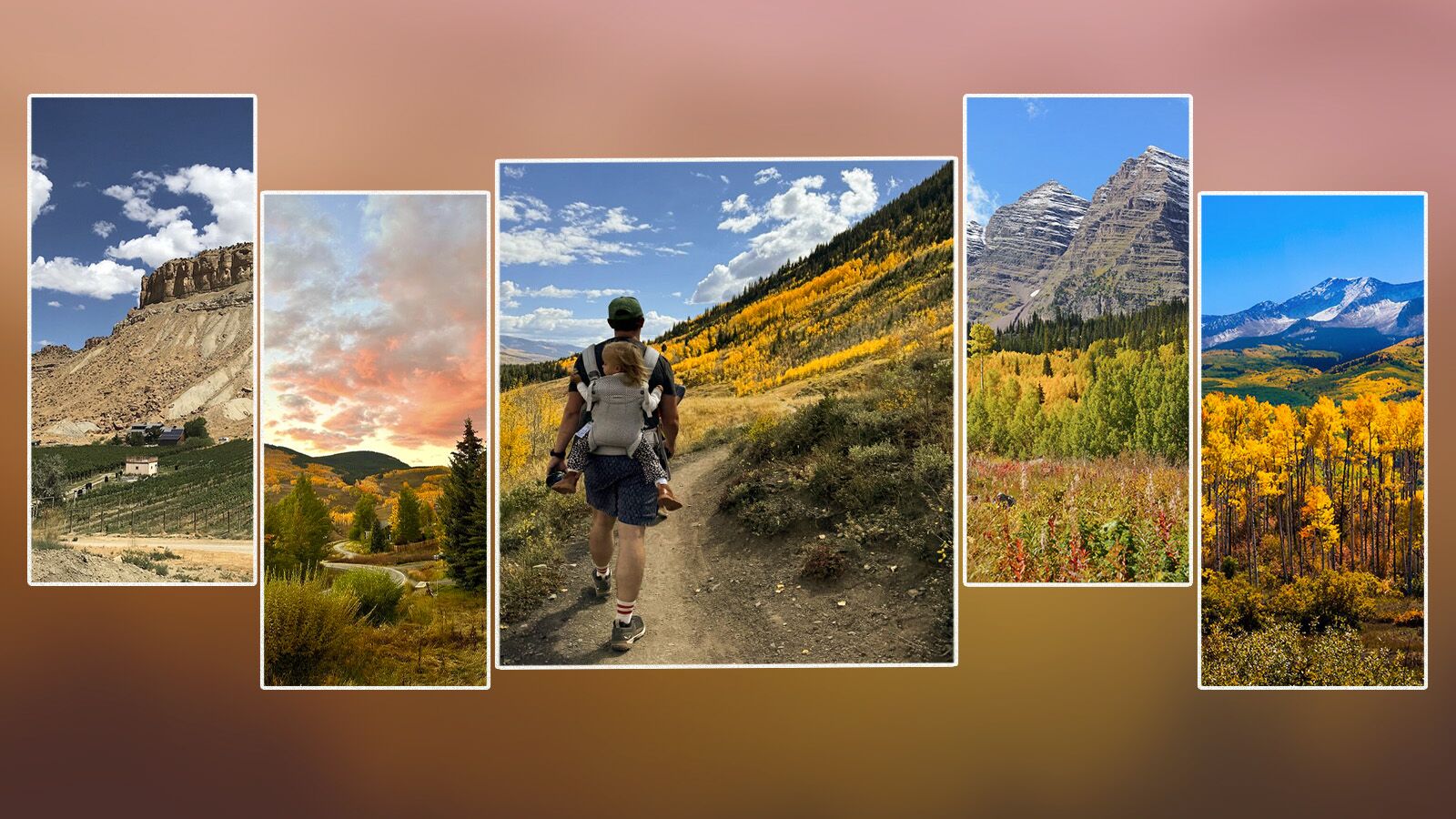
Western Colorado is defined by its dramatic verticality. In the high country, the foliage season is brief but intense, dominated almost entirely by the quaking aspen (Populus tremuloides).
The Chronology of Color
The spectacle begins in late September, typically centered around the last week of the month and the first week of October. Because much of this terrain sits above 9,000 feet, the trees are hyper-sensitive to the cooling nighttime temperatures that trigger the transition from chlorophyll-rich green to brilliant, translucent gold.
The crown jewel of this region is Kebler Pass, near Crested Butte. It hosts one of the largest contiguous aspen groves in North America. When the light hits these stands at the right time, the entire mountain appears to be set ablaze with a singular, radiant yellow.
Supporting Data and Ecological Context
The reason Western Colorado’s season is so distinct is the homogeneity of the aspen forests. Unlike the mixed hardwood forests of the East, the Western Rockies rely on the aspen’s physiological response to high-altitude stress. While the high-elevation peaks peak early, the lower elevations—specifically the orchards and vineyards of Palisade—provide a secondary, more prolonged show. By mid-October, while the Elk Mountains may be shedding their leaves, the lower-lying river valleys are just beginning their display, with fruit harvests and wine celebrations providing a festive backdrop.
Upstate New York: A Cascading Tapestry
Upstate New York offers a classic Northeastern autumn, but one that is dictated by the massive geological variety found between the Adirondack peaks and the rolling hills of the Finger Lakes.
A Geographic Timeline
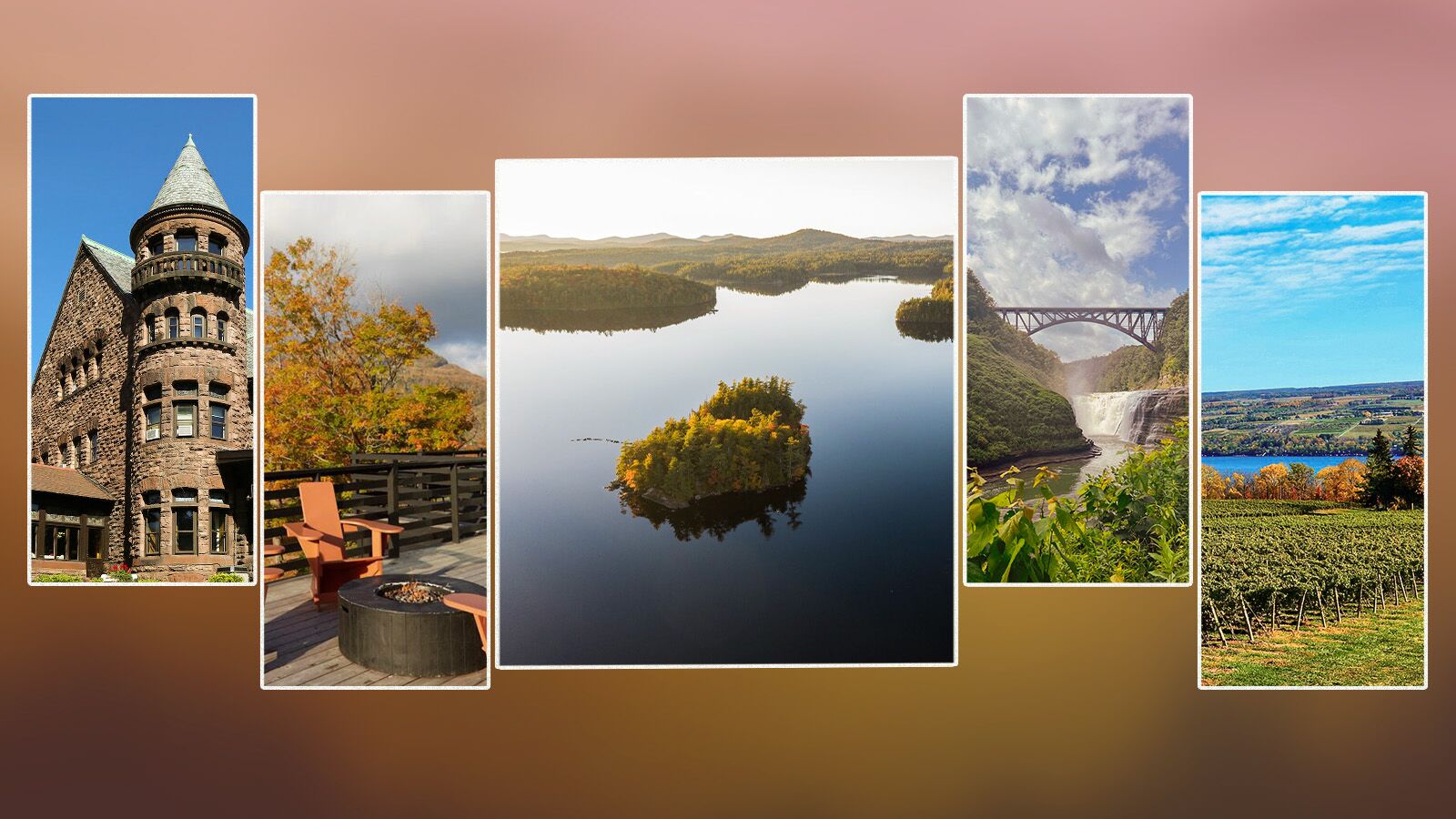
The foliage migration in New York is a study in geography. The Adirondack Park, with its rugged, high-elevation peaks, acts as the vanguard of the season. From late September through early October, the mix of sugar maples, paper birch, and American beech creates a mosaic of crimson, orange, and gold across the High Peaks.
The Finger Lakes region, sitting at a lower elevation and tempered by the heat-sink effect of the deep lakes themselves, follows roughly 10 to 14 days behind. This delay is advantageous for travelers. As the Adirondacks reach their zenith, the vineyards surrounding Seneca and Cayuga Lakes are usually in the final stages of the grape harvest. By the time the foliage reaches its peak in the Finger Lakes in mid-October, the region becomes a dual-purpose destination: world-class hiking combined with the tail end of the viticultural season.
The Southern Transition
The Catskill Mountains, located further south, serve as the final act. Because of their lower latitude and varied topography, they often hold their color well into late October, providing a safety net for travelers who may have missed the earlier displays further north.
North Carolina: The Longest Window in the East
Perhaps no state captures the "elevation-as-insurance" strategy better than North Carolina. Due to its extreme topographical range—stretching from the high-altitude Appalachian peaks to the Piedmont foothills—the state enjoys one of the longest foliage windows in the United States, occasionally spanning up to eight weeks.
The Progression of the Blue Ridge
The season typically begins in late September at the highest elevations, most notably around Mount Mitchell. Standing at 6,684 feet, it is the tallest peak east of the Mississippi. As the cool air descends, the "color wave" moves down the Blue Ridge Parkway.
For those driving the Parkway, the experience is dynamic. A drive taken on a Tuesday may look entirely different by the following Saturday. The Great Smoky Mountains provide a unique ecological advantage here; the immense biodiversity of the forest—which contains more species of trees than all of Europe—ensures that the color palette is far more varied than the monocultures of the West. While maples turn brilliant red, oaks provide deep russets, and hickories add bright yellow to the mix.
Implications for Travelers
The primary implication of North Carolina’s extended season is the ability to plan a trip with less anxiety. If a cold front moves through early, the higher elevations may be damaged, but the lower slopes of the Smokies will remain vibrant for weeks to come. By early November, the autumn display has typically reached the lower foothills, effectively allowing the "peak" to last nearly two months.
Expert Insight: How to Read the Landscape
To maximize your chances of hitting the peak, follow these three rules of thumb:
- The 1,000-Foot Rule: In the mountains, you can generally expect the peak to arrive about one week earlier for every 1,000 feet of elevation gain. If you are tracking a report for a town at 3,000 feet, and you are headed to a trailhead at 5,000 feet, adjust your timeline accordingly.
- Aspect Matters: South-facing slopes receive more direct sunlight and may hold onto green leaves slightly longer, while north-facing slopes, which stay cooler, often turn first.
- The "Valley Sink" Effect: In deep valleys, cold air pools overnight. While these areas are beautiful, they can also be the first to experience frost, which may lead to leaves turning brown rather than vibrant yellow or red.
Official Perspectives and Travel Strategy
According to regional tourism boards, the shift in travel patterns over the last decade has been significant. "Visitors are becoming more sophisticated," notes a spokesperson for the Blue Ridge Parkway Association. "They are no longer just booking a hotel for a specific date in October. They are monitoring the real-time foliage reports and choosing their altitude based on the weather patterns of that specific year."
This "fluid travel" approach is encouraged by experts. Rather than pinning all your hopes on a single mountain lodge, consider booking a "base camp" in a central location that allows for quick access to both higher and lower elevations.
Implications for Sustainability
As leaf-peeping season gains popularity, the environmental impact of concentrated tourism is a growing concern. Travelers are encouraged to stick to marked trails and follow "Leave No Trace" principles. The increased traffic on scenic corridors like the Blue Ridge Parkway or the roads surrounding Crested Butte can lead to significant congestion. Planning your trips for mid-week, rather than weekends, not only provides a more serene experience but also reduces the strain on local infrastructure.
The Future of Foliage
Climate scientists have noted that shifting weather patterns—including warmer autumns—have begun to influence the timing of leaf color. In some years, the "peak" has been delayed by as much as a week compared to historical averages. This reinforces the necessity of the elevation-based strategy. As climate variability increases, the ability to "chase" the color by moving up or down the mountainside will become the most essential skill in any traveler’s repertoire.
Whether you find yourself amidst the golden aspens of Colorado, the wine-soaked hills of the Finger Lakes, or the diverse, high-altitude slopes of the Great Smokies, the secret remains the same: look up, look down, and be prepared to move. Nature’s calendar is written in the language of altitude, and those who learn to read it will never miss a season.