







































The winter of 2025–2026 will be remembered in Minnesota not for its snowfall, but for the profound disruption of daily life caused by "Operation Metro Surge." A federal immigration enforcement initiative of unprecedented scale, the operation transformed the state from a welcoming haven for immigrants into a landscape defined by surveillance, trauma, and an enduring struggle for normalcy. Over the course of several months, thousands of federal agents flooded the Twin Cities, resulting in the detention of more than 4,000 people and sparking a massive, grassroots-led counter-movement involving at least 40,000 volunteers.

This report serves as a chronicle of that tumultuous era—a period that left the social fabric of Minnesota irrevocably altered. Through the eyes of those who hid, those who resisted, and those who mourn, we examine the human cost of a federal policy that sought to prioritize enforcement over community stability.

A Chronology of Crisis
The escalation began in the autumn of 2025, when rumors of intensified ICE presence began to circulate through immigrant neighborhoods. By November, the climate of fear had reached a breaking point. For families like that of "Lucy," a long-time Minneapolis resident who immigrated from Mexico two decades ago, the threat of separation became an all-consuming reality.

"If you are Latino, they grab you even though you haven’t done anything," Lucy says, reflecting on the weeks she and her husband spent in their garden-level apartment, fearing that every trip to the grocery store or school bus drop-off would lead to an encounter with federal agents.

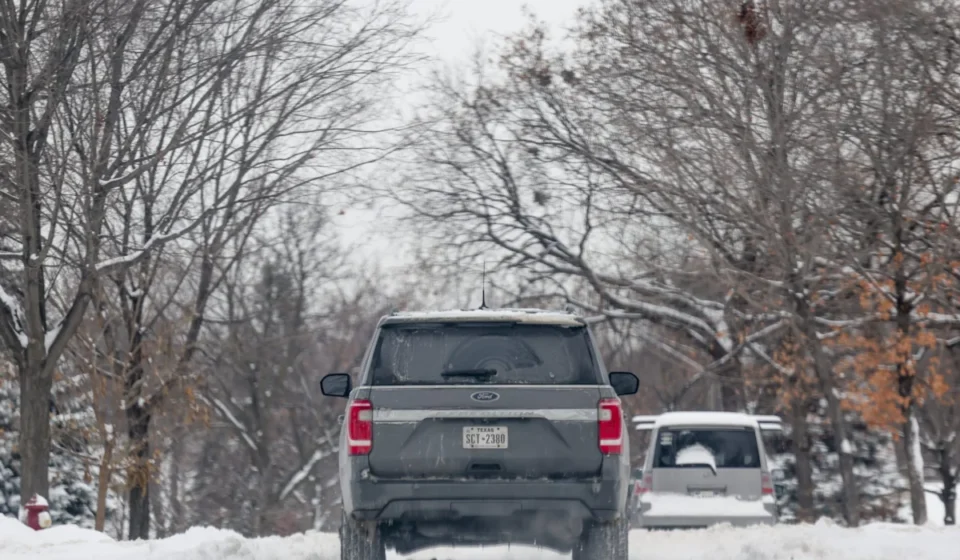
By December 2025, the presence of federal vehicles on Minneapolis streets became a daily occurrence. The rapid response networks—spontaneous coalitions of citizens—began to shadow these vehicles, utilizing encrypted messaging platforms like Signal to alert potentially targeted individuals. The tension peaked on December 15, 2025, at the intersection of Pillsbury Avenue South and West 29th Street, near the Karmel Mall. During an attempted detention, community members surrounded federal agents, blowing whistles and documenting the scene as an agent knelt on a woman, who bystanders identified as pregnant, in the freezing snow.

The situation turned lethal in early 2026. On January 7, a federal agent fatally shot Renee Good, who had been observing enforcement actions from her vehicle. The death of Good served as a catalyst for widespread public outcry, with tens of thousands of Minnesotans taking to the streets to mourn. Just three weeks later, on January 24, a second observer, Alex Pretti, was fatally shot by a federal agent near the intersection of 26th Street and Nicollet Avenue. These two incidents marked the darkest points of the operation, turning parts of the city into sites of protest, mourning, and, briefly, autonomous zones where residents sought to reclaim their neighborhoods from the encroaching federal presence.

The Infrastructure of Resistance
As the federal campaign intensified, so too did the community’s collective response. Organizations such as "Minnesota 50501" emerged as key players, mobilizing volunteers to monitor enforcement actions and provide support to those targeted.

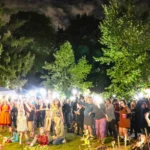
The resistance was not limited to political activism; it permeated every aspect of civic life. The "Singing Resistance" group organized walking vigils to reclaim the soundscape of the Twin Cities from the sirens and shouting that had become ubiquitous. Business owners, such as Miguel Lopez, shifted their operations to takeout-only models to allow at-risk employees to remain home, while others like Jessica Herod positioned their workspaces to maintain a constant, protective watch over their parking lots.

"At the beginning of Metro Surge, I thought that laws mattered," says a rapid responder who uses the pseudonym "green bean." "I thought that the federal government would have to follow them." Her disillusionment is shared by many who witnessed what they described as the casual violation of civil liberties.

These networks also provided essential resources, including personal protective equipment, training for legal self-defense, and, perhaps most importantly, the psychological support necessary to endure the crisis. Reverend Susie Hayward of the Creekside United Church of Christ led regular online healing sessions, noting, "There’s this lovely way in which faith communities across religious lines are showing up to make sure people can practice their faiths."

The Human and Economic Toll
The implications of Operation Metro Surge extended far beyond the immediate trauma of arrests. For the immigrant community, the psychological toll was profound. Children were kept home from school, families shuttered their windows with blankets to remain unseen, and the simple act of taking out the trash became a high-risk operation performed in the dead of night.

The economic impact was equally severe. Hundreds of businesses in the Lake Street corridor and beyond were forced to close, either due to fear or the absence of their workforce. The call for a statewide economic blackout—supported by unions, community leaders, and interfaith organizations—saw tens of thousands of people across the state opting to stay home, effectively grinding local commerce to a halt in a show of solidarity.

Even among those with legal status, the fear was palpable. U.S. citizens of color began carrying their passports at all times, fearing that the lack of documentation could lead to mistaken identity and detention by agents whose tactics often seemed to operate with little regard for established legal protections.

Official Responses and Legal Aftermath
The federal government maintained throughout the operation that its actions were necessary for national security and the enforcement of immigration law. However, the intensity of the "Metro Surge" has faced mounting criticism from legal advocates and state officials who argue that the tactics employed by federal agents were excessive and unconstitutional.

The legal fallout continues to unfold. In June 2026, federal prosecutors charged 15 individuals in connection with alleged efforts to oppose ICE operations during the height of the crisis. These charges represent a further tightening of the legal landscape for those who participated in the resistance networks, many of whom face long-term uncertainty regarding their own safety and legal standing.

Furthermore, the lack of transparency regarding the rules of engagement during the shootings of Renee Good and Alex Pretti has fueled ongoing demands for accountability. While official reports often cite the dangers inherent in enforcement, local residents and civil rights groups maintain that the federal presence acted as an occupying force, creating more danger for the community than it resolved.

Implications: A Changed State
As of mid-June 2026, the immediate intensity of Operation Metro Surge has begun to wane. The sightings of federal vehicles have decreased, and for families like Lucy’s, there is a tentative return to normalcy. Her children are finally playing outside in the summer sun, and she is once again commuting to work in her own car.

However, the "new normal" is not the same as the old one. "Ya no es lo mismo," Lucy says—it is no longer the same. The memory of the winter of fear remains etched in the city’s landscape, from the memorials for Good and Pretti that still stand, to the psychological scars left on those who spent months in hiding.

The legacy of Operation Metro Surge will likely be debated for years to come. It forced a state known for its social safety net and welcoming spirit to confront the limits of its own influence in the face of federal power. It fostered a unique, cross-cultural coalition of resistance that arguably changed the political consciousness of Minnesota. Yet, for those who lived through it, the desire for the future is simple and poignant: they want a return to the time before, when the fear of the state did not dictate the rhythm of their daily lives.

As Minnesota moves forward, the question remains whether the community bonds forged in the heat of the struggle will remain a permanent feature of the state’s social architecture, or if the trauma of the surge will lead to a long-term erosion of the civic trust that once defined the region. For now, the memorials along Portland Avenue and the stories of those who, like Lucy, are only now opening their blinds, serve as a stark reminder of the cost of that winter.