





















































Minneapolis Public Schools at a Crossroads: The High-Stakes Debate Over Massive District Consolidation

By [Your Name/Journalistic Staff]
Minneapolis Public Schools (MPS) stands at a defining, and deeply divisive, juncture. On Tuesday night, Superintendent Lisa Sayles-Adams unveiled three aggressive "school transformation" plans designed to address a persistent $40 million budget deficit and a stark reality of under-enrolled facilities. The proposed measures, which would fundamentally alter the educational landscape of the city, include the potential closure of up to 16 schools and the relocation of thousands of students by the fall of 2027.
While the district argues that these measures are a necessary fiscal and academic correction, the reaction from the community—spanning educators, parents, and union leadership—has been swift and largely critical. As the November 10 board vote approaches, a central question looms over the district: Can Minneapolis "right-size" its footprint without dismantling the fragile, vital community networks that define its neighborhood schools?
The Anatomy of the Proposals: A Shift in Landscape
The three plans presented to the board are not mere tweaks to the status quo; they represent a fundamental reimagining of K-12 pathways and attendance boundaries. If approved, the scope of these changes would impact approximately 14% of the district’s total student enrollment.
The primary driver of this urgency is a mismatch between capacity and demand. MPS currently serves roughly 30,000 students, yet its physical infrastructure is built to accommodate 43,000. This disparity has resulted in more than half of the district’s 56 schools operating at levels that make providing consistent, high-quality programming, electives, and staffing levels difficult, if not impossible. Under the current funding model, where money follows the student, these under-enrolled buildings are perpetually starved of the resources required to thrive.
The district’s stated goal is to bring "greater consistency" to all students, with projections suggesting that if a plan is implemented, over 70% of MPS students would attend schools that offer a complete suite of staff and academic programming. However, the proposals have remained conspicuously silent on specific financial savings, leaving the community to wonder if the trade-offs in social capital are worth the elusive fiscal gains.
Chronology: A Multi-Year Path to Crisis
The current restructuring effort is the latest chapter in a long-standing struggle to adapt to changing demographics and shifting family preferences.
- 2020: The district implemented the "Comprehensive District Design" (CDD), a major overhaul intended to streamline magnet schools and adjust boundaries. In the years following, the district saw thousands of students exit the system, a trend that critics argue should serve as a cautionary tale for the current administration.
- 2023: The concept of the current round of "transformation" began to take shape as budget deficits grew more pronounced.
- Fall 2025: The school board passed a resolution mandating that the Superintendent provide concrete information on potential closures and consolidations by April 2026.
- Spring/Summer 2026: Following initial discussions, Superintendent Sayles-Adams and her administrative team spent the summer months drafting the three options presented this week.
- September 2026: The public introduction of the three plans.
- Sept. 30 – Oct. 9, 2026: A series of community meetings are scheduled to solicit public feedback.
- Nov. 10, 2026: The school board is scheduled to cast its final vote on the proposals.
- Fall 2027: The intended implementation date for any approved changes.
Supporting Data: The Case for Consolidation
The administrative rationale rests on the principle of economies of scale. In a district where buildings are at roughly 70% capacity, the overhead costs—heating, cooling, maintenance, and administrative support—are spread too thin.
According to the Superintendent’s presentation, schools operating below a certain enrollment threshold struggle to provide the robust, full-time support staff—such as librarians, music teachers, and special education coordinators—that are standard in more stable environments. By consolidating, the district aims to ensure that no school is left with a "hollowed-out" curriculum.
However, the data is met with skepticism by those who point to the district’s history of "managed decline." Critics note that the 2020 CDD failed to retain students as promised, and many fear that closing neighborhood schools will simply accelerate the exodus of families to suburban districts, charter schools, or private alternatives, thereby deepening the very deficit the board hopes to solve.
Official Responses and Union Resistance
The Minneapolis Federation of Teachers (MFT) has been one of the most vocal opponents of the current timeline, labeling it "unacceptable." MFT leadership has called on the board to institute an immediate pause, arguing that "meaningful engagement" has been bypassed in favor of a top-down administrative directive.
"We need a real plan for the recruitment and retention of families in our district, not just a plan to shutter buildings," said MFT President Marsha Howard. Howard highlighted the irony of the proposals, noting that several schools marked for closure, such as Kenny Elementary and Bethune Arts Elementary, are high-performing institutions—the latter even maintaining a consistent waitlist.
Board member Greta Callahan echoed these sentiments, urging her colleagues to look past the spreadsheets. "History tells us otherwise," Callahan remarked, noting that families whose neighborhood hubs are dismantled rarely view another MPS school as a direct replacement. "Families who lose their neighborhood school do not reliably stay."
The Human Cost: Implications for Neighborhoods
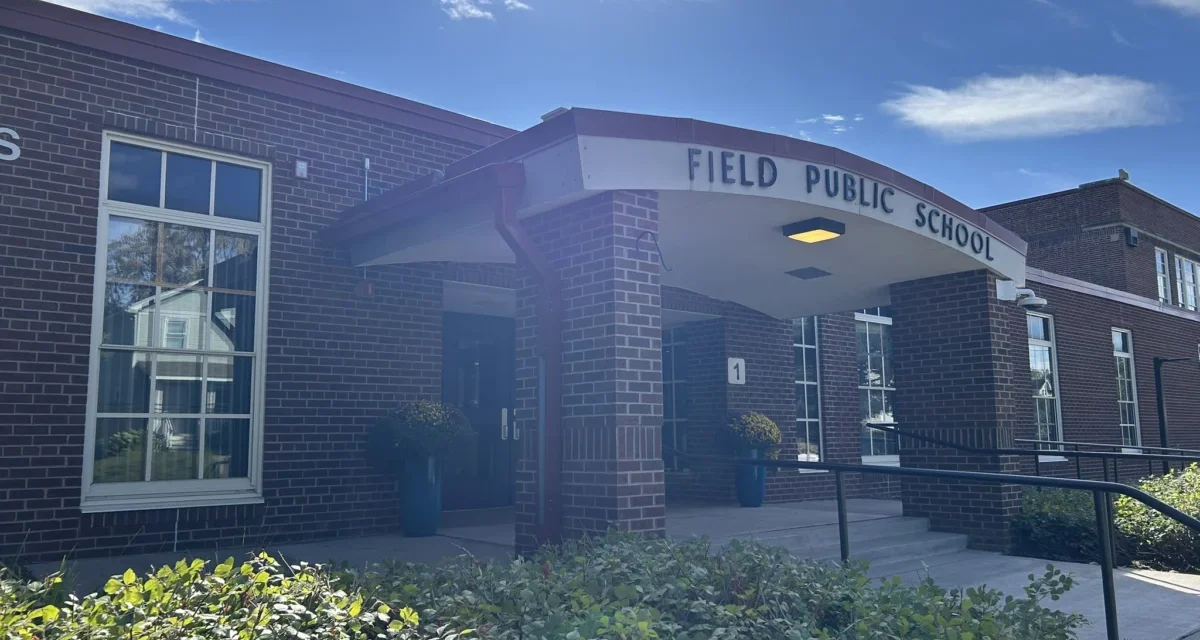
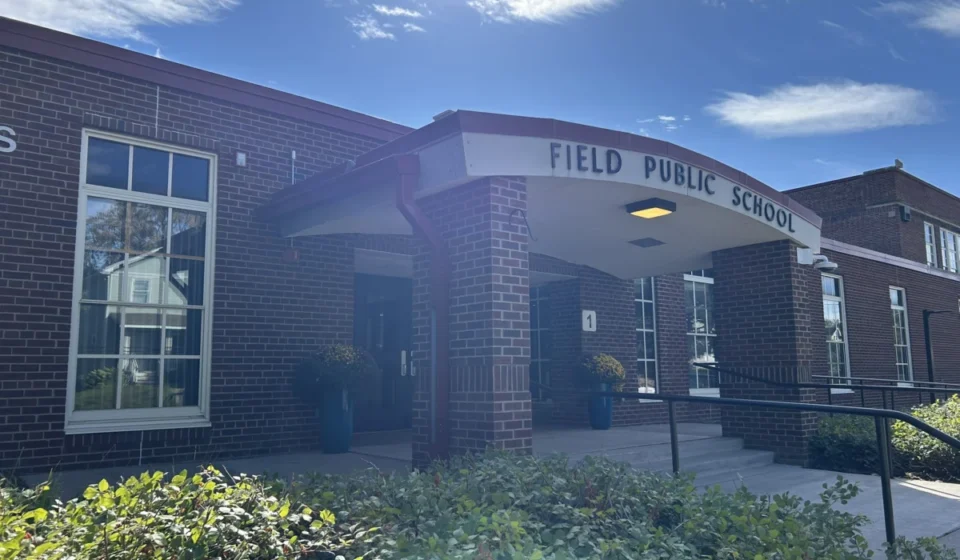
For parents like Susan Dreiling, whose fourth-grader attends Field Elementary—a school slated for closure under all three proposed options—the "transformation" feels like an erasure of the community they have worked years to build.
"Hard plans can be the right plans, but we’ve got to have confidence in the leadership that’s putting it through," Dreiling said. She describes the school environment as a tapestry of daily rituals: parents knowing each other by name, the consistent presence of familiar bus drivers, and the communal pride of walking children to class. These are the intangible elements of school culture that she fears the board is failing to account for.
There is also the matter of "operational fatigue." Many of these school communities were recently galvanized by "Operation Metro Surge," a community-led effort that helped stabilize enrollment and build local networks. Parents argue that the district is now punishing these communities for their success, blindsiding them with closure notices just as they have reached a period of relative stability.
"If you are operating under a premise that is outdated by the time you present it to the public," Howard added, "what that shows is that you’re not reading the room."
Looking Ahead: The Uncertainty of Implementation
The ambiguity surrounding potential layoffs adds another layer of anxiety for the district’s workforce. Because the savings depend on future enrollment and the final budget approved next spring, teachers and staff are currently working in a state of suspended animation. As Dreiling poignantly asked, "How do you fight to keep your school in your community and do your day job all at the same time?"
The district is now entering a critical two-week window of community engagement. With public meetings scheduled from late September through early October, the school board will have to decide whether to push forward with their aggressive timeline or acknowledge the mounting calls for a delay.
The stakes could not be higher. If the district moves too fast, it risks further alienating its core base of families and losing the trust of its most dedicated educators. If it moves too slowly, the $40 million deficit may continue to erode the quality of education for all students.
For now, the parents of Minneapolis are left waiting, hoping that the "transformation" will not result in the transformation of their vibrant, interconnected neighborhood schools into empty, boarded-up monuments to a failing, top-down strategy. The board’s vote on November 10 will ultimately determine whether Minneapolis chooses to prioritize the balance sheet or the heartbeat of its school communities.