





















































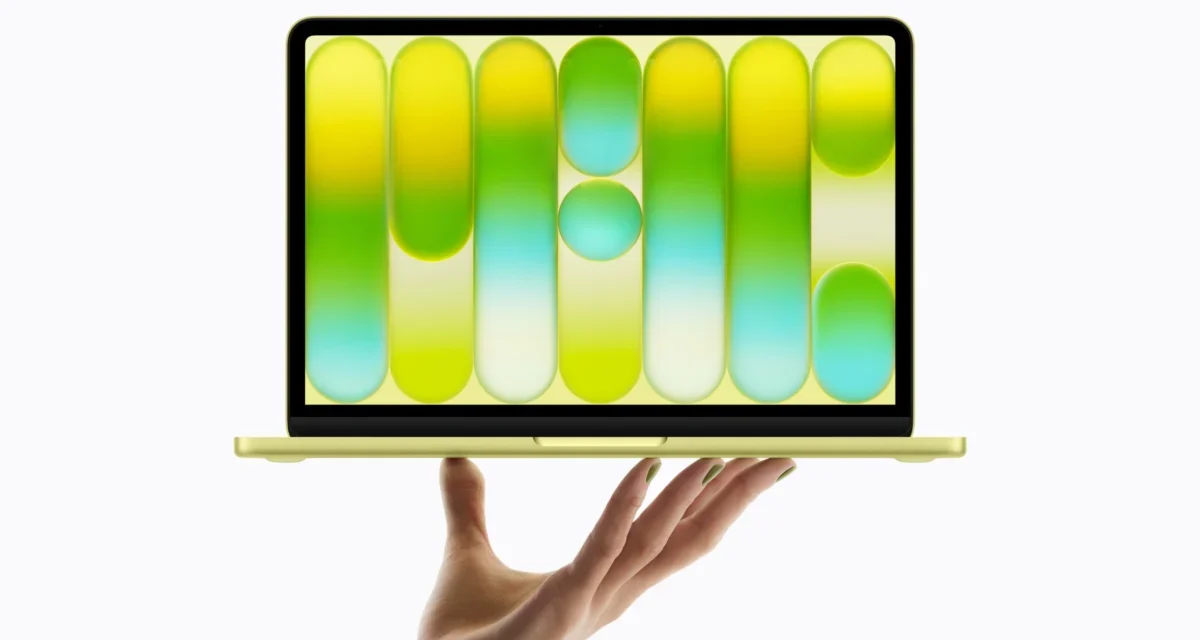






In the fast-paced world of consumer electronics, where price hikes are the norm and innovation often comes with an exorbitant premium, Apple has achieved the improbable. The MacBook Neo, a device that has redefined the entry-level laptop market, is on track to hit eight million units sold by the end of 2026. As the company prepares for a spring launch of the next generation, industry analysts and shareholders alike are asking a pivotal question: Can Apple continue to offer more value while keeping the price floor low, or will the economic pressures of an unstable global market force a shift in strategy?
The Main Facts: A Disruptive Force in Computing
The MacBook Neo has become a masterclass in market positioning. Despite global economic headwinds, including geopolitical instability and the inflationary pressures of the AI era—what many in the tech sector have dubbed "AI-flation"—Apple has managed to turn the Neo into a cultural and commercial powerhouse.
The numbers speak for themselves. Even after a price adjustment from its original $599 launch tag to $699, the device has remained a permanent fixture in the top three best-selling laptops on Amazon US. In fact, at the time of writing, the top three spots in Amazon’s laptop category are occupied exclusively by Mac devices, underscoring a level of consumer loyalty that competitors are struggling to replicate. While the broader PC market experienced a staggering 21% decline in shipments, Apple’s global market share has climbed to nearly 10%, with the Neo accounting for a massive 23% of Apple’s total notebook sales within just three weeks of its debut.
Chronology: The Rise of the Neo
To understand the significance of the Neo, one must look at the timeline of its adoption:
- Launch Phase: Released to meet a long-standing demand for a more accessible Mac, the Neo immediately disrupted the midrange Windows laptop and Chromebook markets.
- Initial Momentum: Within 21 days, it captured nearly a quarter of all Apple notebook sales, proving that the barrier to entry for the Apple ecosystem was primarily financial, not technological.
- The Enterprise Pivot: Following consumer success, the device gained rapid traction in professional environments. Corporations like Telia were among the first to deploy the units at scale, praising their ease of management and reliability.
- The Education Milestone: In November 2026, Apple cemented its lead in the academic sector by securing a landmark contract with the Philippines Department of Education for 170,000 units—the largest single Mac deployment in the company’s history.
- Looking Ahead: Current supply chain reports suggest Apple has ramped up manufacturing orders for the "Neo 2" to 16 million units, doubling the initial volume of its predecessor, with a release window set for spring 2027.
Supporting Data: Why the Neo Works
The success of the MacBook Neo is not merely a result of clever marketing; it is rooted in the tangible benefits of Apple Silicon. Enterprise IT teams have long touted the Total Cost of Ownership (TCO) benefits of Macs, noting that they require less support and offer a higher return on investment than their PC counterparts.
The Neo serves as a perfect vehicle for this reality. By lowering the entry price, Apple has allowed smaller businesses to integrate Macs into their hybrid fleets. The demand is so high that specialized resellers have begun provisioning the units with pre-installed Windows 11 virtual machines, allowing companies to enjoy the hardware quality of a Mac while maintaining compatibility with legacy Windows-based enterprise software.
Furthermore, the "cannibalization" factor is real. While iPad sales slumped by 27.5% this year, the decline is largely attributed to consumers opting for the MacBook Neo. When faced with the choice between a midrange tablet and a fully functional, high-performance laptop at a similar price point, the utility of the laptop has proven more compelling for the average user.
Official Responses: Cultivating a "Momentum Creator"
Apple’s leadership is well aware of the unique position the Neo occupies. Tom Boger, Apple’s Vice President of Mac and iPad Product Marketing, recently described the device as a "huge momentum creator."
"We’re bringing more new-to-Mac customers than we ever have in the 42 years that the Mac has been around," Boger noted. His assessment highlights a critical shift: the Neo is not just a secondary device; it is a gateway for millions of people to enter the Apple ecosystem for the first time. For a product line with over four decades of history, this influx of new users is a remarkable feat of market expansion.
Implications: The Challenge of the Neo 2
As the industry turns its gaze toward the MacBook Neo 2, the stakes are higher than ever. The primary challenge remains the cost of components—specifically memory. With global memory prices fluctuating, Apple faces a narrow margin to balance the hardware specs that users demand with the price point that has fueled the product’s growth.
The Balancing Act
- Margin vs. Market Share: If Apple increases the price of the Neo 2, it risks alienating the price-sensitive education and entry-level consumer markets that made the first generation a success.
- Internal Competition: Apple must navigate the tension between its tablet and laptop divisions. If the Neo 2 continues to offer immense value, it may continue to dampen iPad sales, forcing Apple to reconcile its product roadmap.
- The "EveryMac" Vision: The core appeal of the Neo is its identity as a "quiet, light, affordable Mac for all of us." Any departure from this design philosophy, even to add more advanced features, could potentially erode the very sentiment that built its momentum.
Future Outlook: A Strategy of Scale
The reported order of 16 million units for the Neo 2 suggests that Apple’s management is doubling down on their strategy. They are not merely hoping to maintain the current trajectory; they are betting that the Neo can become the new standard for the global notebook market.
If Apple can successfully integrate incremental hardware improvements—such as enhanced thermal efficiency, better battery life, or slight memory upgrades—without a significant price hike, they will likely consolidate their lead. However, should supply chain costs force a move up-market, they will have to contend with a more discerning buyer base that is increasingly wary of rising costs.
Ultimately, the MacBook Neo has proven that there is a massive, underserved segment of the market that desires the reliability and prestige of a Mac, provided the price is right. The Neo 2 will serve as the litmus test for whether Apple can sustain this "everyman" appeal or if the economic realities of 2027 will force them to abandon the very segment that drove their record-breaking growth. For now, the momentum remains firmly in Cupertino’s favor, but as with all things in tech, the next move is the most critical.