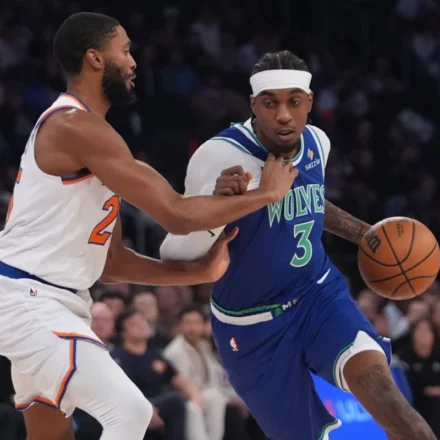













































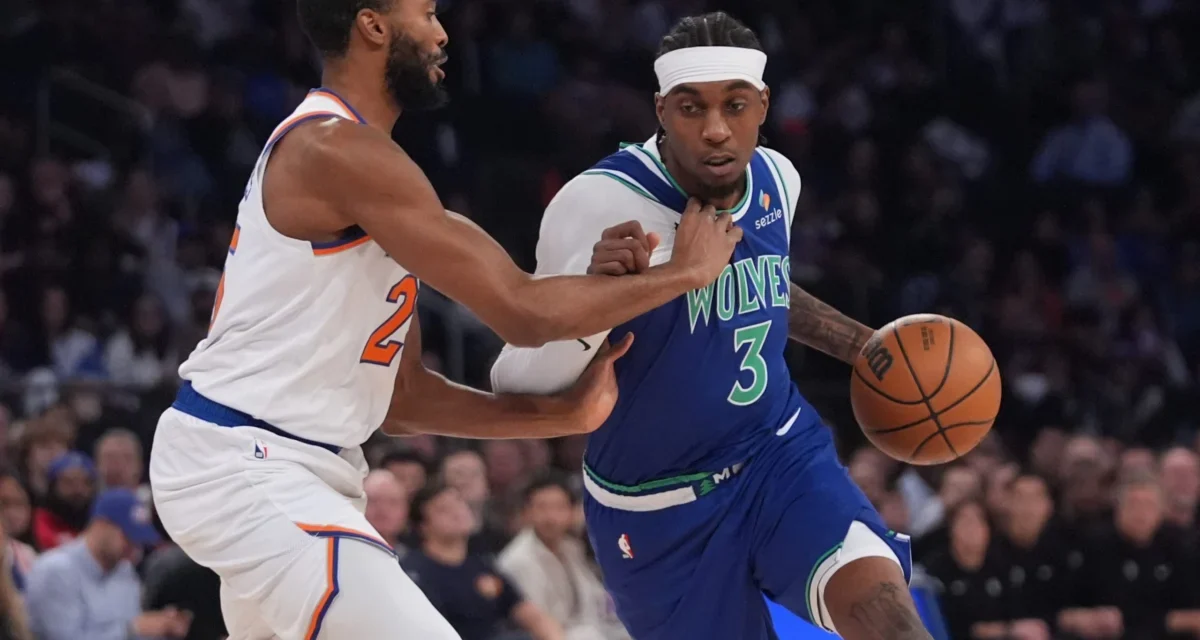





The Minnesota Timberwolves have officially entered a new epoch of their franchise history. Once defined by years of systemic failure and organizational drift, the team has transformed into a daredevil protagonist of the NBA’s Western Conference. Now in their fifth season under the stewardship of President of Basketball Operations Tim Connelly and head coach Chris Finch, the Timberwolves have moved beyond simple contention; they are now a team defined by high-stakes pivots, tactical defiance, and an unwavering commitment to the "appointment viewing" experience.
As the 2026-27 season tips off, the organization finds itself in a precarious yet exhilarating position. Having moved on from the era of dual-big-man dominance, the front office is betting the house on a new identity—one built on blistering pace, perimeter playmaking, and a fundamental reconfiguration of the roster.
A Chronology of Audacity: The Connelly Blueprint
To understand the current iteration of the Timberwolves, one must look at the trajectory set in motion upon Tim Connelly’s arrival in May 2022.
Connelly famously stood before the press in his introductory conference, promising to preserve a "special core" and vowing not to "mess it up." Yet, barely six weeks later, he executed a seismic trade for Rudy Gobert, a move that sent shockwaves through the league. At the time, the NBA was fixated on the Golden State Warriors’ "space-and-pace" model—a system that prioritized spacing, shooting, and positional versatility. Connelly’s decision to pair two lumbering seven-footers in Gobert and Karl-Anthony Towns was viewed by many as an act of basketball heresy.
History, however, has a way of validating the bold. By the end of his second season, the Timberwolves had defied conventional wisdom, clawing their way to the Western Conference Finals. This success proved that the team was willing to operate outside the margins of standard league trends.
The summer of 2025 marked a period of stagnation that, in retrospect, served as a catalyst for the current, radical restructuring. After "standing pat" and relying on the virtue of continuity, the team hit a wall. Playoff exits at the hands of the Oklahoma City Thunder and the San Antonio Spurs—teams that boast superior depth, cohesion, and, in some cases, singular superstars who loom larger than Anthony Edwards—exposed the limitations of that continuity. The message was clear: running the same roster back for a third year would have been a failure of imagination.

The New Frontier: Pairing Ball and Edwards
This past offseason, Connelly took a scalpel to the roster. By offloading both his primary power forwards and backup centers, the organization pivoted away from size to embrace the backcourt revolution. The marquee acquisition of LaMelo Ball is the linchpin of this transformation.
At a time when the NBA is trending toward the seven-and-a-half-foot dominance of players like Victor Wembanyama, Connelly is essentially "turbo-charging" the team’s offensive engine. The goal is clear: pair Ball’s passing wizardry and long-range gravity with the explosive, downhill scoring ability of Anthony Edwards.
The statistical argument for this pairing is compelling. Analytics suggest that Edwards’ efficiency sees a massive spike when he is a catch-and-shoot threat rather than a primary pull-up shooter. Last season, Edwards shot 49.6% on catch-and-shoot three-pointers, compared to 35.3% on pull-ups. By moving Edwards off the ball—allowing him to operate as a finisher rather than solely a creator—the Timberwolves aim to maximize his lethal scoring instincts.
Ball, for his part, represents the antithesis of the stagnant offense. His ability to initiate play without a "gather" step and his willingness to launch deep, floor-spacing treys creates the type of gravity that opens the paint for teammates like Jaden McDaniels and Rudy Gobert.
Supporting Data: Efficiency and Defensive Challenges
The Timberwolves’ ceiling for the 2026-27 season is undeniably higher than it was in previous years, but so is the risk. The team’s offensive potential hinges on a delicate equilibrium: maintaining a breakneck pace while ensuring that ball movement remains efficient.
The Offensive Outlook
The coaching staff must ensure that the heavy usage rates of Ball and Edwards do not cannibalize the growth of Jaden McDaniels, who is trending toward elite two-way status. Furthermore, keeping Rudy Gobert—the team’s anchor—engaged is vital. When the offense flows, Gobert remains one of the league’s most efficient rim-runners and screen-setters. If the starting lineup executes, it could realistically produce one of the most aesthetically pleasing and efficient offenses in the league.

The Defensive Deficit
The departure of Julius Randle and Naz Reid has left a gaping hole in the frontcourt. With Gobert now 34, the team lacks the "beef" to body opposing bigs, forcing the defensive burden onto a rotation that is, in many ways, punching above its weight.
Key defensive metrics to watch include:
- Perimeter Rotation: The team will rely on a "fly-around" style to disrupt passing lanes, compensating for the lack of interior size.
- Zone Versatility: Coach Finch is expected to experiment with zone sets, with McDaniels tasked with patrolling the middle when Gobert is off the floor.
- The "Beringer" Factor: The development of Joan Beringer, the backup center, is a critical variable. His activity level is high, but his defensive inexperience remains a liability that opponents will inevitably target.
Official Perspectives: The Philosophy of "Retooling"
The organizational stance from both Connelly and Finch remains consistent: the Timberwolves are a team that "retools, never rebuilds."
When asked about the team’s defensive concerns, the coaching staff emphasizes collective responsibility. "We don’t have the luxury of traditional size anymore," a team source noted. "We have to be faster, smarter, and more unified in our rotations."
The front office’s willingness to pivot is the team’s greatest strength. Should the current rotation prove insufficient by the trade deadline, the history of this regime suggests they will not hesitate to make the necessary, albeit painful, adjustments. This culture of proactive management is precisely why the Timberwolves remain a constant playoff threat.
Implications: The Long Road to June
The reality of the Western Conference is daunting. The Oklahoma City Thunder and the San Antonio Spurs currently stand as the clear tier-one contenders, separated from the rest of the pack by their depth and star power. To reach the NBA Finals, the Timberwolves will likely have to overcome both teams in the postseason—a gargantuan task.

However, the 2026-27 season is about more than just the final standings. It is about the evolution of Anthony Edwards as a superstar, the integration of a new, faster-paced identity, and the continued refinement of a roster that refuses to settle for mediocrity.
Key Questions for the Season:
- The Health of the Anchor: Can Gobert sustain 65-70 games of high-level rim protection at his age?
- The Secondary Unit: Will Ayo Dosunmu and TJ Shannon emerge as legitimate Sixth Man of the Year candidates to stabilize the bench?
- The Mid-Season Pivot: Will Donte DiVincenzo’s return from injury provide the veteran spark needed for a deep playoff run?
Conclusion: A Compelling Endeavor
The Minnesota Timberwolves are living dangerously, but they are doing so with intent. While the consensus places them in the second tier of the West—likely vying for a 46-to-47-win season—the raw talent and tactical flexibility of this roster cannot be overlooked.
For the fourth consecutive year, Minnesota enters a season with the potential to pull off an upset in the playoffs. They have transformed from a franchise that historically couldn’t win a series to one that thrives as the underdog. As they prepare to cross the chasm separating them from the elite, the Timberwolves offer the league something rare: a team that is constantly evolving, perpetually intriguing, and always worth watching. For fans in Minneapolis, the fascinations, frustrations, and moments of sheer, high-octane adrenaline are exactly why they tune in.