
























































By Staff Reporter
September 19, 2026
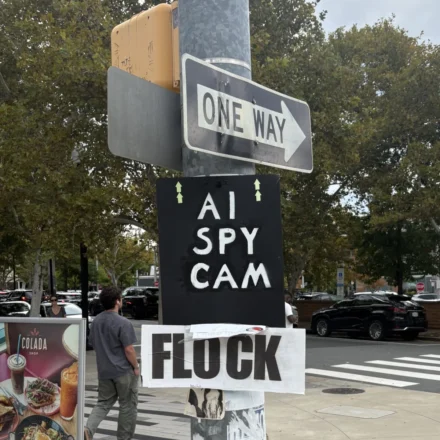
Flock Safety, the high-profile surveillance technology startup that once promised to "eliminate crime" through its expansive network of automated license plate recognition (ALPR) cameras, is currently navigating a period of profound organizational and reputational crisis. On Friday, the company confirmed it is offering a "generous" voluntary severance package to its 1,500-person workforce, a move widely interpreted by industry analysts as a strategic attempt to preempt involuntary layoffs while managing a plummeting public image.
The decision arrives at a precarious moment for the company. As the startup faces a wave of contract cancellations from municipalities across the United States, it is also contending with internal demoralization fueled by a series of high-profile reports documenting the misuse of its technology by law enforcement agencies.
The Strategic Pivot: Voluntary Buyouts as Damage Control
According to internal communications reported by Wired, Flock Safety is positioning these voluntary departures as a way to streamline operations. The company stated that it intends to grant these packages to a majority of those who express interest, describing the offer as the most lucrative severance program in the startup’s history.
For the leadership team, this strategy serves a dual purpose. By incentivizing employees to leave on their own terms, the company avoids the optics of mass layoffs, which often exacerbate existing internal instability. Furthermore, it allows the company to "right-size" its workforce to match a shrinking client base. Insiders have suggested that without this voluntary program, the startup would have been forced into significant, involuntary reductions in force—a scenario that would likely have triggered further negative headlines and talent attrition.
A Chronology of Crisis: From Growth to Scrutiny
The current situation represents a sharp reversal of fortunes for a company that, until recently, was one of the fastest-growing entities in the law enforcement technology sector.
- Early 2026: Flock Safety continues its rapid expansion, securing contracts with hundreds of new cities and private homeowner associations, bolstered by a strong narrative of crime prevention.
- August 2, 2026: The Washington Post publishes a damning investigative report detailing 46 documented cases where police officers allegedly misused the Flock network to stalk spouses, partners, and ex-partners. This report fundamentally shifts the national conversation regarding the privacy implications of pervasive, AI-driven surveillance.
- August 2026: A cascade of contract terminations begins. Data from advocacy groups reveals that approximately 90 cities moved to terminate their agreements with Flock in a single month—a fourfold increase in churn compared to the previous month.
- Late August 2026: Legislative blowback intensifies. Both Florida and Texas announce official moves to suspend or restrict the use of the startup’s technology, citing deep-seated privacy and civil liberty concerns.
- September 19, 2026: Facing the dual pressure of declining revenue and internal instability, Flock officially announces its voluntary buyout program.
Supporting Data: The Erosion of Trust
The scale of the backlash is not merely anecdotal; the numbers suggest a fundamental shift in the relationship between local governments and surveillance tech providers. The identification of 90 cities dropping the service in August alone indicates that the "privacy-first" arguments historically used by the company are failing to resonate with city councils and law enforcement oversight boards.
The Washington Post investigation served as the catalyst for this mass exodus. By demonstrating that the platform—designed to track criminals—was being used as a tool for personal domestic surveillance, the report shattered the premise of "safe, controlled usage" that Flock had sold to its clients.
When a police officer uses a government-funded, high-definition camera network to track an ex-partner, the liability shifts from a "tech failure" to a "policy catastrophe." This has left municipal leaders in a defensive position, as they now face potential civil rights lawsuits from citizens whose movements were tracked without legal justification.
Official Responses and Internal Sentiment
Flock Safety’s CEO, Garrett Langley, has attempted to address the crisis with a mixture of public outreach and internal messaging. In a recent appearance on the All-In podcast, Langley acknowledged that the "biggest damage" caused by the recent news cycle has not been to the company’s bottom line—though that is clearly under strain—but to "internal morale."

The company’s leadership maintains that the technology itself is sound and that the misuse cases are the result of human error rather than architectural flaws. However, critics argue that the architecture itself—which allows for easy, cross-jurisdictional tracking of any vehicle—is inherently prone to abuse.
Internal staff have reportedly expressed frustration with the company’s inability to effectively police its own clients. For many engineers and product managers, the promise of "solving crime" has been overshadowed by the reality of being complicit in a system that enables stalking and over-policing.
Broader Implications: The Future of Surveillance Tech
The situation at Flock Safety holds significant implications for the broader surveillance industry.
1. The Death of the "Passive" Surveillance Narrative
For years, companies like Flock argued that their cameras were passive, neutral tools. The current crisis demonstrates that the public no longer accepts this distinction. When a tool creates a permanent, searchable record of movement, it is active surveillance, regardless of how the company labels it.
2. The Rise of "Privacy-First" Procurement
Municipalities are becoming far more cautious in their procurement processes. The "record pace" of contract cancellations suggests that local governments are now viewing surveillance tech as a political liability rather than a political win. Future contracts will likely require much stricter auditing, data deletion protocols, and transparent usage logs.
3. Regulatory Uncertainty
With states like Florida and Texas leading the way, we are entering an era of state-level regulation of surveillance technology. Companies can no longer rely on a fragmented, city-by-city sales approach; they must now prepare for a legislative environment that may seek to outlaw or heavily restrict the type of persistent, automated tracking that forms the core of the Flock business model.
4. The Human Capital Flight
The decision to offer voluntary buyouts is a tacit admission that the company can no longer retain the talent necessary to scale. When a tech company’s mission becomes controversial, it loses the ability to recruit top-tier engineers who are increasingly sensitive to the ethical ramifications of their code. This "brain drain" could be the most significant long-term hurdle for Flock, as it attempts to pivot toward more secure, privacy-compliant iterations of its product.
Conclusion: A Turning Point for the Startup
As September draws to a close, Flock Safety finds itself at a crossroads. The voluntary severance program is a necessary stopgap, but it does not address the underlying issue: the erosion of trust between the company, the public, and the law enforcement agencies it serves.
Whether the company can survive this period of contraction depends entirely on its ability to implement radical transparency and oversight mechanisms that go beyond mere lip service. Until then, the exodus of clients—and now, employees—serves as a stark reminder that in the age of data privacy, surveillance technology companies cannot simply build a better mousetrap and expect the world to beat a path to their door. They must also be prepared to answer for the shadows that their technology casts over the communities it claims to protect.