










































As the sweltering heat of summer dissipates and the foliage begins its seasonal transition, a different kind of transformation takes place across the United States. From the high-altitude deserts of New Mexico to the rugged coastlines of Cape Cod, the American culinary landscape shifts to celebrate the bounty of the harvest. For the modern epicurean, autumn is not merely a change in weather; it is a signal to embark on a gastronomic pilgrimage.
This guide explores the nation’s most influential food and wine festivals, examining the history, the logistics, and the cultural impact of these events. Whether you are seeking the nuanced terroir of an island-grown feast or the gritty, storied tradition of a Texas chili cookoff, these nine festivals represent the pinnacle of American food culture.
1. Santa Fe Wine & Chile Fiesta: A High-Desert Masterclass
Location: Santa Fe, New Mexico
Focus: Viticulture and the iconic New Mexican green chile.
Main Facts & Chronology
What began in 1991 as a modest gathering of 20 local restaurants has matured into a five-day juggernaut. Today, the festival draws 4,500 attendees who descend upon Santa Fe to experience the symbiotic relationship between New Mexico’s signature spice and global viticulture. The event features over 60 local restaurants and 90 wineries.
Implications & Experience
The "Chile Friday" event is the centerpiece, elevating the humble pepper to a gourmet protagonist. The closing Grand Tasting serves as a masterclass in pairing, where attendees sample green-chile-forward dishes served by the very winemakers who crafted the accompanying pours. It is an immersive, town-wide celebration that highlights the region’s unique culinary identity.
2. Hawai‘i Food & Wine Festival: Sustainability in Paradise
Location: Oahu, Hawai‘i, and Maui
Focus: Regional ingredients and culinary scholarship.
Main Facts & Chronology
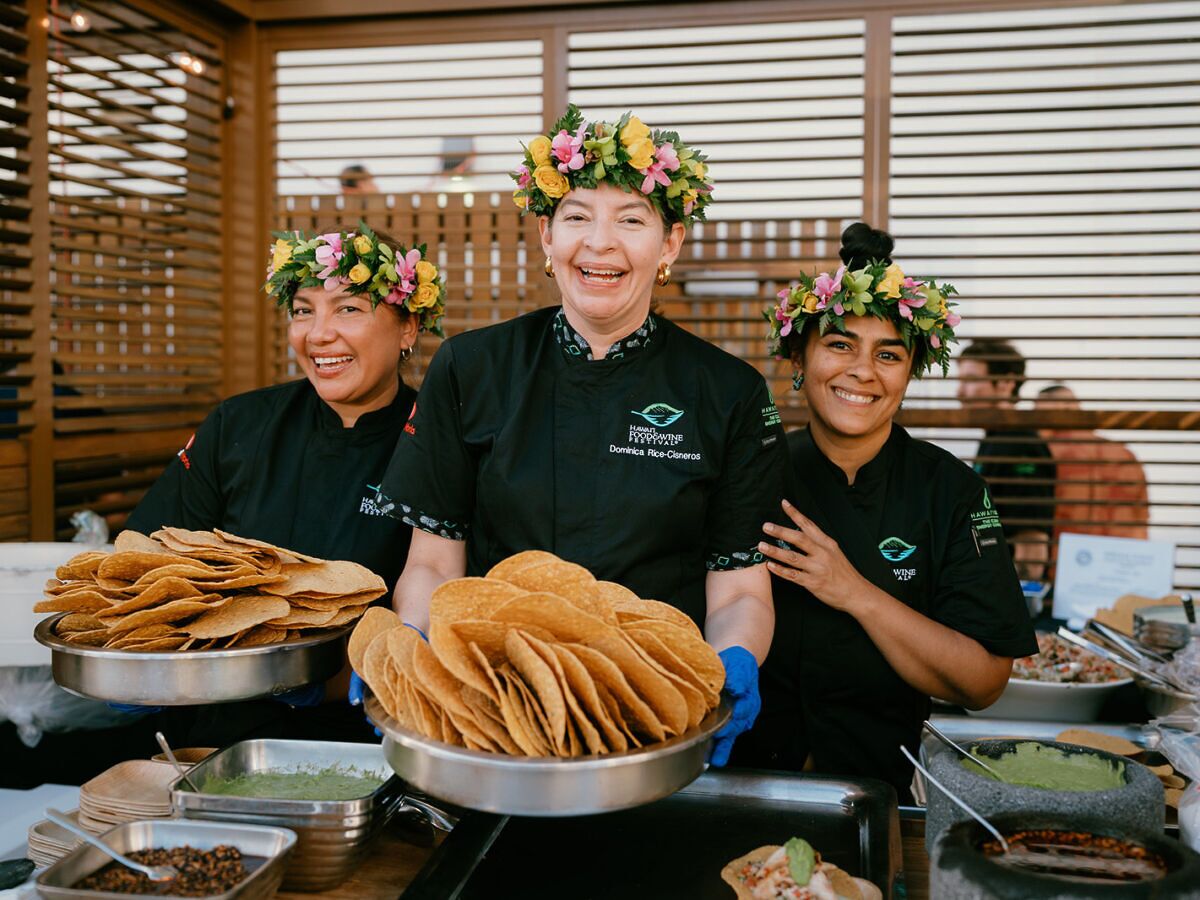
Co-founded in 2011 by legends Roy Yamaguchi and Alan Wong—the architects of the 1990s Hawai‘i Regional Cuisine movement—this festival was built on a simple, radical premise: chefs must cook using only ingredients grown, caught, or raised in the islands.
Supporting Data
The festival spans three islands and three weekends, hosting nearly 100 world-class chefs. The lineup is a "who’s who" of the culinary world, featuring Top Chef luminaries like Sheldon Simeon and Michelin-starred titans like Josiah Citrin.
Implications
Beyond the plate, the festival serves a philanthropic mission. Proceeds support culinary scholarships and agricultural programs, ensuring that the next generation of island chefs can continue the work of local sustainability. It is a rare festival where indulgence directly fuels the preservation of the local food system.
3. Fall for Greenville: The Great American Street Party
Location: Greenville, South Carolina
Focus: Community, local music, and diverse flavors.
Main Facts & Chronology
For one weekend in October, downtown Greenville’s Main Street is transformed into a massive open-air dining room. Since its inception, the festival has grown into a titan of the Upstate, drawing 150,000 visitors over three days.
Supporting Data
- Vendors: 50+ local restaurants.
- Menu: 250+ distinct dishes.
- Entertainment: 80+ bands across six stages.
- Entry: Free admission, with ticket-based tasting tokens.
Official Response
City officials and organizers often point to the event’s "low-commitment" nature as its greatest strength. By removing the barrier of expensive tickets and formal seating, the festival creates an accessible, city-wide party that mirrors the rapid growth and cultural vibrancy of Greenville itself.
4. Bowling Green Bourbon and Brewfest: A Kentucky Tradition
Location: Bowling Green, Kentucky
Focus: Bourbon heritage and craft beer.
Main Facts & Chronology
Located just an hour north of Nashville, this festival utilizes the Bowling Green Ballpark to host an afternoon of liquid indulgence. Since 2014, it has offered a more intimate, accessible alternative to the overcrowded bourbon festivals in Louisville.
Implications
The festival highlights the "source" experience. Attendees are drinking bourbon in the state that produces the vast majority of the world’s supply. With VIP options providing access to rare, limited-run bottles, it has become a must-stop for serious spirits enthusiasts looking to explore the Kentucky Bourbon Trail without the corporate fanfare of larger events.
5. Wellfleet OysterFest: Coastal Preservation
Location: Wellfleet, Massachusetts
Focus: Shellfish, sustainability, and maritime culture.
Main Facts & Chronology
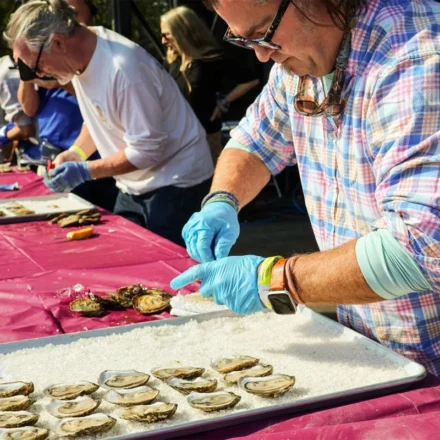
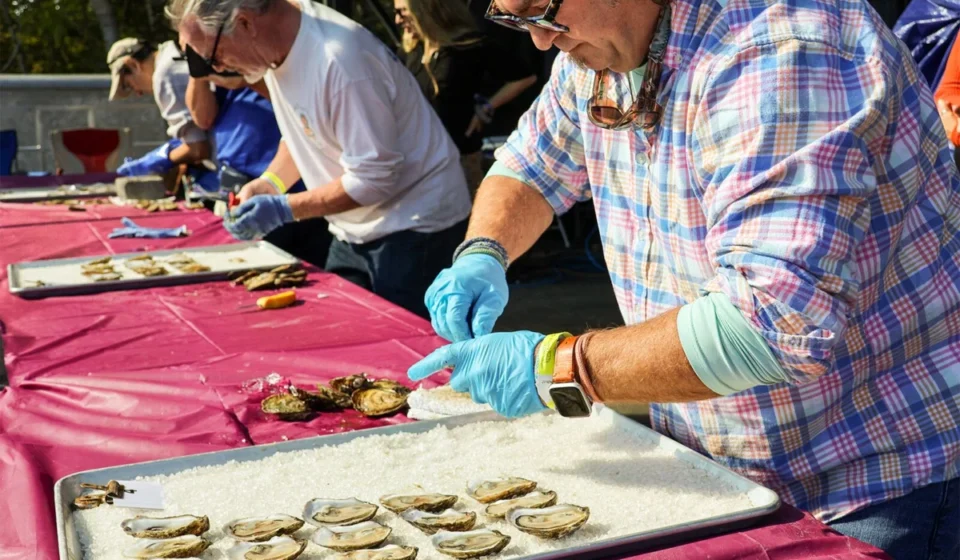
Wellfleet is famous for its oysters, and for one weekend, the town’s identity is distilled into a single, briny mollusk. Nearly 20,000 people gather to celebrate the catch, participate in the annual "Oyster Shuck-Off," and enjoy New England chowders.
Supporting Data & Implications
The festival’s environmental impact is noteworthy. Post-event, the town collects thousands of discarded oyster shells to return them to the ocean. This creates vital substrate for reef restoration, turning a food festival into an active participant in environmental conservation.
6. Arkansas Cornbread Festival: Celebrating the Southern Staple
Location: Little Rock, Arkansas
Focus: Southern heritage and community competition.
Main Facts & Chronology
Launched in 2011 in Little Rock’s SoMa district, this festival focuses on the cultural icon of the South: cornbread. Home cooks and professional chefs compete in traditional, sweet, and non-traditional categories.
Official Response
Organizers have doubled down on sustainability, implementing a low-waste policy that utilizes refill stations and avoids plastic. The festival’s partnership with the Arkansas Foodbank ensures that the event serves as a fundraiser for local food security, making it a cornerstone of the Little Rock fall calendar.
7. The Original Terlingua International Championship Chili Cookoff
Location: Terlingua, Texas
Focus: Competitive cooking and frontier history.
Main Facts & Chronology
Held "Behind the Store" (the Terlingua Trading Company), this festival traces its roots to a 1967 stunt between Texas newspaper owner Frank X. Tolbert and New York writer H. Allen Smith.
Implications
This is not merely a food event; it is a pilgrimage to the heart of Texas culinary lore. The rules are strict—absolutely no beans—and the atmosphere is one of rugged, high-desert camaraderie. The event acts as a charitable engine, benefiting the ALS Association, while maintaining its status as one of the most eccentric and historically significant culinary gatherings in the world.
8. San Diego Beer Week: The Capital of Craft
Location: San Diego, California
Focus: Independent craft brewing.
Main Facts & Chronology
San Diego, widely recognized as the "Capital of Craft," dedicates ten days in November to its 150+ independent breweries. Unlike centralized festivals, this event is decentralized, encouraging exploration of different neighborhoods like Miramar and North Park.
Supporting Data
The event features tap takeovers, rare releases, and collaboration pours. It coincides with the San Diego Bay Wine & Food Festival, creating a "super-week" for culinary tourists. The focus here is on the sheer range of the West Coast IPA and the collaborative spirit of the brewing community.
9. Chicago Gourmet: A High-Altitude Showcase
Location: Chicago, Illinois
Focus: Fine dining and celebrity chef engagement.
Main Facts & Chronology
Running since 2008, Chicago Gourmet transforms a rooftop overlooking Millennium Park into a premier culinary stage. It moves away from the "big tent" model, opting instead for curated sessions like the "Hamburger Hop" and the "Grand Cru" tasting.
Implications
The allure of Chicago Gourmet is the proximity to greatness. With a roster of chefs who have collectively earned dozens of James Beard awards, the festival offers attendees the chance to see icons like Rick Bayless and other Food Network stars working the tongs. It is a sophisticated, high-end experience that perfectly encapsulates the current status of Chicago as one of the world’s most important dining destinations.
Conclusion: The Cultural Significance of the Harvest
These festivals are more than simple opportunities to consume food and drink. They are the living manifestations of regional identity. Whether it is the restoration of oyster reefs in Massachusetts, the preservation of agricultural scholarships in Hawai‘i, or the competitive spirit of Texas chili, these events serve to remind us that our food is inextricably linked to our land, our history, and our communities. As you plan your travels for the coming autumn, consider the unique stories waiting to be told on a plate—or in a glass—at these iconic American celebrations.