






















































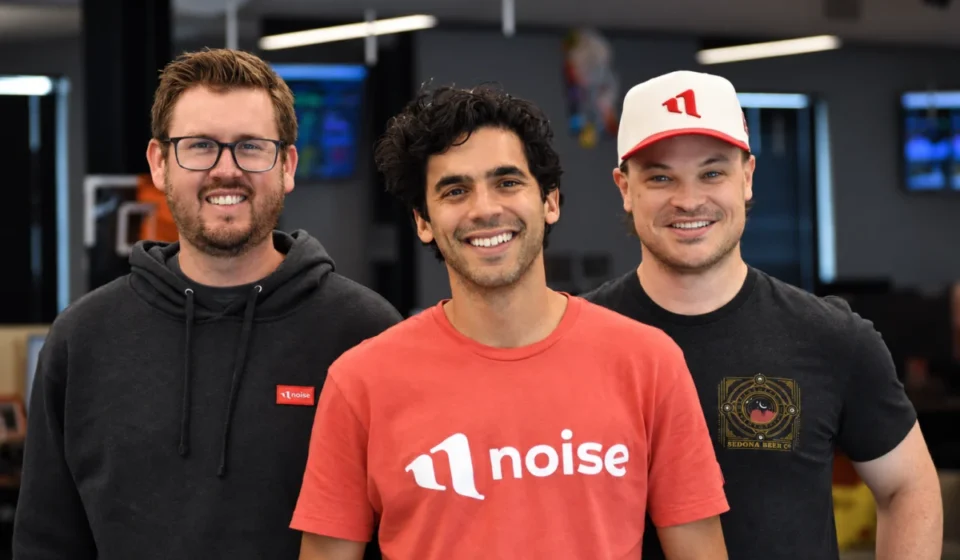

In an era where the traditional influencer landscape is dominated by high-cost, high-clout celebrities, a new startup is shifting the paradigm toward the "everyday creator." Noise, a marketing platform designed to connect brands with ordinary social media users, announced on Wednesday that it has secured $5.5 million in a seed funding round. Led by Capital Midwest, M25, and Girshin Robotics, the round brings the startup’s total capital raised to $7.2 million, signaling a growing investor appetite for infrastructure that supports the creator economy at scale.
The Core Concept: Performance-Based Advocacy
At its heart, Noise operates as a bridge between brands and a massive, untapped reservoir of potential content creators. Unlike conventional influencer marketing platforms that prioritize follower count and vanity metrics, Noise is built on the premise that authentic engagement can come from anyone with a smartphone and a social media account.
The platform allows brands to post content briefs and budgets, while creators—regardless of their current follower count—can browse these opportunities and craft content for platforms including TikTok, Instagram, Facebook, and YouTube. Crucially, the compensation model is performance-based: creators are paid per view rather than through the traditional, often exorbitant, flat-fee structure associated with high-profile influencers.
For brands, the value proposition is operational efficiency. By automating the sourcing, management, and payment processes, Noise enables companies to deploy campaigns across thousands of creators simultaneously. This removes the "operational headaches" that typically plague marketing teams attempting to scale influencer outreach.
A Journey Born from Playbite
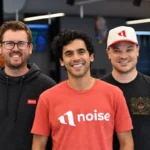
The genesis of Noise lies in the entrepreneurial experiences of founders Diego Kafie, Stu Feldt, and Nic Weber. Prior to launching Noise in 2025, the trio spent two years developing Playbite, a mobile gaming application. During their tenure at the gaming startup, the founders struggled to find a cost-effective way to scale user acquisition.
"We tried a bunch of different creative marketing strategies," Kafie recalled. Their breakthrough occurred when they began recruiting their own players, teaching them the fundamentals of social media content creation, and incentivizing them to promote the game.
What started as a small cohort of five users eventually grew to a network of over 100 dedicated advocates. "Before we knew it, our installs were skyrocketing as this small army of people went to places like TikTok and posted engaging content daily," said Kafie. The realization was profound: by empowering "regular" people to create content, they achieved a level of reach and diversity that would have been financially prohibitive had they relied on established influencers with large followings. This "scrappy" success story became the blueprint for Noise.
Chronology of Growth and Current Momentum
Since its inception in 2025, Noise has seen rapid adoption. Today, the platform boasts a community of 1.5 million creators. The company’s growth trajectory has been marked by several key milestones:
- 2023–2024: The founders iterate on their marketing strategy at Playbite, discovering the power of user-generated advocacy.
- 2025: Noise is officially launched, focusing on automating the link between brands and non-traditional creators.
- Mid-2025: The platform scales to 1.5 million users, proving the demand for accessible content creation opportunities.
- Late 2025: The company launches its "Organic-to-Ads" program, allowing brands to amplify high-performing creator videos through paid advertising spend on Meta and TikTok.
- Wednesday Announcement: Noise confirms a $5.5 million seed round, backed by notable venture capital firms and operators from high-growth tech companies like DoorDash.
Data-Driven Marketing: The Power of Scale
The influencer market is undergoing a seismic shift. Recent data suggests that over 57% of young people in Gen Z and more than 40% of U.S. adults are interested in pursuing influencer-style content creation. However, the barrier to entry remains high due to the immense effort required to build an audience from scratch.
Noise is positioning itself as the infrastructure layer that solves this friction. By offering training modules, the platform educates new creators on how to produce content that resonates with audiences and meets brand standards. As creators complete training and demonstrate success, they unlock higher-paid opportunities.
"Our top brands work with several thousand creators on autopilot," CEO Diego Kafie stated. Currently, the platform’s primary customer base consists of mobile apps and startups—companies with finite budgets that require high-impact reach. However, the long-term vision is to serve companies of all sizes, from local businesses to global enterprises.
Implications for the Creator Economy
The entry of Noise into the market has sparked conversations regarding the future of digital labor and the "democratization" of content creation.
Debunking "Low-Pay" Criticisms
When questioned about whether the platform might undercut creators by offering lower rates than traditional influencer contracts, Kafie pushed back. He emphasized that the platform is not a race to the bottom but a marketplace where brands define their rates, and creators maintain the agency to accept or decline projects.
Furthermore, the platform focuses on individuals who might otherwise be excluded from the influencer industry. For many, the "stress, time, and money" required to achieve viral fame is a prohibitive barrier. By offering a structured path to earning, Noise enables everyday people to monetize their creativity without needing a massive existing footprint. "We’re bringing costs down for brands, but enabling millions of people to make their first dollar on the internet," Kafie noted.
Strategic Expansion: Organic-to-Ads
The newly announced "Organic-to-Ads" program represents a significant pivot in how brands view creator content. Historically, content created by influencers was viewed as a one-off asset. Now, Noise is bridging the gap between organic social reach and paid performance. Brands can take the videos produced by Noise creators—which already carry an air of authenticity—and use them as creative assets for paid campaigns on TikTok and Meta. This strategy allows brands to "double dip," leveraging both the creator’s organic audience and the broader reach of paid social media advertising.
The Competitive Landscape
Noise is not operating in a vacuum. It joins a burgeoning field of "creator infrastructure" companies, such as Billo and JoinBrands, which are also focused on streamlining the production of user-generated content (UGC). However, Noise’s aggressive focus on scale—evidenced by its 1.5 million-strong creator base—sets it apart.
By leveraging the "small army" model, Noise offers a level of content diversity that is difficult to replicate with traditional agencies. Traditional marketing playbooks often rely on a handful of creators to represent a brand. Noise, conversely, allows for a granular, decentralized approach where thousands of voices speak for a brand simultaneously.
Looking Ahead
The $5.5 million injection of capital is earmarked for two primary objectives: expanding product capabilities and aggressive hiring. As the startup moves to mature its platform, the focus will likely remain on enhancing the training modules that turn novices into professional-grade creators.
For the modern marketer, the implications are clear: the era of the monolithic influencer may be evolving into an era of the "creator collective." As Noise continues to grow, it serves as a testament to the fact that, in the digital age, authenticity—when managed at scale—can be a brand’s most powerful asset.
Whether the platform can successfully scale while maintaining the quality of its content and the satisfaction of its creator base remains to be seen. However, with 1.5 million creators already on board and a proven, performance-based model, Noise is well-positioned to remain a disruptive force in the digital marketing ecosystem for years to come.